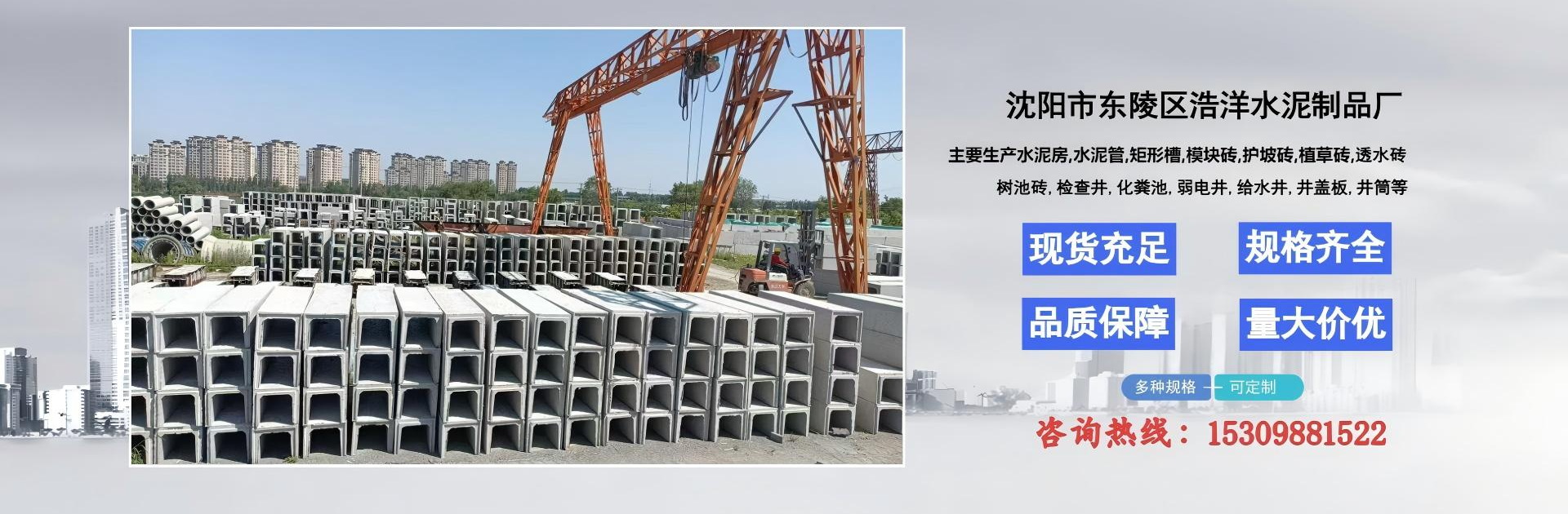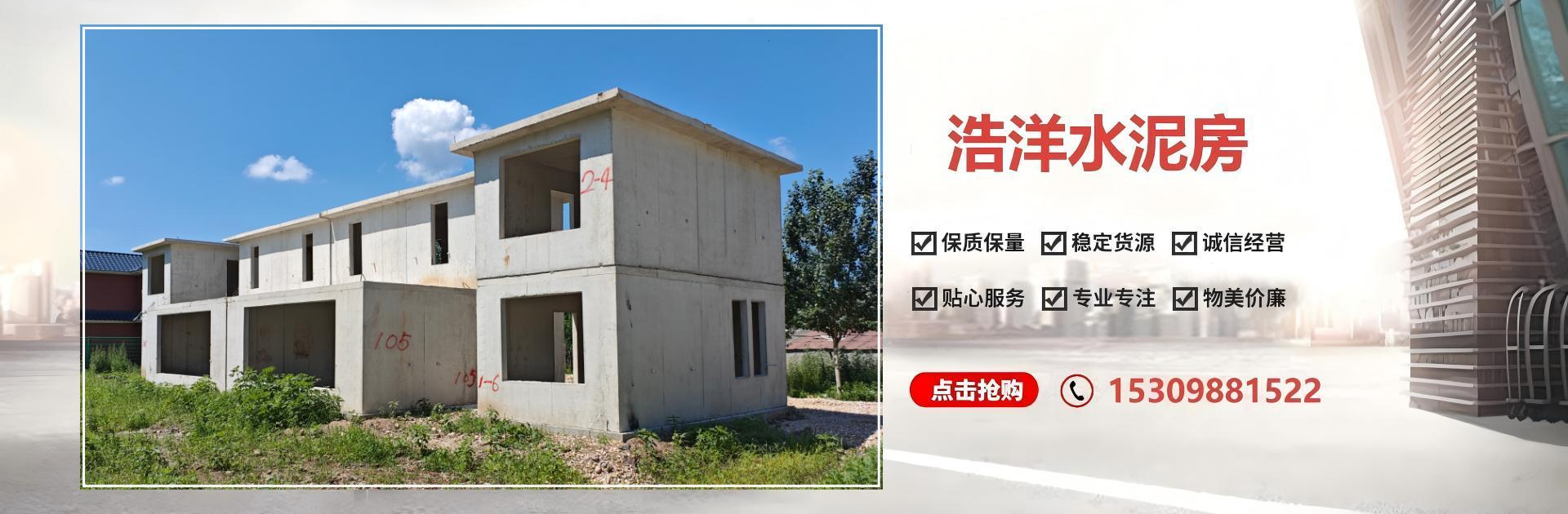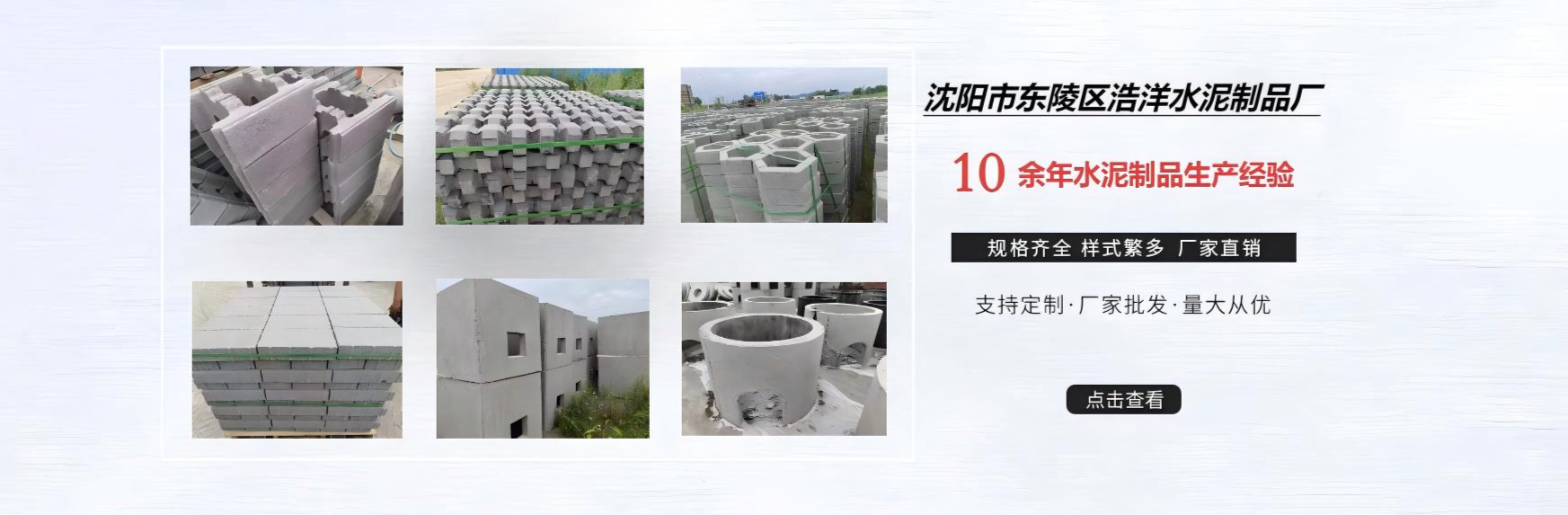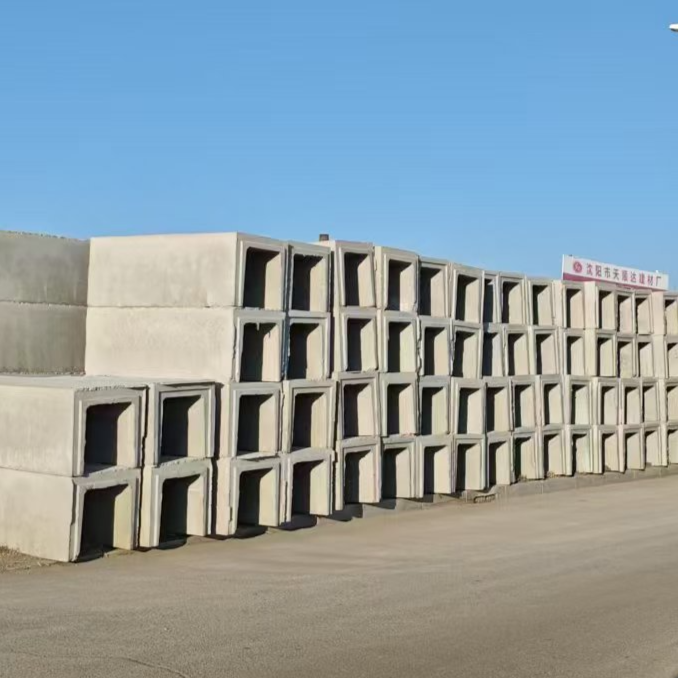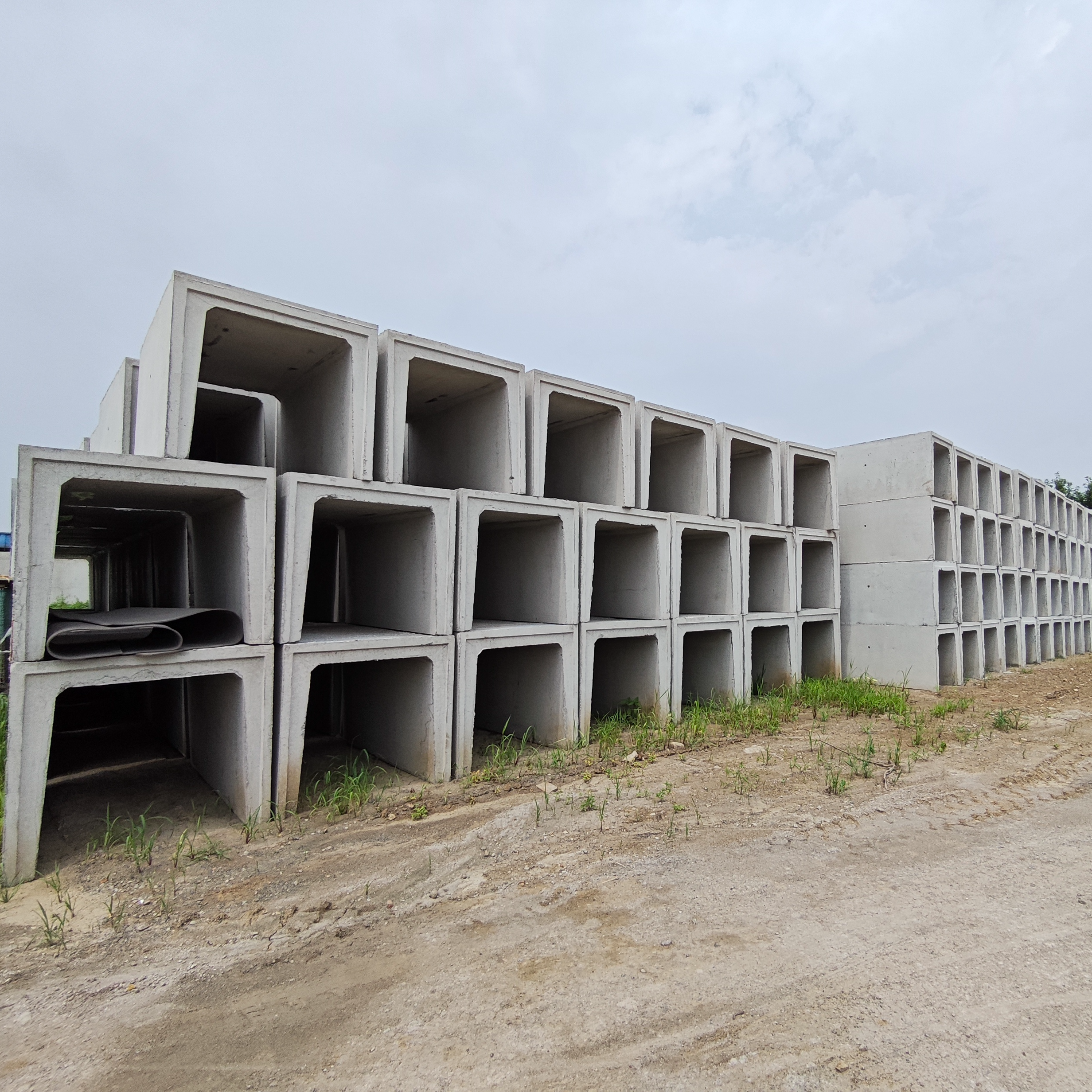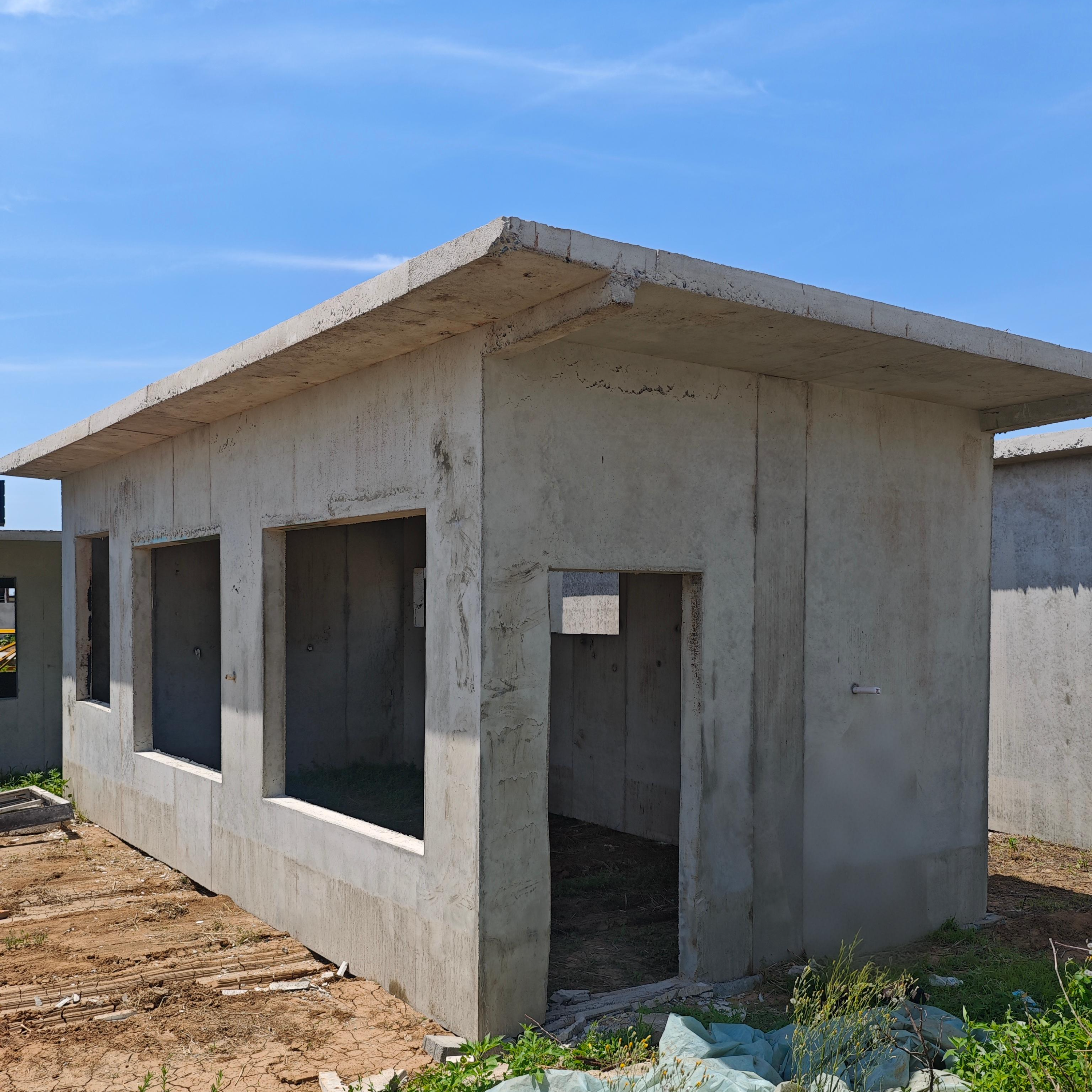
Primarily produce cement houses, cement pipes, rectangula...


Product Recommendation
Introduction to Permeable Pavers and Construction Techniques
Porous bricks originated in the Netherlands during the Dutch process of reclaiming land from the sea. They discovered that the ground would continue to sink over time due to the lack of moisture after the sea water was drained. Once the sea dykes were breached, the sea would rapidly flood the city, which was much lower than sea level, and submerge the coastal city entirely. To prevent the ground from sinking further, the Dutch created small paving bricks measuring 100mm in length, 200mm in width, and 50 or 60mm in height, which were laid on the streets with a 2mm gap between each brick. During rain, the water would seep through the gaps between the bricks into the ground. This is the famous Dutch brick that was later known.
Highly absorbent paver blocks, which discharge water underground once the bricks are fully saturated. These permeable bricks were grandly introduced as a new century environmental protection building material, aiming to address the urban hardening of the ground, create a high-quality natural living environment, and maintain the ecological balance of the city. The product features retaining ground permeability and moisture retention, anti-slip, high strength, frost resistance, weather resistance, noise reduction, and sound absorption. Made from slag and waste ceramics as raw materials, it undergoes two molding processes and is fired at high temperatures, making it a green and environmentally friendly product.
Porous Paver Construction Techniques and Quality Control:
1. Subgrade Soil Layer
1.1 Excavate the old road according to design and specification requirements, clear the soil, and achieve the required depth.
Check the longitudinal and transverse slopes, as well as the edge lines, to ensure they meet design specifications.
On 1.3, roadbed grading, leveling, and rolling should be conducted, with the compaction degree controlled at over 92% of the maximum density according to the heavy compaction standard.
During the crushing process, attention should be paid to the surrounding pipelines, curb inlets, and manholes below.
2. The underlayer material should meet the technical specifications of municipal engineering, in addition to certain strength and durability requirements, it should also possess certain permeability and water retention properties. Materials may include natural graded gravel, sand-free concrete, and others.
Material and construction requirements are as follows:
2.1 Material Requirements
2.1.1 The aggregate material should be hard, with the maximum particle size no larger than 0.7 times the thickness of the bedding layer and not exceeding 10 cm; for concrete without sand, the particle size of the aggregates should be between 5 to 10 mm, with the content of particles below 5 mm not exceeding 35% (by volume).
2.1.2 The silt content should not exceed 5% of the weight of the sand and gravel (less than 5mm).
2.2 Construction Requirements
2.2.1 Construction Requirements for Gravel Subbase Layer
The thickness of the laying material is calculated by multiplying the design thickness by the compaction coefficient, which ranges from 1.2 to 1.25. The virtual thickness of each layer should not exceed 30 cm.
The spreading of sand and gravel should be even and consistent, with no separation of coarse and fine particles.
3) During paving, if sand holes or plum blossom patterns are observed, the excess sand or gravel should be excavated and mixed separately with gravel or sand for treatment.
4) When the length of the sand and gravel bedding is between 30 to 50 meters, water can be sprinkled. The amount of water depends on the temperature, humidity of the climate, and the moisture content of the sand and gravel material, with the goal of fully moistening the entire mixture. After sprinkling, wait until the surface is slightly dry before starting to compact, achieving the required density, which should be above 92% of the maximum dry density.
2.2.2 Construction Requirements for Non-Sand Concrete Slab
In the mixing process of the sand-free concrete bedding, the amount of cement and the water-cement ratio should be strictly controlled. Sampling should be taken for testing to determine its strength and permeability coefficient.
2) Mixed on-site manually or mechanically according to the selected proportion, the general mixing time is 3 to 5 minutes.
3) Once the concrete mix is well-mixed, it should be smoothly spread over the subgrade. Then, use mechanical or manual methods to compact or roll it to achieve the required density.
2.3 The compactness of the subgrade layer is a key factor determining its strength and controlling pavement deformation. The construction quality standards are as follows:
The compactness of the gravel cushion layer should reach over 92% of the maximum compactness.
2) The compactness of the sand-free concrete bedding should reach approximately 92% of the maximum compactness (1.9~2.1 t/m3).
3) To ensure the overall permeability of the permeable pavement, proper watering maintenance should be conducted during summer construction. In winter (when the lowest temperature is below 2℃), it is advisable to avoid concrete sublayer construction and take adequate insulation measures for granular material sublayer construction. Prevent settling after warming up, which may affect the overall appearance.
Thickness deviation is allowed up to 10% but not exceeding 2 cm.
Width must not be less than the designed width.
6) The grade deviation is allowed to be 1 cm.
7) The surface is smooth and even, free of float stones, sand holes, and plum blossom patterns.
2.4 The method of verification employs on-site sampling for density testing.
3. To ensure the flatness of the surface layer permeable bricks, a leveling layer of 1~2cm in thickness is laid above the sublayer using the same material. The material is then spread evenly on the sublayer and smoothed with a trowel. 4. The surface layer is paved with permeable bricks that meet the design requirements, with the following technical specifications: 1) Lay the permeable bricks according to the design pattern.
When laying tiles, gently place them flat, tap them securely with a rubber mallet, but do not damage the edges or corners of the tiles.
3) The permeable pavers should be inspected for stability and evenness of the surface; any loose areas should be immediately repaired.
4) The curing period for permeable paver installation must be no less than 3 days.
5) Quality Standards a) Flatness: Allowable deviation not exceeding 5mm (checked with a small line); b) Cross slope allowable deviation: ±0.3%; c) Height difference between adjacent bricks: ≤2mm; d) No moving bricks or uneven surfaces are permitted; e) Patterns must be complete and aesthetically pleasing; f) Longitudinal and cross slopes must meet design requirements.


b2b.china9.net © Zhongshang 114 Hebei Network Technology Co., Ltd.Address: Room 6009, Oriental New World Center, No.118 East Zhongshan Road, Qiaoxi District, Shijiazhuang City, Hebei ProvincePlatform Service Hotline: 4006299930