




详情描述
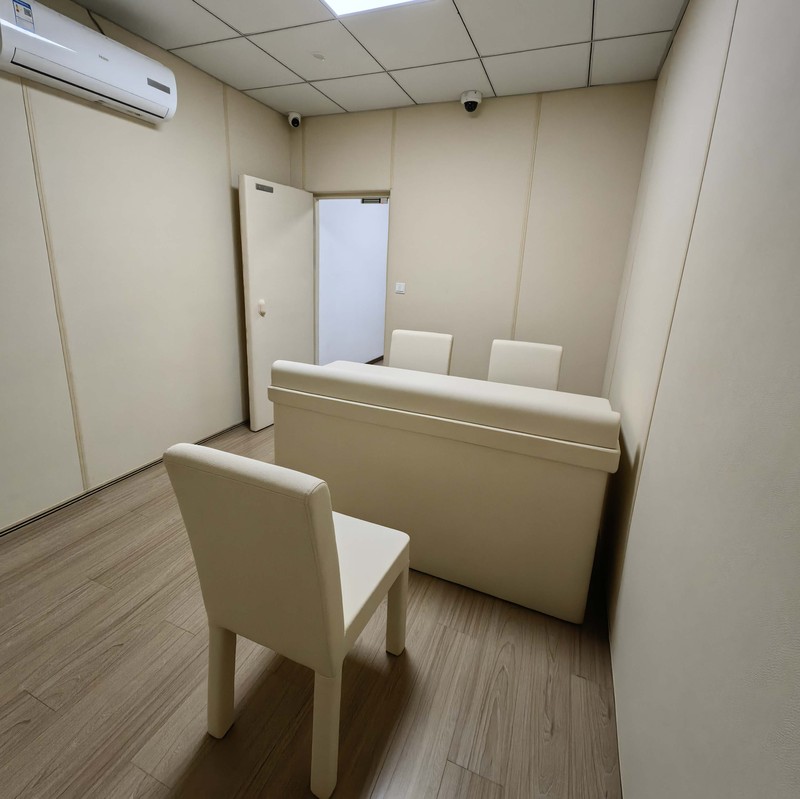
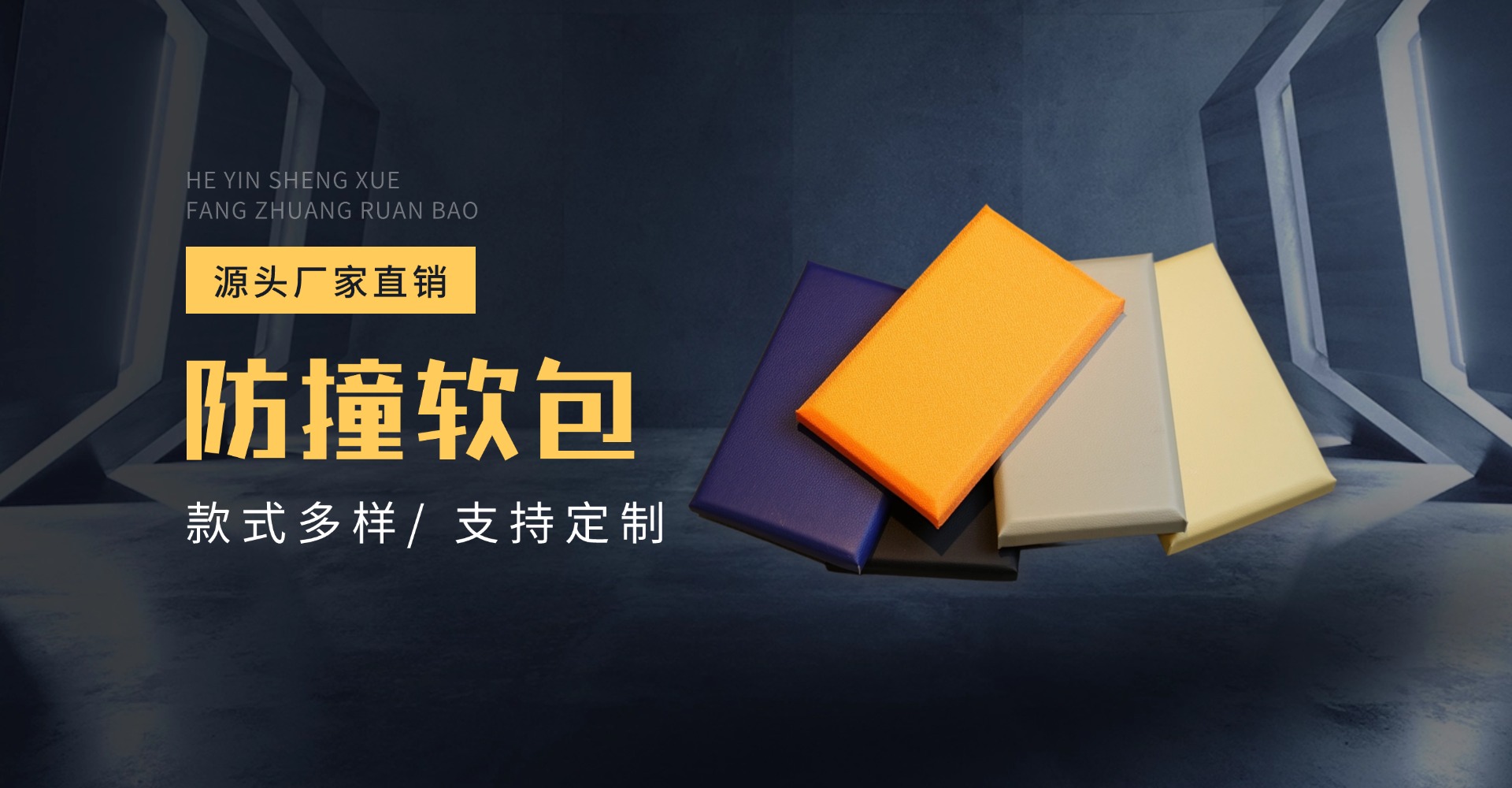
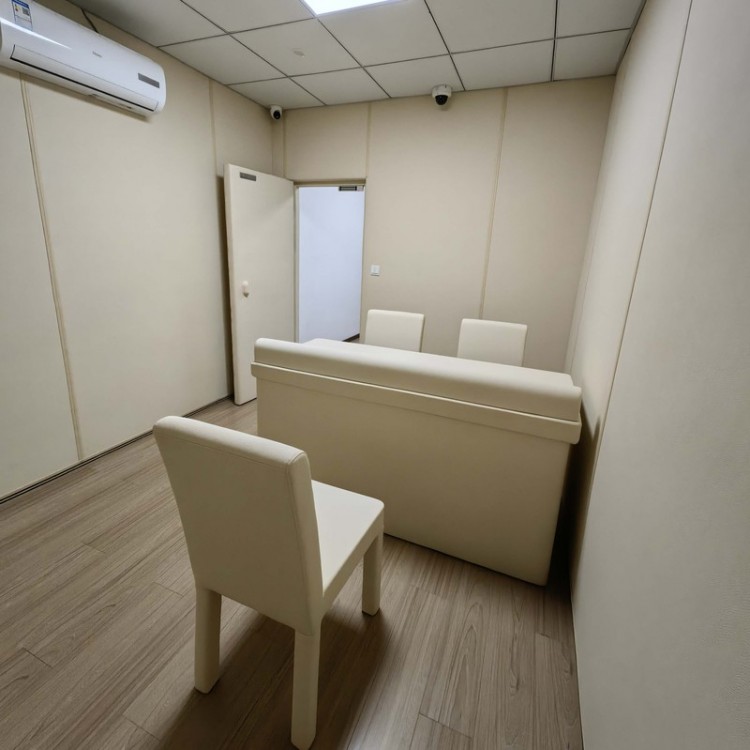
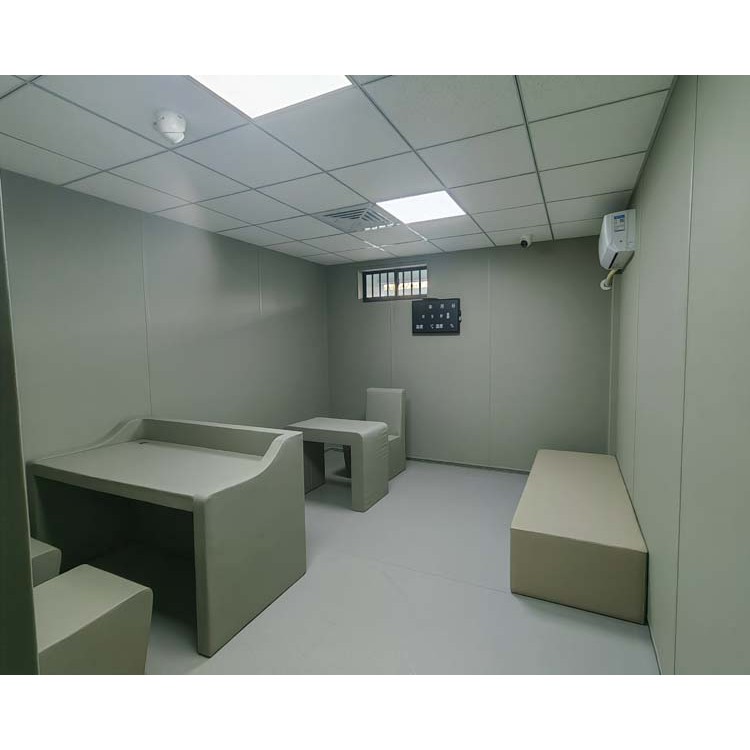
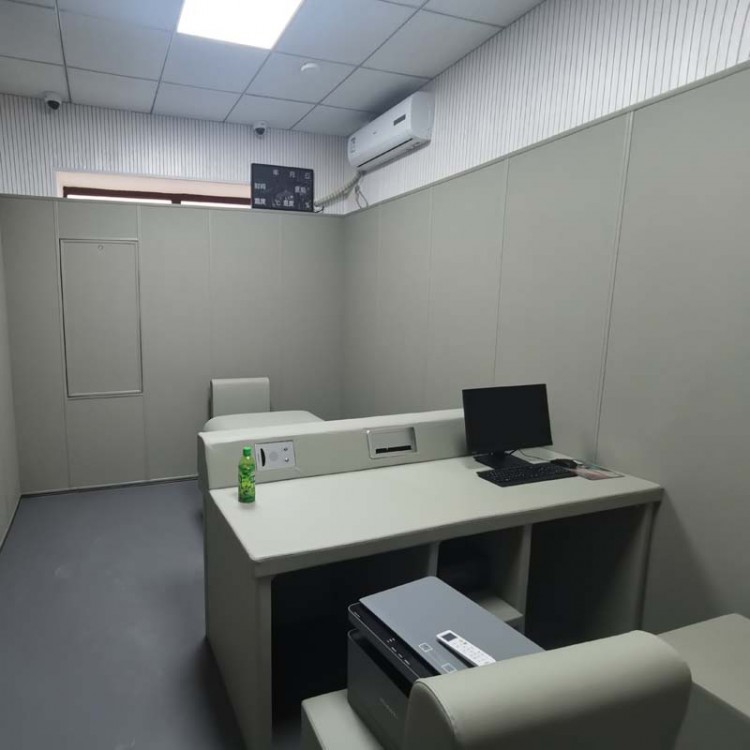
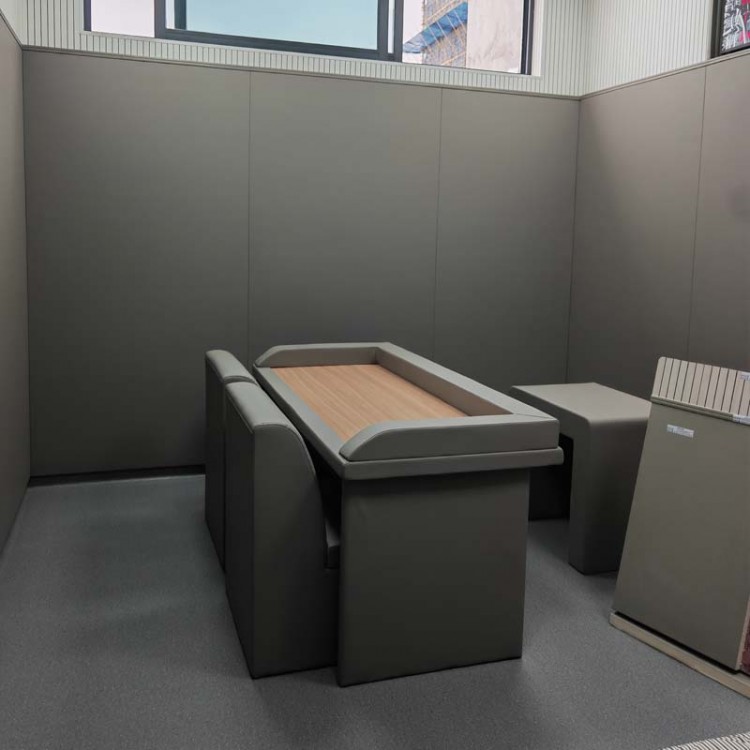
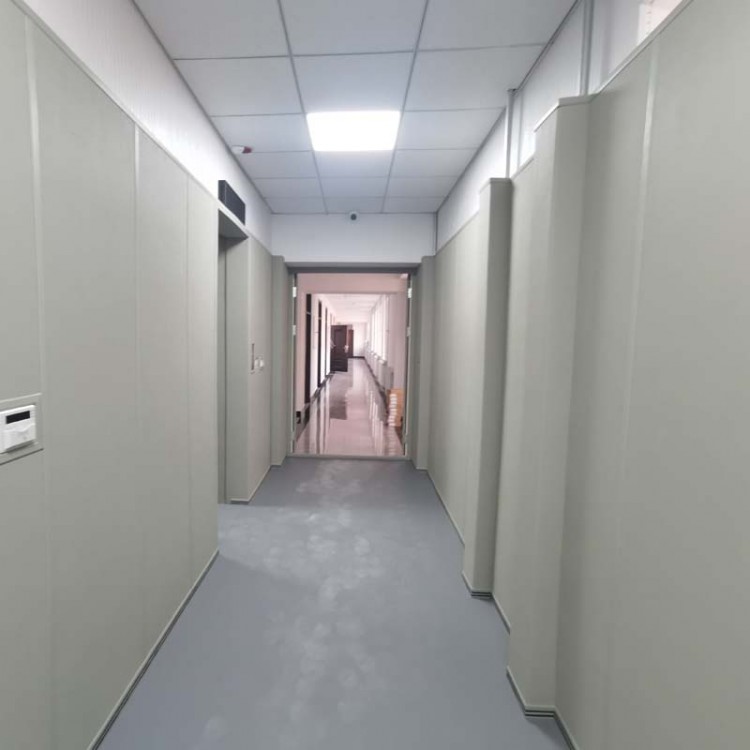
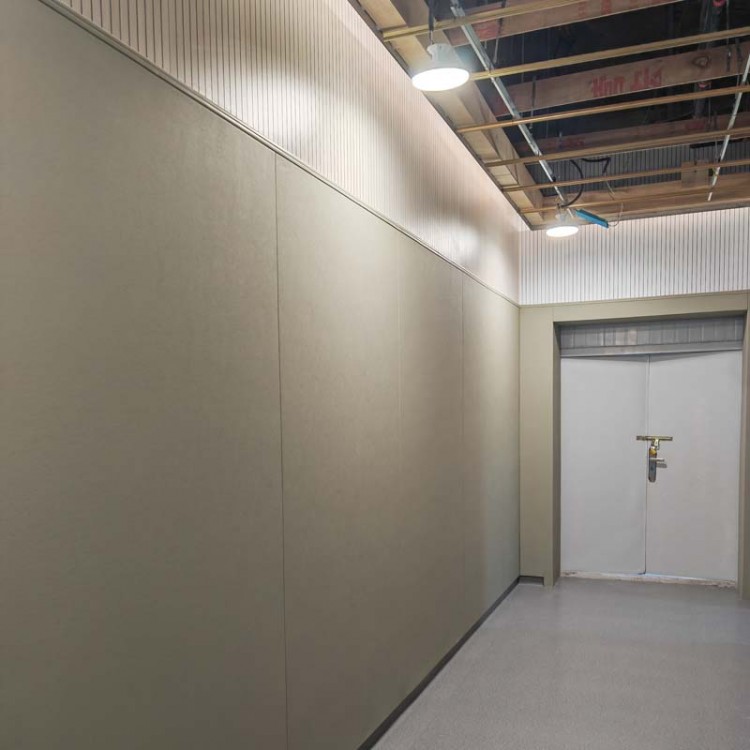
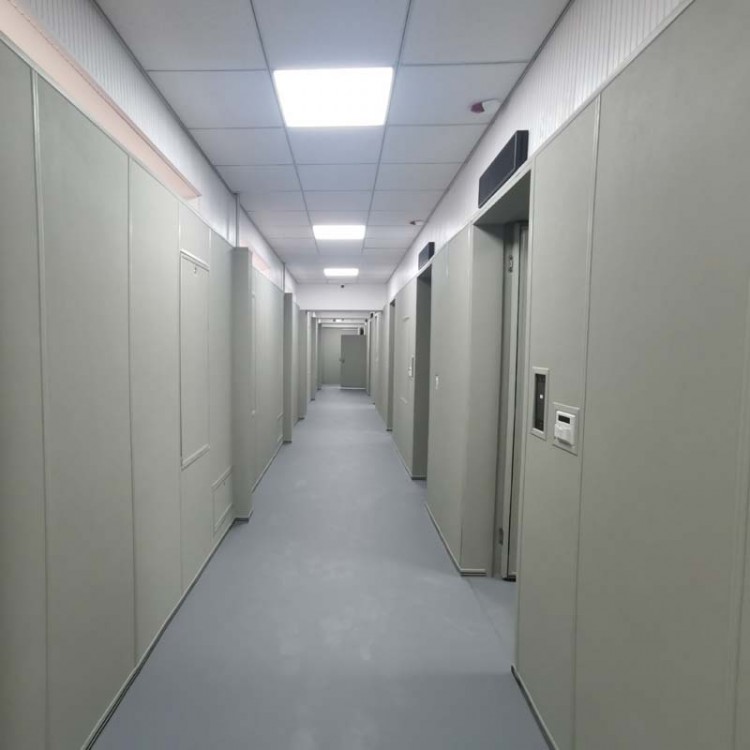
An Interrogation Room Flame Retardant Soft Package is a specialized soft decorative material designed for interrogation rooms and other law enforcement venues. Below is a detailed introduction to it:
I. Main Features
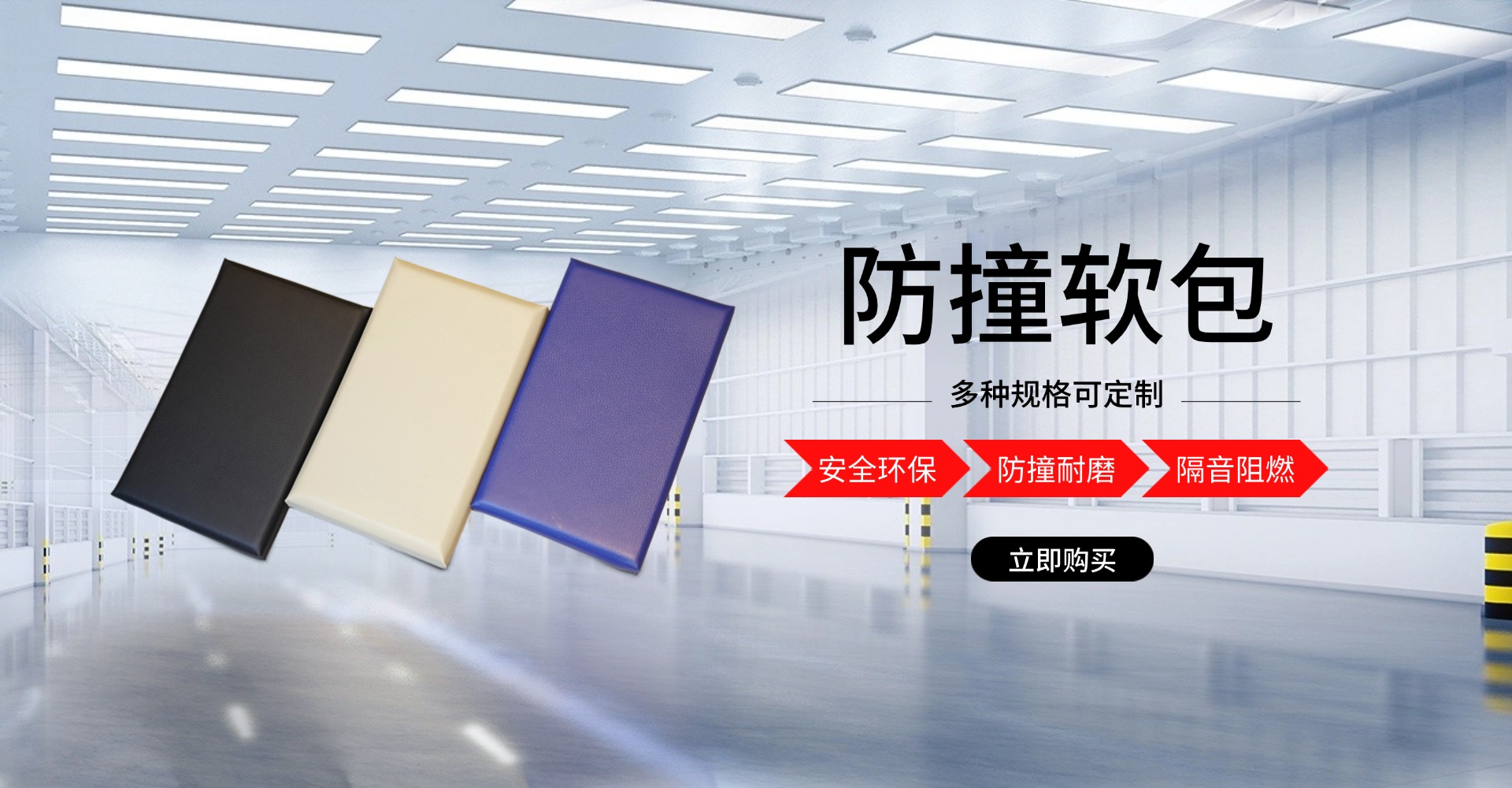
Flame Retardancy: The flame-retardant soft packaging is made from special fire-resistant materials, such as flame-retardant foam, flame-retardant nanocotton, and flame-retardant polyurethane foam. These materials possess excellent fire-resistant properties, effectively delaying the spread of fire, thereby providing time for evacuation and firefighting, and comply with national fire safety regulations.
Impact Resistance: Flame-retardant soft packaging materials are soft and elastic, capable of effectively absorbing impact forces upon external collision, reducing the damage to walls, furniture, and indoor personnel. This provides an enhanced safety environment for interrogation rooms.
Soundproofing and Noise Reduction: Flame-retardant soft packages also offer excellent soundproofing and noise absorption capabilities, effectively reducing noise generated during interrogation processes such as shouts or footsteps from suspects or defendants, providing a quieter and more focused environment for the interrogation.
Environmental Protection: Flame-retardant soft packaging materials generally meet environmental requirements, being non-toxic, odorless, and pollution-free, without posing any harm to human health.
Easy to Clean and Maintain: Flame-retardant soft packaging materials are easy to clean and maintain, allowing for convenient daily cleaning and disinfection, ensuring the interview room remains tidy and hygienic.
Section II: Application Fields
Flame-retardant soft packages for interrogation rooms are widely used in public security, procuratorial, and judicial systems, as well as in related departments, in interrogation rooms, detention rooms, and questioning rooms, etc., providing robust security and practical functions for law enforcement operations.
III. Material Composition and Production Process
Material Composition: Flame-retardant soft packaging is composed of a base layer, a flame-retardant layer, and a decorative layer. The base layer is typically made of dense board, gypsum board, and other rigid materials for support and fixation; the flame-retardant layer uses materials like flame-retardant sponge and flame-retardant nanofiber for fire and impact resistance; the decorative layer is made of leather, fabric, and other materials to enhance aesthetics and durability.
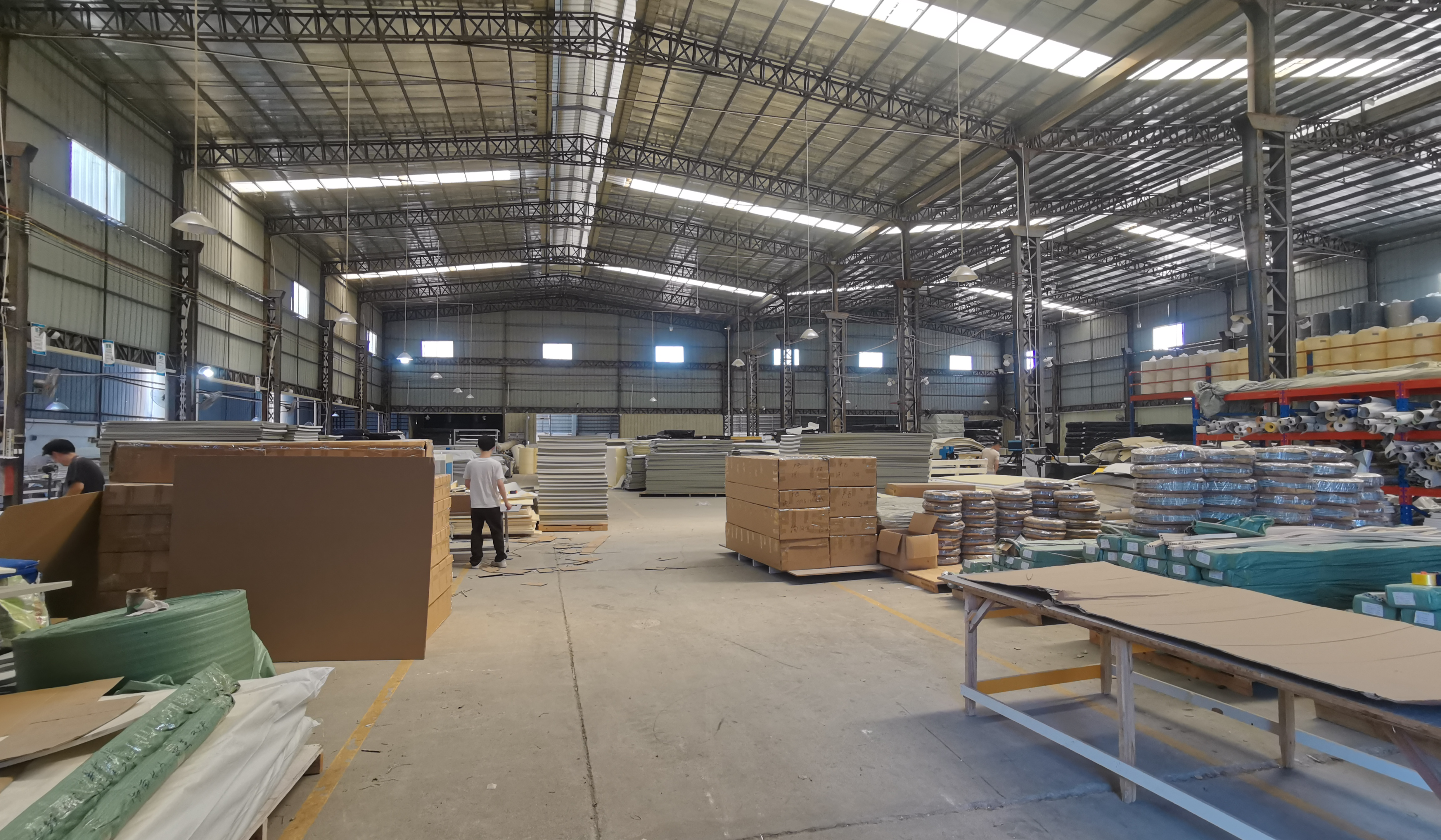
Production Process: The production process for flame-retardant soft packaging primarily includes steps such as material preparation, cutting, sewing, adhesive application, and assembly. Strict control over material quality and process parameters is essential during production to ensure product performance and quality.
Section 4: Installation and Maintenance
Installation: The installation of flame-retardant soft packages is typically done by adhesive bonding or hanging. During installation, attention should be given to the wall's flatness and cleanliness to ensure the soft package adheres closely to the wall and achieves optimal fire and impact resistance.
Maintenance: The maintenance of flame-retardant soft packaging is relatively simple, just wipe the surface with a damp cloth regularly. During cleaning, avoid using corrosive cleaners such as strong acids or alkalis to prevent damage to the surface of the packaging.
V. Cautionary Notes
When selecting flame-retardant soft packaging, pay attention to its fire rating, impact resistance, sound insulation, and environmental performance to ensure the product meets actual requirements.
During installation and use, adhere to relevant safety regulations and operational procedures to ensure the safety of personnel and equipment.
Regularly inspect and maintain flame-retardant soft packages to promptly identify and address potential safety hazards.
In summary, flame-retardant soft packages for interrogation rooms possess various excellent characteristics and play a significant role in law enforcement facilities. Attention should be given to relevant details and precautions during selection, installation, and maintenance to ensure the product's performance and quality.