




详情描述
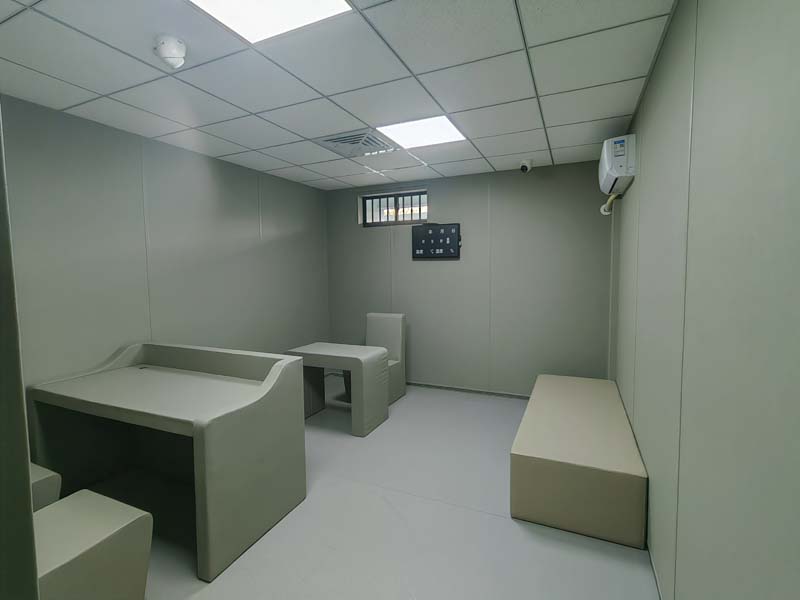
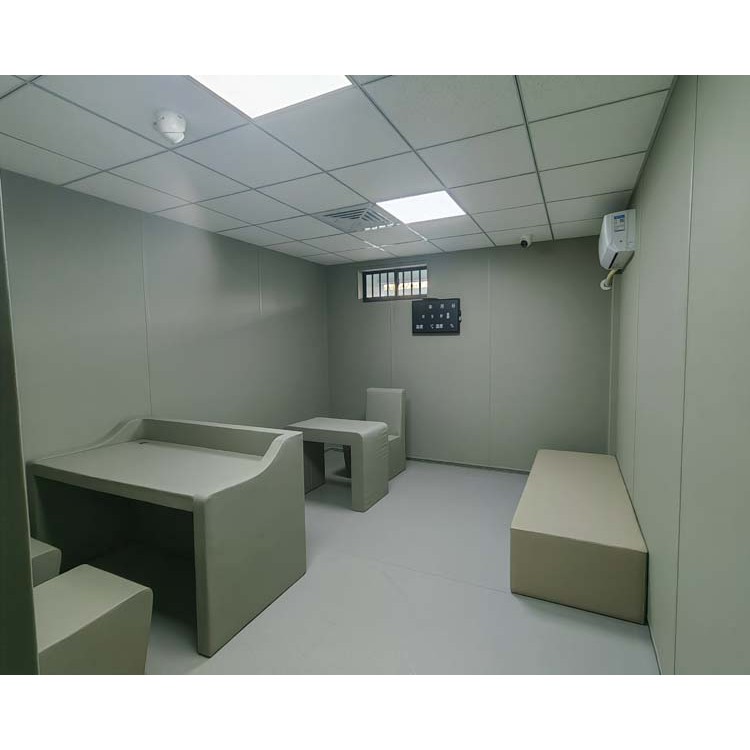
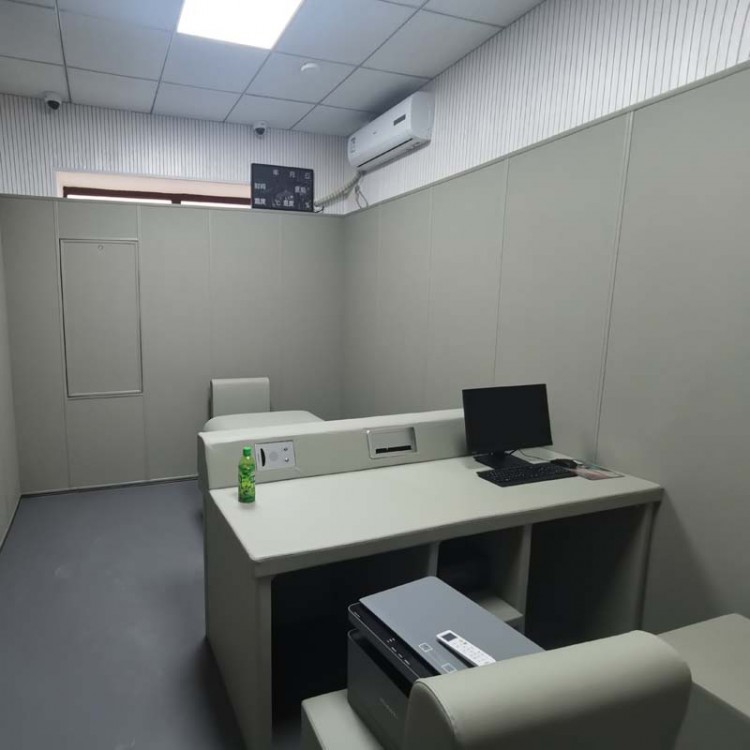
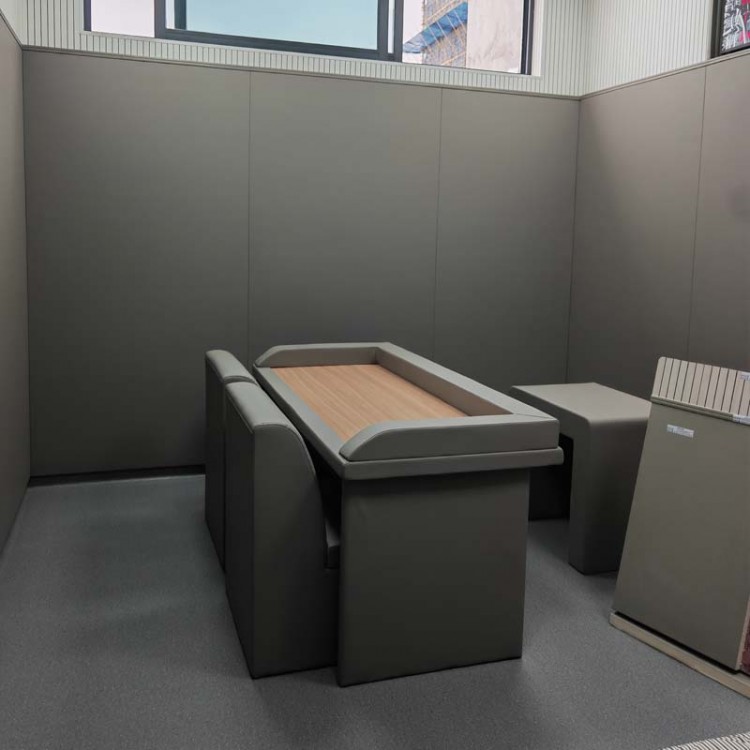
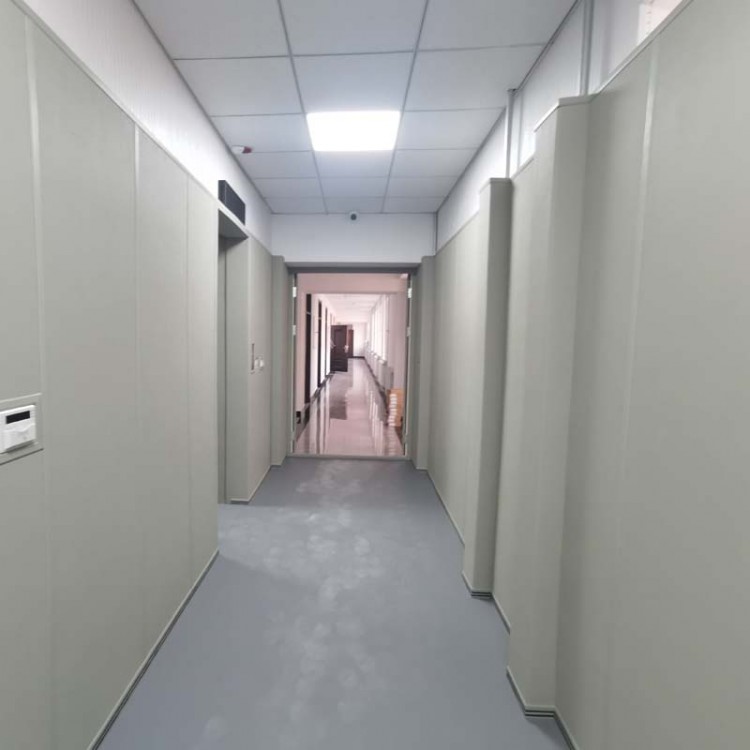
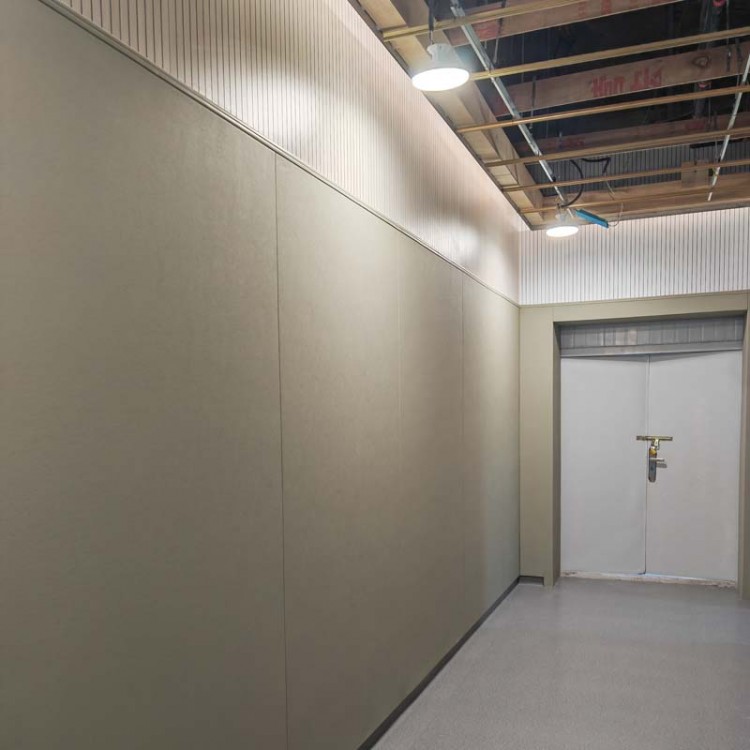
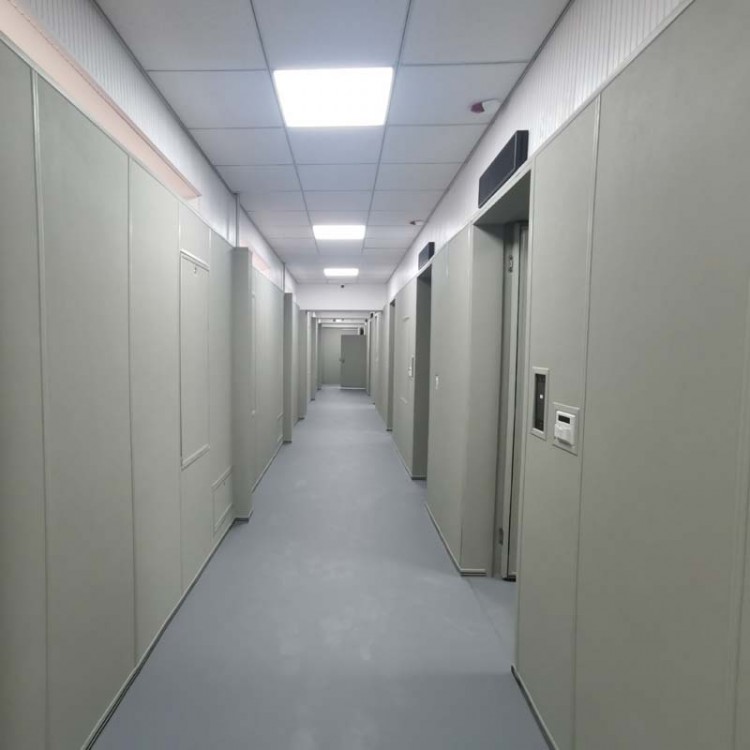
A collision-proof soft package for holding rooms is a specially designed wall decoration material to enhance the safety and comfort of holding rooms. Below is a detailed introduction to the collision-proof soft package for holding room walls:
I. Main Functions and Features
Impact Resistance Performance:
The anti-collision soft packages on the holding room walls are made from high-density, high-elastic materials such as high-density foam, nanocotton soft packages (polyethylene cotton), polyurethane foam, etc. These materials offer excellent shock absorption and buffering properties, effectively reducing the injury to personnel and facilities caused by collisions.
Professional installation techniques ensure proper gap treatment between the soft package and the wall, preventing potential safety hazards.
Flame Retardant Properties:
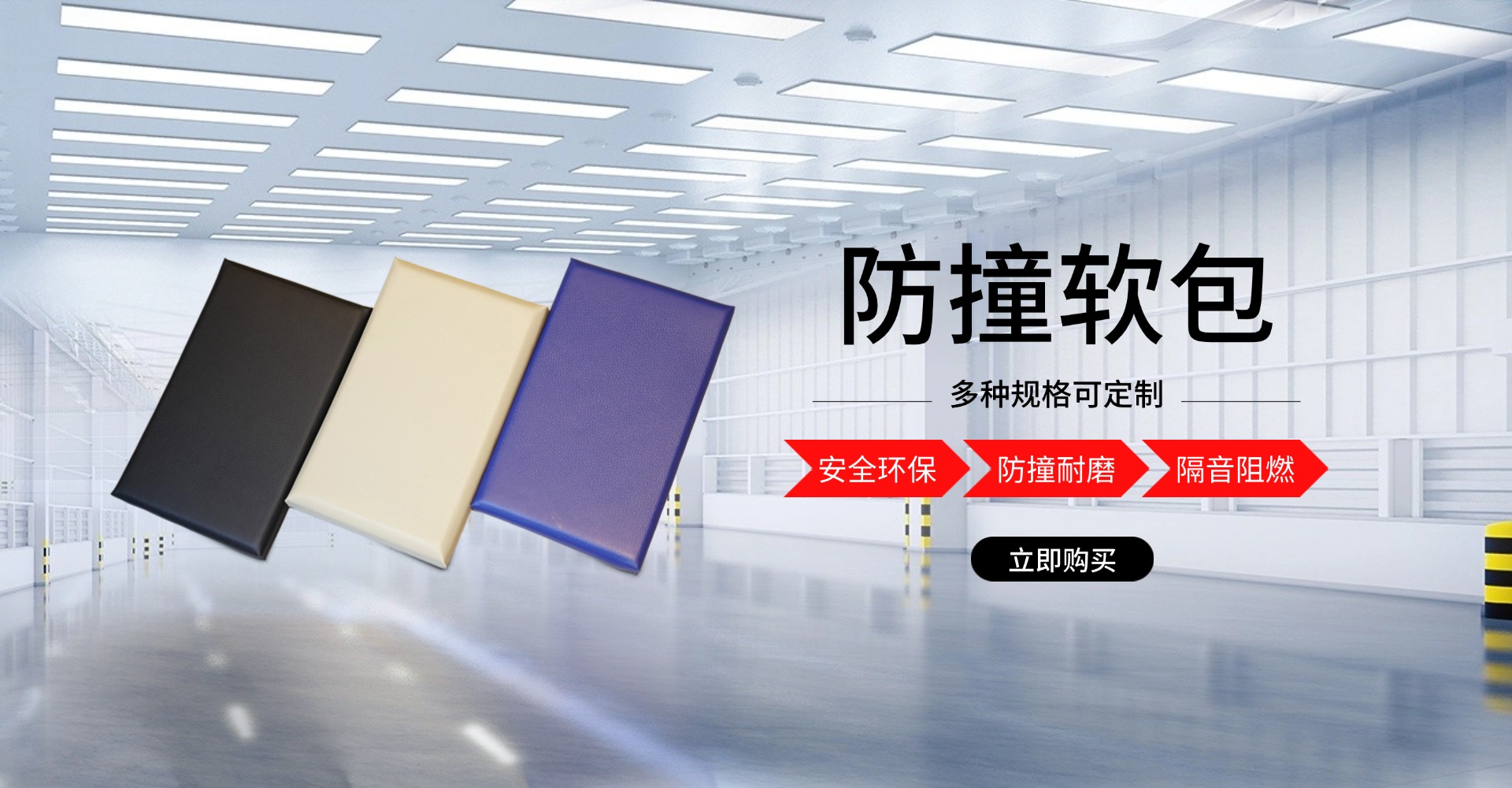
The impact-resistant soft packaging materials for walls should possess excellent fire-resistant properties, comply with national fire safety standards, and achieve a fire resistance level of B1 or higher to cope with emergencies such as fires.
The use of flame-retardant materials can effectively reduce fire risks and protect personnel safety.
Environmental Performance:
The anti-collision soft package materials for walls should be non-toxic and harmless, odorless, comply with national environmental protection standards, and ensure the health of law enforcement personnel and detained individuals.
The use of eco-friendly materials helps reduce indoor air pollution and improve the quality of indoor air.
Easiness of Cleaning
The surface of the collision-proof soft package material for walls should be easy to clean, allowing for convenient use of a vacuum cleaner or damp cloth to maintain cleanliness and hygiene.
Ease of cleaning helps reduce bacterial growth, maintaining a hygienic environment in the holding room.
Aesthetics and comfort:
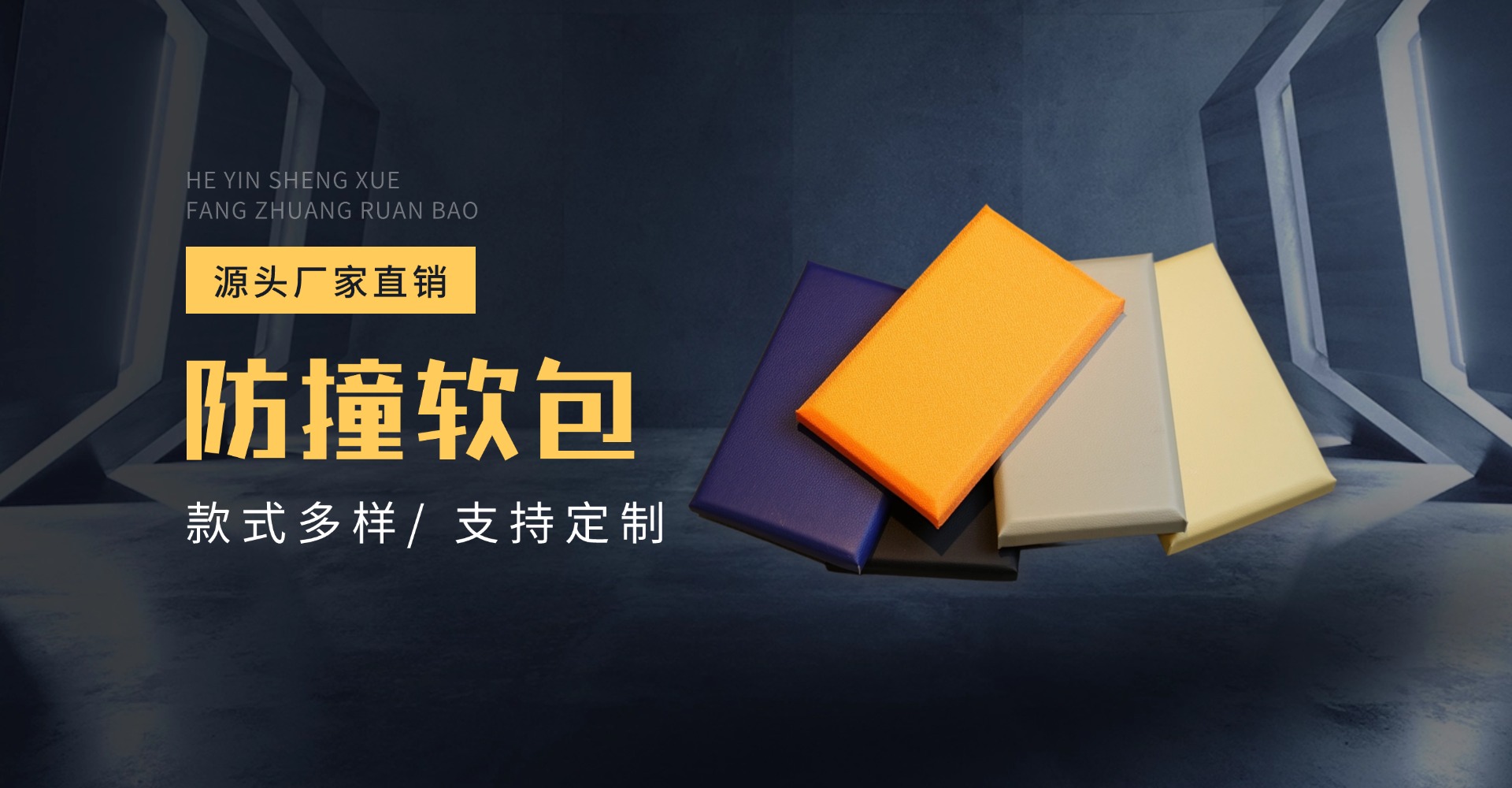
Wall-mounted collision-proof soft packages can be customized to suit your needs, offering a variety of colors, patterns, and materials to cater to different aesthetic preferences.
Soft texture enhances indoor comfort and alleviates the tension and anxiety of those left behind.
II. Material Selection
Core Material:
High-Density Foam: Offers excellent shock absorption and soundproofing properties, effectively reducing impact force during collisions, protecting walls and personnel safety.
Nano Cotton Soft Package (Polyethylene Cotton): Offers excellent shock absorption and cushioning properties, along with excellent environmental protection features.
Outer Material:
Flame-retardant, waterproof, and wear-resistant PVC material: This material effectively prevents moisture penetration, extends the service life of collision-proof soft packaging, and meets safety requirements such as fire resistance and waterproofing.
Leather or fabric: Soft surface, comfortable texture, easy to clean and maintain.
III. Installation Precautions
Wall Treatment:
Before installation, the wall must be cleaned to ensure it is free of oil stains, dust, and debris.
Check wall flatness; repairs are required for any uneven areas.
Measurement and Planning:
Measure the wall height, width, and dimensions of the areas where anti-collision soft packages need to be installed using a tape measure and a level.
Based on the wall dimensions and specifications of the soft package material, plan the layout and quantity of the soft package to ensure it fully covers the protected area.
Installation Process:
Install underlayment on the wall to ensure it is flat and secure.
Affix sub-base boards (such as woodworker boards, flame-retardant boards) to the studs using screws or nail guns for securing.
Cut collision-proof soft packaging materials according to wall dimensions and pre-planned layout, ensuring accurate sizing and shape fitting.
Apply glue evenly to the back of the trimmed soft packaging material, then paste it onto the baseboard and press firmly to ensure a secure bond without any bubbles.
For the soft packaging's edge sections, reinforce and protect them with edge strips or metal guard strips.
Detail Handling:
Edge-radiusing the soft packaging materials to minimize the risk of scratches or cuts during collisions.
Pay attention to the gap treatment between the soft packaging and the wall, ensuring there are no gaps or peeling.
Four, Post-Maintenance
Regular inspections:
Regularly inspect the collision-avoidance soft packs to ensure stable performance and no signs of damage.
If any damage or deformation is found on the surface of the soft packaging, it should be repaired or replaced promptly.
Cleaning and Maintenance:
Gently wipe away stains on the soft package surface with a damp cloth, avoiding the use of overly harsh cleaning agents or tools that may damage the material.
Maintain good indoor ventilation to prevent materials from getting damp or deforming.
In summary, collision-resistant soft packages on the holding room walls play a vital role in enhancing both safety and comfort. By selecting materials wisely, scientifically planning and installing, and conducting regular maintenance, the effectiveness and durability of the collision-resistant packages can be ensured.