
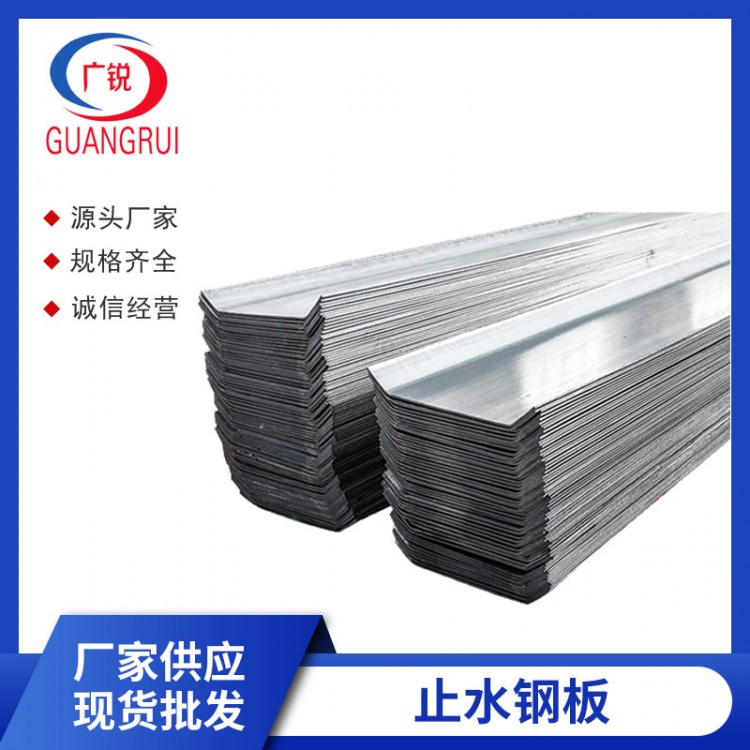
 400x2.75 specifications waterstop steel plate, Q235 material stainless steel plate suppliers supply
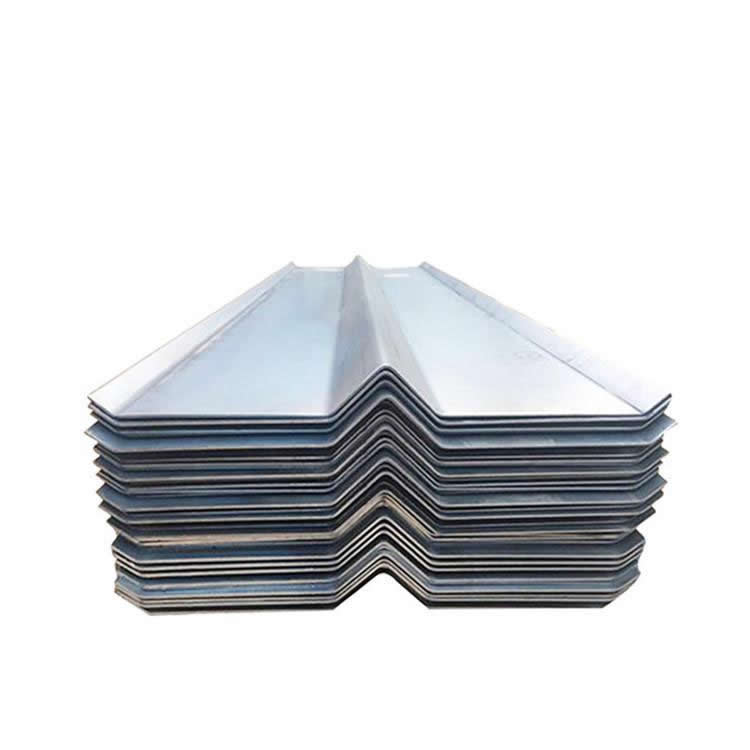 Waterstop Steel Plate Production, Construction of Post-Cast Steel Plate Waterstop, Building Site Application, Construction Joint Waterstop Plates
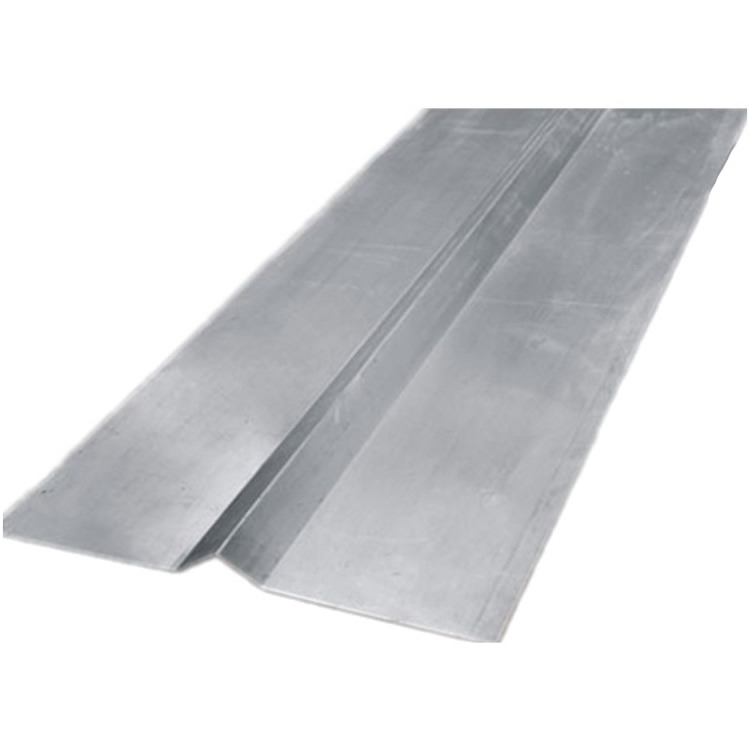 Waterstop Steel Plate, Building Waterstop Materials, Hot-Dipped Galvanized Stainless Steel Plate, Various Sizes in Stock
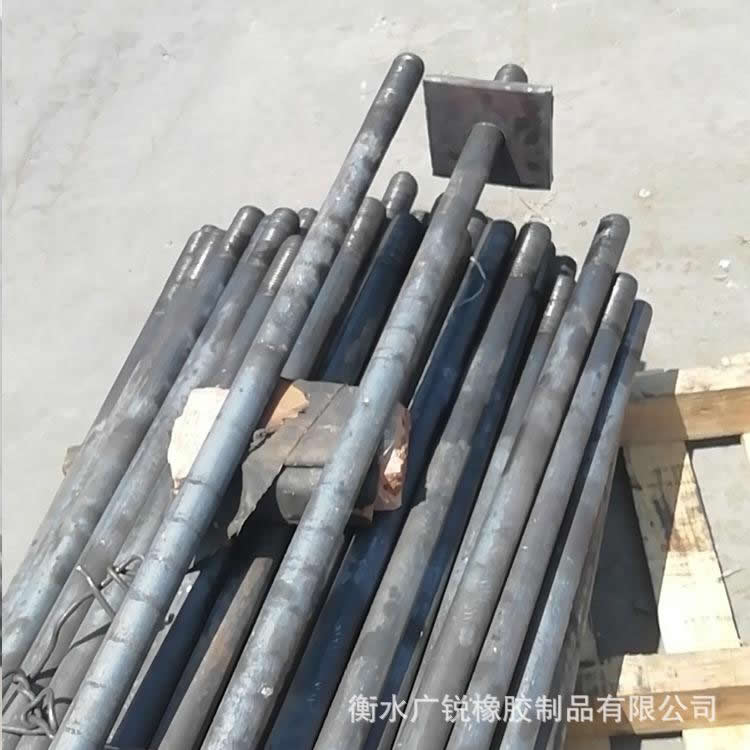
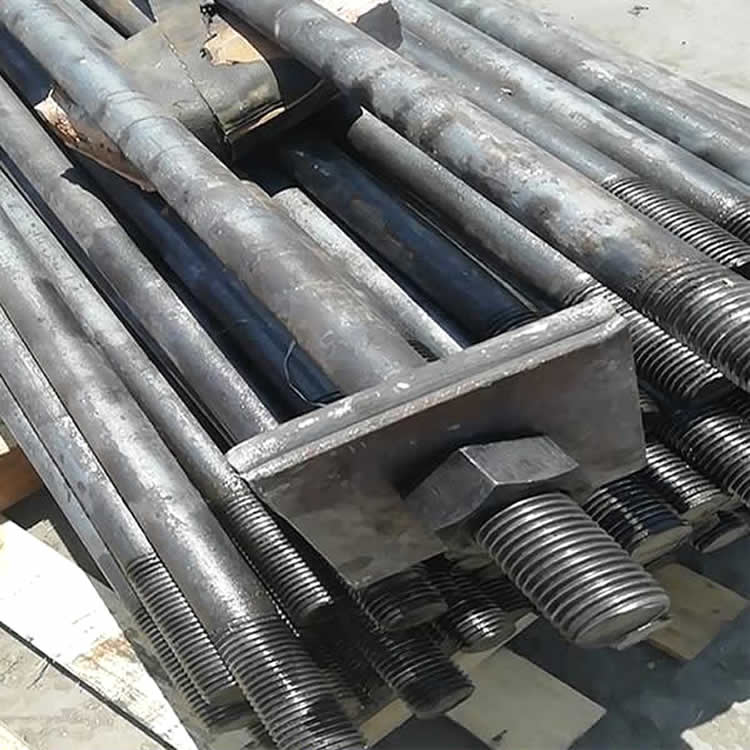
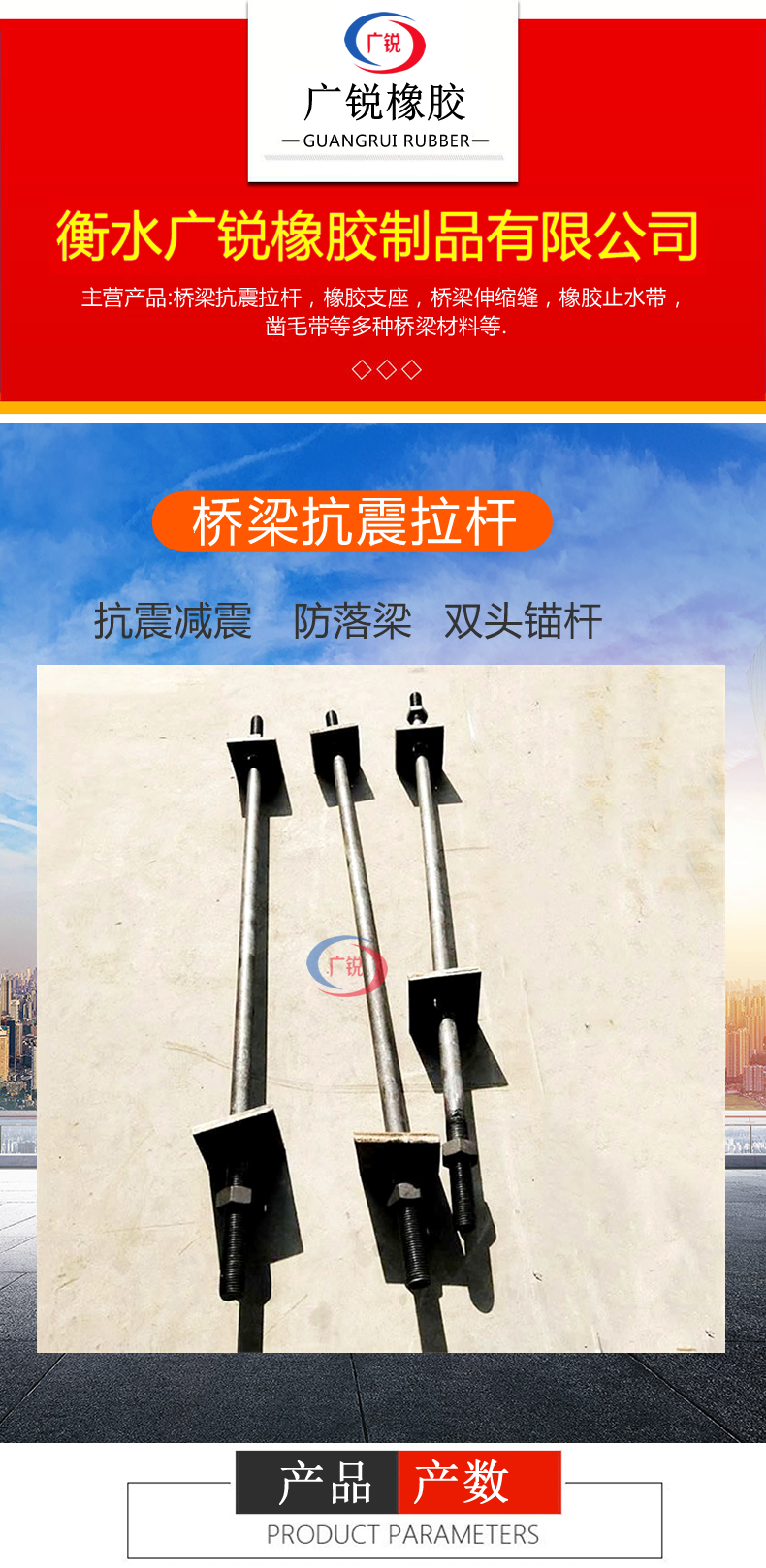
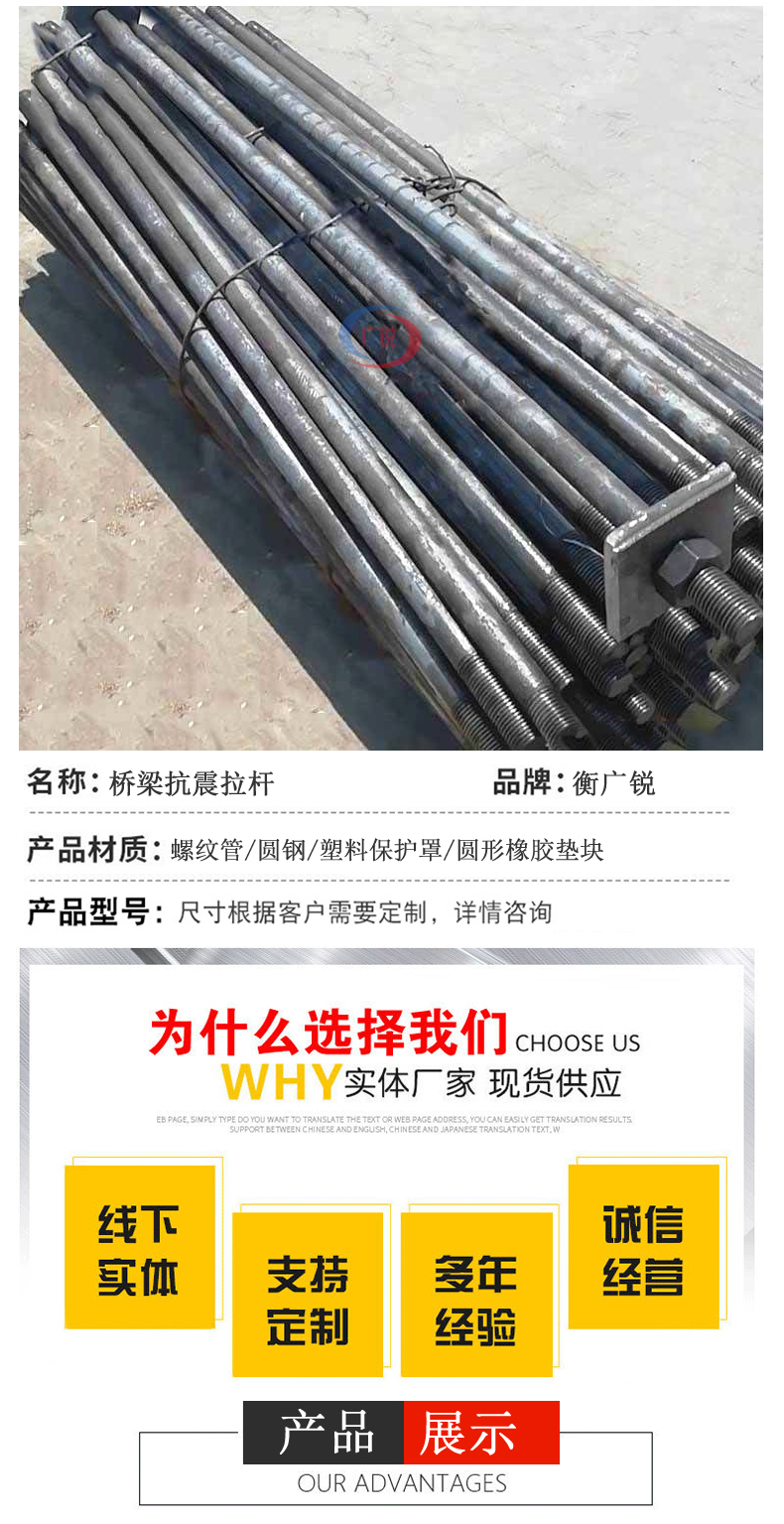
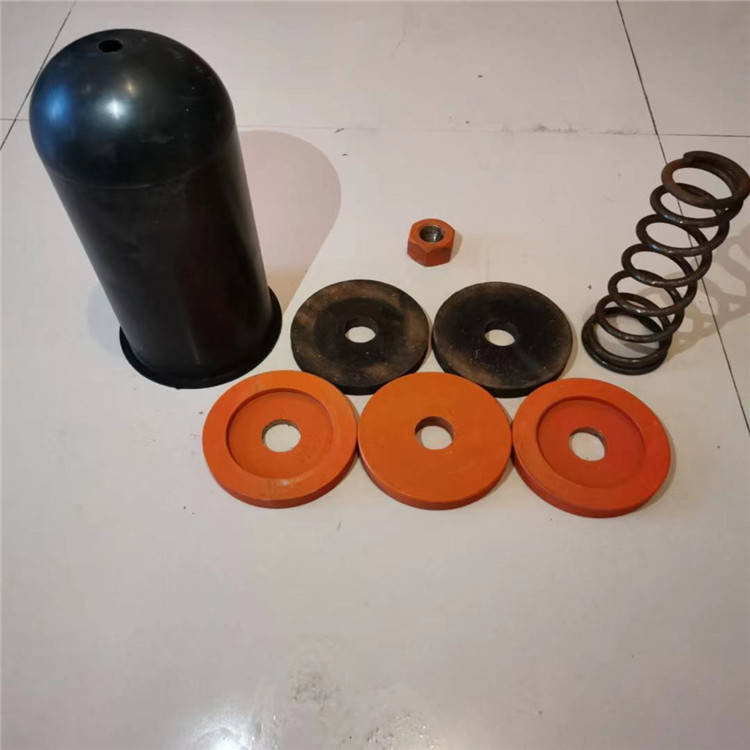 32mm Diameter Threaded Steel抗震Tie Rod for Bridge抗震Tie Rod, Double-Ended Bolt Manufacturer
Product Details

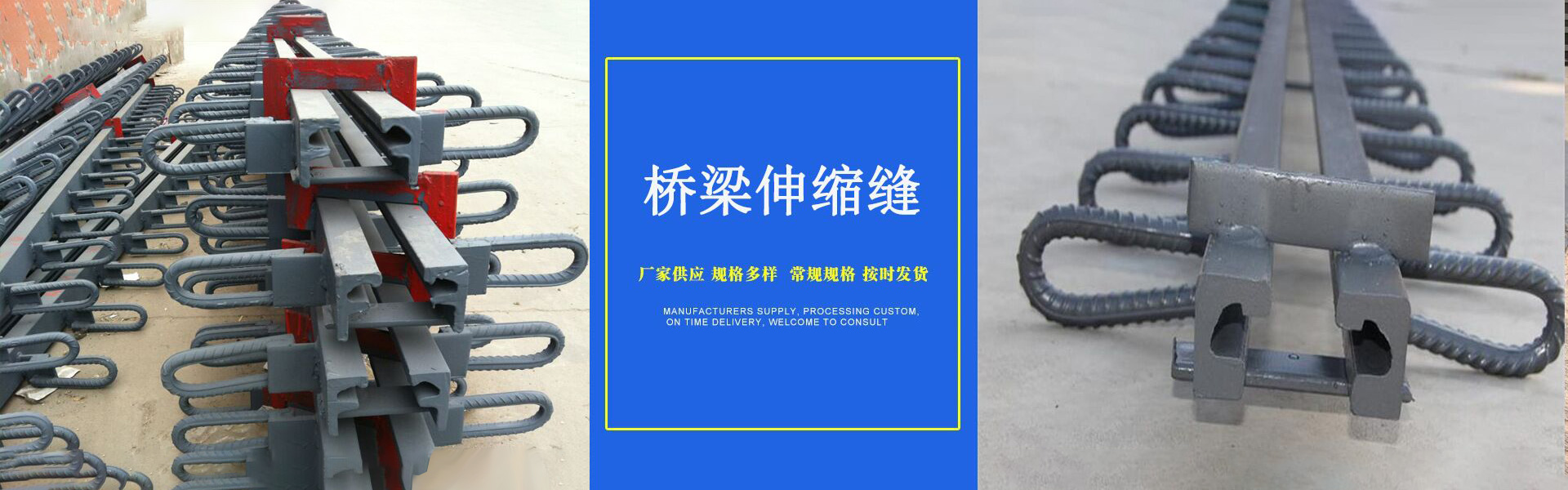
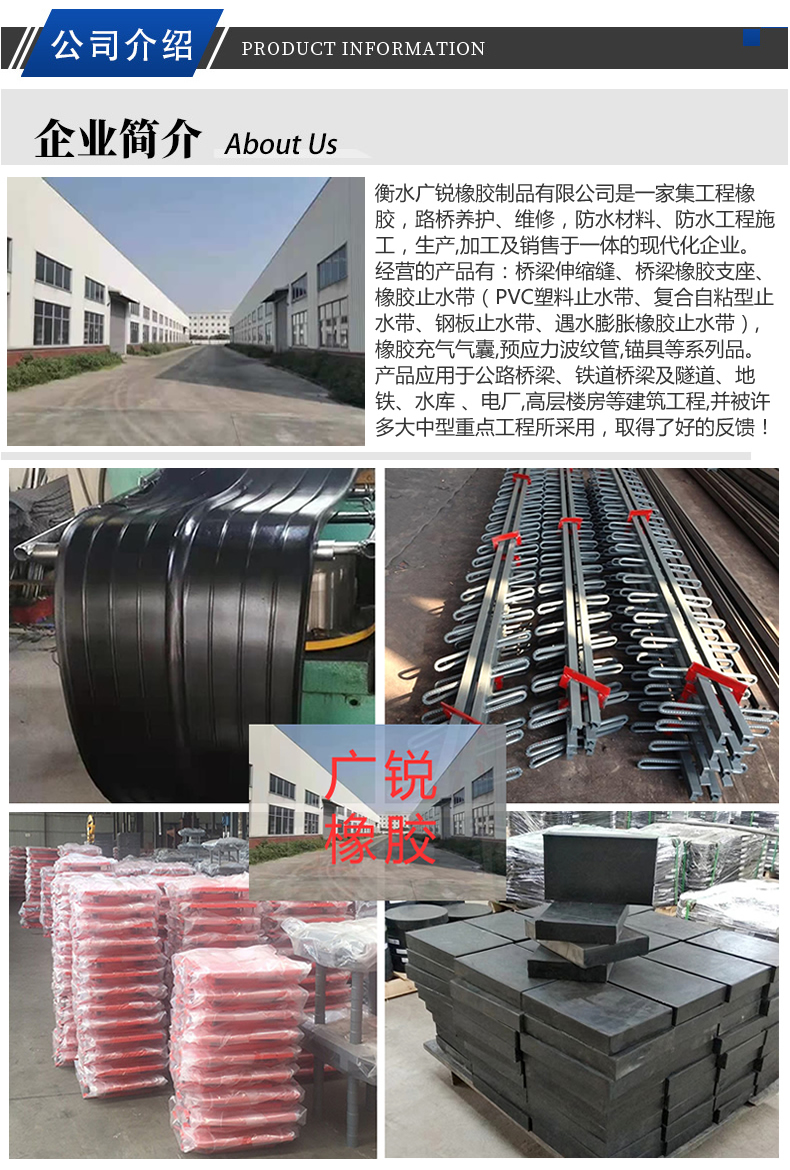
Manufactures rubber waterstop, rubber bearing, expansion joints
产品Price 90.00/Piece
最小起订Quantity:1 Piece 供货总Quantity: 1000 Piece


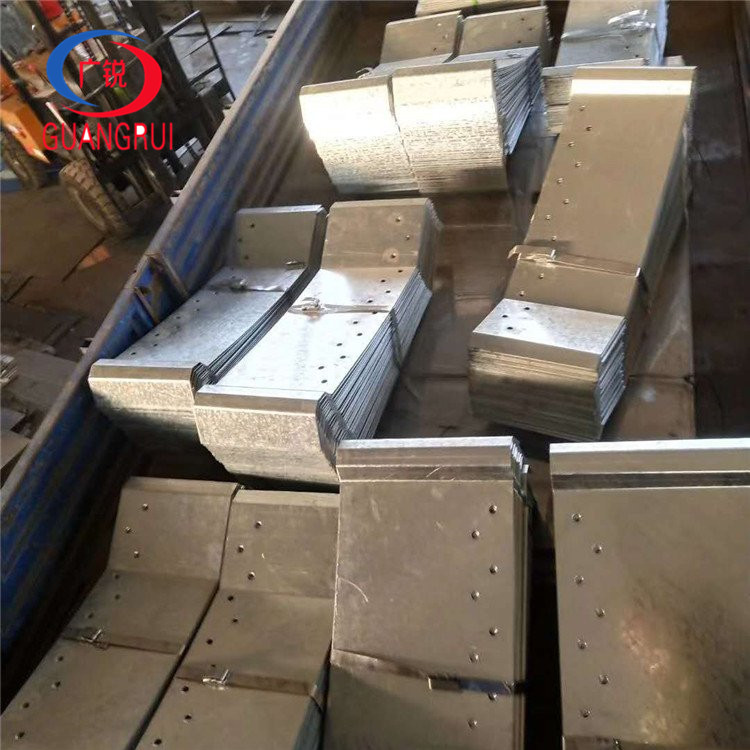 Bridge Waterstop Steel Plate, Stainless Steel Waterstop Steel Plate, Guangyue Pre-buried Hot-Dip Galvanized Waterproof Customizable
¥95.80
Bridge Waterstop Steel Plate, Stainless Steel Waterstop Steel Plate, Guangyue Pre-buried Hot-Dip Galvanized Waterproof Customizable
¥95.80
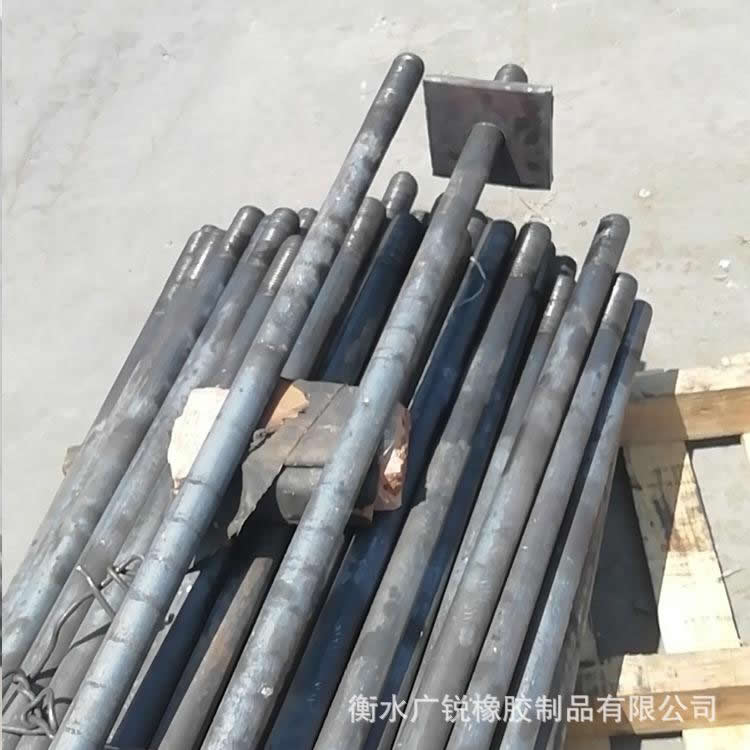 Seismic抗震Tie Rods, Seismic Reduction Tie Rods, Longitudinal Anti-Fall Bridge Tie Rods, Customizable Double-Head Round Steel Anchor Rods
¥90.00
Bridge抗震Pull Rod,抗震Pull Rod, GuangYue 40mm Round Steel Double-Head Anchor Rod Damping Pull Rod
¥90.00
Seismic抗震Tie Rods, Seismic Reduction Tie Rods, Longitudinal Anti-Fall Bridge Tie Rods, Customizable Double-Head Round Steel Anchor Rods
¥90.00
Bridge抗震Pull Rod,抗震Pull Rod, GuangYue 40mm Round Steel Double-Head Anchor Rod Damping Pull Rod
¥90.00
Material |
|
Diameter |
40mm Round Steel |
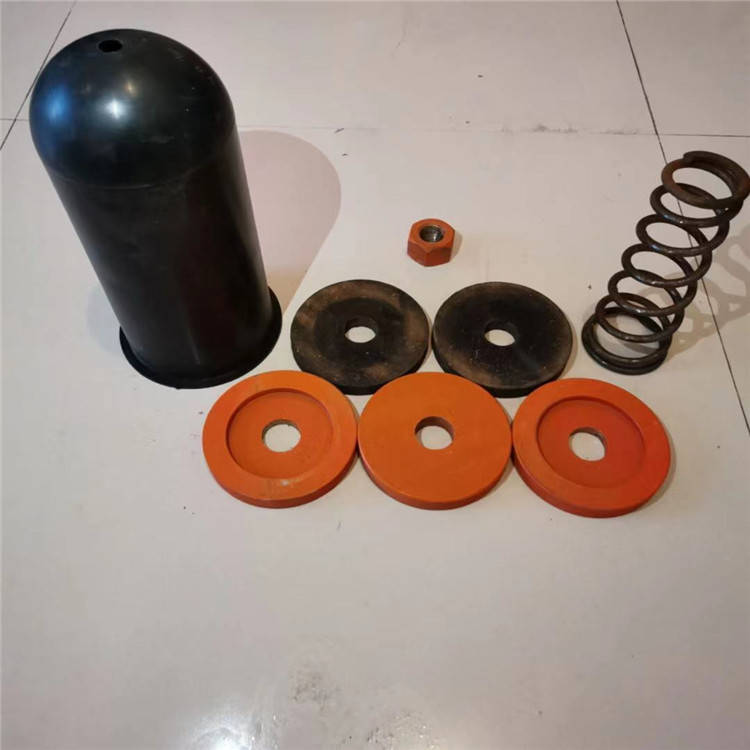
Accessories |
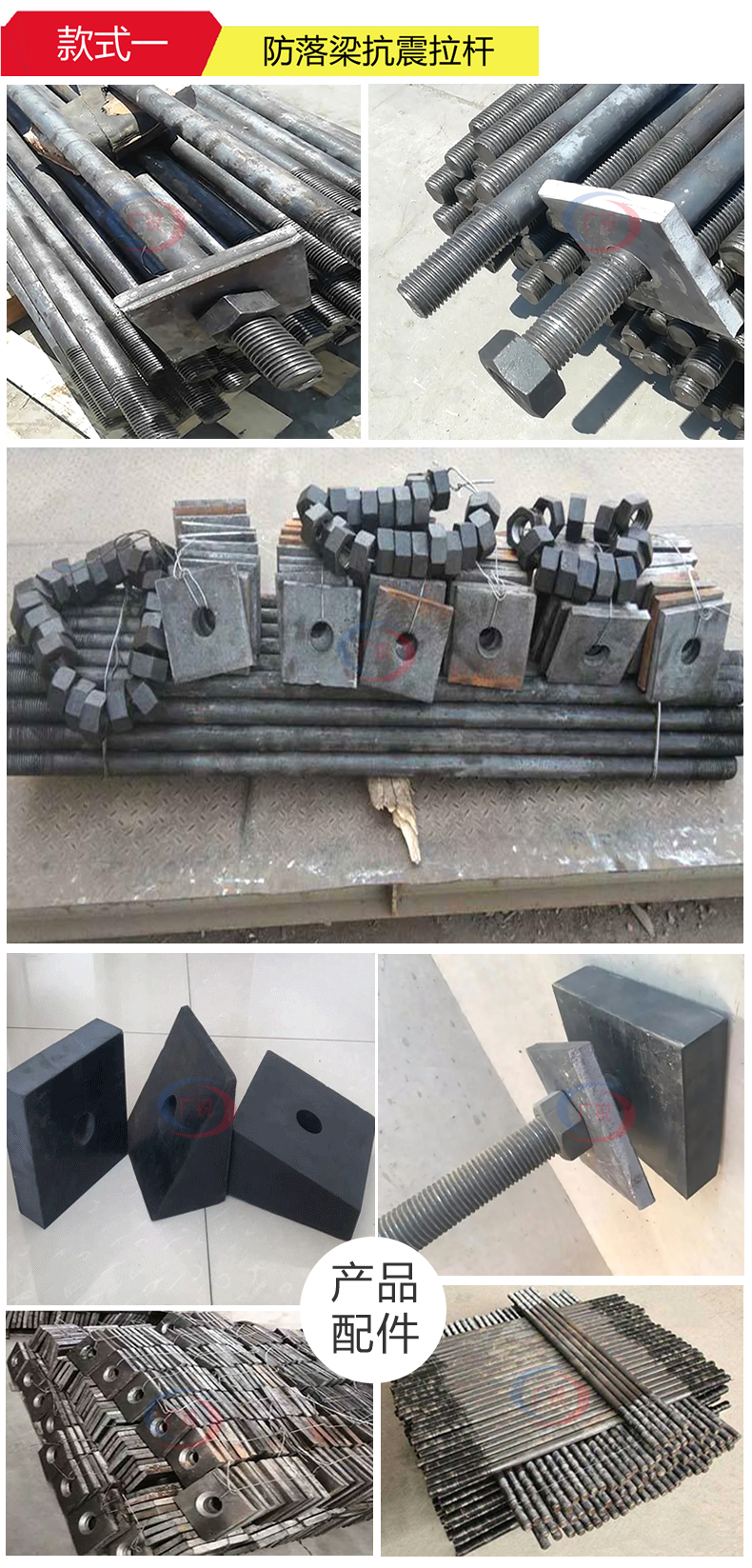
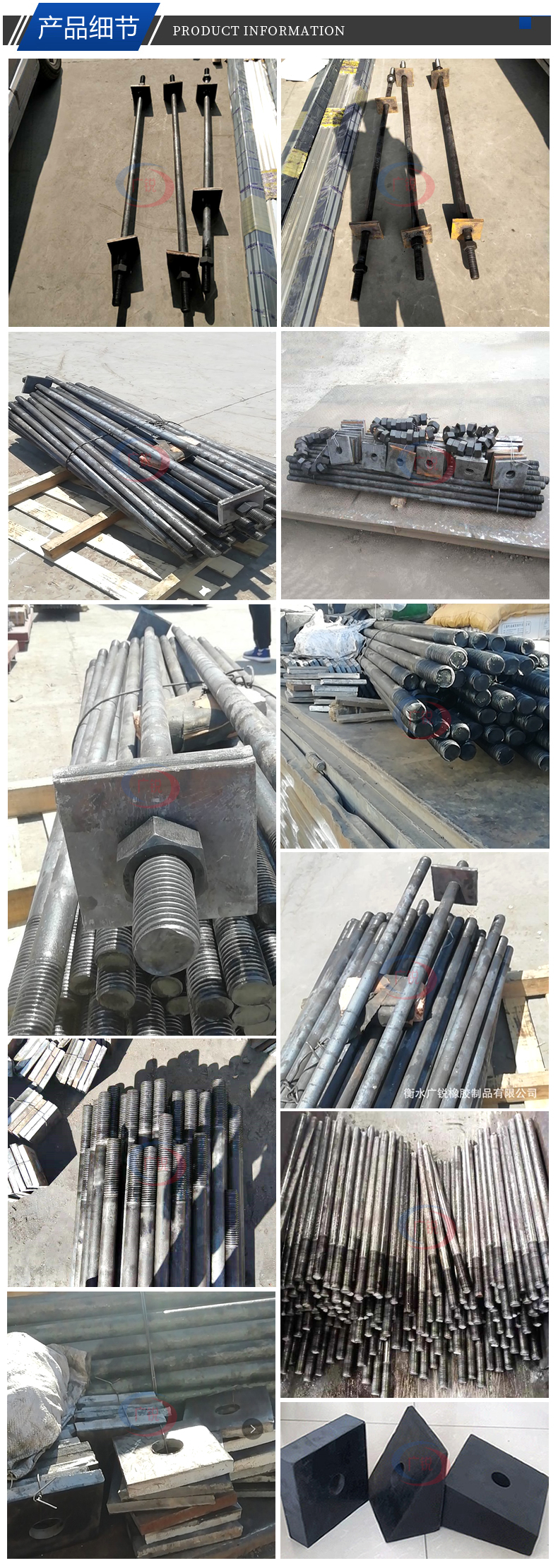
Steel Shims, Rubber Grommets, Nuts |
Bridge seismic tension rod, featuring various anti-seismic measures including chain fall prevention, longitudinal tension rod, damper, rubber gasket, seismic stopper, and bearing support. Bridge seismic tensile rod construction process During the construction of seismic tie rod retaining walls, the masonry work and subgrade filling compaction should be carried out simultaneously. When the ground level reaches 50cm above the metal corrugated pipe, compact first, then excavate the trench, bury the pipe, and finally refill. After the corrugated pipe is installed, proceed sequentially with the steps of inserting anchor bolts, grouting, adding steel pads, tightening nuts, and sealing the anchors. Construction Precautions for Seismic Bridge Tie Rods 1. Prior to construction, ensure proper ground drainage. The foundation pit should not be excavated in its entirety. Use the method of alternately excavating and promptly segmentally masonry, and strengthen drainage measures and relevant contingency plans. Additionally, consider reinforcing temporary support during the construction period as needed. 2. Backfill for the retaining wall and the toe should be filled strictly within the designed scope. The backfill should use crushed stone or granular sandstone materials depending on the location. When there is a significant gap between the back of the wall and the ground level, fill with slab stones as per the requirements for a stone subgrade. For toe backfill, use rubble or cobblestone, ensuring the particle size is not susceptible to being washed away by floods. 3. The construction of three-layer anchor rods should proceed from the bottom layer upwards. Installation and grouting of the anchor rods must be completed before constructing the upper layer of masonry and filling. Specifically, the grouting process should be carried out from the edges towards the center to ensure compactness at both ends. This integrates the anchor rods with the retaining wall, enhancing the overall stability of the tieback retaining wall.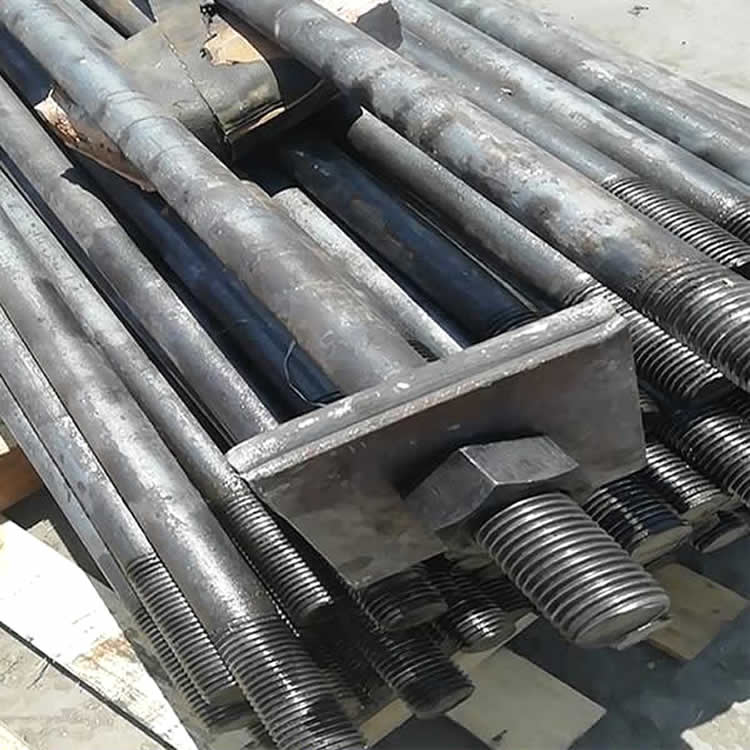


Phone Consultation