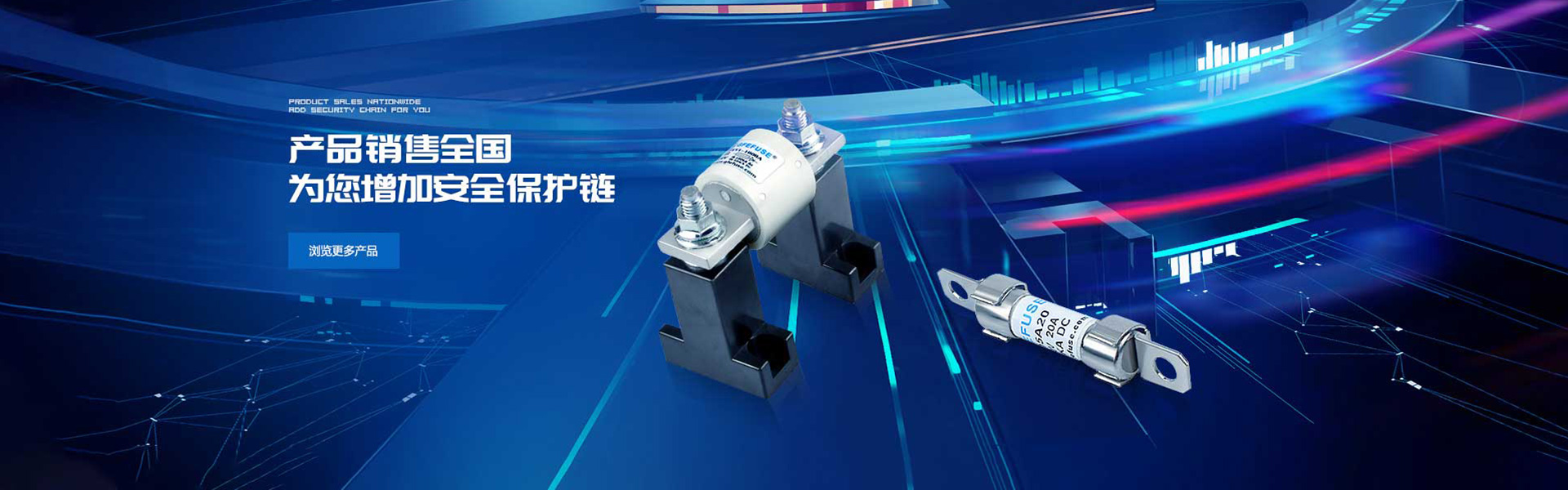
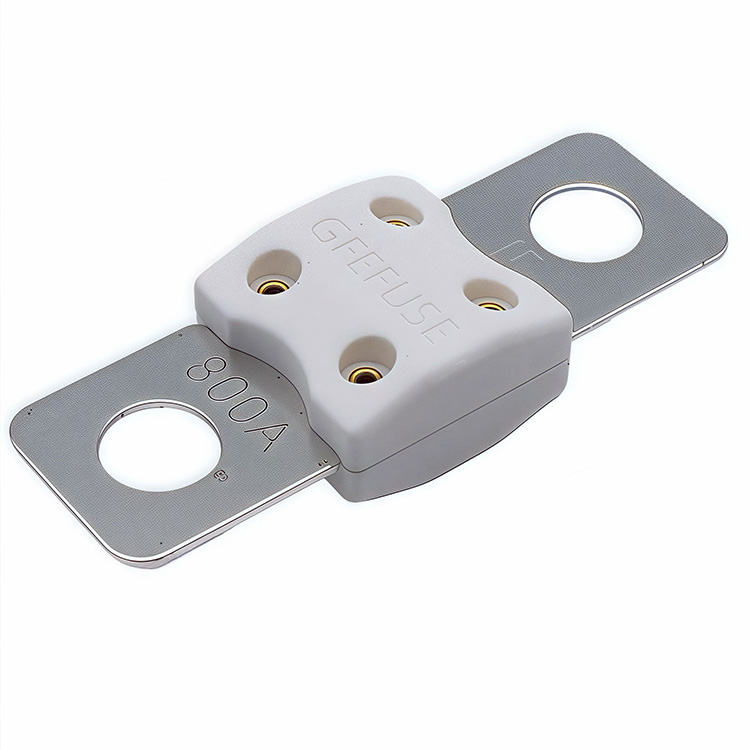
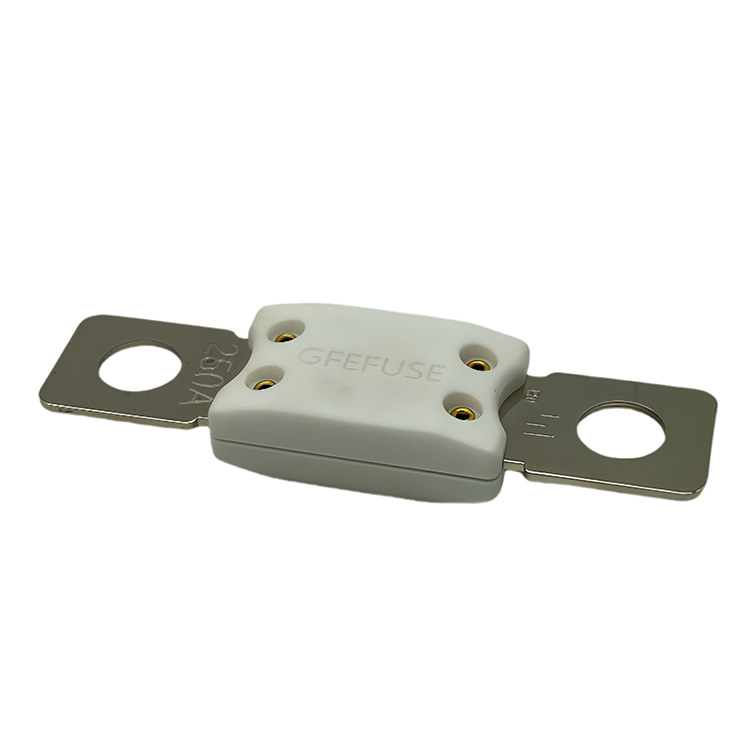
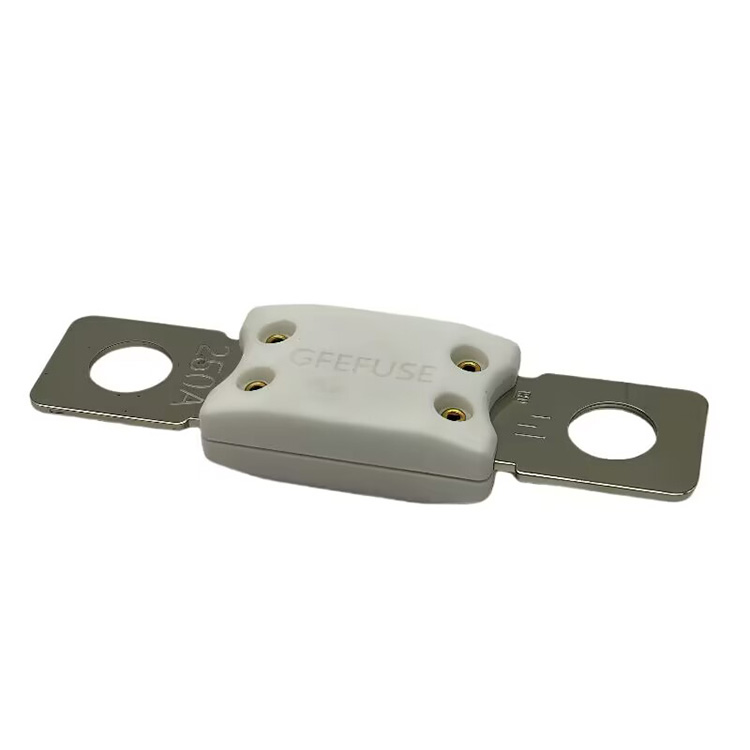
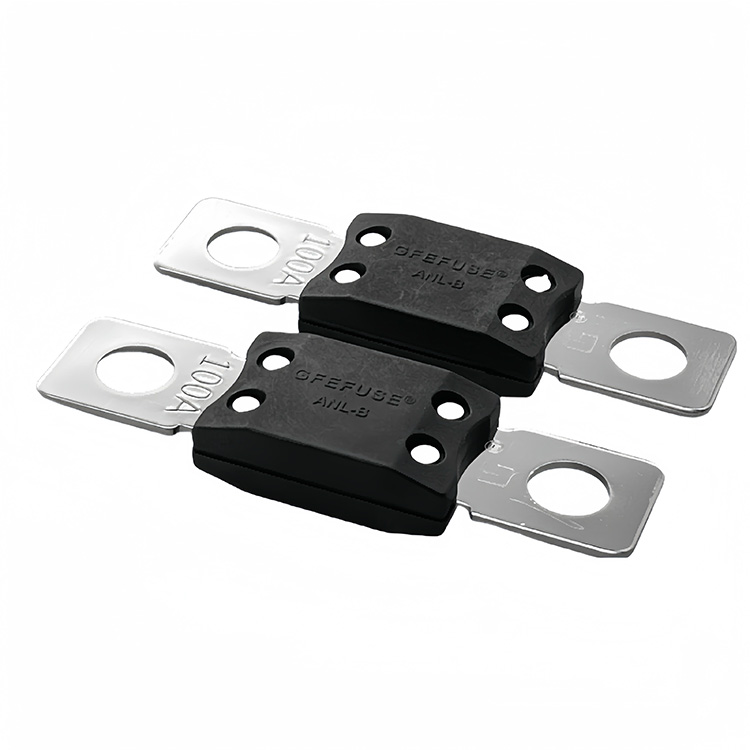
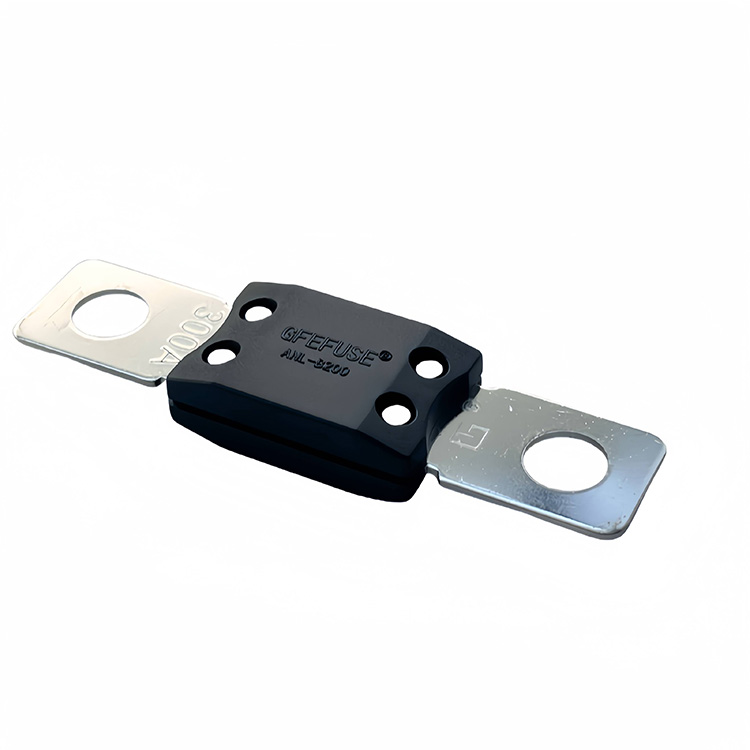
Automotive fuses, fuse links, current fuses, fuse holders!

Ceramic fuses and glass fuses are common types of fuses, and they share the following relationship:
Similarities:
1. Similar Functionality: Both serve as overcurrent protection in circuits, tripping when the current exceeds the rated value to safeguard the circuit and equipment.
2. Same working principle: Both are based on the thermal effect of current. When the current is too high, the generated heat causes the fuse to melt.
Distinctives:
Material Characteristics: Ceramic fuses are encased in ceramic material, offering superior heat resistance and mechanical strength, making them less prone to breakage. Glass fuses utilize a glass casing.
Relatively crisp.
2. Arc Quenching Performance: Ceramic fuses generally have superior arc-quenching performance compared to glass fuses, enabling better handling of high currents and voltages.
3. Application Scenarios: Ceramic fuses are commonly used in situations that require high levels of safety and stability, such as industrial equipment and automotive circuits. Glass fuses are often found in certain applications.
In general electronic devices and household appliances.
4. Price: Generally speaking, ceramic fuses are more expensive, while glass fuses are relatively cheaper.
In summary, although ceramic fuses and glass fuses differ in materials and performance, they are both designed to achieve circuit protection. In practical applications, one should consider...
Based on specific circuit requirements and usage environment to select


b2b.china9.net © Zhongshang 114 Hebei Network Technology Co., Ltd.Address: Room 6009, Oriental New World Center, No.118 East Zhongshan Road, Qiaoxi District, Shijiazhuang City, Hebei ProvincePlatform Service Hotline: 4006299930