






详情描述
Raw Material Preparation:
Select fresh tea leaves as raw materials and wash and screen them to ensure the quality of the raw materials. For other raw materials (such as fruits, sugar, etc.), corresponding processing and preparation are also required.

Tea processing:
Roasting: Place the tea leaves in a wok and roast at high temperatures to evaporate moisture from the leaves, while also activating the enzymes within the tea to enhance its aroma and flavor.

Grinding: After roasting, the tea leaves are ground to achieve a finer texture, facilitating subsequent extraction.
Extraction:
Grind the tea leaves and place them in the extraction tank. Add a sufficient amount of hot water, then let it soak and stir for a certain period to ensure the effective components of the tea are fully dissolved in the water. The extraction temperature, time, and the ratio of tea to water all affect the final product's taste and quality.

Filtering and Clarification:
The extracted tea liquid must be filtered and clarified to remove impurities and sediments. This process usually employs professional filtration equipment, such as plate and frame filters or centrifuges, to ensure the clarity and stability of the tea liquid.
Mixing:
According to the taste requirements of the product, add an appropriate amount of sugar, acidulants, flavorings, and other seasonings to the filtered tea liquid. These seasonings must be precisely measured and mixed to ensure consistent taste in every bottle of the tea beverage.

Sterilization:
To ensure the hygiene and safety of tea beverages, sterilization must be conducted on the blended tea liquid. There are two common sterilization methods: hot sterilization and cold sterilization. Hot sterilization involves killing microorganisms by high temperature in a short period, whereas cold sterilization uses physical or chemical methods to eliminate or remove microorganisms without heating.

Filling and Packaging:
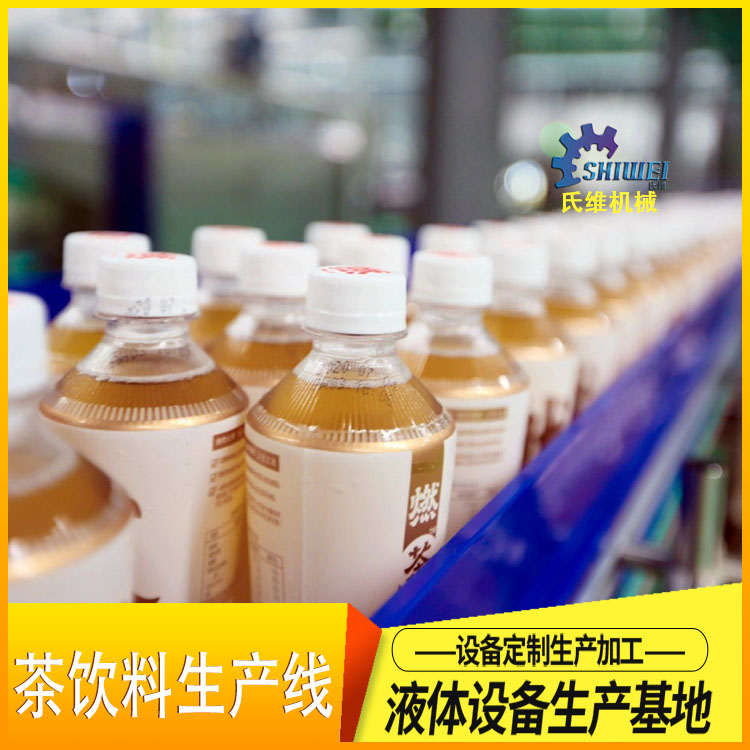
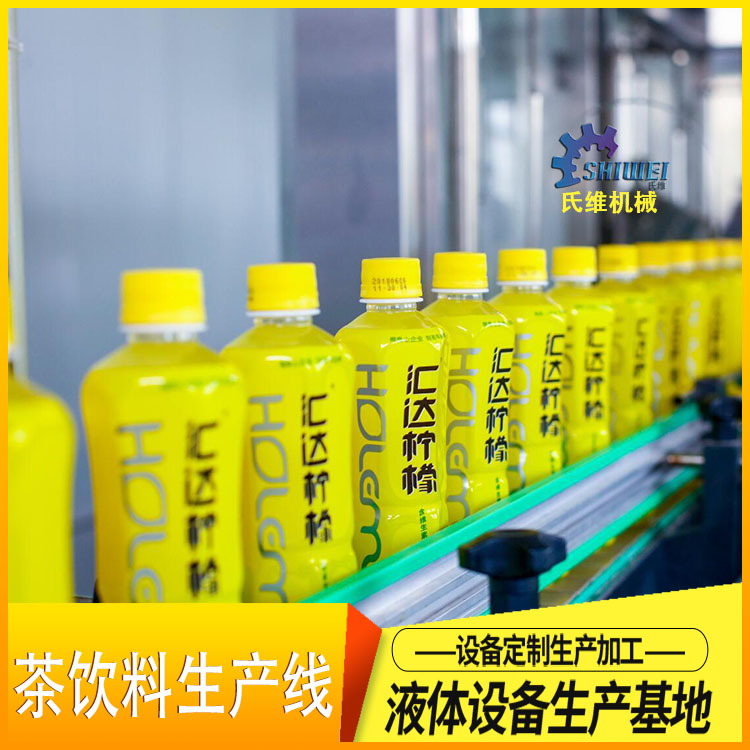
After sterilization, the tea beverages proceed to the bottling stage, usually utilizing automated bottling equipment to ensure each bottle has the correct volume and is hygienic. Once bottled, the tea drinks are packaged using common materials such as PET bottles, glass bottles, and cans.


