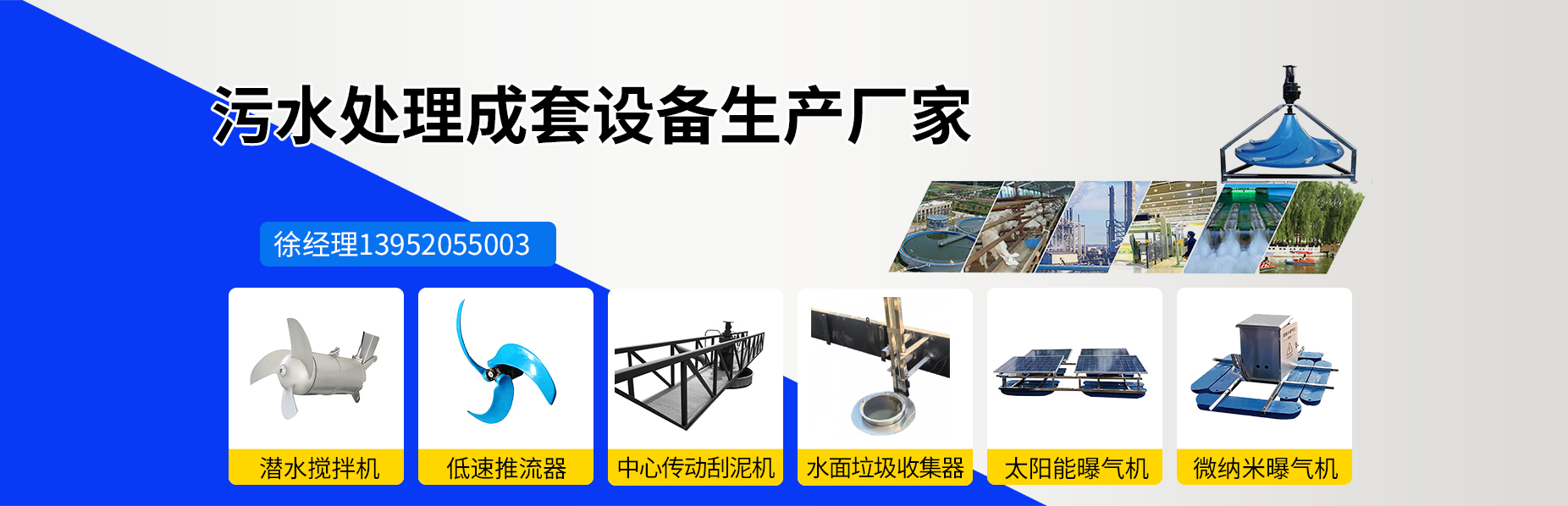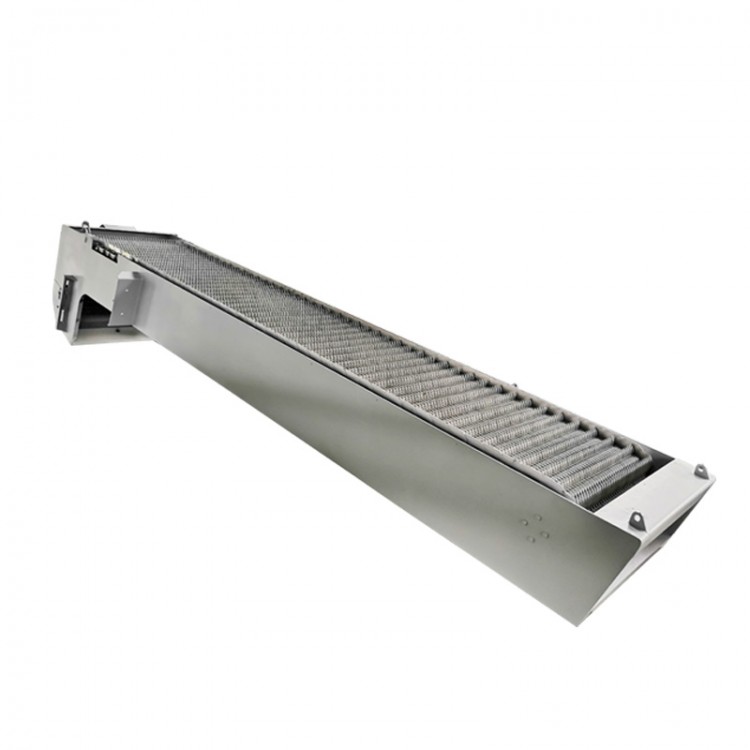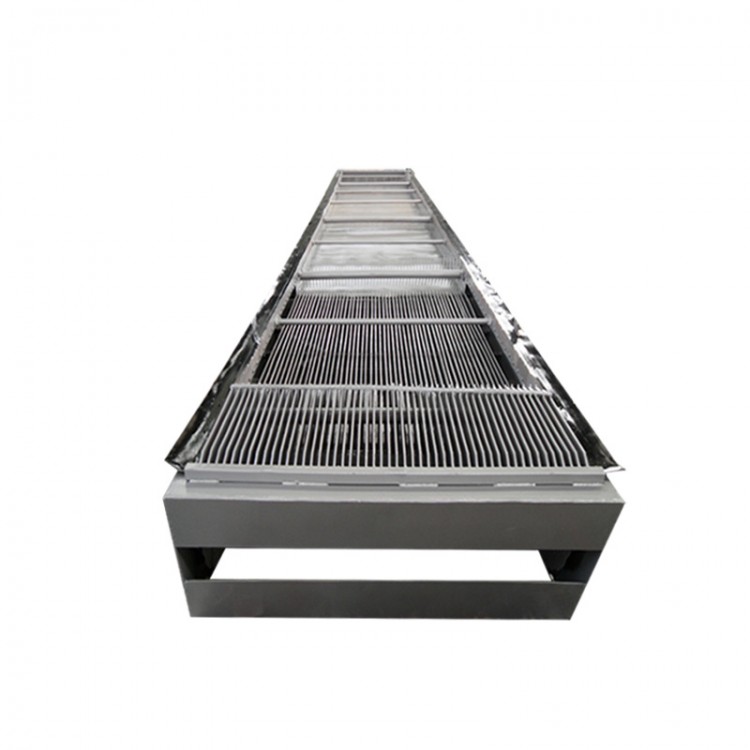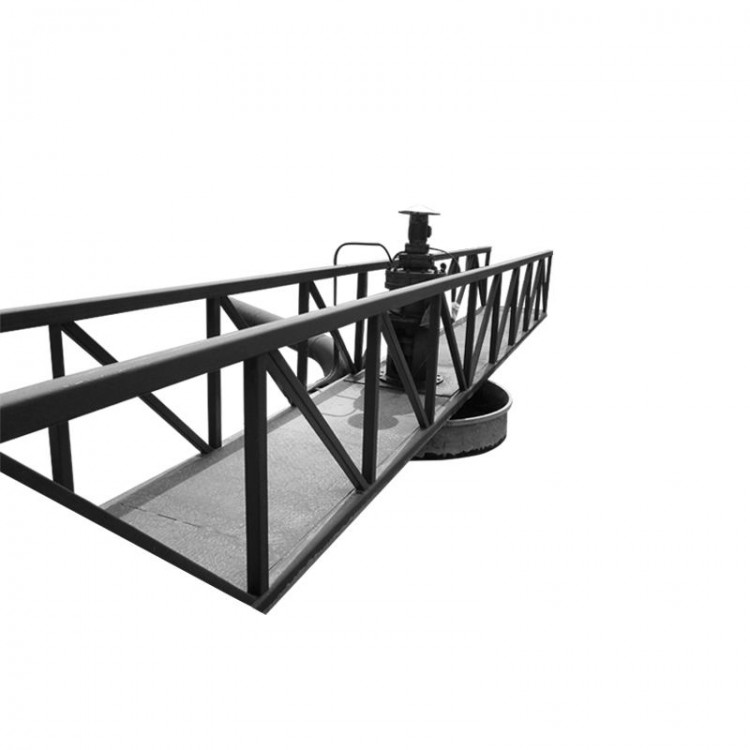
Submersible Turbulators; Surface Waste Collectors; Turbulating Aeration Machines; Aeration Machines; Solar Aeration Machines; Submersible Aeration Machines; Submersible Mixers; Vertical Mixers, etc.
13952055003
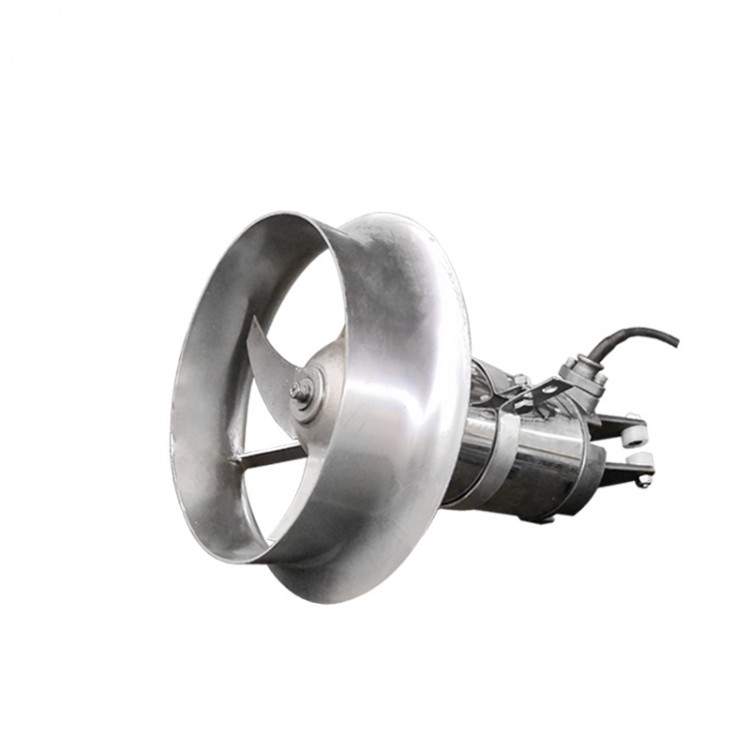
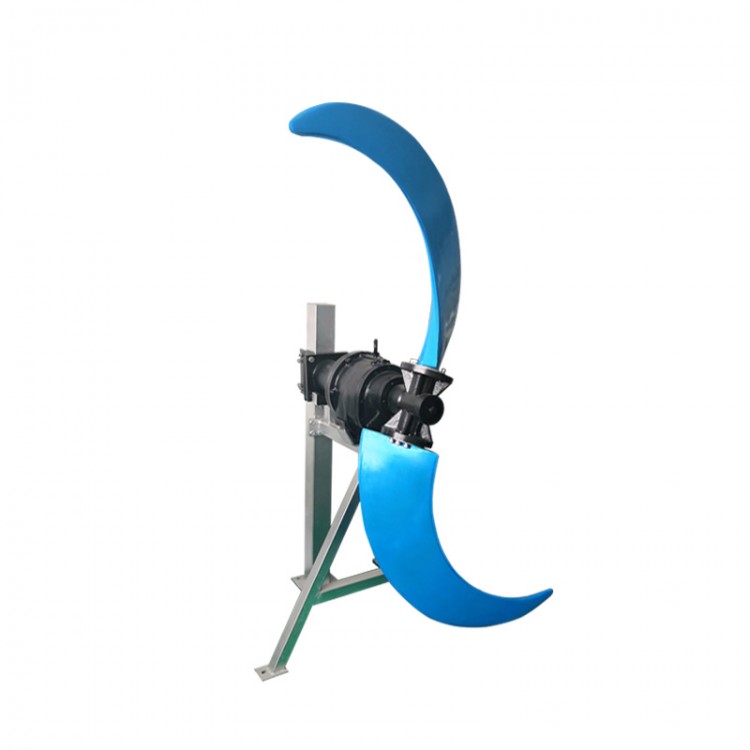
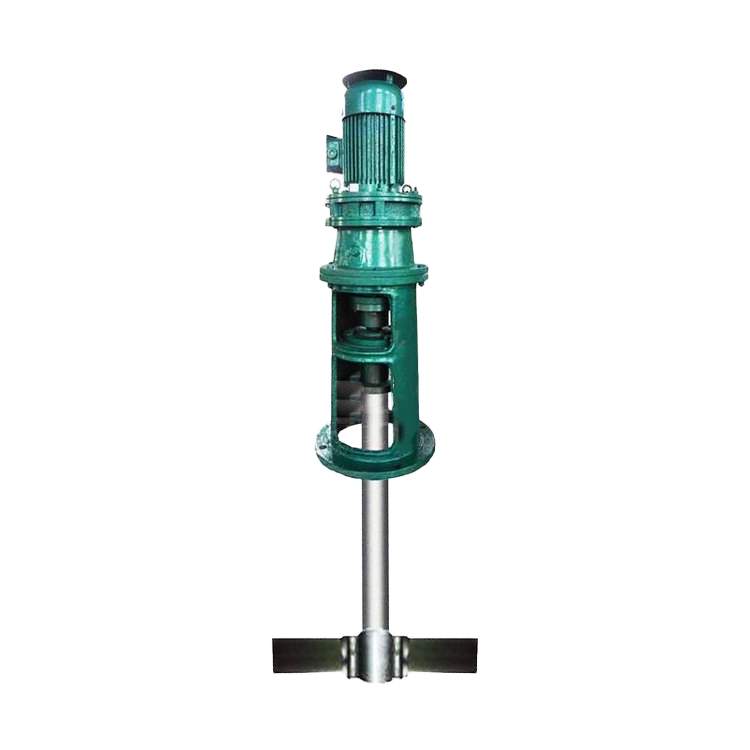
In the intricate and sophisticated treatment processes of modern wastewater treatment plants, submersible impellers act like the "invisible engine" that sustains system vitality, playing a crucial role across multiple key treatment stages. Through their unique working methods and significant technical advantages, they provide a solid guarantee for the efficient operation of wastewater treatment.
In the anaerobic treatment stage, the application of submersible mixers is crucial for the smooth operation of anaerobic reactions. Microorganisms within the anaerobic pond require a relatively stable and uniformly mixed environment to decompose organic matter from wastewater. Submersible mixers, operating at low speed with high torque, create a gentle water circulation within the anaerobic pond. This circulation does not disrupt the anaerobic environment required by the microorganisms while effectively mixing wastewater with the anaerobic microorganisms, ensuring efficient contact between pollutants and microorganisms to accelerate the anaerobic fermentation process. For instance, when treating high-concentration organic wastewater, the stirring action of the submersible mixers facilitates the rapid breakdown of large organic molecules into smaller substances, alleviating pressure on subsequent treatment processes. After installing submersible mixers in the anaerobic pond, a wastewater treatment plant for a food processing company saw a 30% increase in anaerobic treatment efficiency and a significant reduction in sludge production.
Entering the anoxic pond, the operational mode of the submersible mixer differs from that in the anaerobic pond, yet it remains equally crucial. The primary function of the anoxic pond is to facilitate denitrification reactions, removing nitrogen elements from wastewater. The submersible mixer here creates an appropriate anoxic environment by precisely controlling the flow rate and direction of water. On one hand, it promotes slow water flow, allowing the salt nitrogen in the wastewater to fully interact with denitrifying bacteria, creating favorable conditions for denitrification. On the other hand, it avoids excessive water movement that could increase dissolved oxygen levels, disrupting the anoxic environment. The submersible mixer significantly enhances the efficiency of denitrification reactions within the anoxic pond, substantially improving the total nitrogen removal rate from wastewater. After installing the new submersible mixer in the anoxic pond, a municipal wastewater treatment plant saw the total nitrogen removal rate rise from 50% to 75%, effectively improving the effluent water quality.
In the core treatment stage of the wastewater purification process, the perfect synergy between the submersible impeller and the aeration system is truly remarkable. Inside the aeration tank, a vast number of aerobic microorganisms require ample oxygen and a well-mixed environment to decompose pollutants in the wastewater. The powerful water currents generated by the submersible impeller disperse the tiny bubbles released by the aeration system evenly throughout the water body, greatly enhancing the oxygen transfer efficiency. Oxygen that was previously difficult to diffuse to the deeper parts of the water body can now quickly come into contact with the microorganisms, meeting their respiratory needs. Simultaneously, the continuous stirring by the submersible impeller ensures that the activated sludge and wastewater are thoroughly mixed, forming a uniform mixed slurry system. In this system, organic matter, nutrients, and microorganisms in the wastewater can interact fully, allowing microorganisms to more efficiently absorb and decompose pollutants. During the treatment of domestic wastewater, this mixing action can achieve a BOD (Biochemical Oxygen Demand) removal rate of over 90%. Moreover, the stirring action of the submersible impeller effectively prevents the sedimentation of activated sludge, avoiding sludge accumulation at the bottom of the tank and impacting treatment effectiveness, while maintaining a stable sludge concentration and good sludge activity in the aeration tank.
In the secondary sedimentation tank, the submersible mixer plays a unique role. The primary function of the secondary sedimentation tank is to separate sludge from water. After sedimentation, the sludge is recycled back to the aeration tank for further treatment, while the clarified water is discharged as treated water. The submersible mixer is installed at the edge of the secondary sedimentation tank, generating a gentle water flow to facilitate the smooth recycling of sludge. It prevents excessive sedimentation and caking at the bottom of the tank, maintaining the sludge's good fluidity for efficient transportation back to the aeration tank by the recycling system. Additionally, the moderate water flow also prevents short-circuiting within the secondary sedimentation tank, ensuring the stability of the sludge-water separation and enhancing the clarity of the discharged water.
Additionally, in the sludge treatment phase of the wastewater treatment plant, submersible mixers are equally indispensable. In the sludge thickening and digestion ponds, submersible mixers maintain a uniform sludge state through their stirring action, preventing sludge from stratifying and settling. During the sludge thickening process, the stirring of submersible mixers aids in enhancing sludge concentration efficiency, reducing sludge volume, and lowering costs and complexity in subsequent sludge treatment. In the sludge digestion pond, they promote thorough contact between sludge and microorganisms, accelerating the anaerobic digestion process, increasing biogas production, and achieving sludge reduction and resource utilization.
As wastewater treatment technology continues to evolve and the demand for higher effluent quality intensifies, the application of submersible mixers in wastewater treatment plants is also innovating and optimizing. In the future, intelligent submersible mixers will automatically adjust operating parameters based on the real-time needs of different treatment stages in wastewater treatment plants, achieving more precise and efficient operation, and injecting new vitality into the development of wastewater treatment.
This expansion and refinement of the wastewater treatment plant applications aims to meet your needs. Should you wish to add data, case studies, or have other suggestions for modification, feel free to communicate with me at any time.
Contact us

Service Hotline
13952055003
Company Telephone
13952055003

Address
No. 441 Xiongzhou South Road, Longchi Street, Liugang Economic Development Zone, Nanjing, Jiangsu Province, China, Xiangtian Science and Technology Industrial Park, Block C, Building 6
b2b.china9.net © Zhongshang 114 Hebei Network Technology Co., Ltd.Address: Room 6009, Oriental New World Center, No.118 East Zhongshan Road, Qiaoxi District, Shijiazhuang City, Hebei ProvincePlatform Service Hotline: 4006299930