The specific method involves setting observation points at the bottom of the floor to measure the deformation of the floor and beams. Uniform loads (such as water, sandbags, etc.) are added in batches and equal weights sequentially to the floor surface. The deformation of the beams and slabs is closely monitored. When the deformation value approaches the allowable deformation limit specified by the standard, loading is stopped. The weight of the load at this point is the load-bearing capacity limit of that floor. Each specific house has its own conditions, and the load-bearing capacity varies accordingly.
With the rapid development of China's industry, to meet the demands of modern industrial production, most entrepreneurs opt to add new production equipment to fulfill production requirements.
However, many industrial factories were designed long ago, with limited load-bearing capacity that no longer meets the requirements for equipment placement in modern industrial production. Additionally, some industrial factories lack complete construction permits or have been put into use without a license, and the load-bearing capacity of the buildings has not been determined.
Industrial buildings must not only ensure their own structural stability and safety during use but also consider their load-bearing capacity. If the load-bearing capacity is not reasonably determined or the incorrect load-bearing combinations are used, it will inevitably severely affect the safety and stability of the building. Therefore, it is necessary to conduct load-bearing inspections on existing industrial buildings to provide safety guarantees for the continued use of the building after the addition of new equipment.
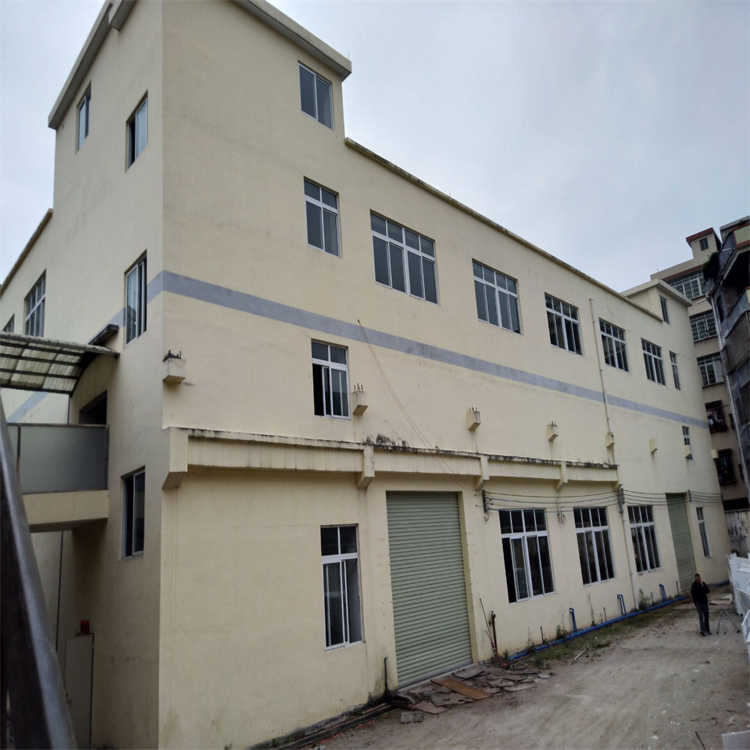 The inspection content of the factory load-bearing capacity mainly focuses on the load-bearing structural system, structural layout and support system, and envelope structural system.
 Anshan Kindergarten Safety Inspection; Kindergarten Building Safety Assessment Plan
 Xuzhou Factory Quality and Safety Inspection Company, Quality Requirements for Steel Structure Factory, Integrated Solution
 Taizhou Factory Quality and Safety Inspection, Factory Warehouse Quality Inspection, On-Site Survey

 Gannan Factory Load-Bearing Inspection, Post-Sale Assurance
 Baoding Steel Structure Inspection Company On-site Survey
 Kunming Kindergarten Safety Assessment, Kindergarten Building Safety Assessment Criteria
 Earthquake Resistance Testing for Buildings, On-Site Inspections, Fuzhou Factory Renting Safety Inspection Agency