Part 1: Uses of Activated Carbon
Air Purification
2. Wastewater Treatment Plant Exhaust Gas Adsorption
3. Beverage Water Treatment
4. Power Plant Water Pretreatment
5. Pretreatment of Wastewater Recycling
6. Biological Wastewater Treatment
7. Toxic Waste Water Treatment
8. Petrochemical alkali-free desulfurization alcohol
9. Solvent Recovery (due to activated carbon's ability to adsorb organic solvents)
10. Chemical Catalyst Carrier
11. Filtration罐
12. Gold Extraction
13. Chemical Storage Exhaust Purification
14. Sugar production, alcoholic beverages, monosodium glutamate, food refining, decolorization
15. Ethylene Dehydrate Filler
16. Exhaust Emission Purification
17. PTA Oxidation Plant Purification Gas
18. Decontamination of Printing Inks
Section 2: Types of Activated Carbon
Due to varying raw material sources, manufacturing methods, appearance, and application scenarios, there are numerous types of activated carbon. To date, there is no precise statistical data, but there are approximately a thousand different varieties.
By raw material source
1. Wooden Activated Carbon
2. Animal bones, blood charcoal
3. Activated Carbon from Mineral Raw Materials
4. Activated Carbon for Other Raw Materials
5. Activated Carbon for Re-life
By manufacturing method
1. Chemical Activated Carbon (Chemical Carbon)
2. Physical Activated Carbon
Chemistry-Physical Method or Physical-Chemistry Activated Carbon
By appearance and shape
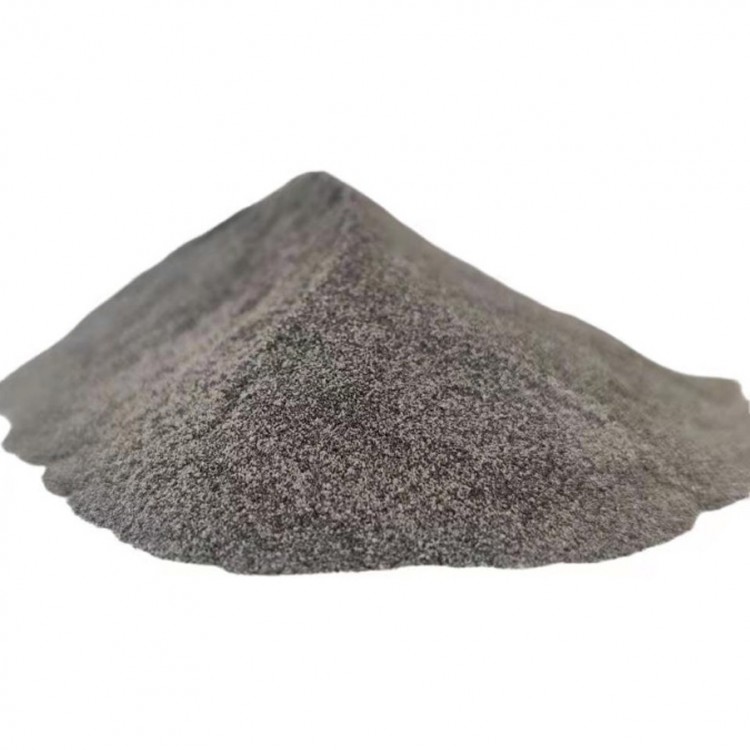
Powdered activated carbon
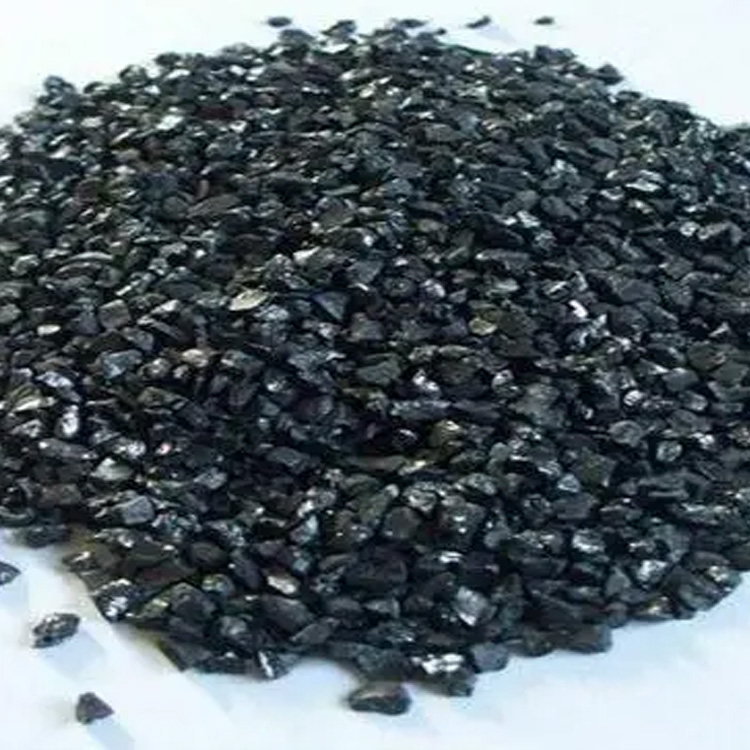
2. Granular activated carbon
3. Non-Formed Granular Activated Carbon
Cylindrical activated carbon
5. Spherical Activated Carbon
6. Other shapes of activated carbon
By aperture size [2]
Large Holes, Diameter > 20,000 nm
Transition hole Radius 150 ~ 20,000 nm
The surface area of activated carbon with a micropore radius less than 150nm is primarily provided by the micropores.
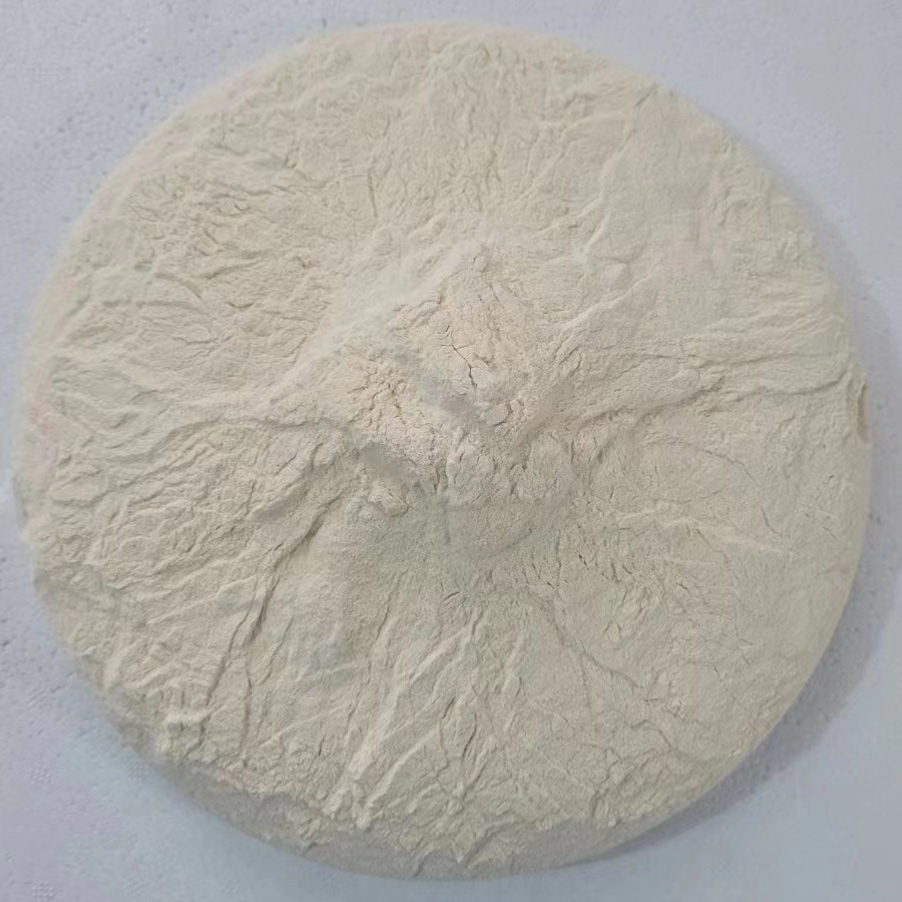

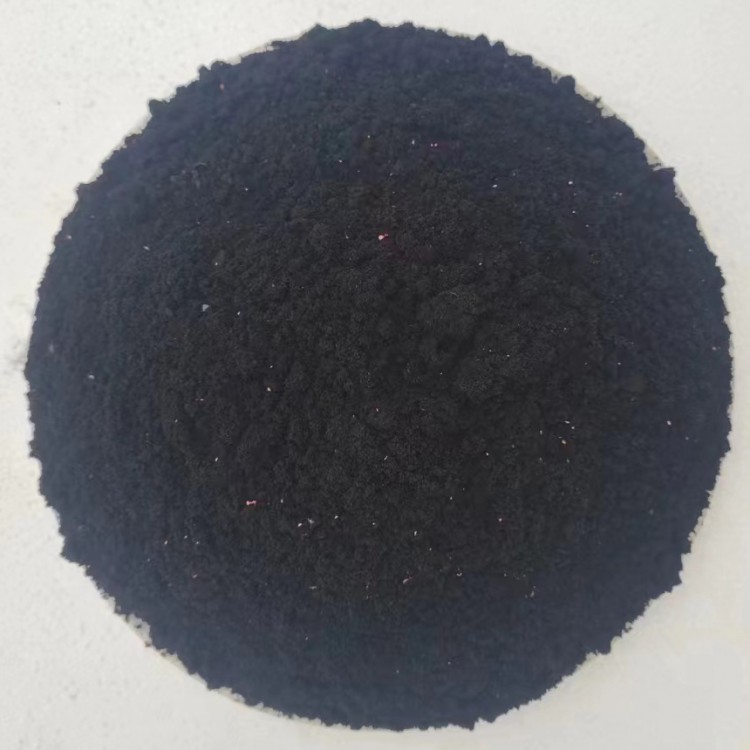 Charcoal Binder for Barbecue Charcoal
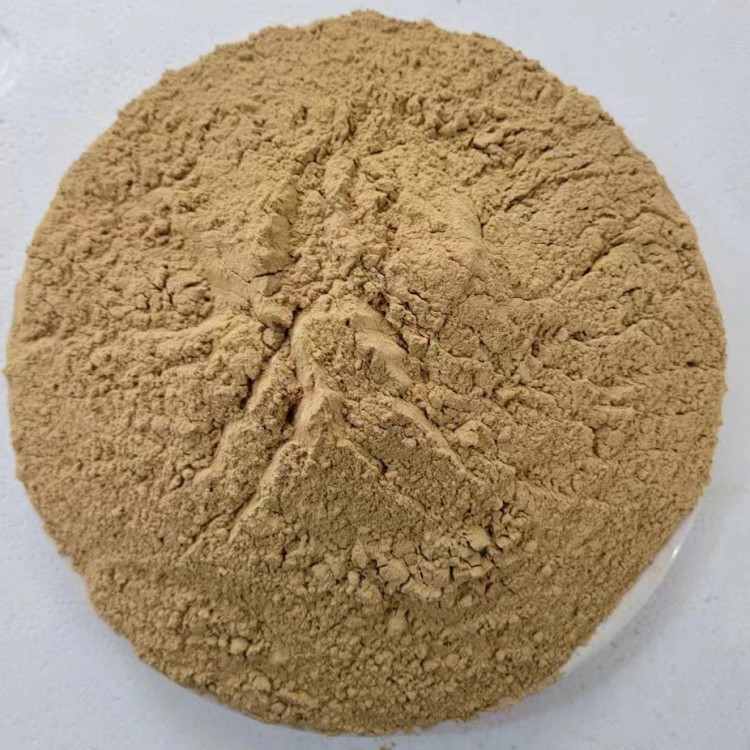 High-viscosity yellow and white bentonite binder
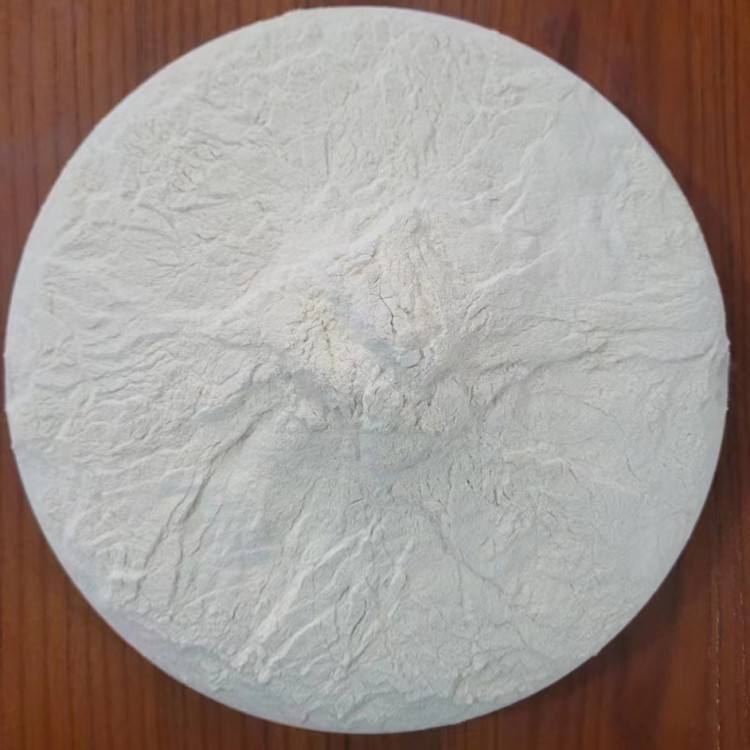 High-efficiency preparation of granular activated carbon binder
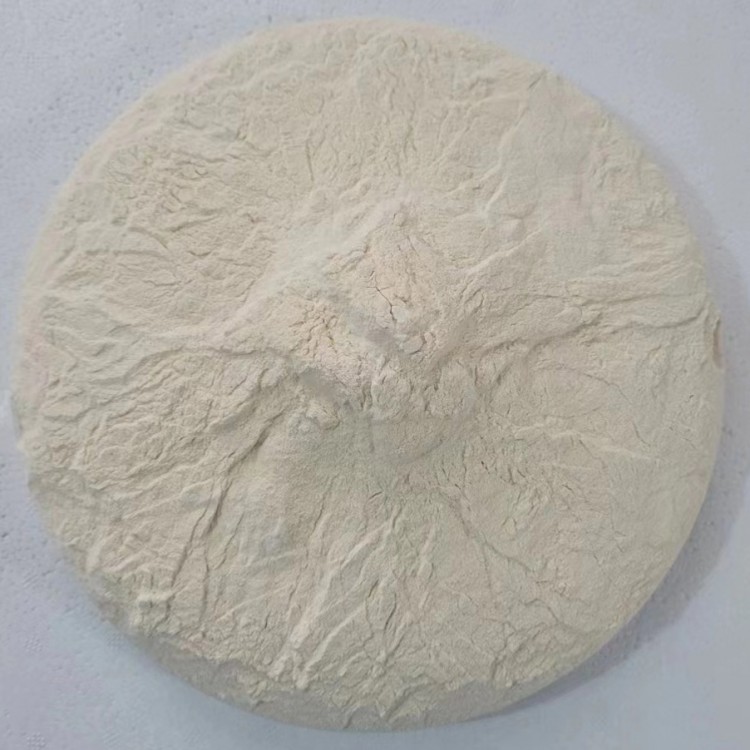 High-temperature-resistant calcium carbide coal binder
 High-efficiency preparation of granular activated carbon binder
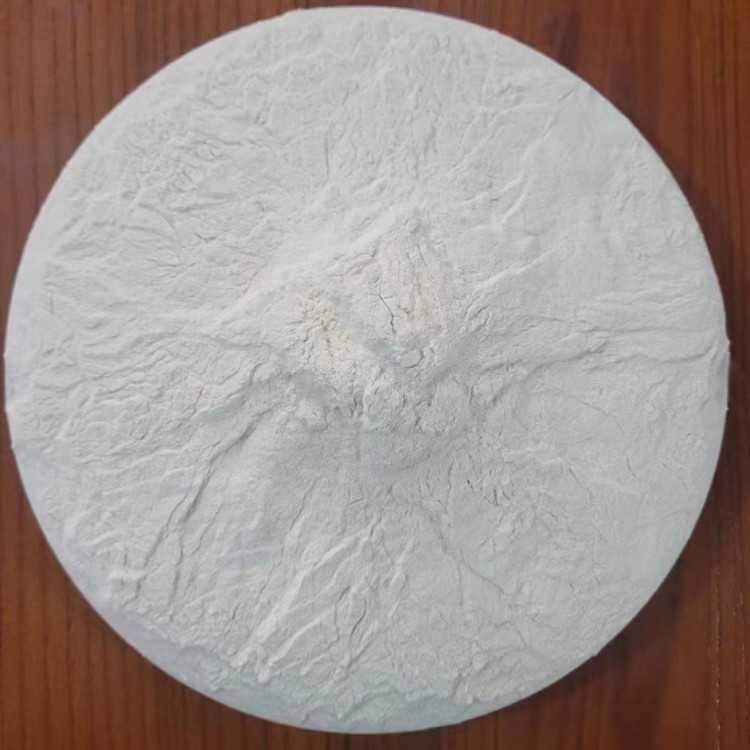 High-efficiency preparation of granular activated carbon binder
 Fluorspar powder adhesive
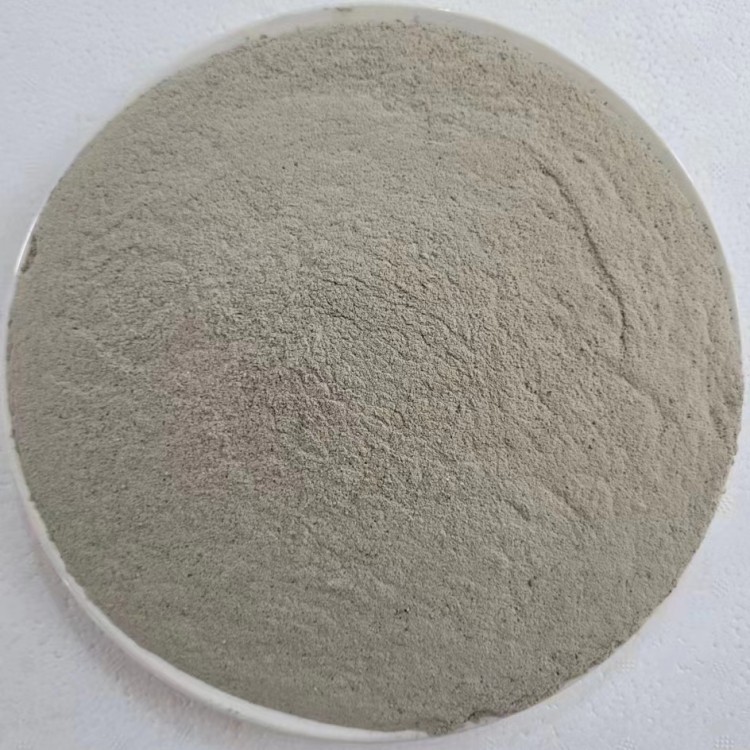 Sulfuric slag binder
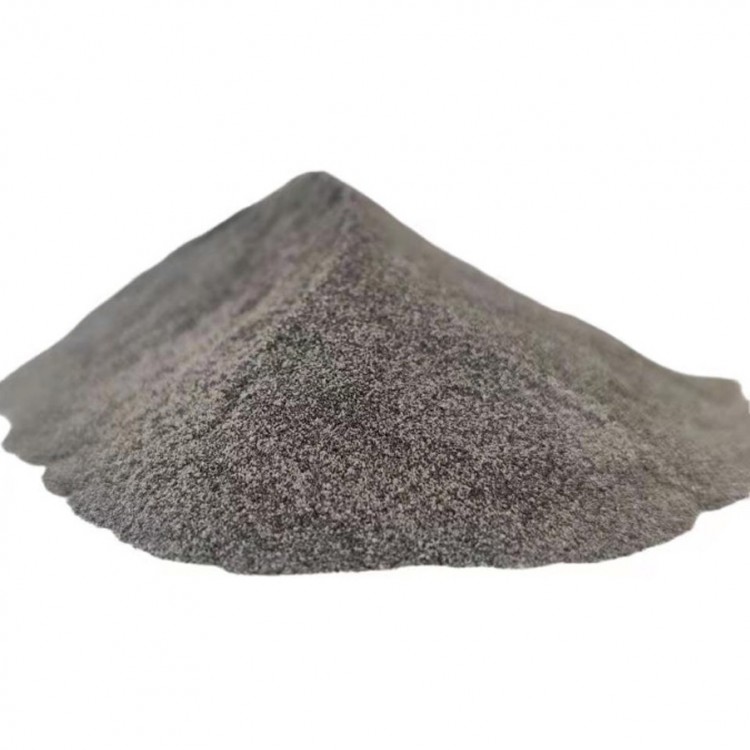 Iron-rich sediment adhesive
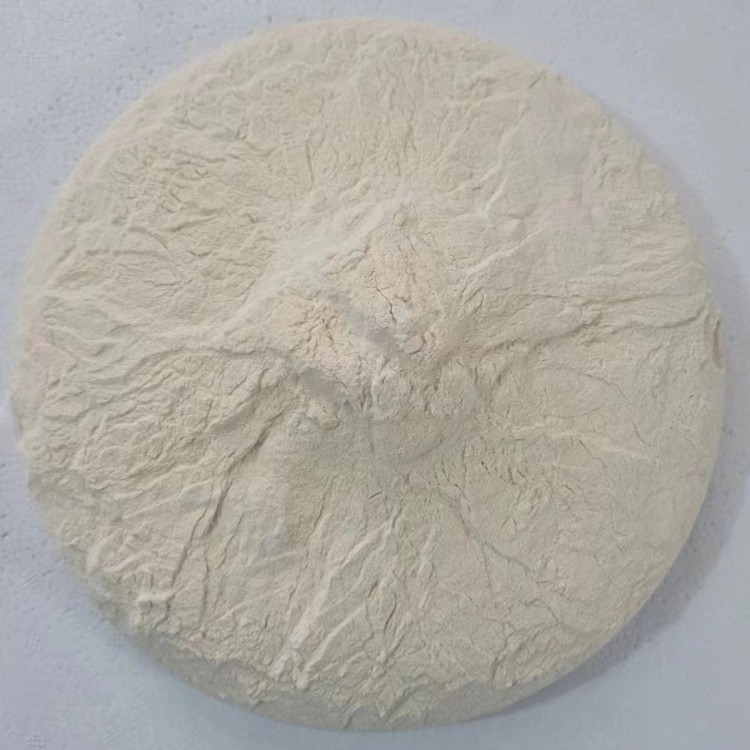 High-temperature resistant calcium carbide coal binder