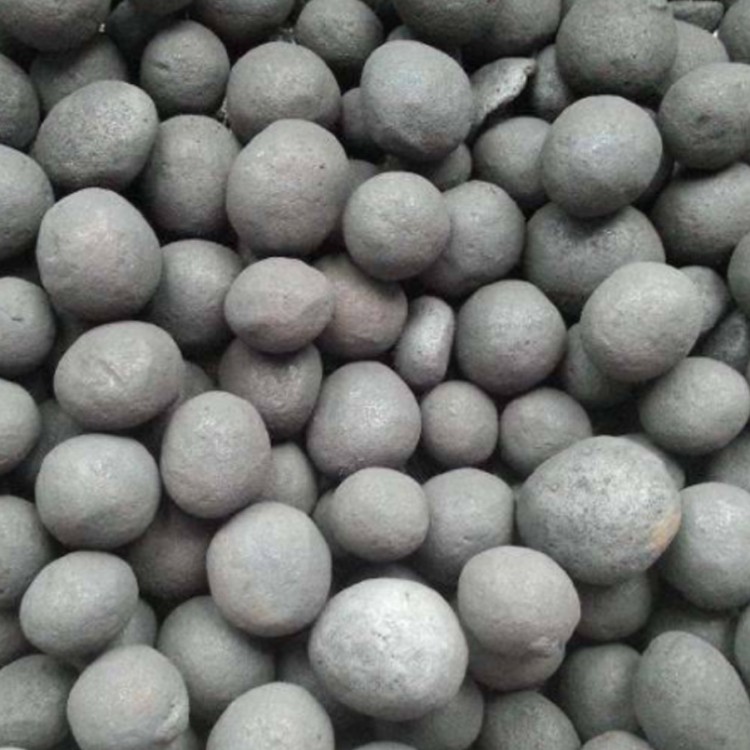
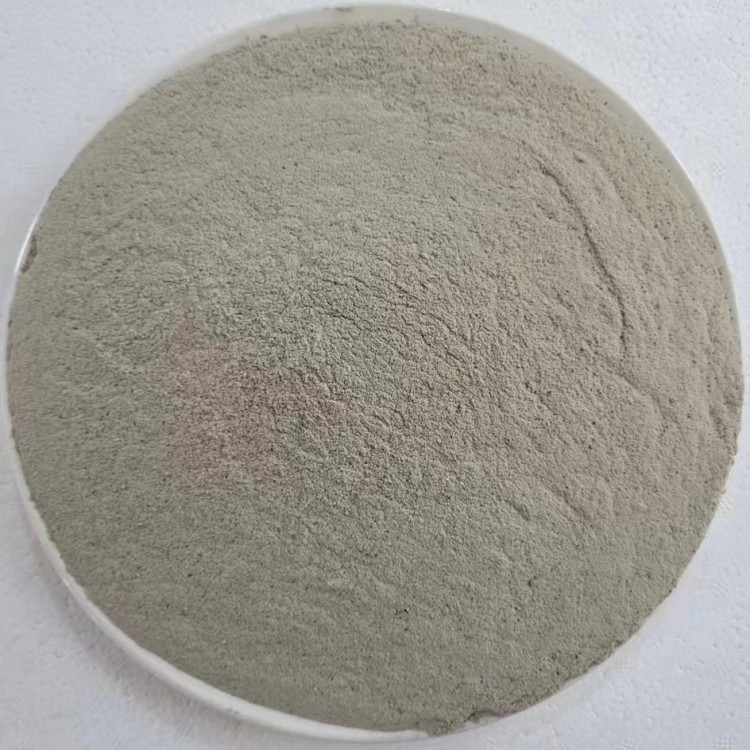
This is a method for producing cold bonded pellets for direct reduction竖炉 and blast furnaces, which involves adding iron ore fines or iron-rich dust with particle sizes less than 8 mm to a binder, mixing them evenly, and then forming blocks under a pressure of 20 to 30 MPa. The compressed green pellets are then subjected to a temperature range of 100 to 300After 30-60 minutes at a dry temperature of ℃, the required cold agglomerates will be achieved.
Previously, the high-temperature agglomeration methods using sintering or roasting pellets were complicated in process equipment, required substantial capital investment, had long construction periods, high energy consumption, and severe pollution. Therefore, the cold bonding agglomeration method, which does not involve high-temperature roasting, offers advantages such as simple process equipment, low energy consumption, lower investment, shorter construction periods, and better environmental conditions. As a result, the cold bonding agglomeration method is increasingly valued as a technology for making iron ore fines into lumps. The performance of cold bonded pellets primarily depends on the binder used. Currently, due to the less than ideal binder, cold bonded pellets have inferior mechanical strength, particularly in terms of high-temperature metallurgical properties like thermal strength, compared to natural lumps, oxidized pellets, or sintered ore.
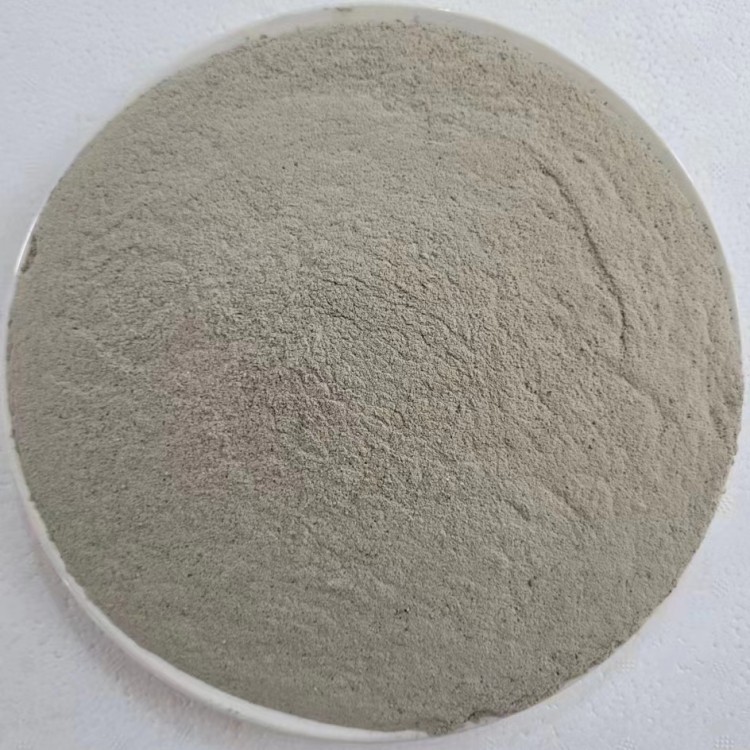
This binder utilizes an enhanced composite binder formula, overcoming the significant drawbacks of using water glass alone. The resulting cold-set agglomerates exhibit good mechanical strength and high-temperature metallurgical properties, meeting the requirements of direct reduction shaft furnaces and blast furnace production processes.
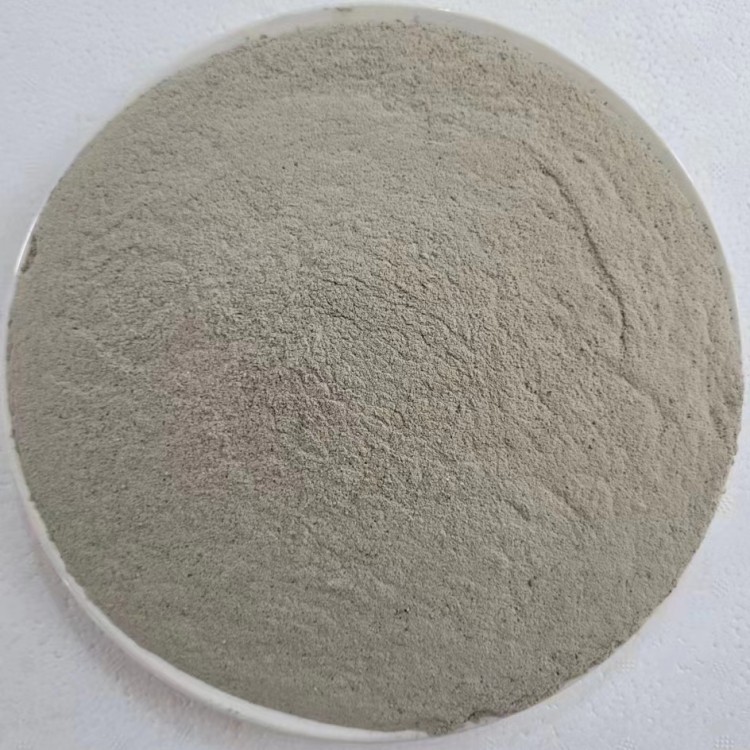

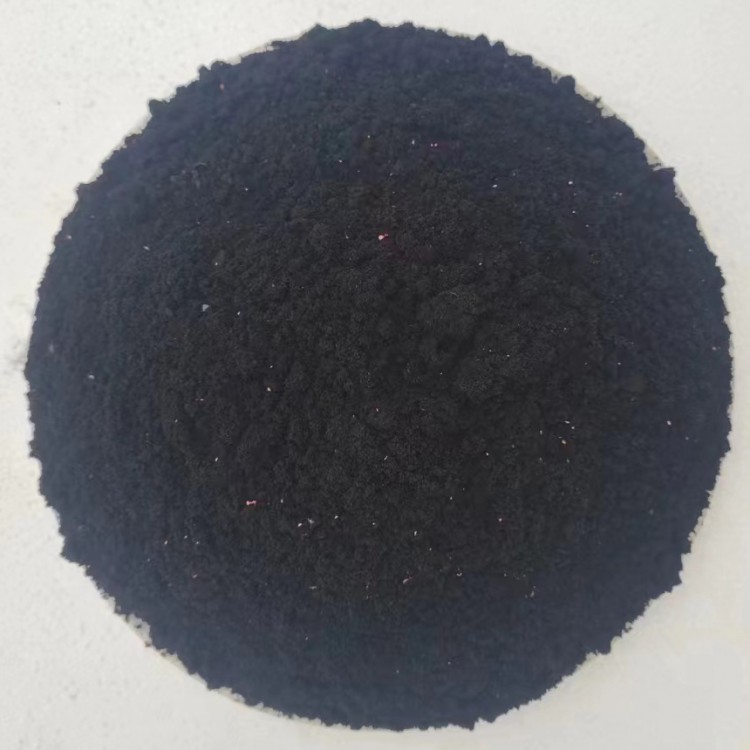 Charcoal Binder for Barbecue Charcoal
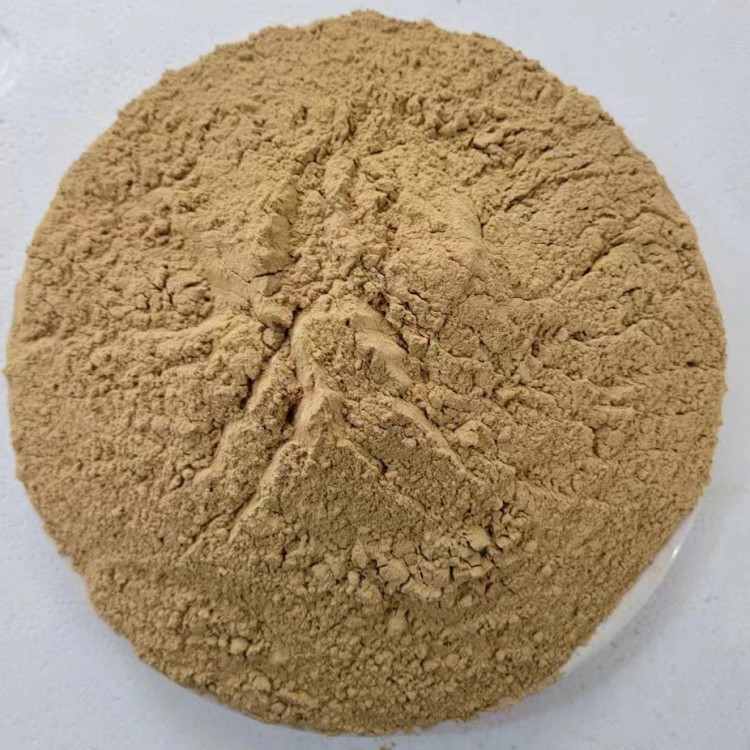 High-viscosity yellow and white bentonite binder
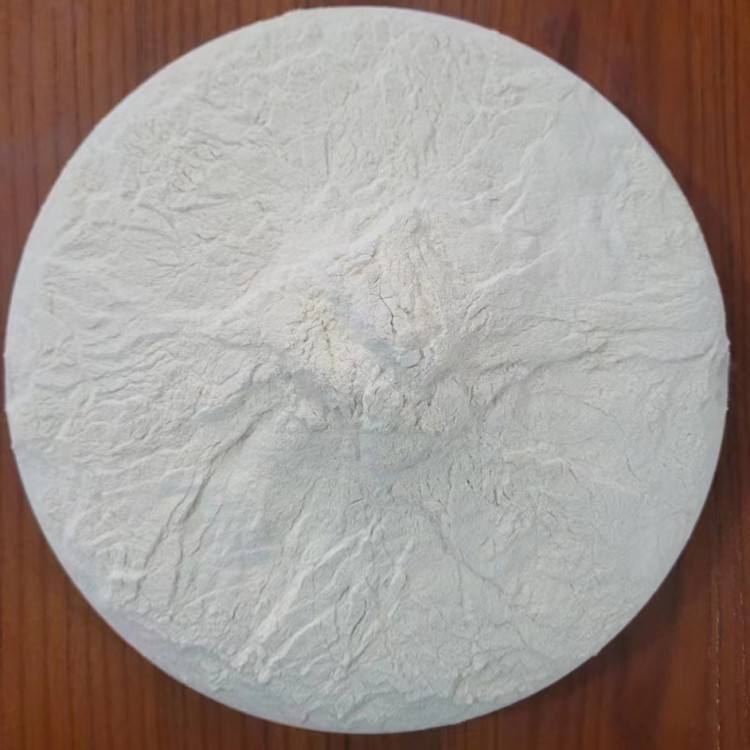 High-efficiency preparation of granular activated carbon binder
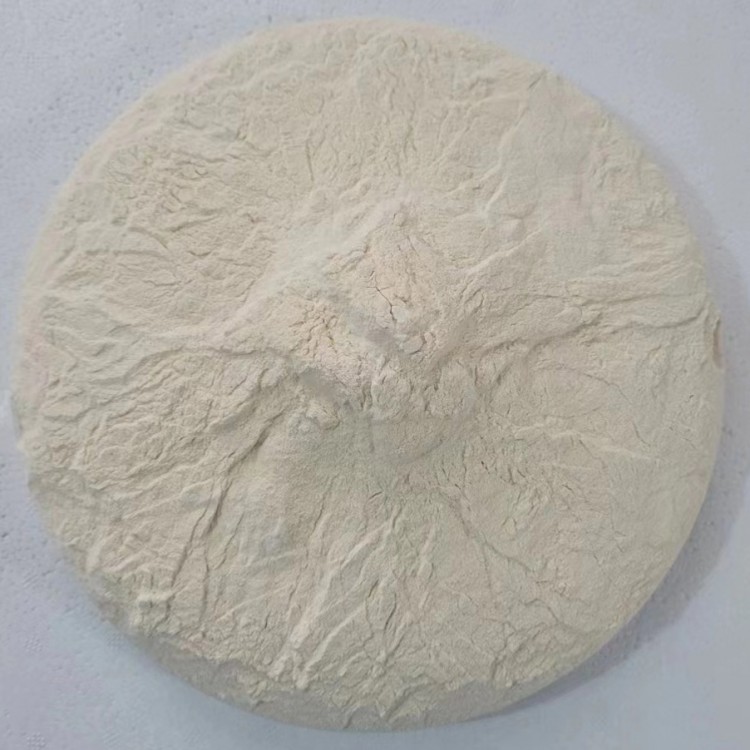 High-temperature-resistant calcium carbide coal binder
 High-efficiency preparation of granular activated carbon binder
 High-efficiency preparation of granular activated carbon binder
 Fluorspar powder adhesive
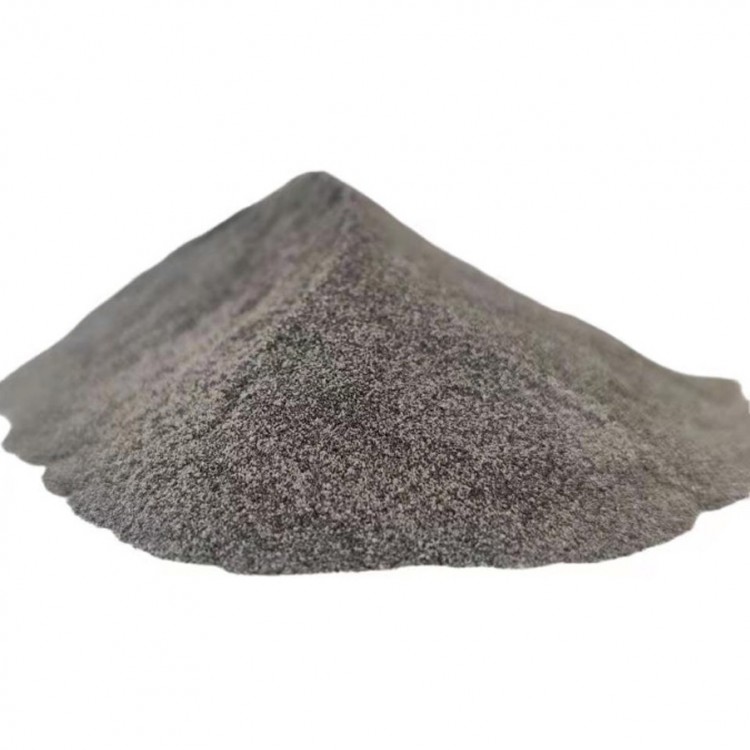 Iron-rich sediment adhesive
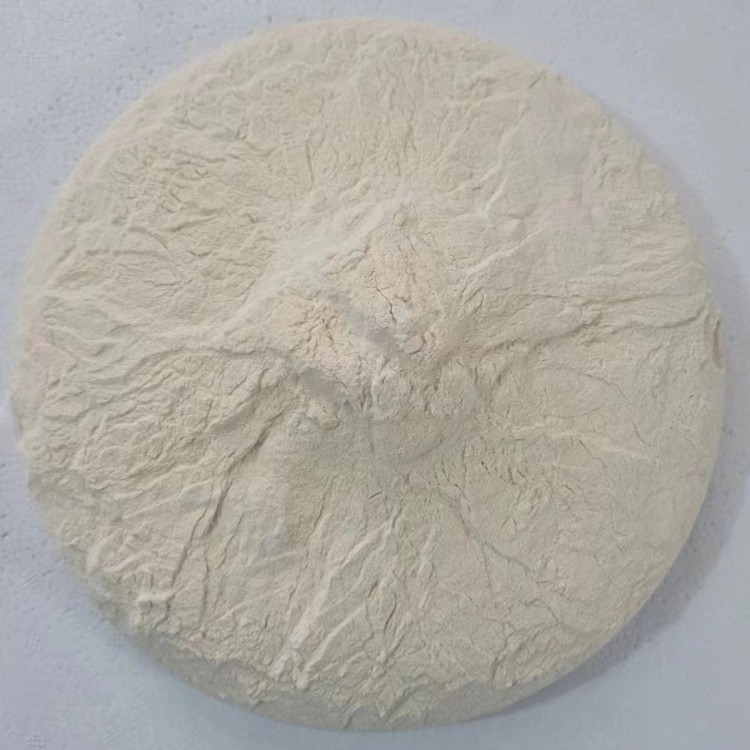 High-temperature resistant calcium carbide coal binder