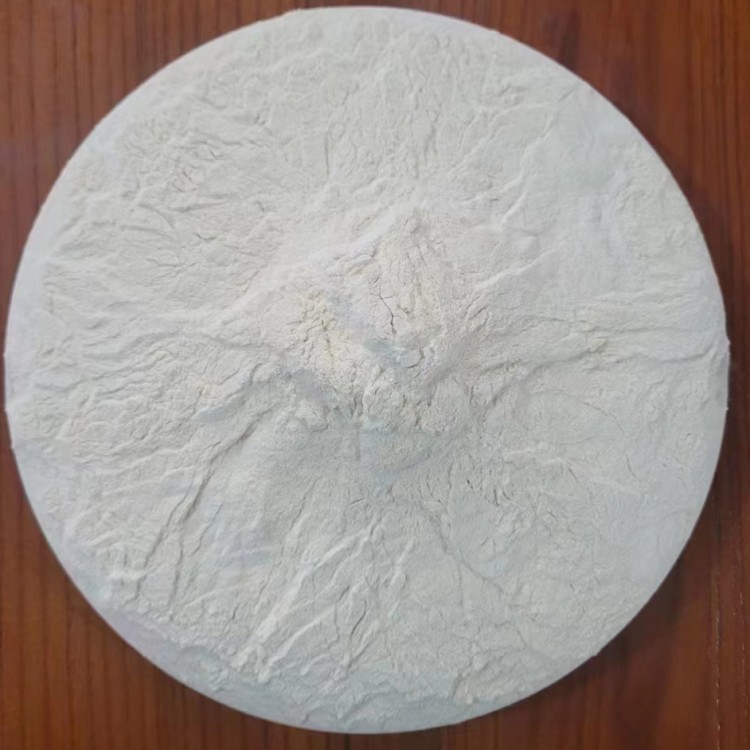
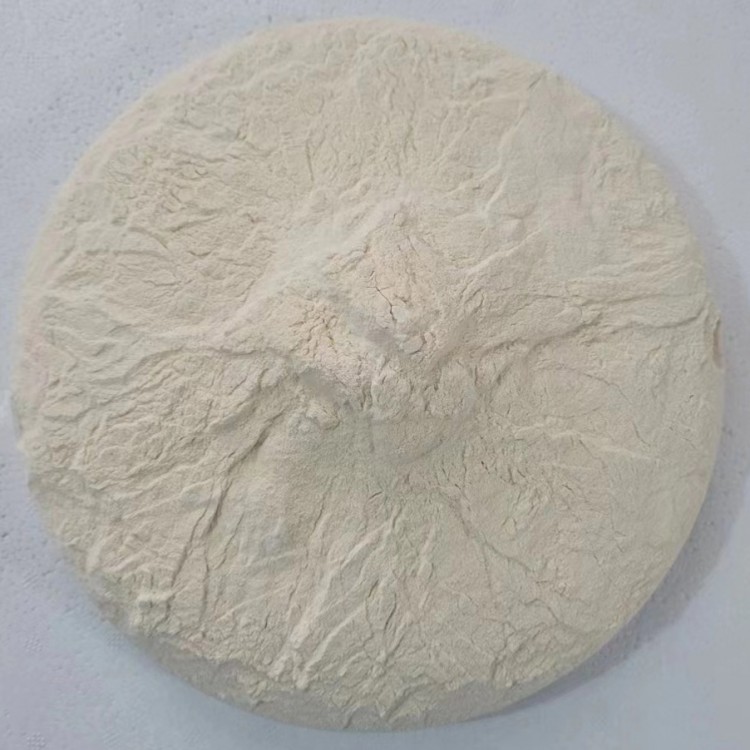
Activated carbon features a well-developed pore structure and a large specific surface area, exhibiting excellent adsorption properties. It has a strong adsorption capacity for organic and inorganic substances in gases and solutions, as well as colloidal particles. It finds wide applications in various fields such as the food industry, sugar production, environmental protection, waste water purification, solvent purification, fuel gas storage, gas separation, and catalytic reactions. The raw materials for producing activated carbon include various biomass charcoal powders, anthracite, coke, anthraquinone, petroleum coke, synthetic fibers, and waste plastics.
The common method for preparing shaped activated carbon is the extrusion molding method, which requires the carbon precursor to be activated into porous carbon first, then added with binder for extrusion molding, followed by a secondary activation process. Due to the lengthy secondary activation required, this method not only involves a significant investment in plant equipment and a long construction period, but also results in a time-consuming and costly preparation process. The new technology for preparing shaped activated carbon efficiently and inexpensively does not require secondary activation and can produce high-performance, multi-purpose activated carbon through a quick process flow, offering significant advantages over existing technologies: First, the equipment investment can be reduced by approximately 50-60%. Second, the specific surface area can reach 600-1200 square meters per gram, and it can be recycled for reuse after failure. Third, it can be used for fuel gas storage, gas separation, and the treatment of various wastewater and solvents.
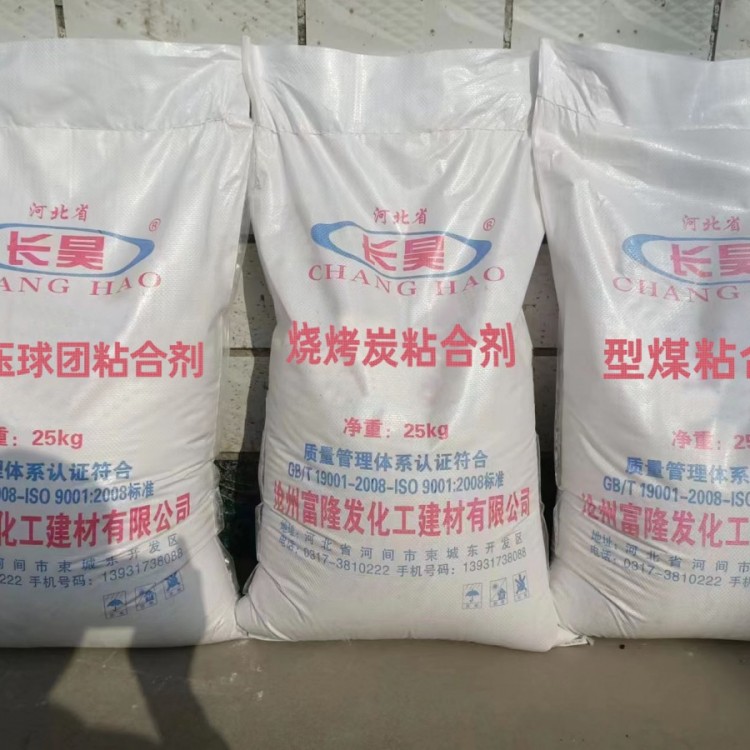

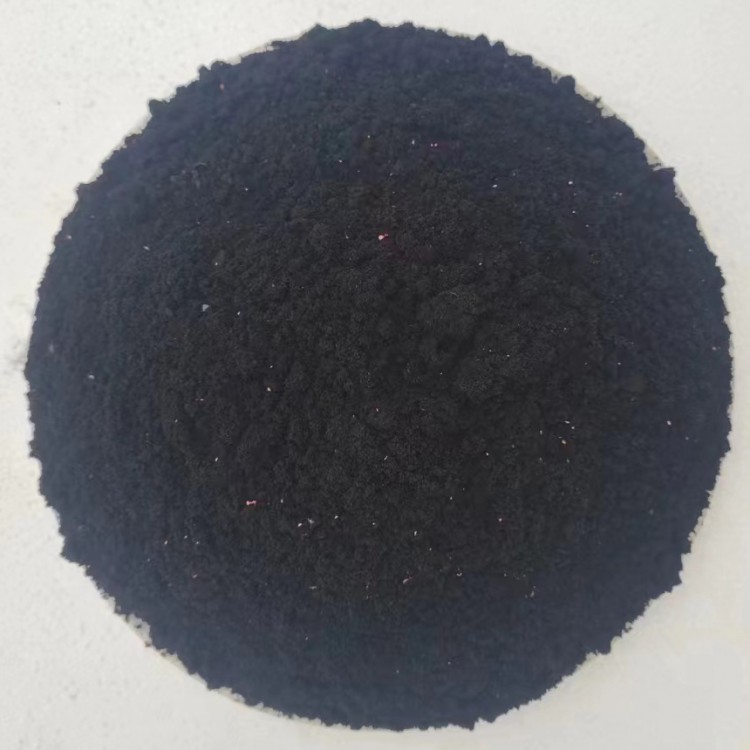 Charcoal Binder for Barbecue Charcoal
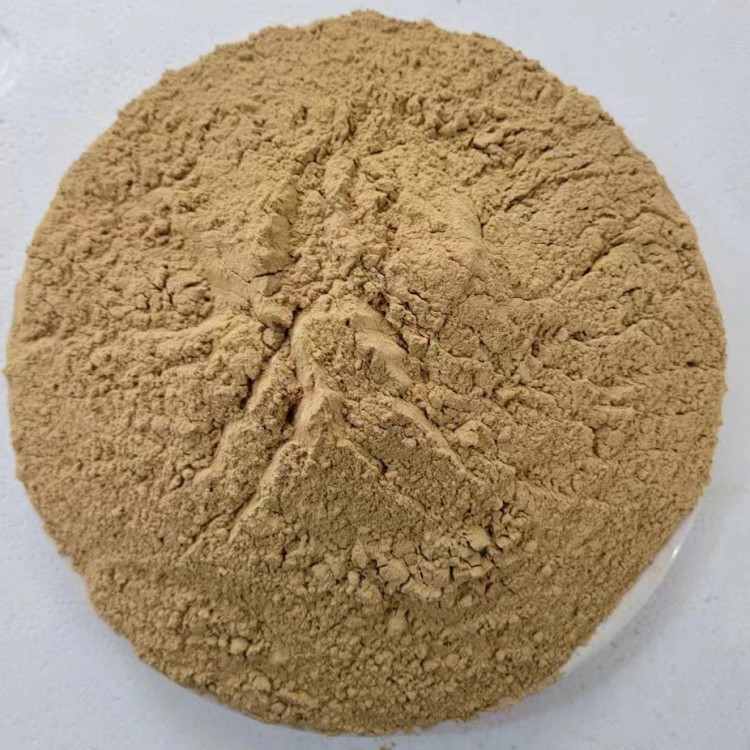 High-viscosity yellow and white bentonite binder
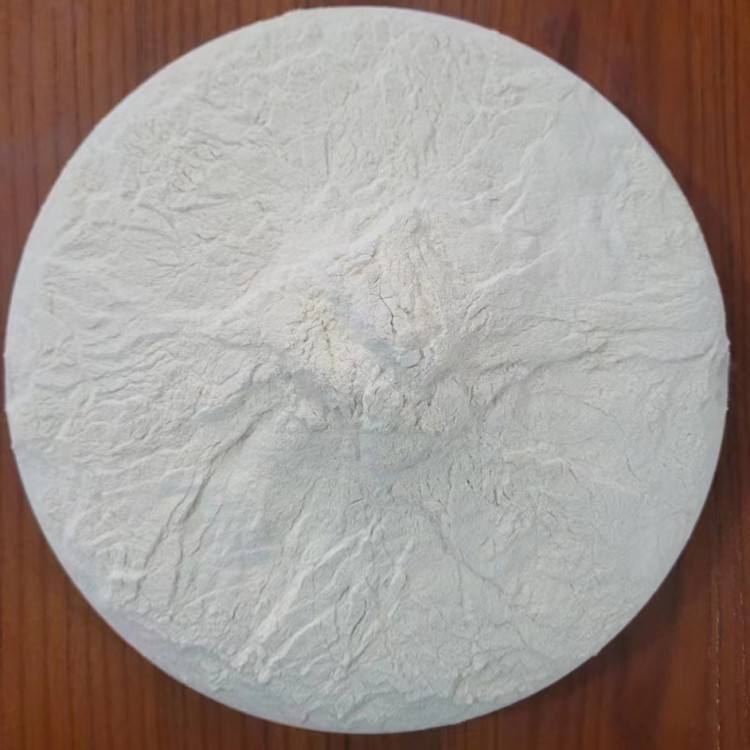 High-efficiency preparation of granular activated carbon binder
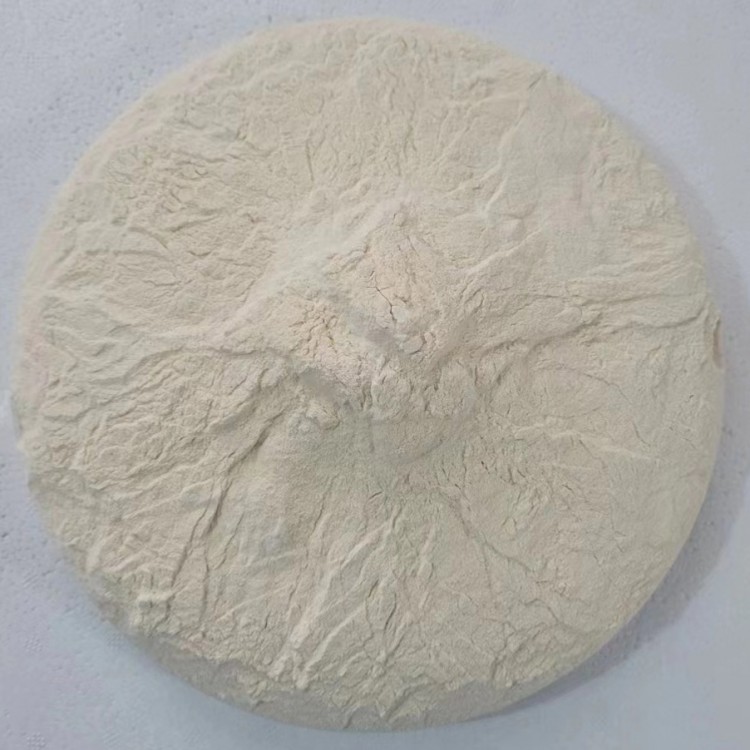 High-temperature-resistant calcium carbide coal binder
 High-efficiency preparation of granular activated carbon binder
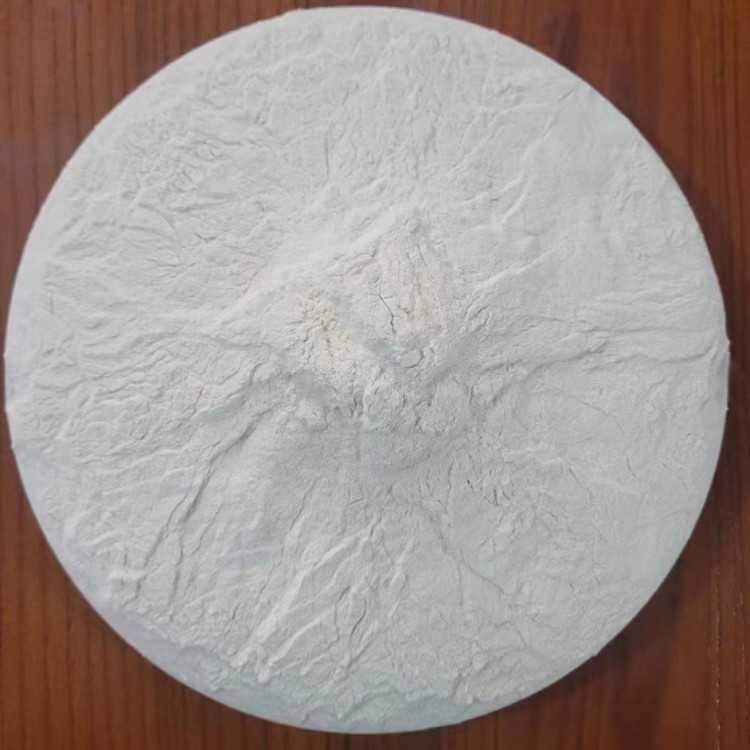 High-efficiency preparation of granular activated carbon binder
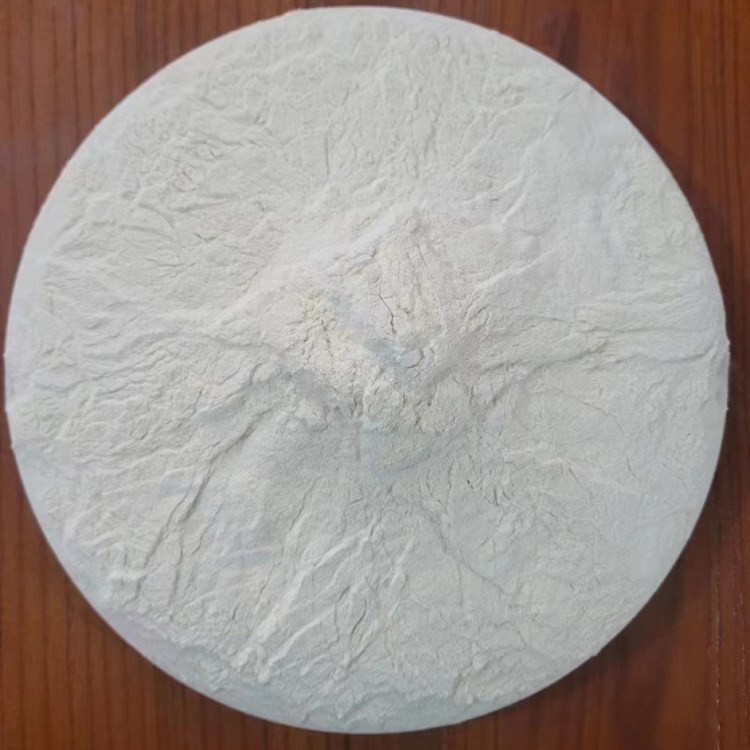 Fluorspar powder adhesive
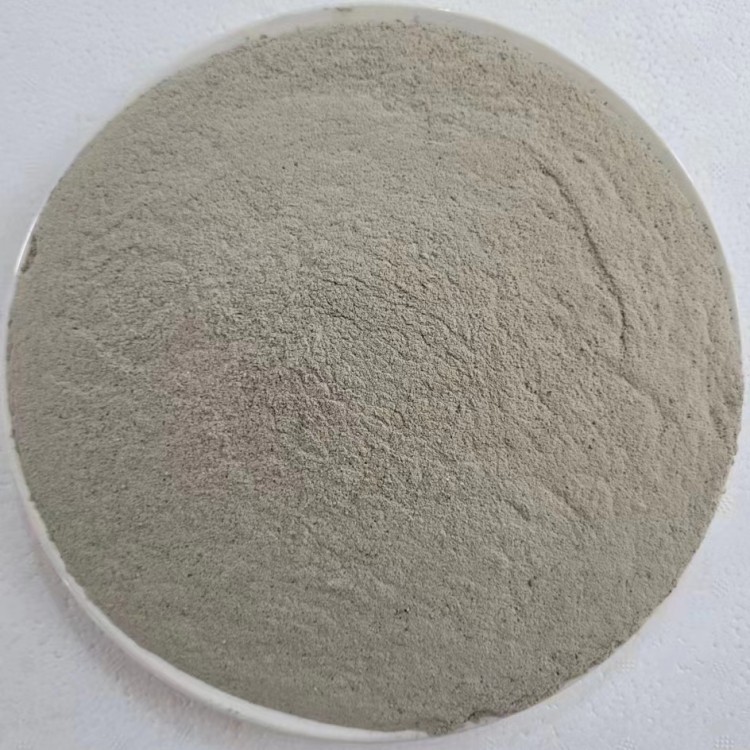 Sulfuric slag binder
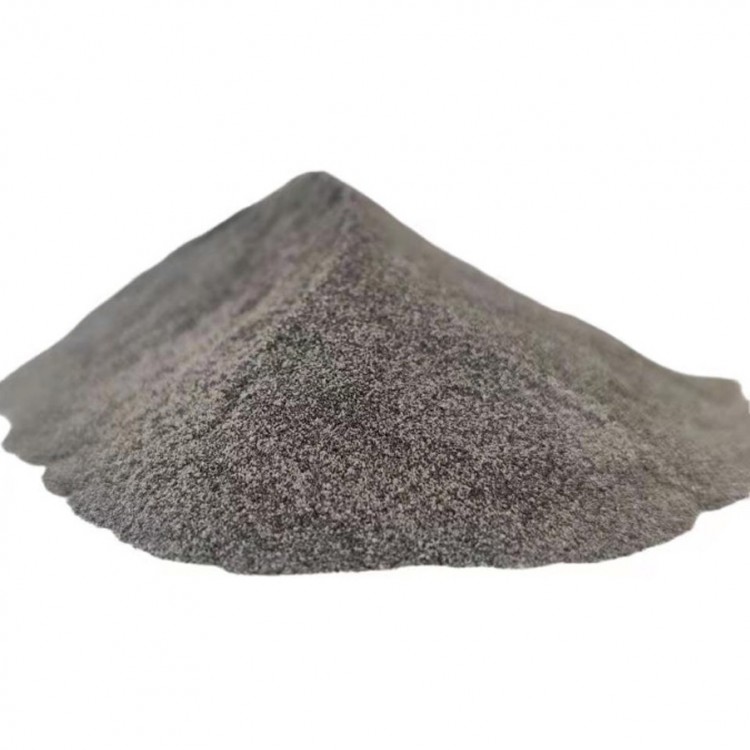 Iron-rich sediment adhesive
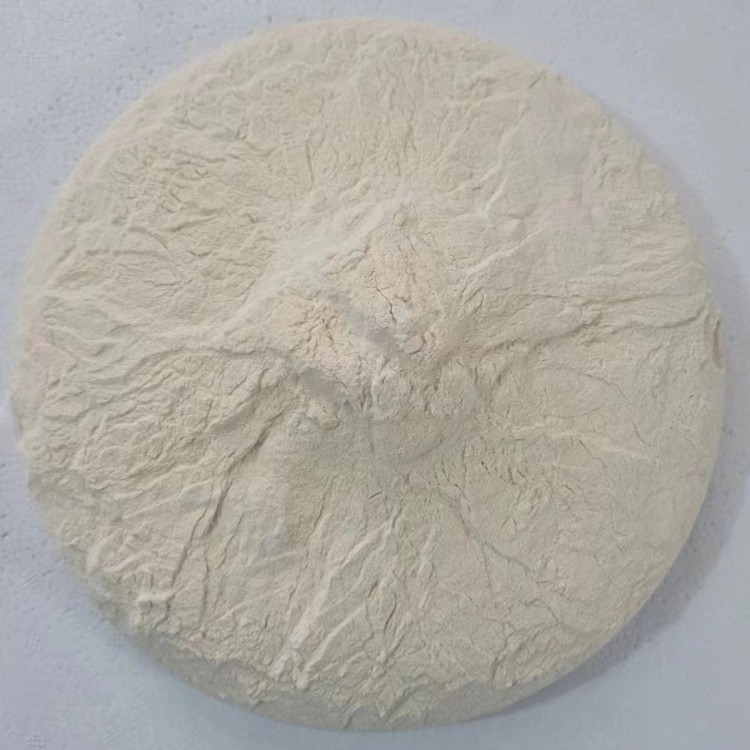 High-temperature resistant calcium carbide coal binder