Iron dust and mudWet dedusting and wastewater treatment solid waste obtained during the process of steelmaking, including raw material preparation, sintering, pelletizing, ironmaking, steelmaking, and rolling, accounting for about 10% of steel output. Mainly includes: sintering dust sludge, pelletizing dust sludge, blast furnace gas sludge, steelmaking dust sludge, converter sludge, etc. The total iron content of these dust sludges is generally between 30-70%.
Dust ash:Current metallurgical processes in China's steel enterprises are primarily concentrated in the sintering—blast furnace—converter—steel rolling long production process, accounting for over 70% of the total steel production capacity. The large amount of dust and by-products generated in processes such as sintering, ironmaking in blast furnaces, converter steelmaking, and electric arc furnace steelmaking are collectively referred to as dedusting ash. Mainly including: blast furnace gas ash, electric furnace dedusting ash, dust collection from raw material yards, and slag collection from the casting field.
Iron Oxide SkinIt is an iron oxide formed on the surface of steel after it is rapidly cooled by water during the rolling process in a rolling mill. It constitutes 3% to 5% of the processed steel, with a w(Fe) content of up to 80% to 90%. Steel forging and hot rolling,Hot processingWhen iron reacts with oxygen in the air, a large amount of iron oxide scale often forms, causing accumulation and waste of resources. If these resources are utilized rationally, production costs can be reduced, and environmental protection and energy conservation can also be achieved.
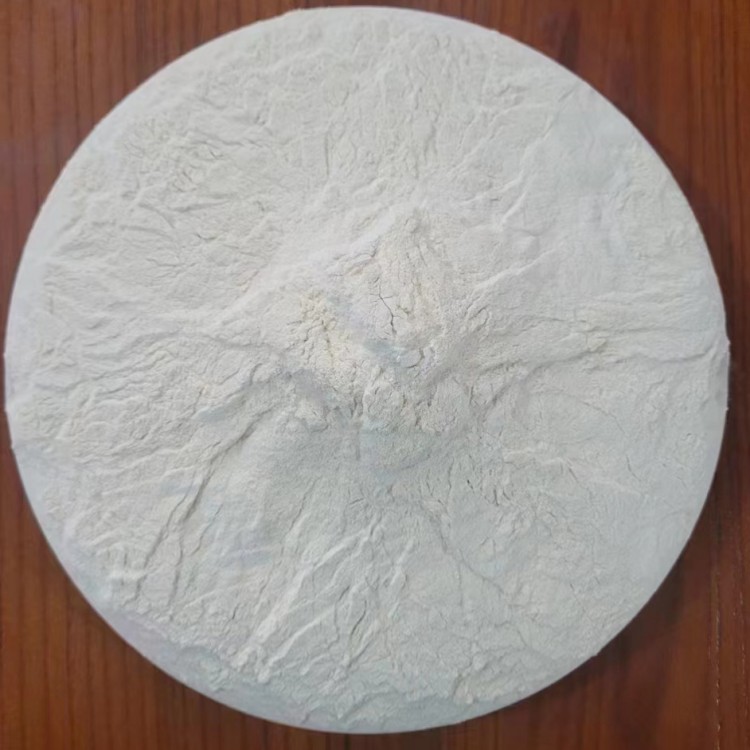

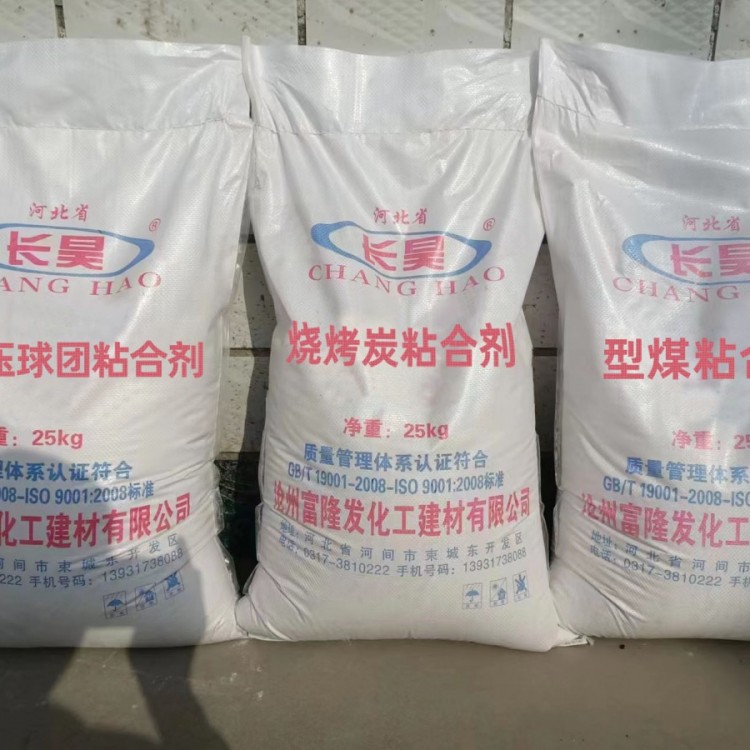
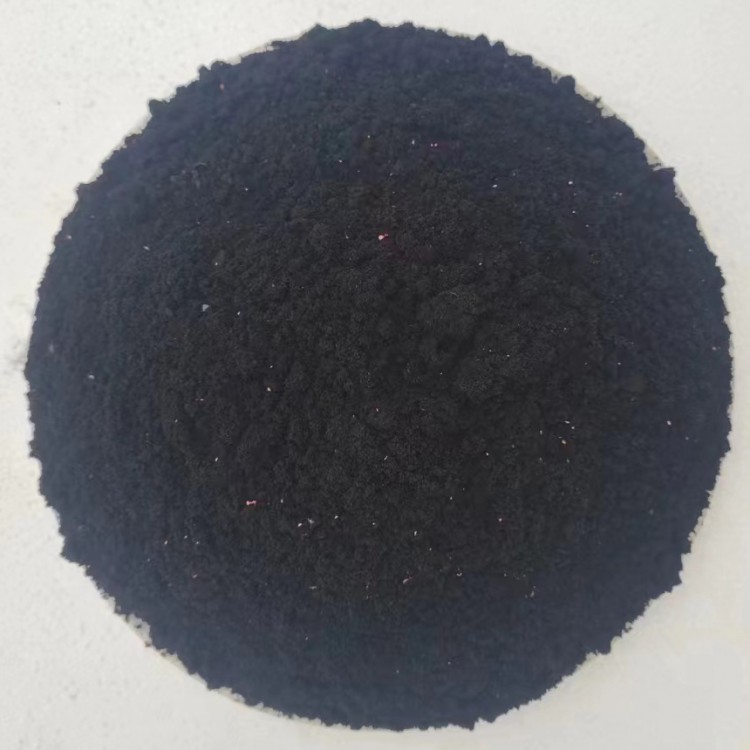 Charcoal Binder for Barbecue Charcoal
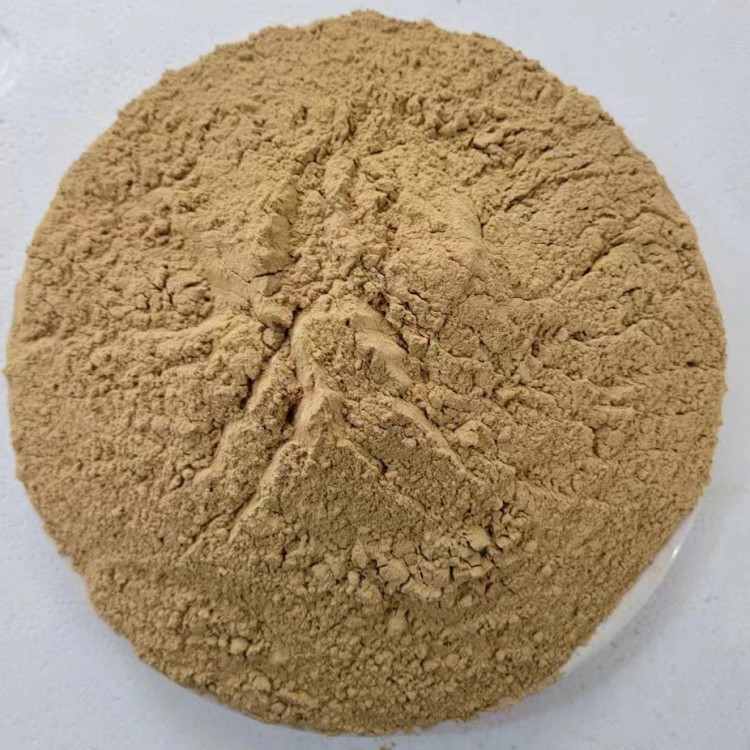 High-viscosity yellow and white bentonite binder
 High-efficiency preparation of granular activated carbon binder
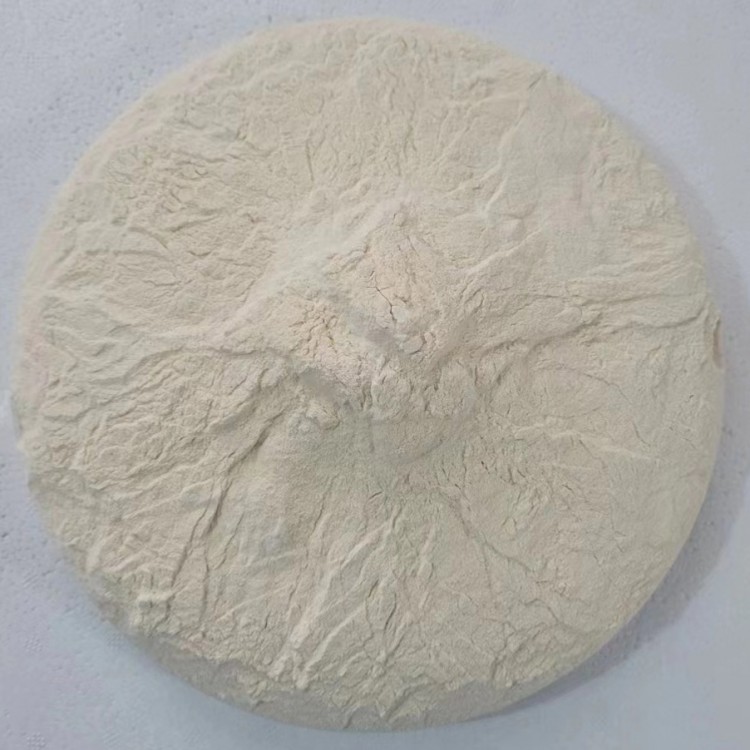 High-temperature-resistant calcium carbide coal binder
 High-efficiency preparation of granular activated carbon binder
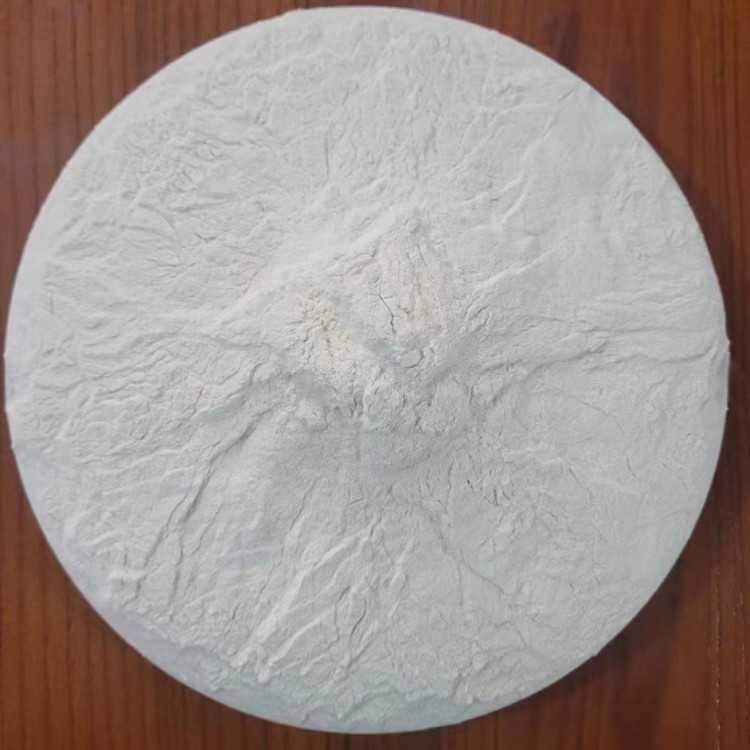 High-efficiency preparation of granular activated carbon binder
 Fluorspar powder adhesive
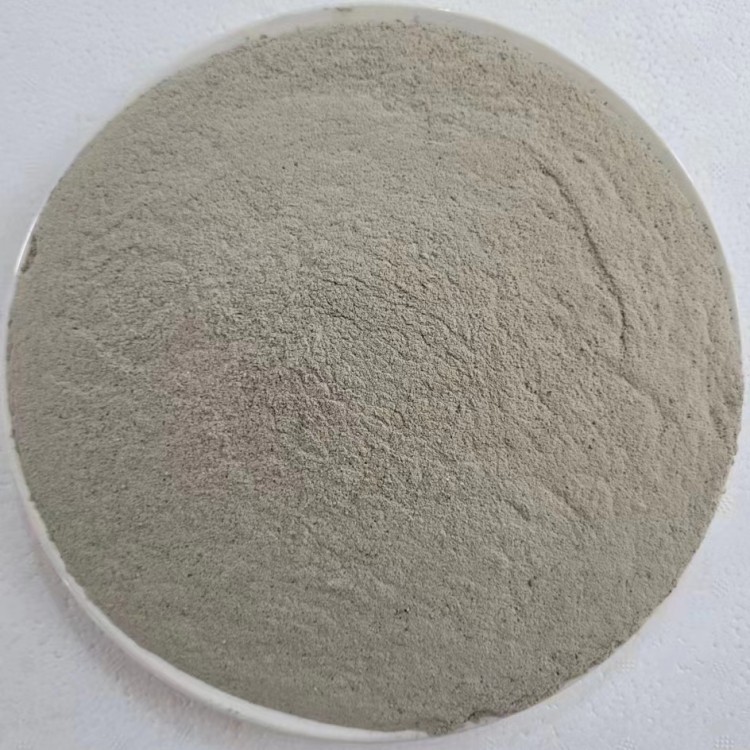 Sulfuric slag binder
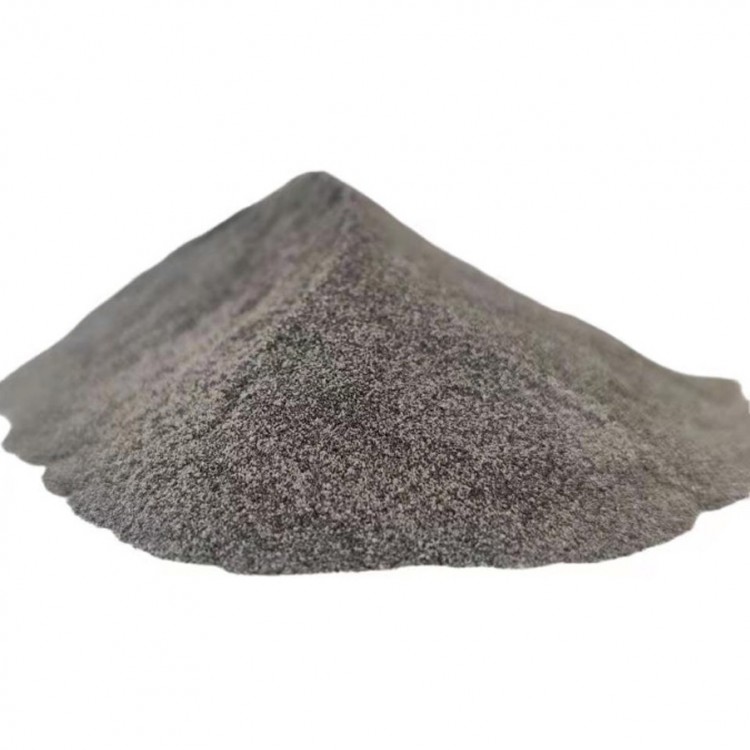 Iron-rich sediment adhesive
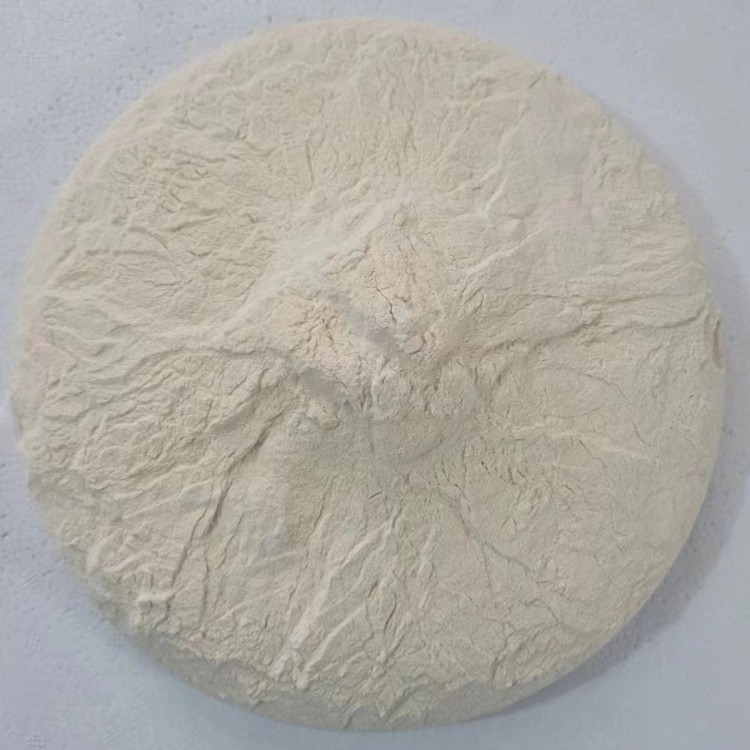 High-temperature resistant calcium carbide coal binder