

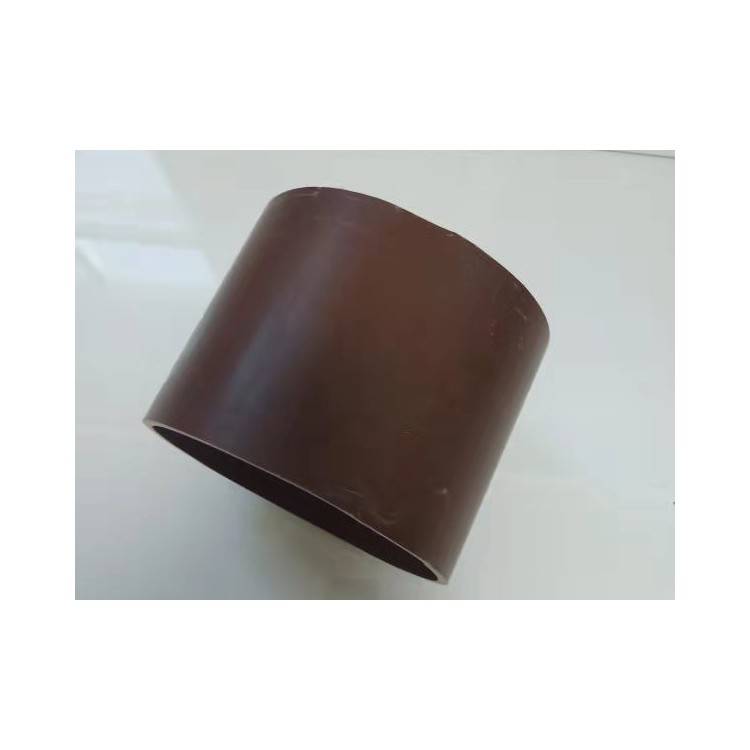

1. Introduction to RMDP Power Pipe
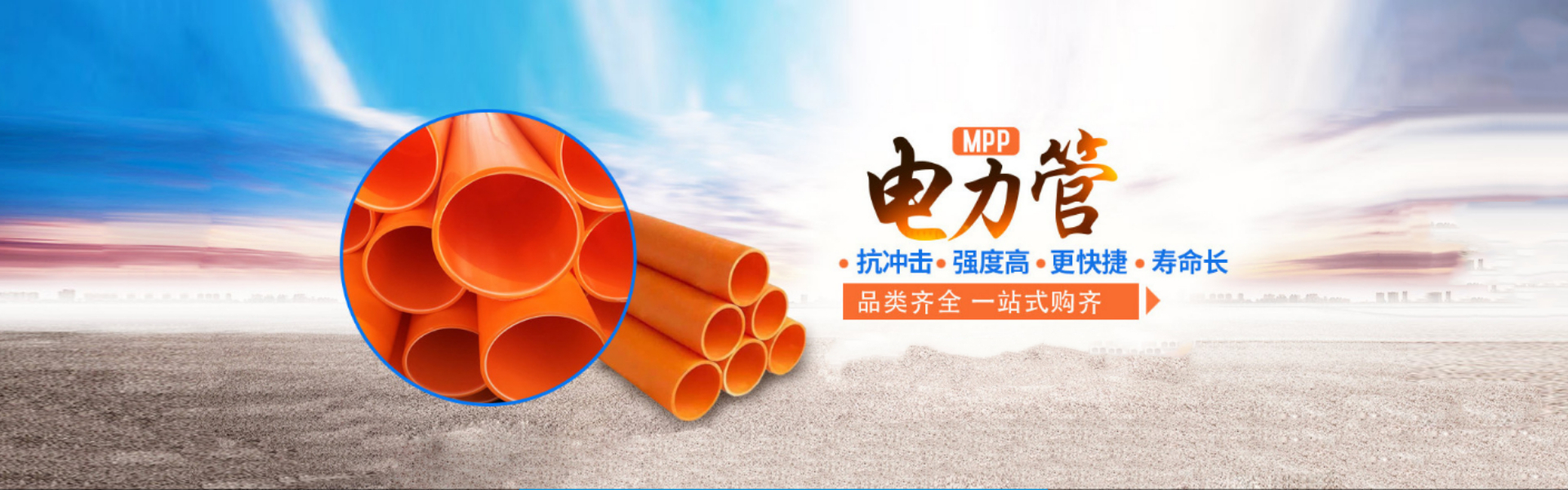
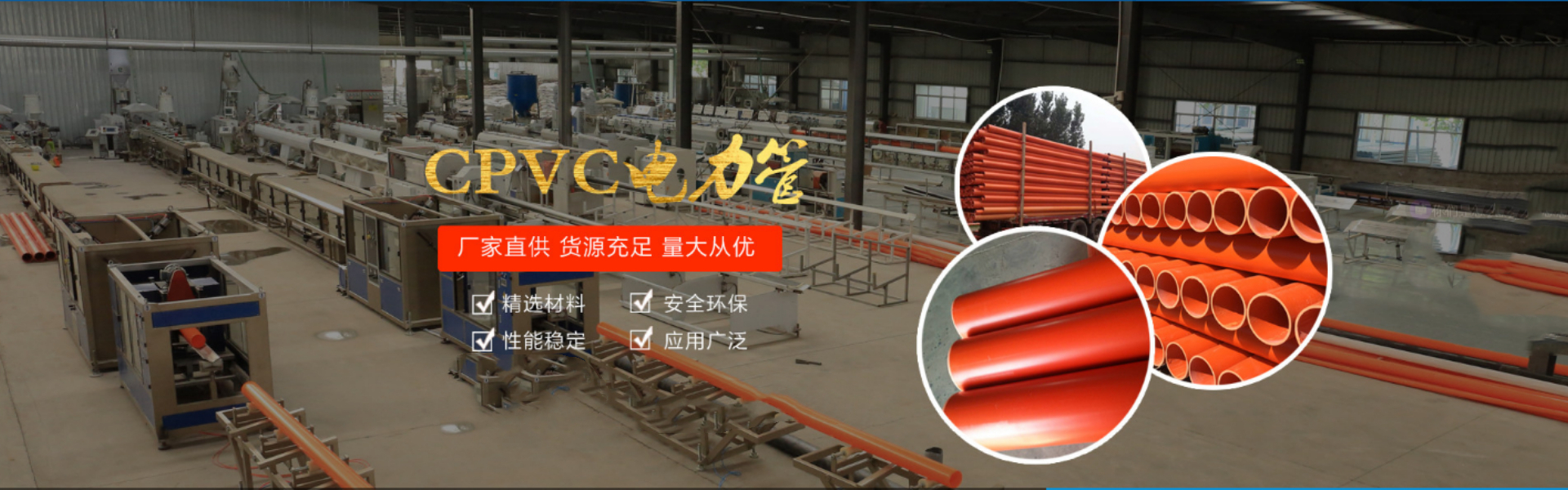
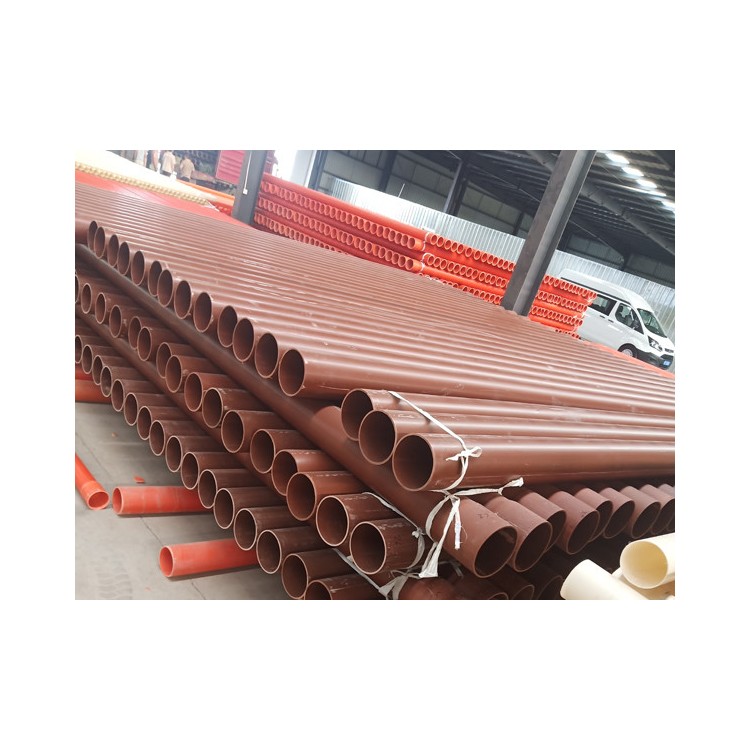
RMDP power protection conduits, also known as red mud pipes, are primarily used for laying power cables and serve as a guide and protection for the cables, capable of replacing the current steel pipes and asbestos cement pipes used in the power system. This product boasts high strength, corrosion resistance, high-temperature resistance, slow aging, no eddy current generation, low friction coefficient, and easy installation with no need for concrete protection layer, thereby reducing construction costs. The standard length of the RMDP cable protection conduit is 6 meters, featuring socket and spigot connections, and is primarily laid by direct burial.
2. Advantages of RMDP Power Pipe
RMDP Power Cable Protection Conduits, primarily used for laying power cables and providing guidance and protection, are an ideal substitute for the steel pipes and asbestos cement pipes currently used in power systems. This product boasts high strength, corrosion resistance, high-temperature resistance, slow aging, no eddy current generation, low friction coefficient, and ease of installation with no need for concrete protective layers, thereby reducing construction costs.
3. RMDP Electrical Pipe Installation Instructions
1. Excavation Width: The width should be sufficient for pipe connections, foundation work, and backfilling. Generally, the excavation width of the trench is 0.8m to 0.85m smaller than the laying width for asbestos-cement pipes. 2. Foundation Construction: Typically, the trench bottom should be leveled to ensure the pipe support is flat and level. If the soil is loose, it is recommended to lay sand or a layer of 100mm plain concrete under the pipe support. For poor soil quality, a 200mm thick reinforced concrete base plate with a grade of C20 should be laid under the导管 bottom. 3. Pipe Support Arrangement: Standard long pipes are equipped with 3 sets of pipe supports, with a spacing of 1.5 meters and 0.5 meters from the joint. The supports are connected using dovetail pins. 4. Pipe Connection: Pipe connections use socket-and-spigot joints. Apply a small amount of lubricant to the sealing ring at the expanded end, and the installation can be done. 5. Backfilling: Use fine soil or sand for backfilling, but compact the layers individually.
