



- AllProduct Category
-
FMEA Software
APQP Training
Internal Auditor Training
Internal Trainer Program


Recommended Products
Internal Auditor Certification Training _ Metrology Internal Auditor Training

Internal Auditor Training _ Second-Party Auditor Training _ IATF 16949

IATF 16949 Process & Product Audit Training

Metering Internal Auditor - Calibration Technician Training - Internal Auditor Certification meeting Dual and Tripartite Audits

Calibration Technician - Calibration Technician Training - Internal Auditor Certificate, Compliant with Second-Party and Third-Party Audits
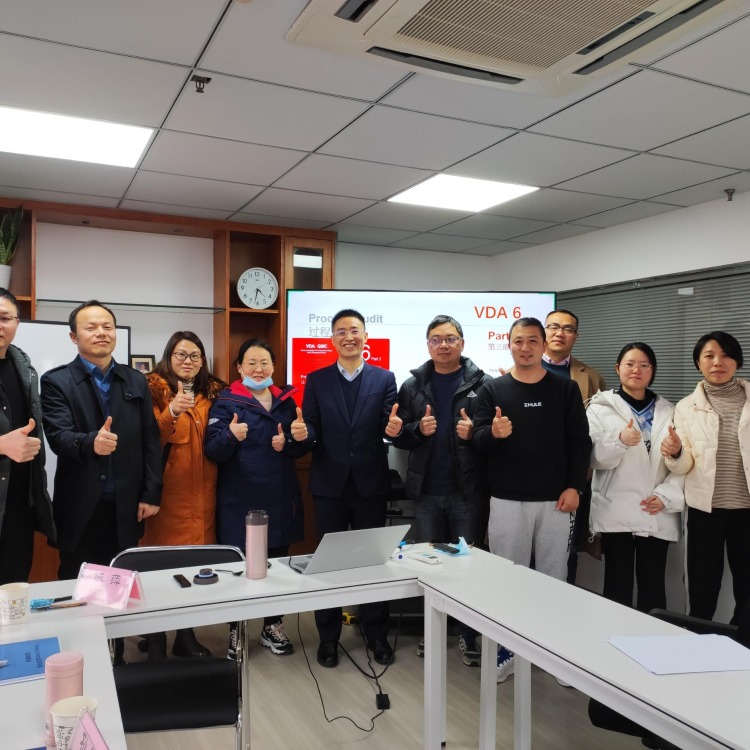
ISO 9001 Internal Auditor Training Course
详情描述
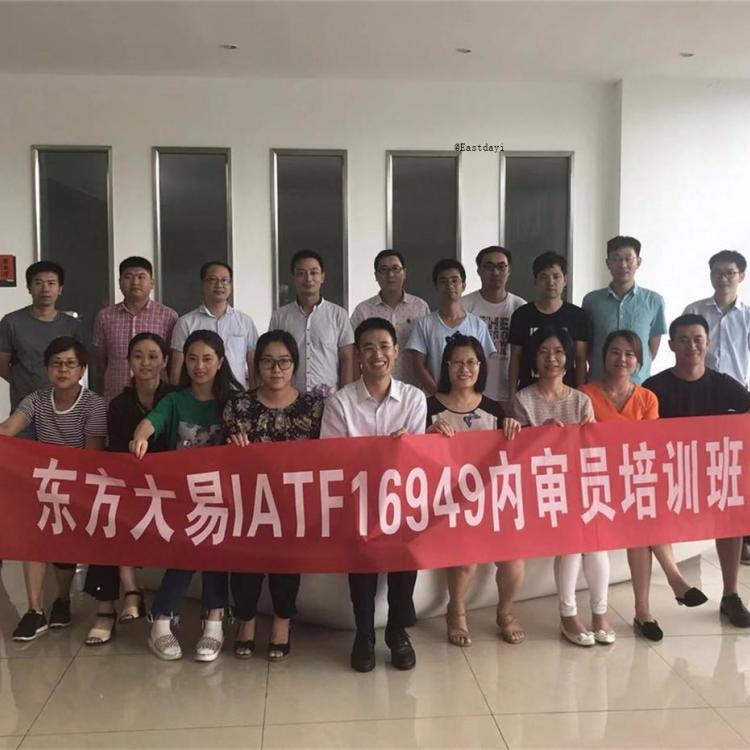
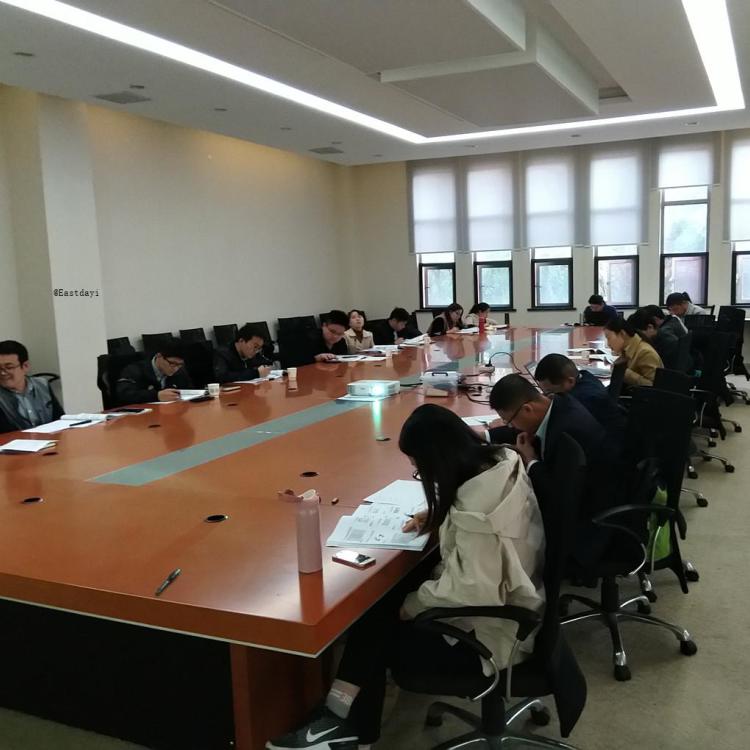
In-house auditors are offered monthly training sessions. Welcome to inquire.
Course Background
IATF 16949:2016 was released on October 1, 2016. This version's changes are primarily influenced by the new ISO 9001:2015 edition, with revisions made to the previous version based on specific customer requirements.
Regarding the new standard: The first edition of IATF16949:2016 will replace the third edition of ISO/TS16949. The aim of developing this new version of the standard is to further develop and improve the quality management system in the automotive industry, to achieve continuous improvement, emphasize defect prevention, and reduce variation and waste in the supply chain.
This course aligns with the ISO9001:2015 revised structure, explaining the elements and standards of IATF16949:2016, supplemented by the latest recognized interpretations of SI. It meets the requirements of certification audits and customer audits. The training will emphasize the specific management requirements and methods in the automotive industry: process approach requirements, management of customer-specific requirements, management of product-specific characteristics, traceability requirements, and the new structure aligned with ISO9001:2015, including risk management requirements, management of safety-related requirements, management of embedded software products, temporary change control, NTF (No Fault Found) management requirements, and explanations of supplier management and development requirements. This is to help learners understand the new version requirements internally and prepare for external audits from second and third parties.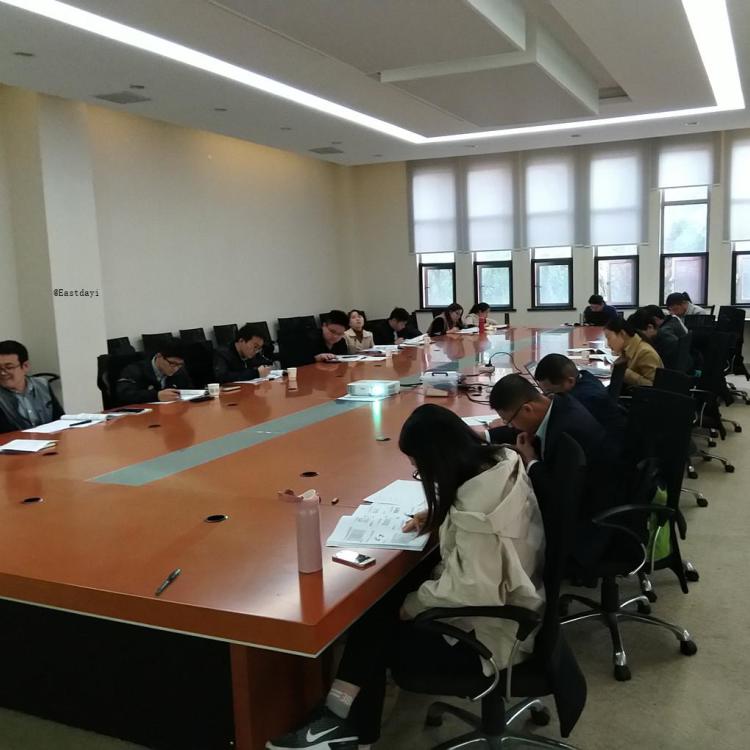
Target Audience:
Automotive industry department heads, department supervisors, and internal management staff; automotive parts manufacturers; companies that have adopted or are planning to implement the previous version of TS16949; automotive industry supplier quality engineering (SQE) departments; automotive industry quality engineers; system advancement personnel in the automotive manufacturing sector; and individuals seeking to enhance their company's quality management.
Course Outline:
This course integrates the requirements of the new version transition process for enterprises, explains the elements and standards of IATF 16949:2016, and systematically elaborates on how to meet the new version requirements. By attending the training, participants gain an understanding of the standard requirements and practices, preparing them to conduct internal revision work or for enterprises and individuals who have already completed the transition but need to improve, to prepare for external audits from second and third parties.
[Part 1]
1. Your Standard
2. IATF 16949 Overview
3. Understanding and Application of Process Methods and Risk-Based Thinking Models
Part Two: Standard Layout
Standard Sections 4-5-6 Description
1) Framework and Logical Relationship
2) How to Plan a Comprehensive Quality Management System
3) Writing of Quality Manual and Precautions
4) Scope of Quality System Requirements
5) Identification and Evaluation Management Process for CSR
6) Planning of Responsibilities and Authority, along with Cautionary Notes
7) How to Develop a Business Plan (Policy and Goal Management)
8) How to Plan for IATF 16949 Regulatory Management Processes
9) Product safety management process, combined with special characteristics management
10) New version on how to implement emergency plans
Section 7 Standard Description
1) Resource Management Framework Description
2) Human Resource Management Requirements Description
3) Position Requirements and Allocation
4) Employee Training and Competency Management
5) Auditor (Internal and Second-Party) Management Requirements
6) Employee Awareness and Motivation Management
7) Equipment Management Process Description
8) Exploration of Equipment Planning and Manufacturing Feasibility
9) TPM Overview
10) The differences between preventive maintenance, periodic inspections, and predictive maintenance
11) Explanation of OEE and Equipment Maintenance Related Indicators
12) Industrial Mold Management Requirements Explanation
13) Requirements for Inspection and Measurement Equipment Management
14) How to Meet the New MSA Requirements
15) Explanation of Internal and External Laboratory Management Requirements
16) Overview of Environmental Safety
17) Establishment of a Knowledge Management System
18) Experience and Lessons Learned Management Description
19) Requirements for File and Record Management
20) Explanation of New Version Record Retention Period
Section 8 of the Product Realization Chapter
1) Product Implementation Framework Description (Incorporated with APQP Framework)
How to Conduct a Feasibility Evaluation for New Products (in conjunction with the APQP Phase I)
3) Contract Order Review Requirements
4) New Edition on Product Process Design Requirements (Expanding on APQP Phase 2 and 3)
5) How to Conduct Product Process Confirmation (Incorporating APQP Stage 4, with PPAP Expansion)
6) Explanation of Change Management Process (Product Process Change, Temporary Change, 4M Change)
7) Supplier Management Process Overview
8) How to Select Suppliers
9) How to Conduct Supplier Risk Assessment
10) Requirements for Supplier System Development
11) Key Points of Supplier Performance Monitoring
12) Key Points and Standards for Second-Party Supplier Audit
13) Methods and Process for Supplier Development
14) Framework for Product and Service Provision
15) Process Control Description
16) Job Preparation Verification and Shutdown Verification
17) Identification and Traceability Requirements Description
18) Traceability Plan Requirements
19) Product Protection Requirements Description
20) Service Description (including warranty, after-sales failure analysis, and NTF requirements)
21) Product Release Control Instructions
22) Material Product Control and Compliance with Regulations Statement
Chapter 9-10 Overview
1) Description of Three Monitoring Methods in the System
2) Key Requirements for Customer Satisfaction Analysis
3) Production Process Monitoring (SPC) Description
4) KPI Monitoring Requirements
5) Internal Audit Requirements Explanation
6) Management Review Understanding
7) Improvement Description
Part Three: Examination
Exam
Companies with over 10 employees can arrange on-site training, with a focus on system explanation.
Registration Methods: [Interactive Bar, WeChat, phone, QQ online, or directly visit our company for registration]
Over 10 people in the company? We can arrange in-house training with system-oriented explanations.
Training Fee: 1980 RMB per person
(Including training, teaching materials, resources, exams, certifications, Chinese cuisine, registration, etc.)
Assessment and Certification
Certification awarded to qualified examinees as internal auditors


