
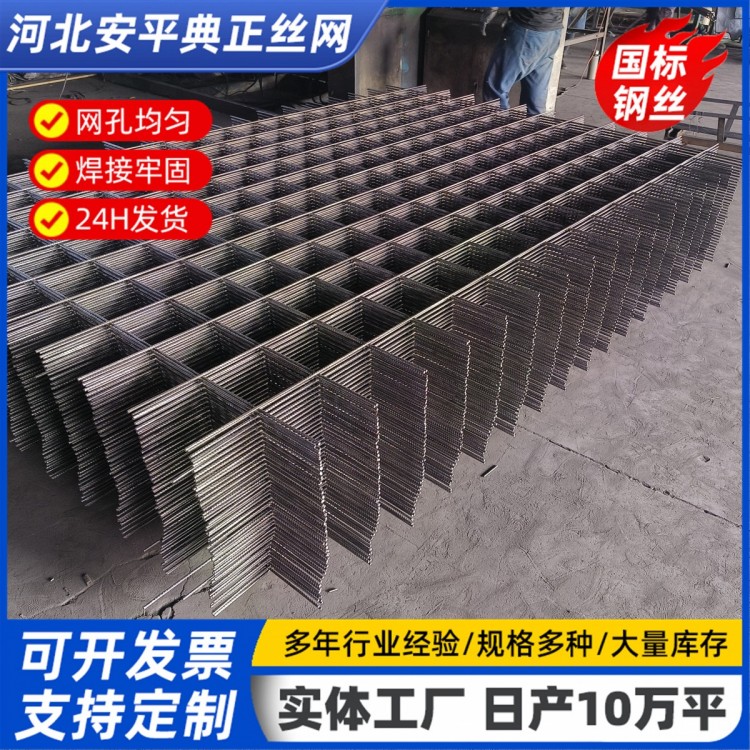
 Direct Manufacturer of Construction Mesh
 Galvanized Mesh Direct from Manufacturer
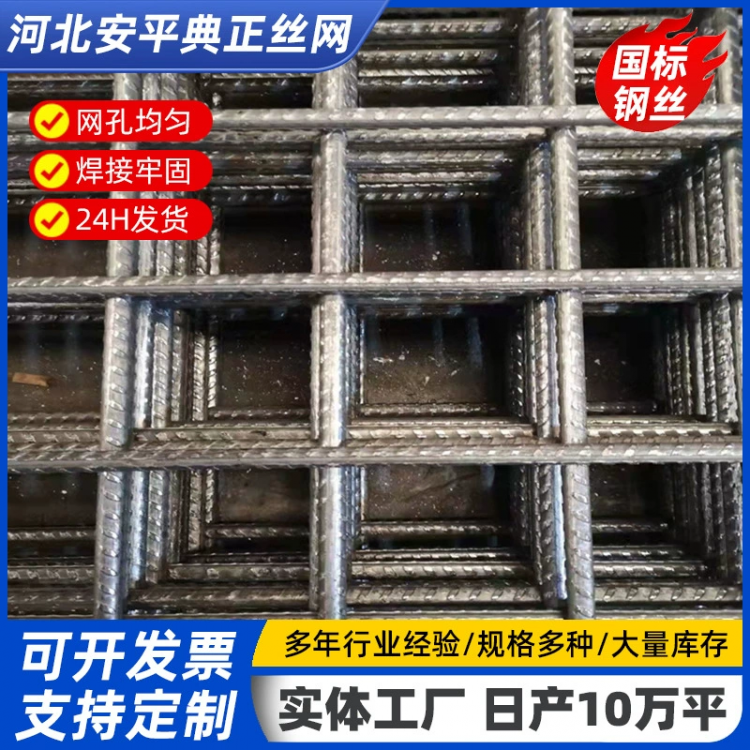 Rebar mesh source manufacturer
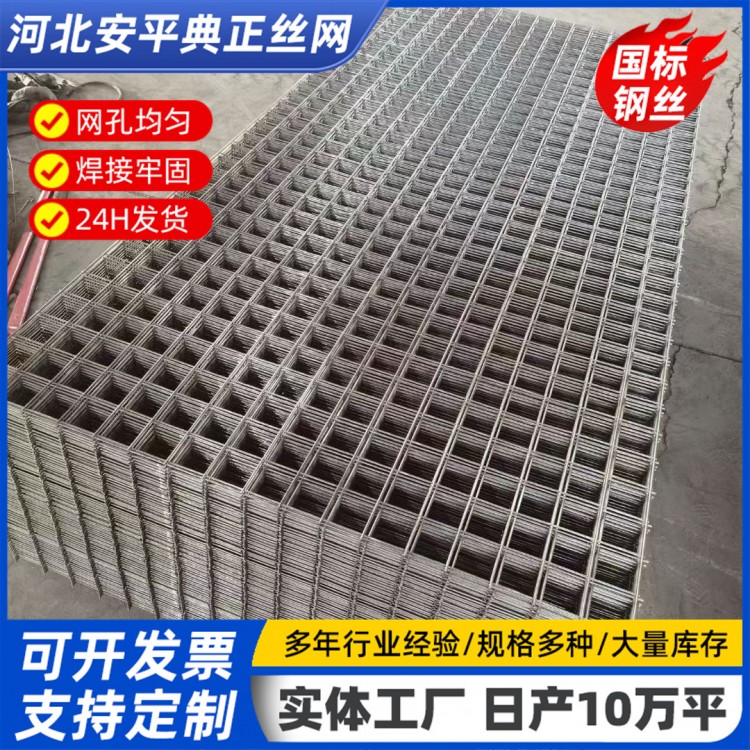 Building Mesh in Stock Supply
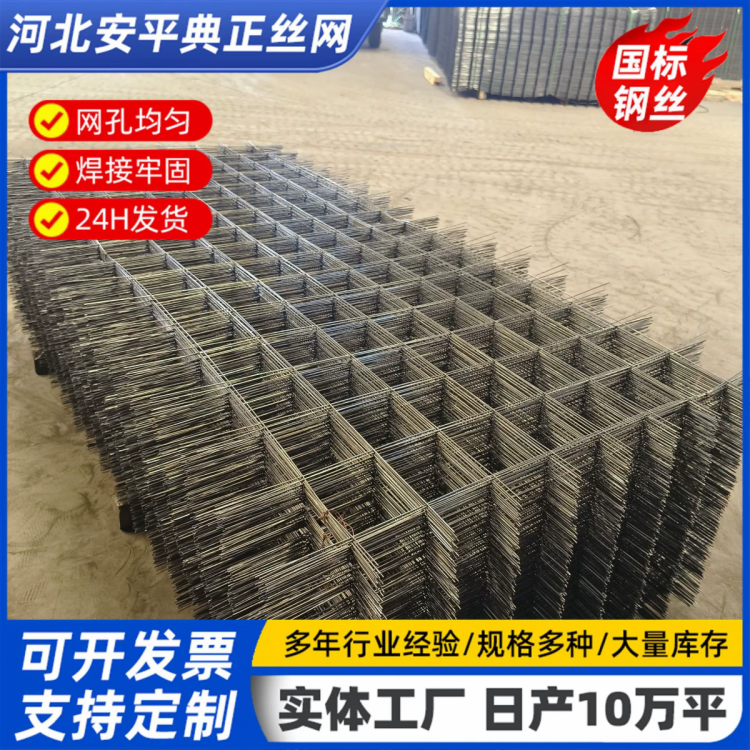 Radiant Heat Mesh in Stock Availability
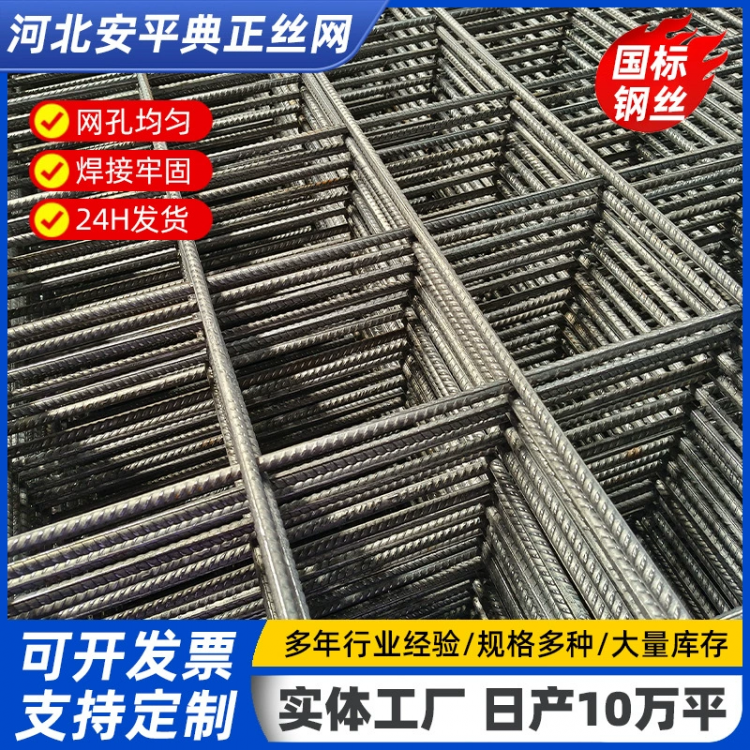 Rebar Mesh Source Manufacturer
Product Details

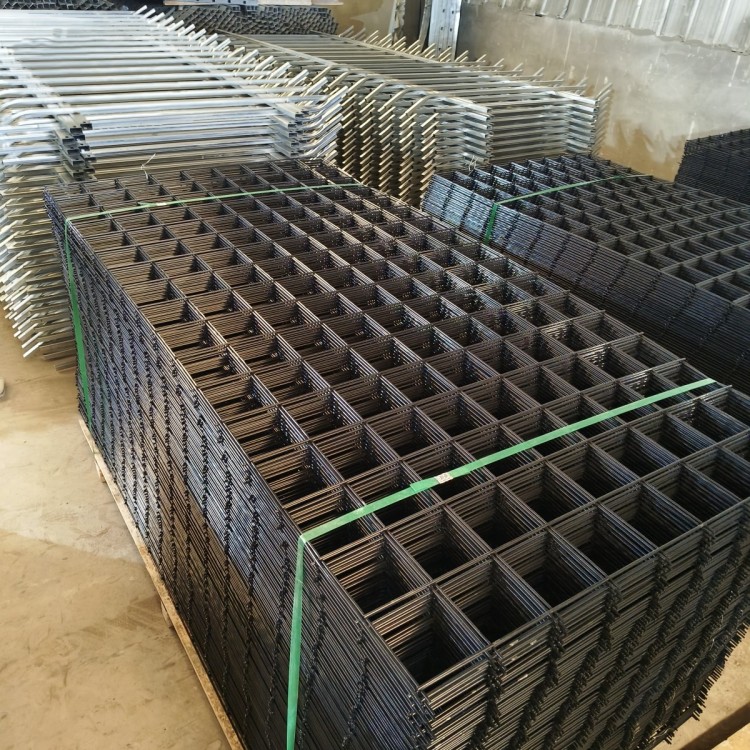
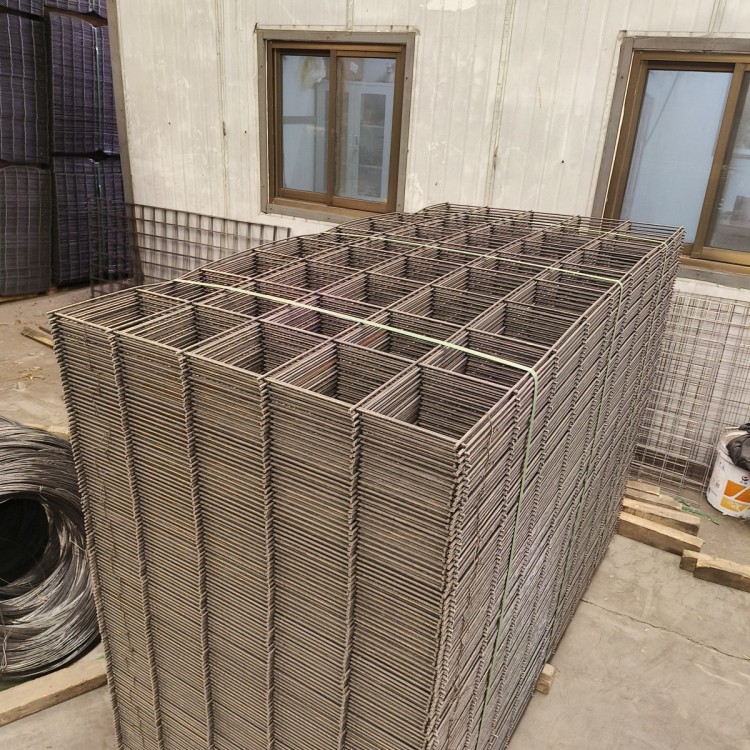
Building Mesh, Floor Heating Mesh, Galvanized Mesh, Reinforcement Mesh, and o...

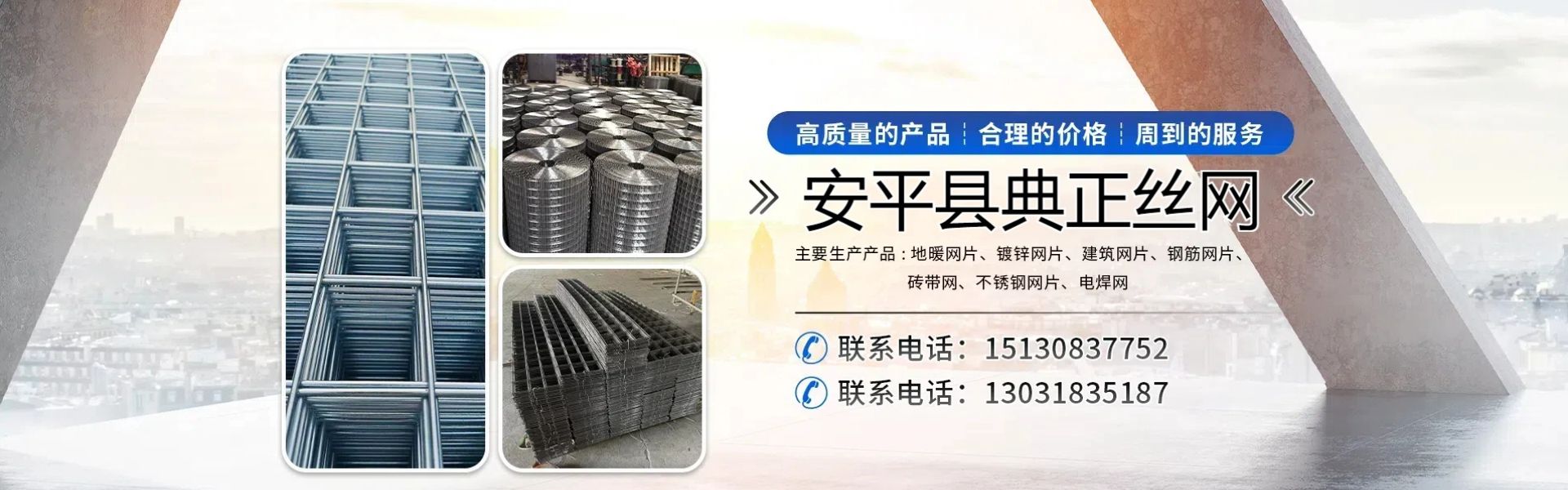
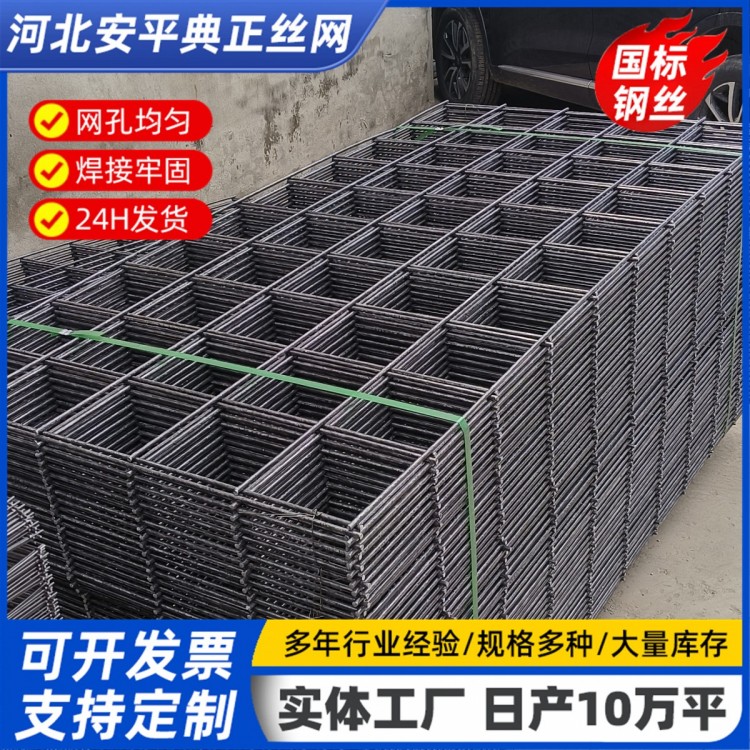
产品Price 2.50/square meters
最小起订Quantity:1 square meters 供货总Quantity: 989888 square meters


Origin |
|
Available Territory |
National |
Can be customized |
Customizable |
Shipment Method |
Logistics |
Color |
Black |
Process |
Welding |
Building mesh is commonly made from low-carbon steel wire, stainless steel wire, or galvanized wire. Low-carbon steel wire is cost-effective and has certain strength; stainless steel wire is highly corrosion-resistant and suitable for environments with high corrosion resistance requirements; galvanized wire, after galvanizing treatment, boasts excellent rust prevention properties. Features of Building Mesh 1.Durable and Robust: High in strength and toughness, capable of withstanding pressure and tension, it resists deformation and breakage, ensuring the stability of the building structure. 2.Perforation Uniformity: The hole size is uniform, facilitating even support, protection, or filtration in construction applications. 3.Construction convenience: Light in weight, easy to transport, and can be cut, bent, and joined according to construction requirements, enhancing efficiency and shortening the construction period. 4.Corrosion and Rust Resistance: Materials like galvanized or stainless steel offer excellent corrosion and rust resistance, extending service life and reducing maintenance costs. Building mesh categorized by use: includes underfloor heating mesh, used for securing underfloor piping, enhancing ground bearing and heat dissipation; wall insulation mesh, used in building wall insulation systems, preventing wall cracking; and safety mesh, used for safety protection on construction sites. Categorized by processing technology: includes electrically welded wire mesh, which connects steel wires into a mesh through resistance spot welding; and woven wire mesh, made by weaving steel wires, offering good flexibility. Mesh screens in concrete structures enhance the concrete's crack resistance and shear strength, improving the overall structural performance, such as in floors, walls, and bridges. As part of the wall insulation system, they can secure insulation materials, boost insulation efficiency, and prevent wall cracking. They are used for safety protection at construction site stair openings, elevator shafts, reserved holes, passageways, and temporary guards for balconies, floors, and roofs, ensuring the safety of construction workers. Can also be used in architectural decoration, filtration, ventilation, etc., such as serving as the base framework in certain architectural decorative shapes, or as auxiliary material for air filtration in ventilation systems. 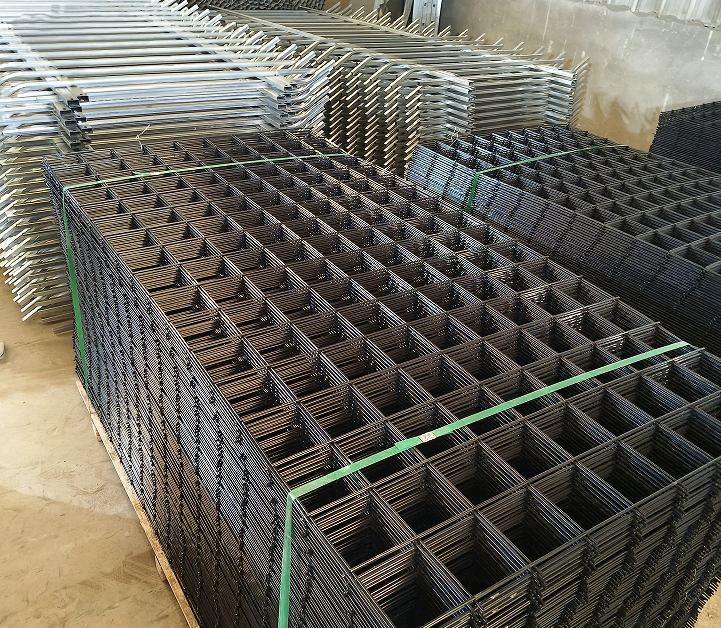
Phone Consultation