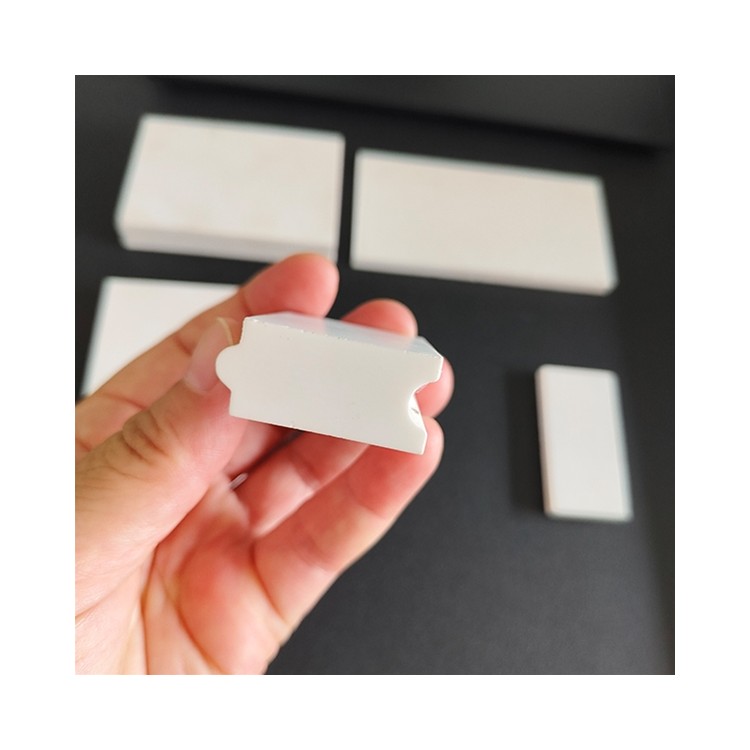
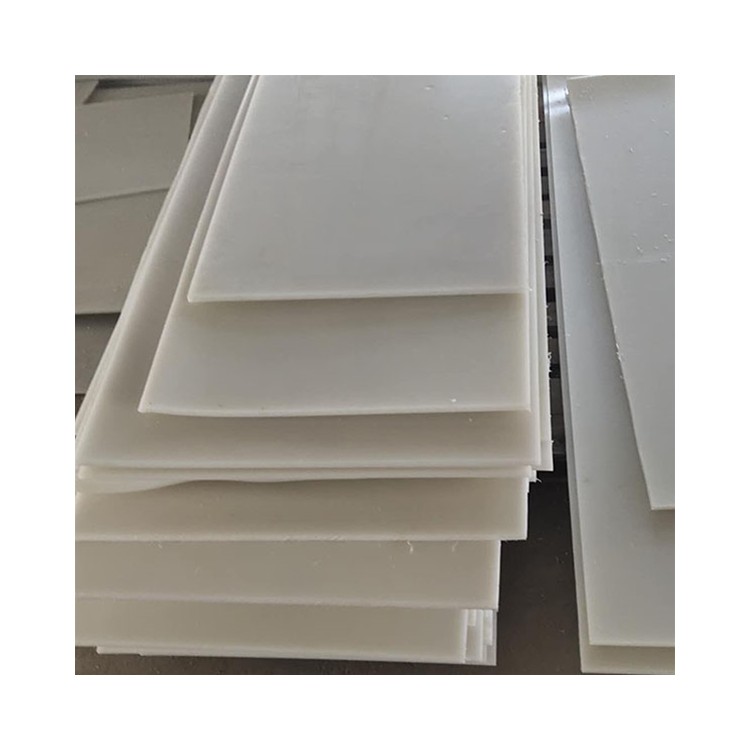
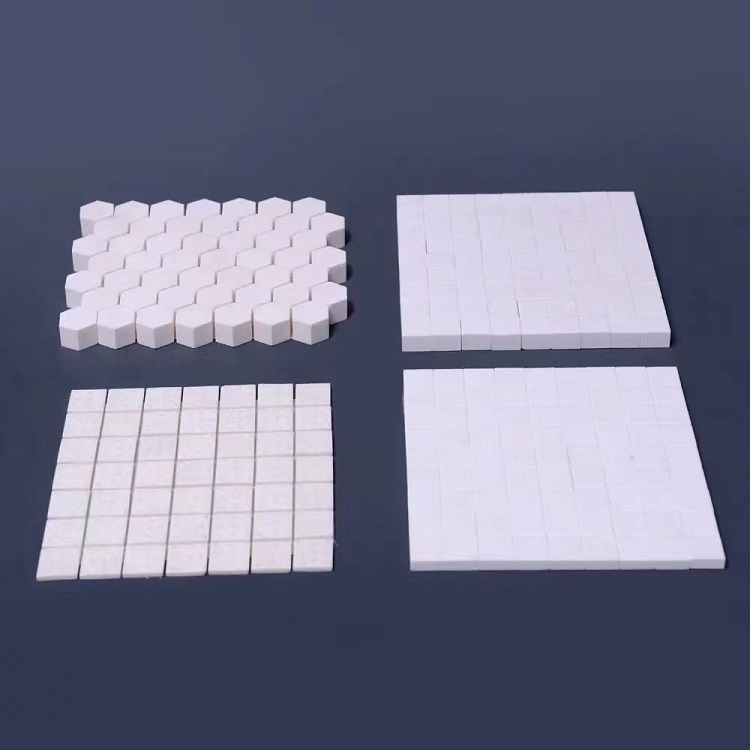
Ceramic liners, ceramic elbows, special-shaped parts, alumina ceramic, three-in-one ceramic liners, silicon carbide, cast stone plates, rolled microcrystalline boards, high-density polyethylene, etc.
13475160300


Alumina structural ceramics monoclinic ZrO2 transforms into tetragonal ZrO2, then into orthorhombic ZrO2, and finally into a melt at 1170°C, 2370°C, and 2715°C. Natural ZrO2 and ZrO2 obtained by chemical methods belong to the monoclinic crystal system. The transition between monoclinic and tetragonal crystal structures involves a volume change of about 7%. When heated, monoclinic ZrO2 transforms into tetragonal ZrO2, causing volume contraction, while cooling leads to the transformation from tetragonal to monoclinic ZrO2, resulting in volume expansion. However, this contraction and expansion do not occur at the same temperature; the former is around 1200°C, and the latter around 1000°C. Due to the volume changes caused by crystal phase transitions, cracking can occur, making it difficult to produce pure alumina ceramics. To address this, a practical invention involves adding an appropriate amount of crystal phase stabilizer Ca.O、MgY2O3, CeO2, and other rare earth oxides, along with others, may lower the transformation temperature of ZrO2 to below room temperature, making it firmly stable at high temperatures.
Alumina Ceramic Production and Utilization:In 1975, R.G. Garvie in Australia produced locally bonded alumina ceramics using calcium oxide as a binder, and utilizing the toughening effect of the martensitic phase transformation of alumina, enhanced both toughness and strength, thereby expanding the application of alumina ceramics in the field of structural ceramics.
Alumina Ceramic BearingsAlumina full ceramic bearings feature anti-magnetic, electrical insulation, wear resistance, corrosion resistance, oil-free self-lubrication, high-temperature resistance, and high-cold resistance, making them suitable for harsh environments and special operating conditions. Currently, alumina ceramic bearings have been adopted by miniature cooling fans, with superior product lifespan and noise stability compared to traditional ball and sliding bearing systems. Foxconn Corporation was the first to use alumina ceramic bearings in computer cooling fans.
Alumina Ceramic ValvesCurrently, metal valves are widely used across various industries in our country, with a history of over a century. During this time, there have indeed been transformations in materials and structures. However, due to the inherent limitations of metal materials, the corrosion and degradation of metal greatly affect the wear resistance, durability, and service life of valves. The combined effects of mechanical and corrosion factors greatly increase the total wear on the contact surface. During valve operation, the surface wear and damage are caused by the simultaneous mechanical action and chemical or electrochemical interactions between the metal and the environment. For valves, the complexity of the pipeline working conditions is a challenge; the presence of carbon dioxide and certain organic acids in oil layers and water mediums increases the surface destructive force, leading to rapid loss of operational capability. Aluminum oxide ceramic valves, with their excellent wear resistance, corrosion resistance, and high-temperature thermal shock resistance, are well-suited for this field.
Alumina Grinding InformationAlumina grinding balls feature high hardness, low wear rate, long service life, and can significantly reduce the contamination of grinding materials, potentially ensuring product quality. Additionally, with a high material density, alumina offers strong impact energy when used as a grinding medium, greatly enhancing the grinding dispersivity and effectively shortening the grinding time. Its excellent chemical stability determines its corrosion resistance, making it suitable for use in acidic and alkaline mediums. Developed by the China Construction Material Research Institute, the alumina ceramic grinding balls have a wear rate of only 0.04/24h and are widely used as grinding media in ball mills, vibration mills, planetary mills, and agitation mills.

Contact us

Service Hotline
13475160300
Company Telephone
13475160300

Address
Shandong Province, Dezhou City, Ningjin County, Dacao Town, West Tang New Street, North of the First Road on the West End
b2b.china9.net © Zhongshang 114 Hebei Network Technology Co., Ltd.Address: Room 6009, Oriental New World Center, No.118 East Zhongshan Road, Qiaoxi District, Shijiazhuang City, Hebei ProvincePlatform Service Hotline: 4006299930