





- AllProduct Category
-
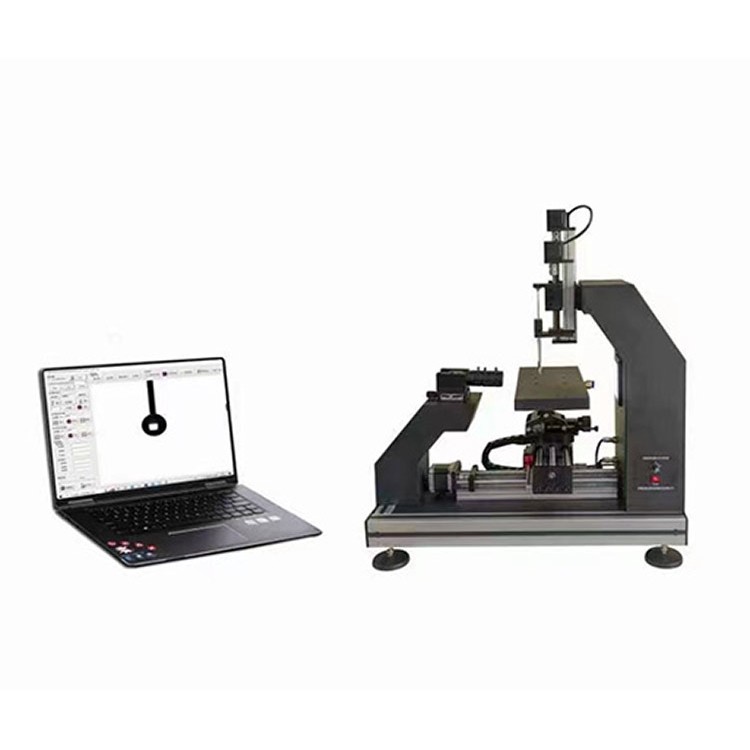
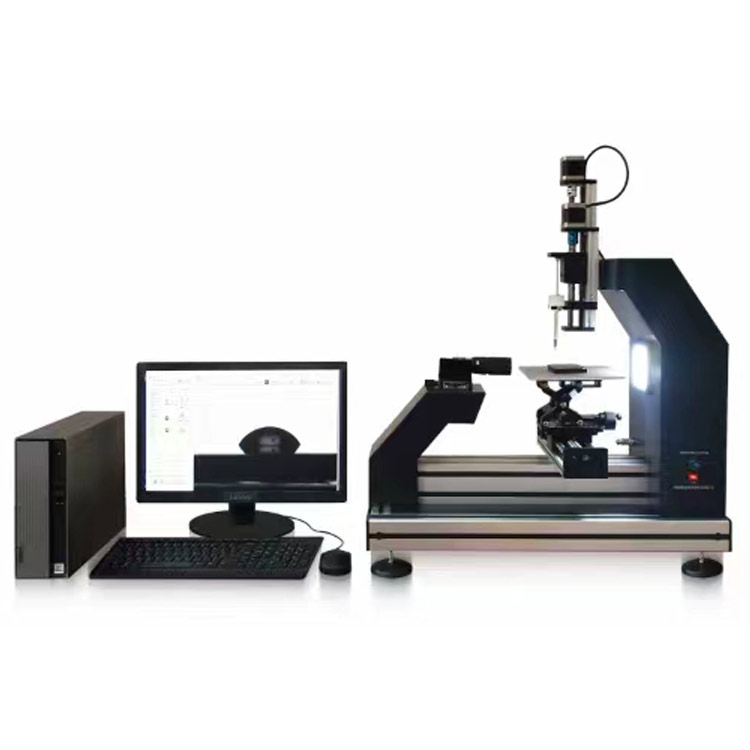
Automatic Video Contact Angle Gauge
All-in-One Watch, Interfacial Tensiometer
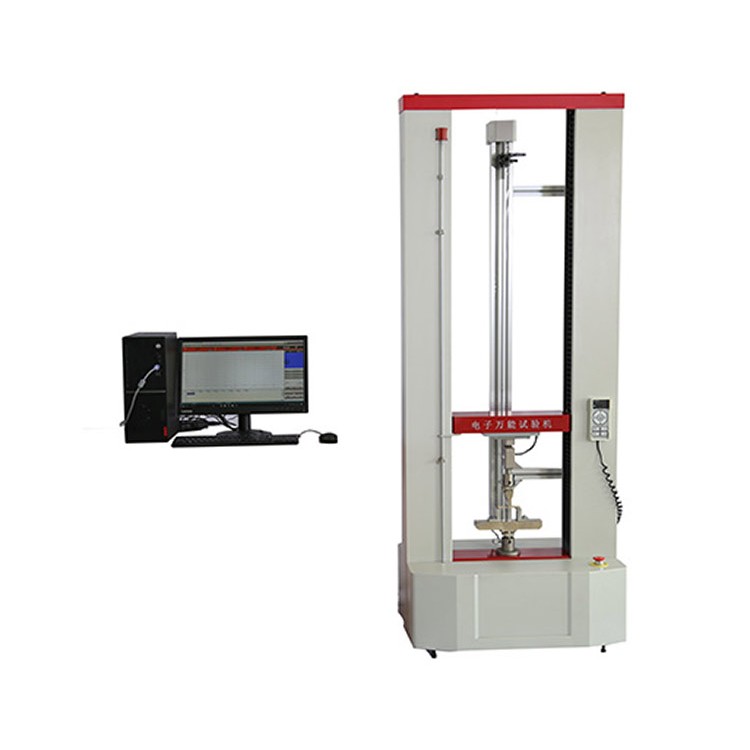
Universal Electronic Testing Machine
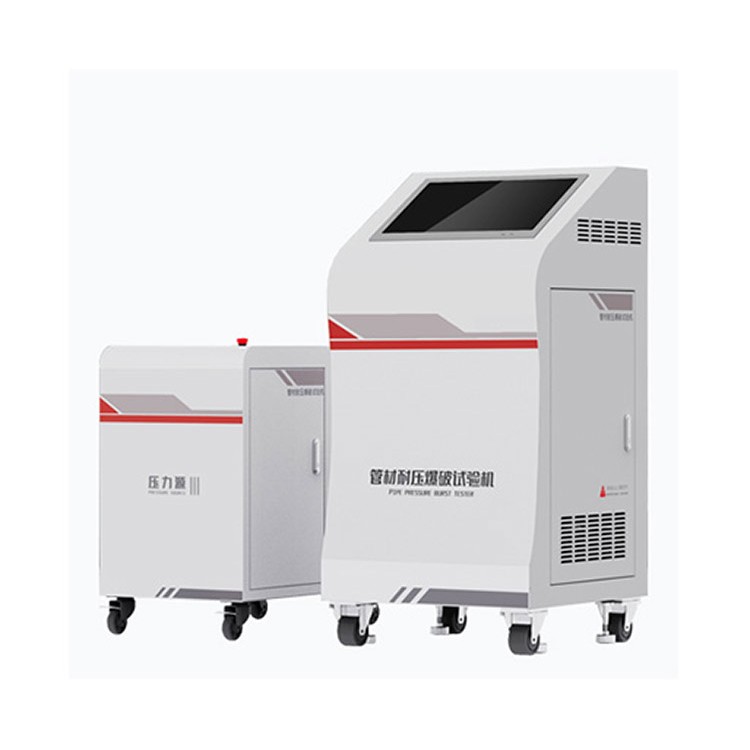
Pipe Material Pressure Burst Test Machine
Pipe Falling Weight Impact Tester
Pipe Ring Stiffness Tester
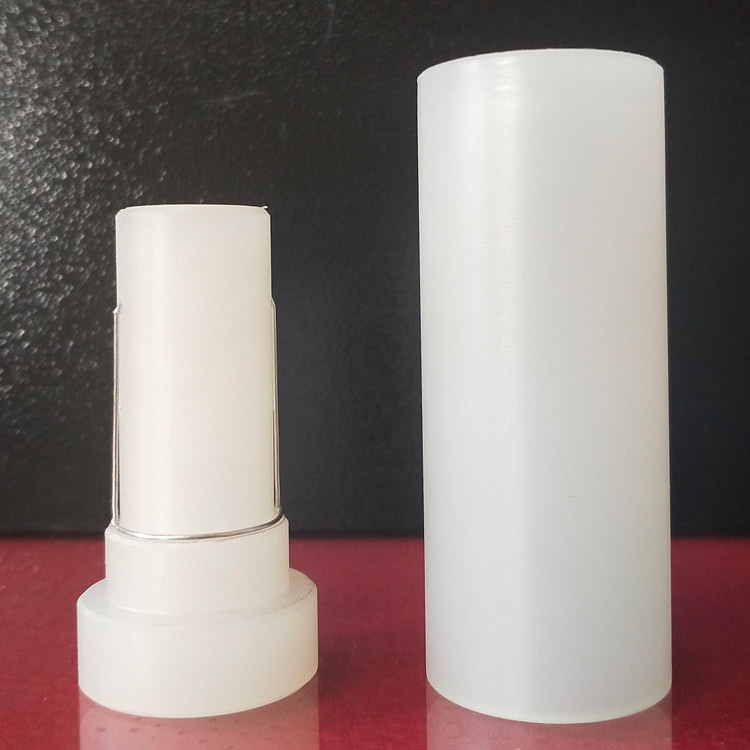
Hot Deformation and Vicat Softening Point Thermometer
Solubility Flow Rate Tester


详情描述
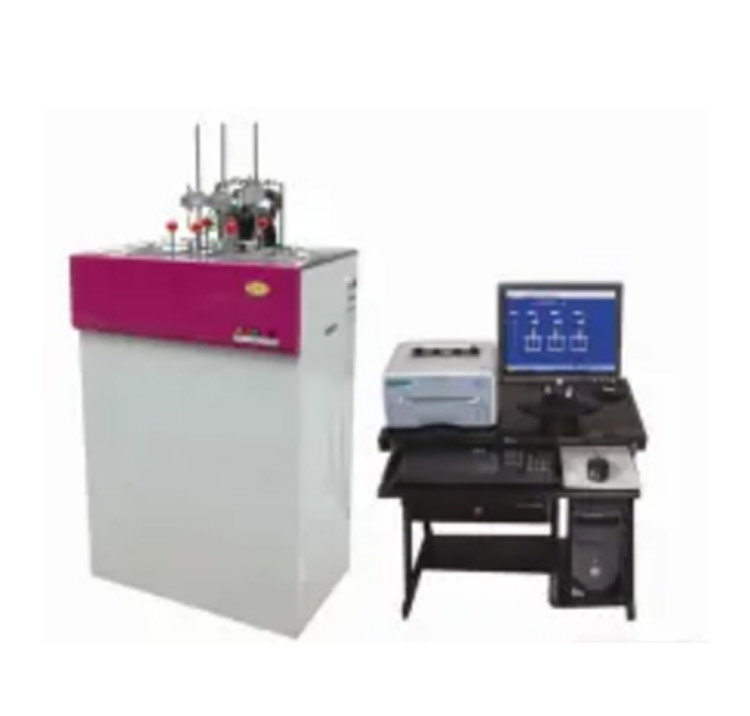
Overview
主要用于 measuring the heat deflection temperature and Vicat softening point temperature of non-metallic materials such as plastics, hard rubbers, nylons, electrical insulating materials, long fiber reinforced composites, and high-strength thermosetting laminates. Easy to operate, precise control, and intelligent in design, this testing instrument is widely used in universities, research institutions, and product quality supervision and inspection units.
This machine features a Chinese operating interface compatible with Windows 98, Windows 2000, or Windows 7, enabling real-time monitoring of test temperature and plotting curves of temperature and deformation. It prints test reports and saves history data. Clicking on any point on the deformation and temperature curves with the mouse automatically displays the deformation amount and temperature value at that point. It is equipped with an automatic lifting and lowering system for the testing machine and uses a high-precision displacement sensor to measure deformation.
Operating Principle
VST Calibrator: Place the sample in a liquid medium or heated chamber and measure the temperature at which a standard pressure needle, exerting a force of (50+1) N, penetrates 1mm into the sample cut from a pipe or fitting under isothermal heating conditions.
Hot Deformation Temperature (HDT) Definition: Standard specimens are subjected to a three-point bending constant load in a flat (preferred) or vertical side position, causing one of the bending stresses specified in the relevant sections of GB/T 1634. The temperature at which a standard deflection corresponding to the specified bending strain increment is reached under uniform heating conditions is measured.
Side-standing: Divided into "flat-lying" and "side-standing" options, it is explicitly stated that the preferred method is flat-lying, with side-standing being only an alternative and subject to cancellation.
Span: The distance between the two contact lines between the bracket and the specimen, changed from one (100mm) to two - 64mm (flat) and 100mm (upright), with tolerance requirements specified, i.e., the span L should be (100+1)mm, and the span L should be (64+1)mm.
Note: Spacing can be adjusted to meet customer requirements.
Three Methods for Load Deformation Temperature
Method A: 1.80 MPa bending stress
Method B: 0.45 MPa bending stress
C Method: 8.00 MPa bending stress


