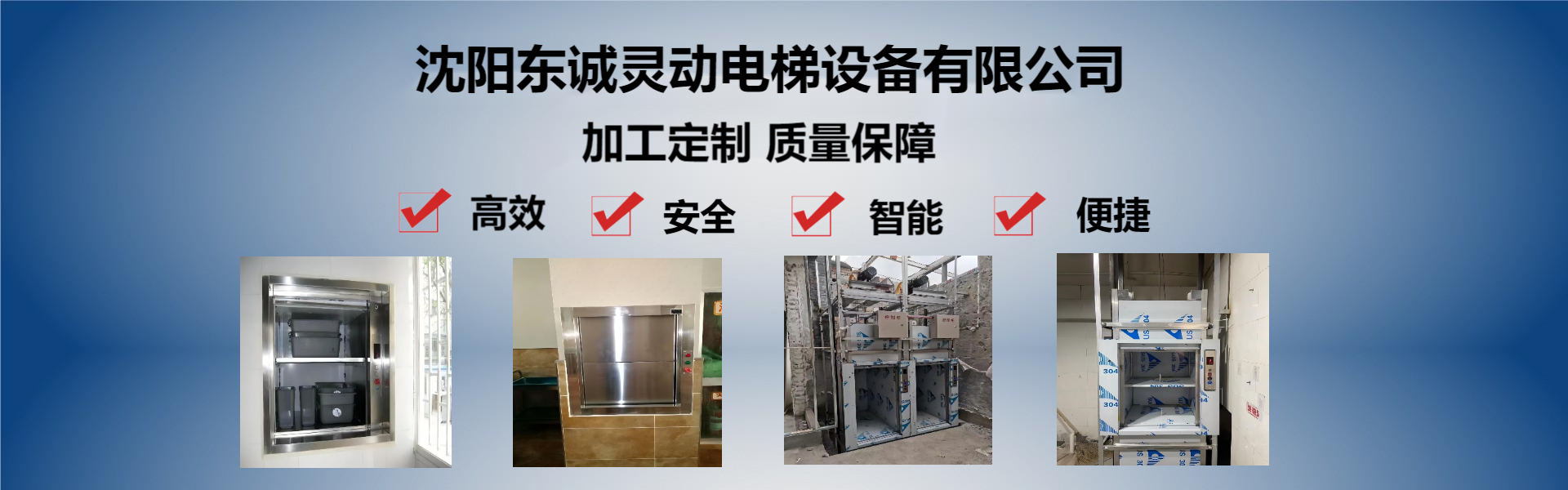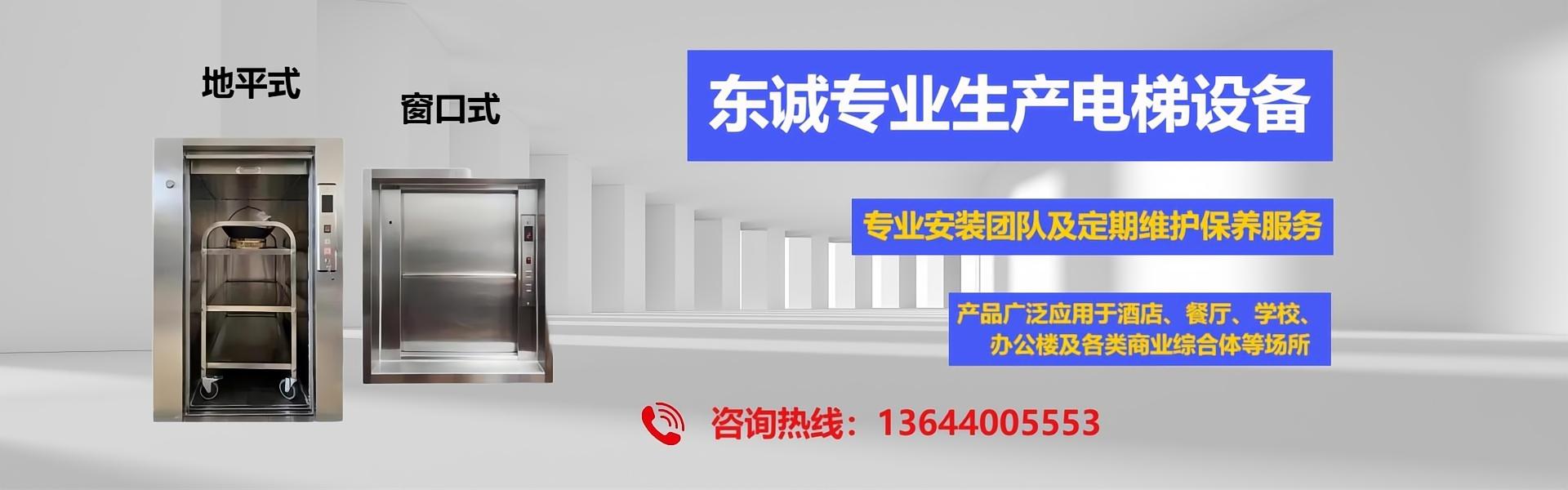
A modern elevator equipment company that integrates professional design, meticulous manufacturing, comprehensive sales, and outstanding service.
13644005553


Product Recommendation
Conceptual Explanation and Setting, as well as Usage Standards of the Catering Elevator
I. Elevator Cuisine Concept Explanation
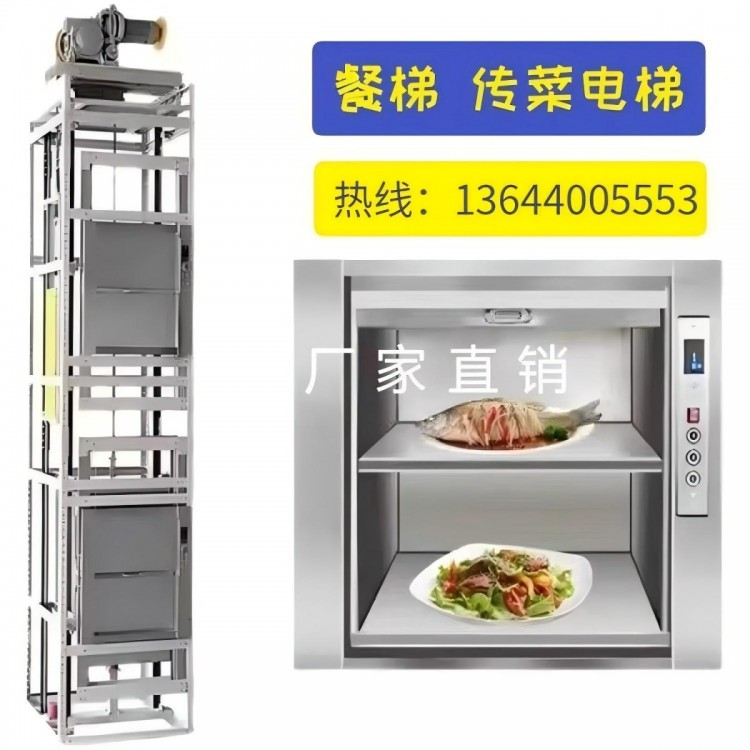
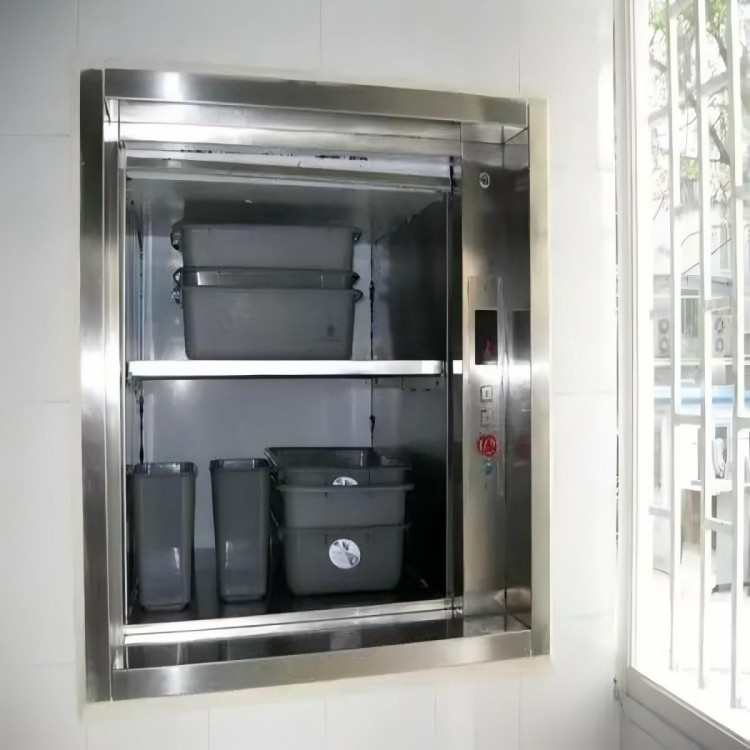
The Catering Elevator, also known as a food elevator or dish hoist, is a specialized equipment designed for the transportation of food and tableware within catering facilities. Its primary function is to enhance the efficiency of catering services, alleviate physical labor for staff, and ensure that food is delivered quickly, safely, and hygienically to various floors or designated areas of the restaurant. The design of the catering elevator takes into account the unique needs of the catering industry, such as preventing food contamination, maintaining dish temperatures, and accommodating frequent use.
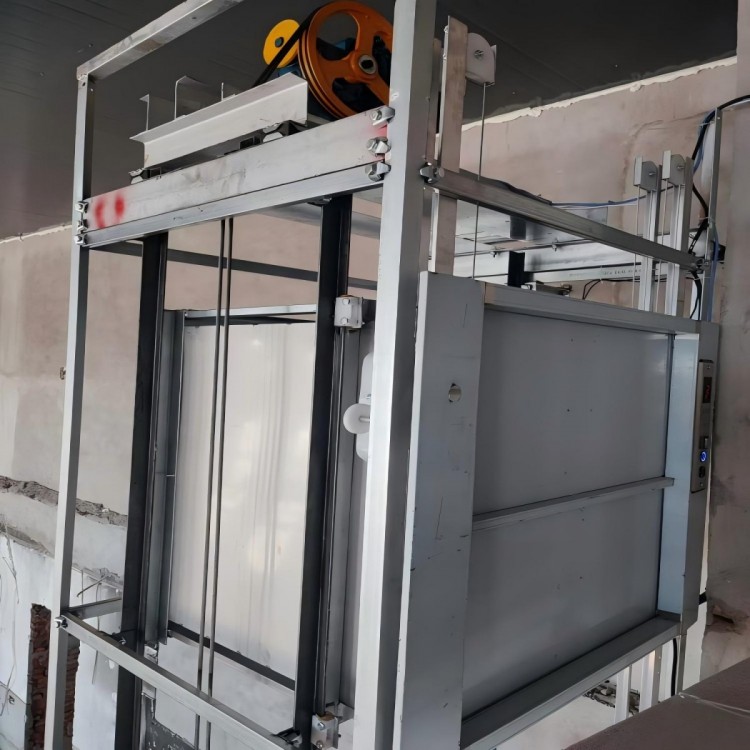
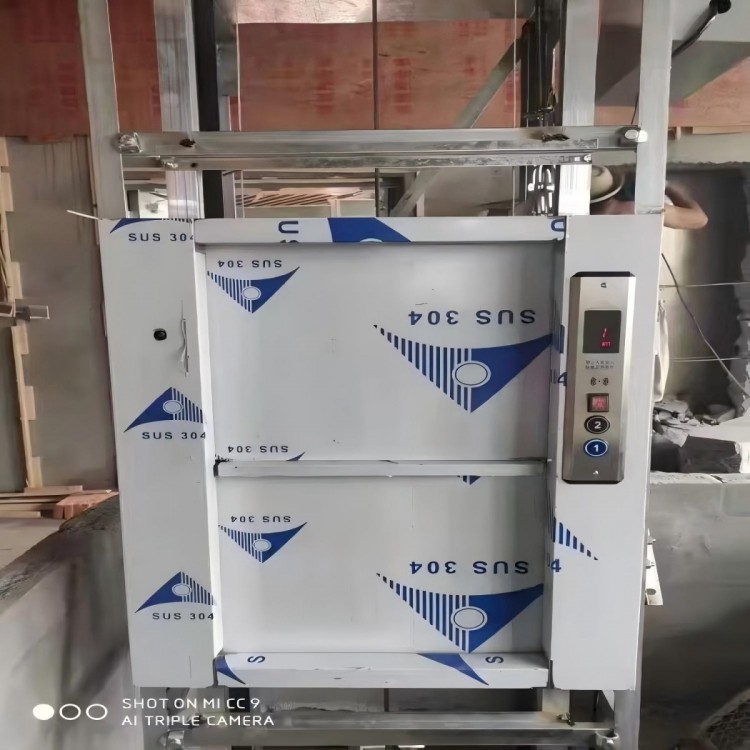
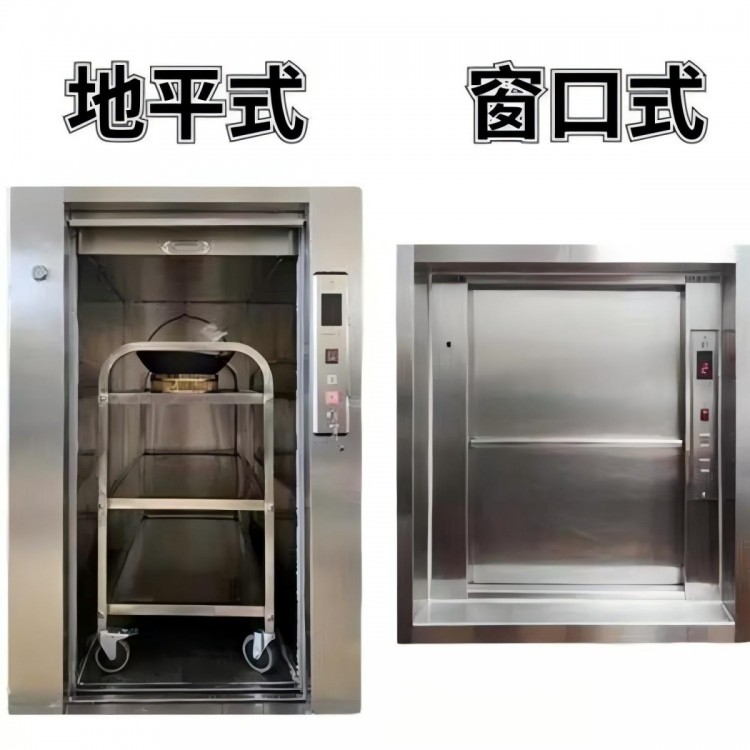
Elevators for food service typically consist of the car厢, drive system, control system, guide rails, door system, and safety devices. The car厢, serving as the space for carrying food, is usually made of stainless steel for its ease of cleaning and corrosion resistance. The drive system can be traction, hydraulic, or screw-driven, designed for smooth operation, low noise, and energy efficiency. The control system ensures the elevator stops accurately at each floor, facilitating intelligent operation. The guide rails ensure stable car厢 movement, while the door system guarantees safety during operation. Safety devices such as overloading protection, limit switches, and emergency stop buttons form a crucial line of defense for both personnel and equipment safety.
Considerations for Setting Up a Catering Elevator
1. Site Conditions: Prior to installing a catering elevator, a detailed survey of the installation location is required to ensure that the space size, load-bearing capacity, power supply, and other conditions meet the installation requirements of the elevator. Additionally, consider the connectivity between the elevator, kitchen, and dining area to ensure a smooth transportation path.
2. Capacity Requirements: Select a food elevator with appropriate carrying capacity and cabin size based on the scale of the dining establishment, type of dishes, peak customer flow, and other factors to meet actual transportation needs and avoid frequent use that could lead to reduced efficiency.
3. Sanitation Requirements: Elevators that come into direct contact with food must comply with food safety regulations and be manufactured with non-toxic, easy-to-clean materials. The interior of the car should be smooth with no dead corners for easy cleaning and disinfection. Additionally, the food elevator should be equipped with dust and pest prevention facilities to prevent external contaminants from entering.
4. Insulation Performance: For situations requiring the maintenance of food temperature, you can opt for a food elevator with thermal insulation features, such as a cabin with an insulated layer and a constant temperature control system, to ensure the food is delivered to customers at the right temperature.
5. Energy Efficiency: Considering long-term operational costs, it is advisable to choose escalators with high energy efficiency, low noise levels, and easy maintenance. Prioritize products with energy-saving certifications or those equipped with features like energy-saving modes and standby power-saving.
Section 3: Meal Elevator Dimensions and Installation Standards
The selection of escalator dimensions should balance practicality and economy; common standard sizes include:
Load Capacity: Typically ranges from 100kg to 500kg, depending on specific requirements.
Cabin Size: Standard widths range from 60cm to 80cm, depths from 80cm to 100cm. Heights are determined by the floor height and door opening dimensions, typically between 180cm and 220cm.
When installing a food elevator, the following specifications should be adhered to:
Installation: Performed by a qualified professional team, strictly adhering to relevant regulations, standards, and the manufacturer's installation manual.
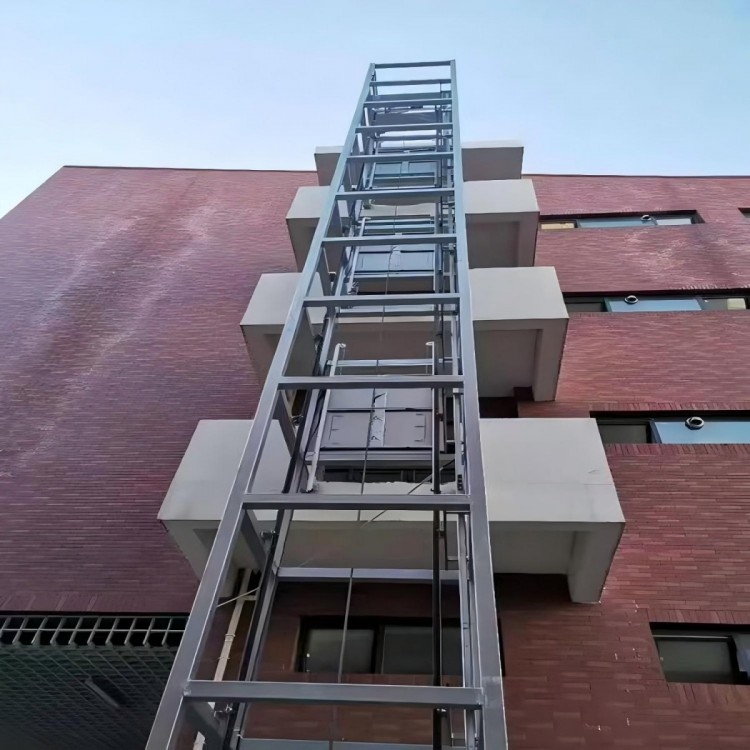
2. Civil Engineering: Construction of shafts, pit foundations, machine rooms (if applicable), etc., in accordance with design drawings, ensuring proper dimensions and structural stability.
3. Equipment Placement: Precisely position drive systems, control systems, guides, door systems, and other components, and assemble, wire, and debug in strict accordance with process requirements.
4. Safety and Performance Testing: After installation, comprehensive safety and performance tests are conducted, including no-load tests, full-load tests, overload protection tests, and emergency braking tests, to ensure all specifications of the catering elevator meet the required standards.
Section 4: Elevator Etiquette for Meals
1. Staff Training: All employees operating the food elevator must undergo professional training, which includes understanding the basic operation, emergency response procedures, and daily maintenance knowledge of the food elevator.
2. Proper Loading: Strictly prohibit overloading; distribute the load evenly to avoid uneven loading that may cause unstable operation. Use specialized trays, brackets, and other carrying tools to avoid placing food directly on the elevator floor.
3. Regular Maintenance: Conduct regular inspections, maintenance, and cleaning as recommended by the manufacturer or as per relevant regulations. Timely replace worn-out parts to ensure the elevator is in optimal working condition.
4. Fault Management: Immediately cease the use of the catering elevator upon detection of any abnormalities and report for repairs promptly. During the maintenance period, ensure adequate safety warnings are in place to prevent unauthorized personnel from approaching.
Contact us

Service Hotline
13644005553
Company Telephone
13644005553

WeChat Number
dong826867854

Address
78-1 Shenbei Road, Shenbei New District, Shenyang City, Liaoning Province, Room 16-303, 3rd Floor, Building 1# R&D Center
b2b.china9.net © Zhongshang 114 Hebei Network Technology Co., Ltd.Address: Room 6009, Oriental New World Center, No.118 East Zhongshan Road, Qiaoxi District, Shijiazhuang City, Hebei ProvincePlatform Service Hotline: 4006299930