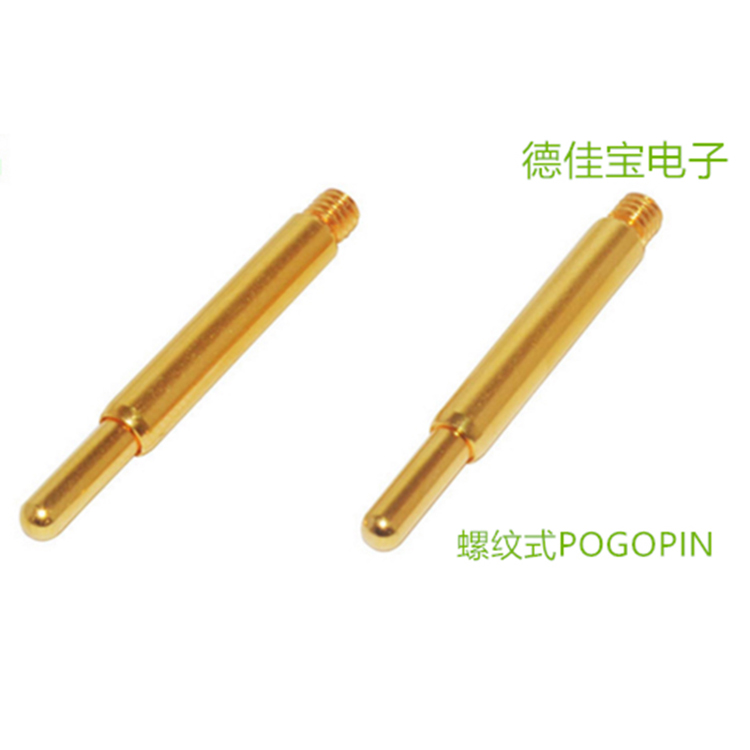
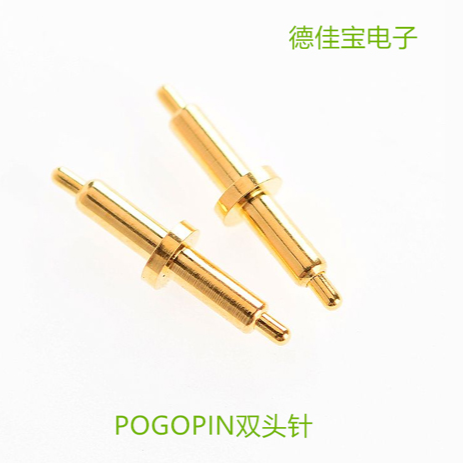
Primarily engaged in the sales of mobile phone BGA testin...


Product Recommendation
A new round of chip shortages has impacted terminal industries such as automotive, mobile phones, and consumer electronics. Due to the difficulty in rapidly expanding the production capacity of chip manufacturing companies, industry insiders believe that this round of chip shortage may not ease until the end of next year. A responsible person from Volkswagen Group China's Public Relations Department said in an interview with the media that the uncertainty has affected the supply of chips for certain automotive electronic components. The recovery of the Chinese market has further driven demand growth, posing a risk of disruption in some car production. Besides cars, mobile phone chip shortages have also emerged, with chip companies even investing in helping manufacturers expand production. MediaTek plans to allocate NT$1.62 billion to purchase equipment for chip manufacturing and lease it to supply chain vendor TSMC to increase capacity. Currently, wafer fabs such as TSMC, Samsung, GlobalFoundries, United Microelectronics, and SMIC are all operating at full capacity.彭进, SMIC's senior vice president of global sales and marketing, said that the reason for the tight capacity of chip manufacturing is that demand growth has far exceeded expectations. The arrival of 5G has driven the increased demand for chips in mobile phones and base stations, with the number of PMIC chips per phone increasing from an average of 4 to 5 to 7 to 8. The continuous upward trend in automotive connectivity, IoT/smart home demand, and the "stay-at-home" economy's impact on server and PC growth have also led to a sharp increase in market demand for chips. Zhang Yang, a senior analyst at Zhongcheng Think Tank, told a Xinhua News Agency reporter that the growth in demand for consumer electronics such as automotive electronics, mobile phones, and smart homes has far exceeded the expected growth in production capacity, compounded by the impact on the global supply chain system, leading to a significant shortage of 8-inch wafer capacity. The inventory of terminal manufacturers has also exacerbated the tight capacity of manufacturers. Han Xiaomin, general manager of IC Insight, told a Xinhua News Agency reporter that after Huawei, other mobile phone manufacturers have started large-scale inventory to ensure supply chain security and capture market share, causing a tight capacity situation for manufacturers and greatly extending delivery cycles. Recently, SMIC announced an investment of 50 billion yuan to build a factory in Beijing to produce 12-inch integrated circuit wafers and packaging series.彭进 said that this year, affected by the situation, major global suppliers have suspended shipments, and even with equipment in place, there are no teams to install it, directly leading to a delay in the expansion of production capacity. The release of chip manufacturing capacity requires a cycle, which also leads to cautious expansion of capacity by manufacturers. 彭进 said that expansion and investment should be based on market and customer demand. Han Xiaomin believes that SMIC's capacity release will not be until the end of 2022 or early 2023, and it will not be able to quickly alleviate the current capacity shortage. This round of chip shortage is expected to last until the end of next year. Fang Lue, chairman of World Advanced, a wafer fabrication company, said that currently, demand for power management ICs, driver ICs, and image sensors is hot, and automotive electronics demand is also significantly strong, with the supply-demand situation of 8-inch wafer fabrication expected to remain tight at least until next year's first half, or even the third quarter. Continental, a German automotive parts supplier, said that after global sales declined, demand for semiconductors in China has rebounded, and supply chain bottlenecks may continue into 2021. Currently, chip manufacturing has become a "weak link" in China's electronic information industry. Zhang Yang believes that chip manufacturing not only involves importing equipment but also requires breakthroughs in the production and manufacturing of chip manufacturing equipment in terms of new materials, precision, and technology to truly solve this "weak link" at its source.


b2b.china9.net © Zhongshang 114 Hebei Network Technology Co., Ltd.Address: Room 6009, Oriental New World Center, No.118 East Zhongshan Road, Qiaoxi District, Shijiazhuang City, Hebei ProvincePlatform Service Hotline: 4006299930