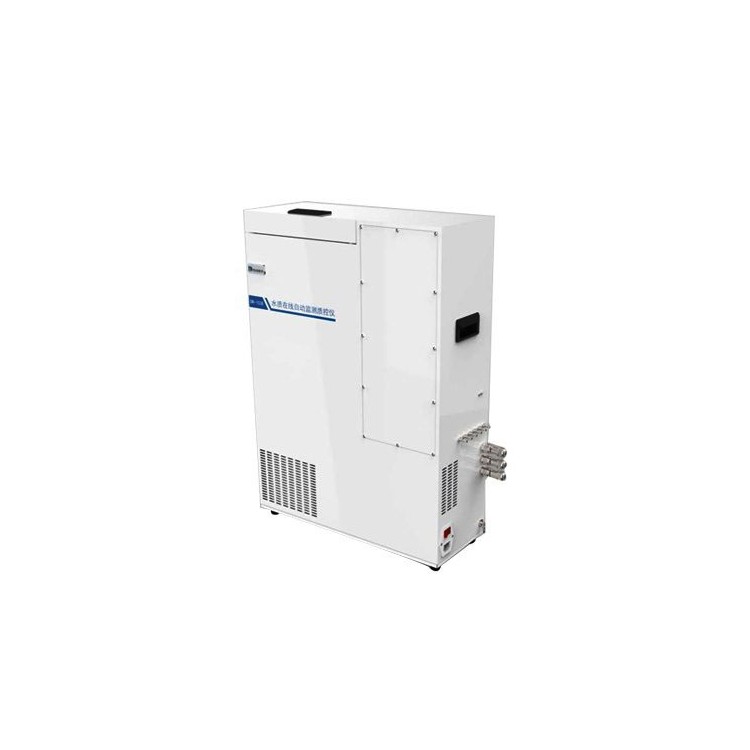
 DR-103E Online Water Quality Monitoring Quality Control Instrument
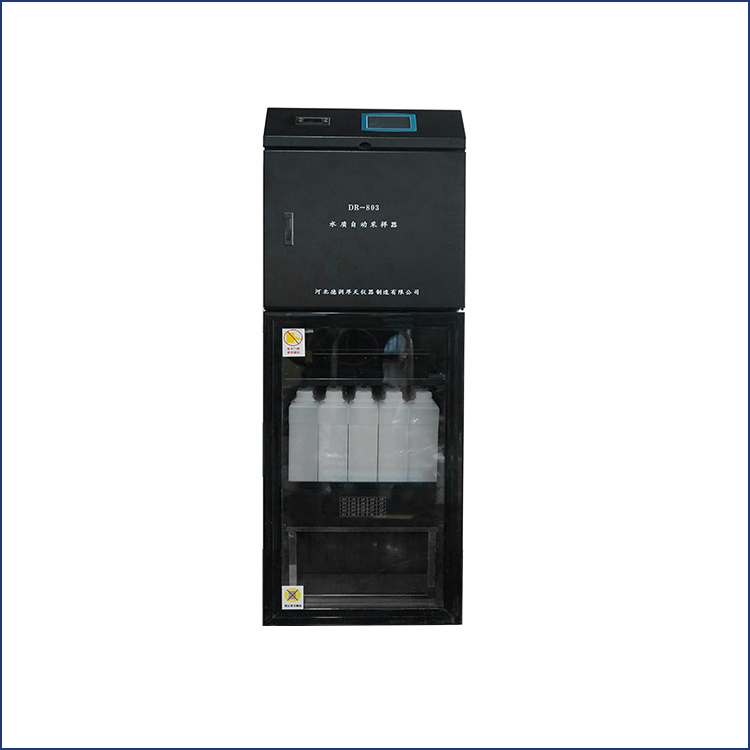 DR-803K Water Quality Automatic Sampling Pump (Mixed Sample Type)
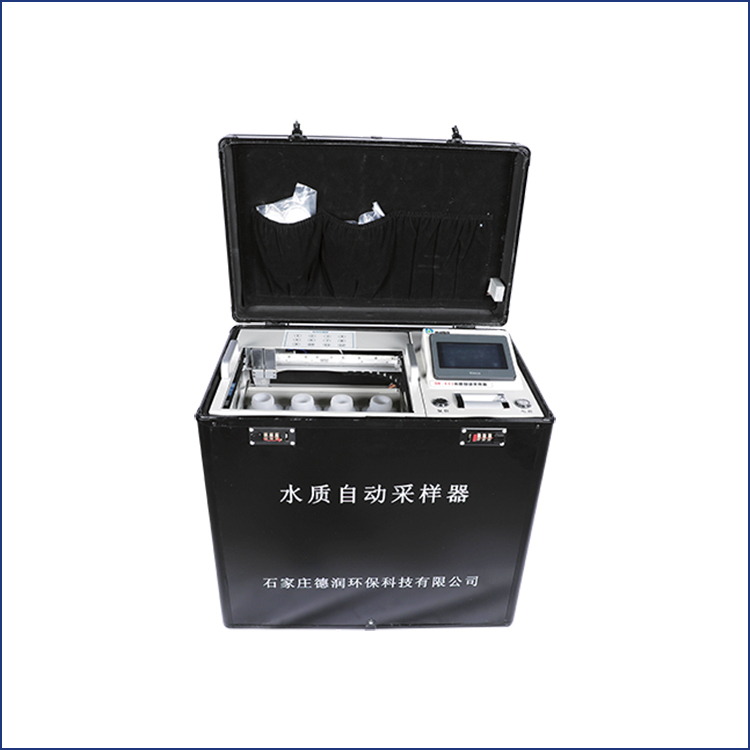 DR-803C Portable Water Quality Automatic Sampler
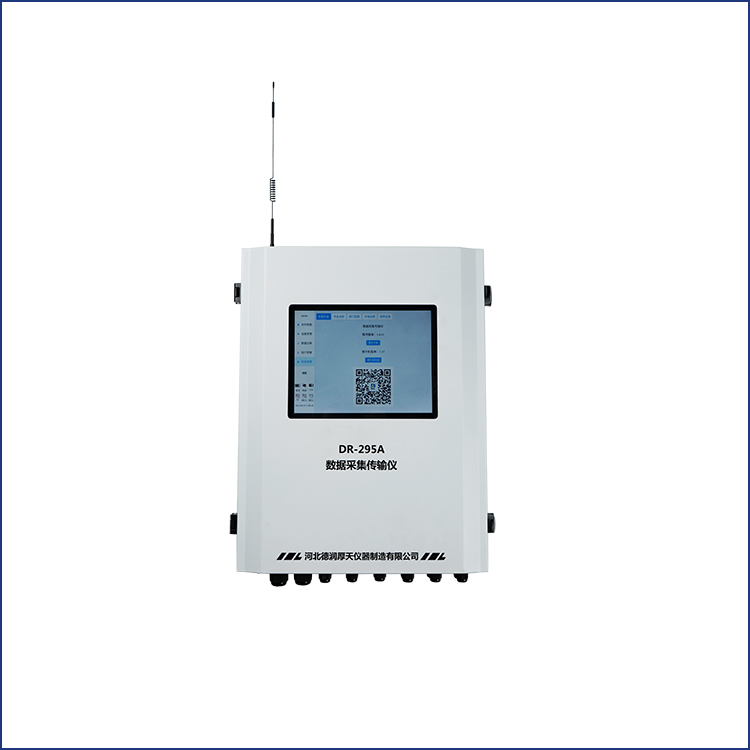 Dynamic Control Data Acquisition Instrument
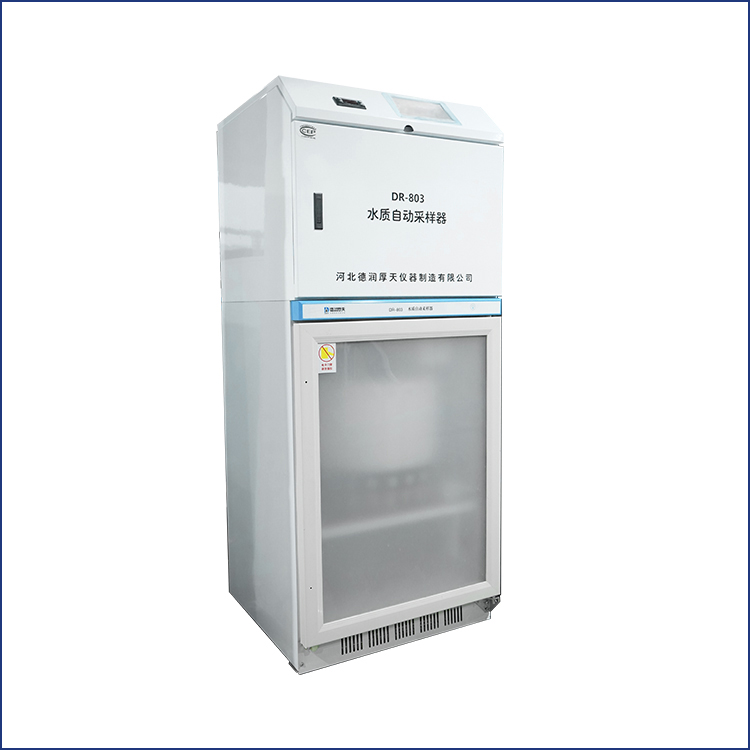 DR-803N Automatic Water Quality Sampler (Mixed Sample Self-Emptying Type)
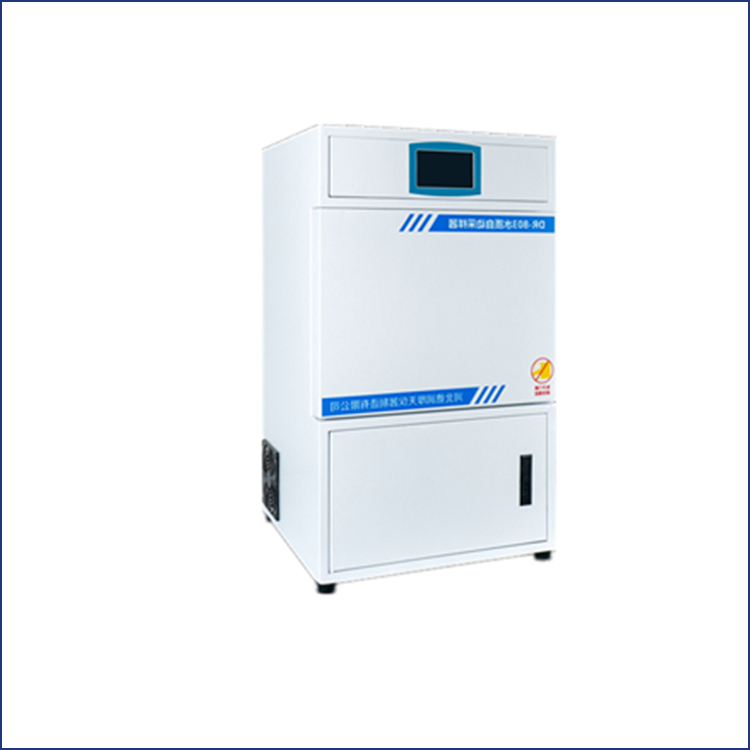 Self-sealing Water Quality Automatic Sampler (DR-803M4-12)
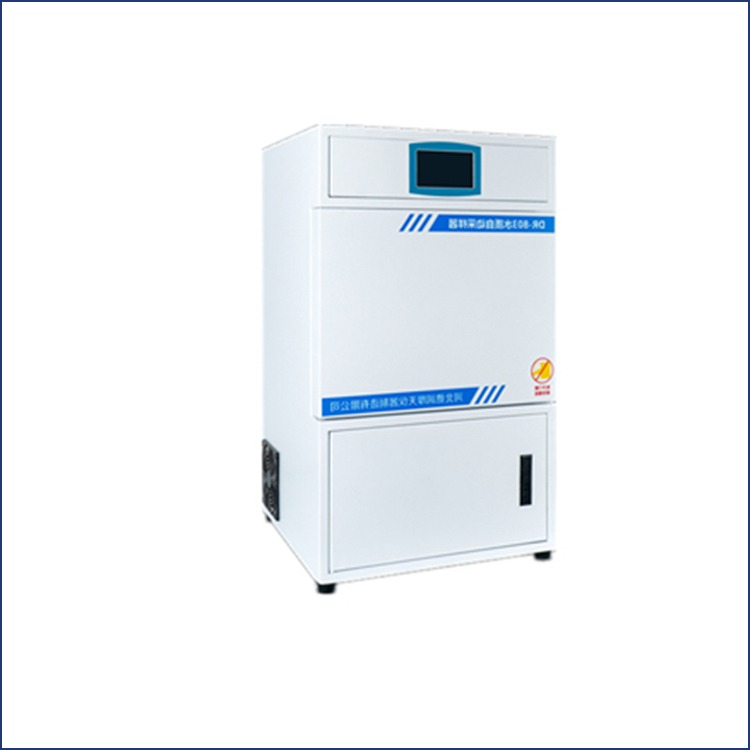 DR-803M4 Automatic Water Quality Sampling System (Shore Station Auto-Emptying Type)
Product Details
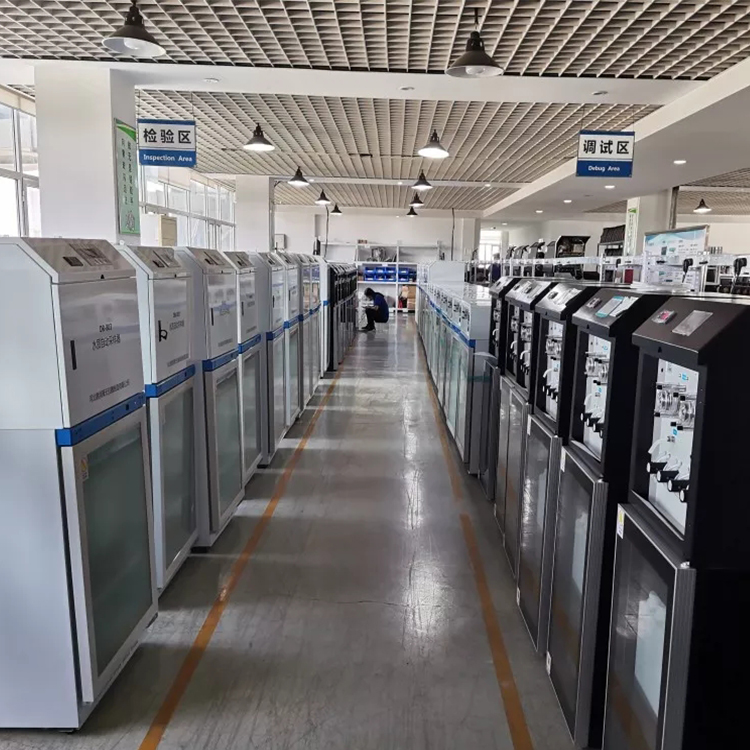
Automatic Water Quality Sampling Meters, Water Quality Sampling Meters, Samplers, Quality Control Instruments, Data Collection and Transmission Devices, Portable Open Channel Flow Meter Calibration Systems

产品Price 100.00/Set
最小起订Quantity:1 Set 供货总Quantity: 110 Set
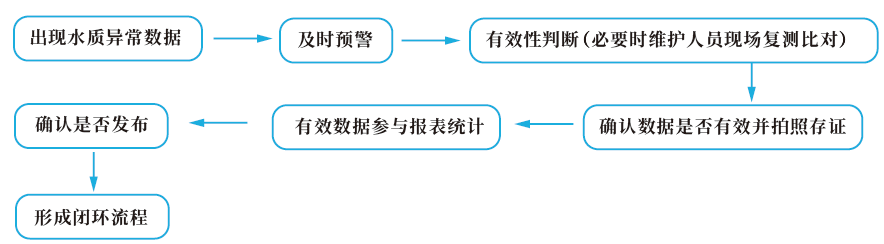
Drinking water safety is a significant issue affecting people's lives. As society develops, the economy grows, and the population increases, pollution problems are gradually worsening, and the safety of drinking water sources is frequently threatened and damaged. Even water that has been treated by waterworks is often at risk after it leaves the factory. Risk One: Aging, Rusty Pipes From water plants to drinking water exports, tap water must travel through lengthy pipelines, and some outdated community pipelines have aged, not meeting current safety standards, which are prone to causing secondary contamination of tap water. Risk Two: Safety risk associated with secondary water supply tanks Many high-rise buildings now utilize their own water tanks for secondary water supply, where the municipal tap water first enters the self-built tank before being supplied to residents. If the tank material is substandard or if it's not sealed properly or not cleaned and disinfected adequately, the quality of the drinking water for residents can hardly be guaranteed. Risk Three: Human Error Many communities collect domestic wastewater to save water, treat it simply, and then use it as reclaimed water for flushing toilets through separate pipelines. While this is a good method for saving water and money, there have been accidents where reclaimed water was mistakenly connected to the tap water pipeline, resulting in residents drinking reclaimed water for over half a year. Examples of Drinking Water Safety Incidents In 2020, Ms. Lu, a resident of Chaoyang District, Beijing, consumed treated water in her rented apartment for over half a year. Investigation revealed that the real estate agency mistakenly connected the treated water pipe with the tap water pipe, causing Ms. Lu and other tenants to drink treated water for seven months, infringing upon their civil rights and interests. The agency should bear the responsibility for this infringement. In 2020, 37 residents in Xiantao City, Hubei Province,陆续 experienced vomiting and other abnormal symptoms, believed to be due to poisoning from drinking tap water. Preliminary investigations suggest a local barium carbonate production facility is linked to the incident. In 2011, in a village in Dafeng City, Jiangsu Province, three hundred households experienced abnormal tap water. After consumption, villagers collectively exhibited symptoms of poisoning such as diarrhea and vomiting, with hundreds seeking medical attention. Poultry and livestock also suffered varying degrees of illness. In 2011, 112 villagers in Ruichang, Jiangxi Province experienced adverse reactions after drinking contaminated tap water, with symptoms including nausea, vomiting, abdominal pain, and diarrhea. These accidents caused by drinking water safety issues prompt us to think about how to directly and in real-time view the monitoring data of drinking water quality, to preemptively warn of drinking water contamination, and ensure people's drinking water safety—it is an urgent and significant public welfare issue. Therefore, it has become an urgent matter to monitor and identify abnormalities and pollution in drinking water quality in real-time, obtain dynamic water quality data, establish a drinking water quality monitoring and early warning system, ensure the safety of water supply quality, and provide a scientific basis for improving water quality. Current Status of Drinking Water Safety Supervision Water quality monitoring of drinking water is a fundamental task that involves long-term, continuous, and systematic collection of trends in drinking water quality changes. It is an essential part of health hazard factor monitoring and a key measure for ensuring the hygienic safety of drinking water, holding significant importance. However, the current methods of water quality testing are faced with the following issues: Due to the low concentrations of various factors in purified water quality, conventional sensors are unable to achieve real-time high-precision detection. Consequently, an offline detection method combining on-site sampling with laboratory instrument analysis is employed, which leads to risks such as long detection cycles and human-generated false reports. This detection method fails to meet the requirements for real-time, online, and rapid water quality monitoring, and cannot ensure the timely safety of drinking water. Additionally, the chemical reagents used can cause secondary pollution, making it difficult to meet the demands of modern water quality testing technology, let alone the requirements for green and pollution-free testing technology. Therefore, establishing a scientific, standardized, and comprehensive online supervision system for drinking water is the responsibility of all health departments at various levels, a highly-attended-to issue of public concern, and also a task and requirement for implementing the Scientific Outlook on Development. Committed to practicingThe mission "To ensure the Chinese people drink safe water" has led Derun Hou Tian to develop an online water quality monitoring system for drinking water. This system not only provides the health department with timely and dynamic water quality data and technical means for water quality safety supervision, but also facilitates rapid monitoring and identification of drinking water quality anomalies and contamination for water supply enterprises and water quality regulatory agencies. It is a powerful tool for establishing a drinking water quality monitoring and early warning system, ensuring water supply quality safety, and providing a scientific basis for water quality improvement. Drinking Water Safety Online Supervision System System Overview The DeRun HouTian-developed Online Supervision System for Drinking Water Safety is a real-time online monitoring system applied to the intake, process treatment, and water quality detection of drinking water. It primarily consists of three parts: the Drinking Water Quality Monitor, the software platform, and the monitoring center. It utilizes optical detection units to centrally monitor the oxygen consumption of drinking water.Real-time online monitoring of water quality parameters such as (CODMn), turbidity, total dissolved solids (TDS), and temperature, with data transmitted to monitoring center servers, smartphones, and computers, etc. The Online Supervision System for Drinking Water Safety can monitor water quality data in real-time, query historical data, and simultaneously provide data sharing for management departments, displaying water quality information through remote platforms. Drinking Water Quality Chart Our company boasts robust product development capabilities, with an independently developed drinking water quality meter, providing hardware support for the online supervision system of drinking water safety. Water Quality Table for Drinking Water utilizes an optical detection unit to concentrate on the oxygen demand of purified water.CODMn, Turbidity, Total Dissolved Solids (TDS), and Real-time Online Temperature Monitoring No reagents required, no secondary pollution, low operating costs; Fast response time(about 30 seconds), in case of water pollution incidentsRight awayRespond promptly; Please provide the Chinese content to be translated.RS-232 and RS-485 interfaces, for IoT communication, enabling integration and networking with other devices. Pipe installation, easy and quick; Local Measurement Parameters Display(可选显示屏) IP Protection Rating: IP66. Why is it necessary to measure oxygen consumption?(CODMn )? CODMn is a comprehensive indicator reflecting organic pollution in water bodies and the prevention of water from turning black and臭. According to the "Health Standards for Drinking Water" (GB5749-2006) and the "Water Quality Standards for Drinking Water" (CJ 94-2005), in line with China's national conditions, CODMn has been particularly added as a routine monitoring indicator. It is an important measure to enhance the quality of municipal water supply and improve the quality of drinking water for residents. CODMn is a mandatory testing indicator in Japan, Germany, and other countries. Software Platform Browser-based solution: This system simultaneously monitors raw water quality and purified water quality, with online monitoring data unifiedly integrated for centralized supervision and management. The platform software utilizesB/S mode, providing 24/7 real-time online monitoring of water quality information at all monitoring points, and functions such as data collection, storage, backup, display, alarm for abnormal data, statistical analysis, inquiry, and report generation. Identity and Access Management: Only authorized users can access the user interface of the Online Supervision System for Drinking Water Safety. Different levels of users have varying permissions and can perform different operations. Users with management permissions can authorize other operators and simultaneously monitor system devices deployed at various locations of the water supply system in a centralized monitoring center. Scalable Architecture: The online monitoring system software architecture for drinking water safety can be expanded to accommodate hundreds of monitoring nodes, with each node capable of configuring multiple drinking water quality tables. Automatically Generate Reports: The Online Supervision System for Drinking Water Safety can automatically generate reports, which can be viewed online as well.PDF Format Output. Early Warning and Disposal: The software offers standardized online monitoring and early warning disposal services, featuring comprehensive functions such as verification of abnormal data, risk assessment, data desensitization, and publication, realizing a disposal process from monitoring to management supervision. Mobile PhoneAPP Features: Data backup view, permission handling for abnormal data classification, alert notifications, operation and maintenance management, etc. Monitoring Center The monitoring center of this system utilizes large-scale LCD splicing screens orLED Color Display Screen Operation and Maintenance Routine Maintenance: Our company establishes maintenance files for all monitoring equipment, performs regular operational maintenance on a schedule, confirms the validity of each abnormal data, implements real-time warnings and disposal for high-risk data, and follows standard procedures to provide services to customers and health regulatory authorities. Standardized third-party online monitoring, early warning, and disposal services: Our company offers third-party hosting and standardized operation and maintenance for users of drinking water quality meters installed within the specified range.24/7 third-party online monitoring and alert handling service, ensuring standardized processing of abnormal data for data validity: Application Fields Real-time monitoring is available for water sources, water treatment plants, and water supply networks.; Installed in water companies, high-rise residential buildings, tourist resorts, etc., it can perform real-time online water quality monitoring for secondary water supply.; Installed on the outlet end equipment of water purifiers, water dispensers, etc., it can monitor the water quality in real-time.