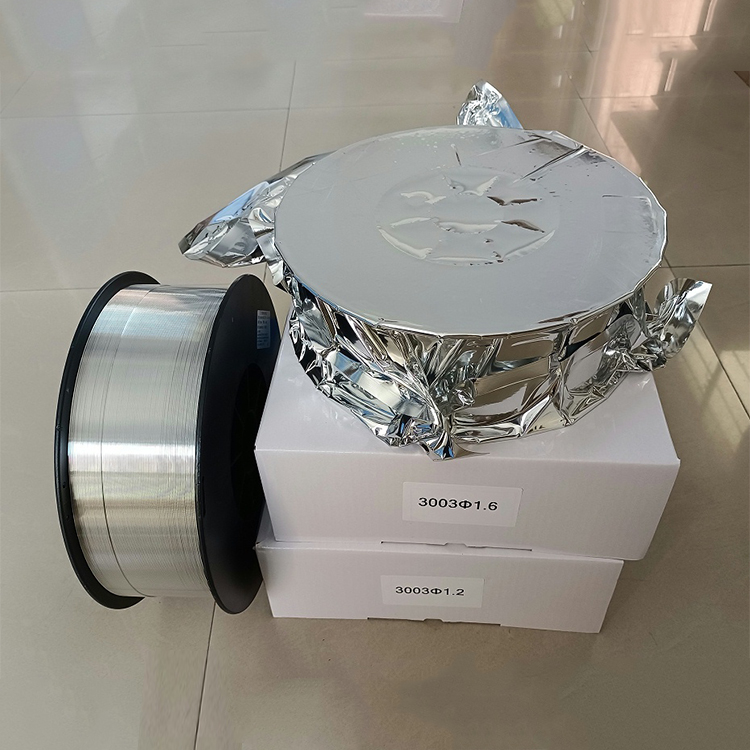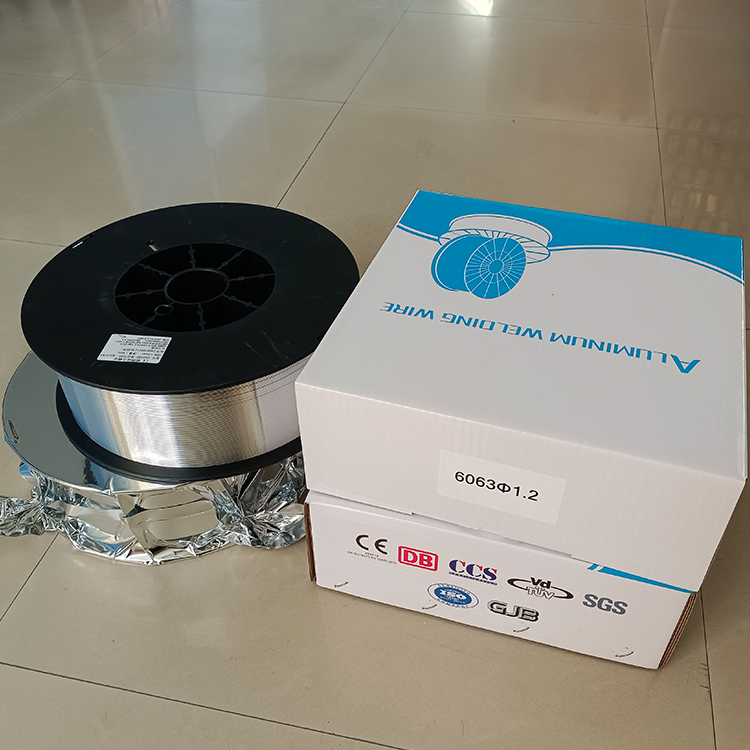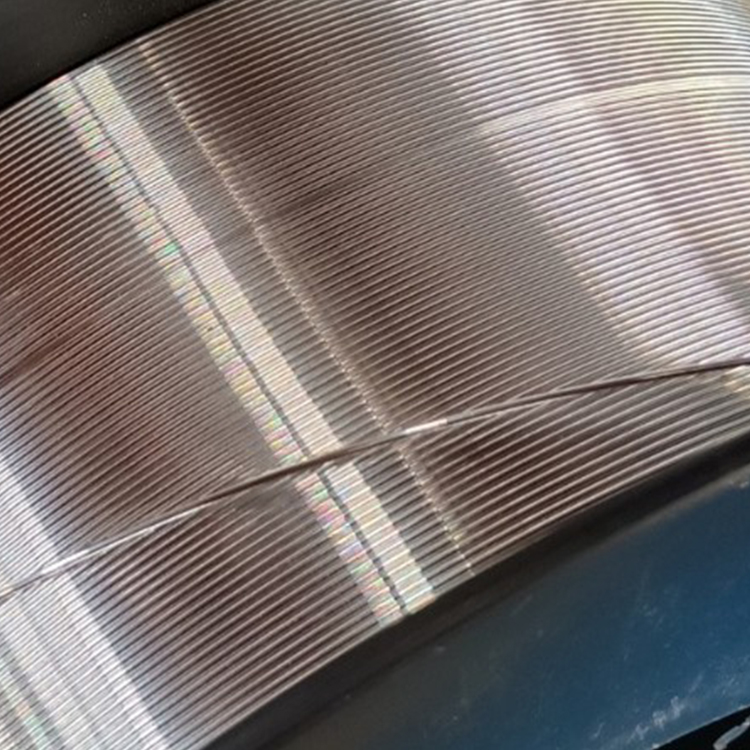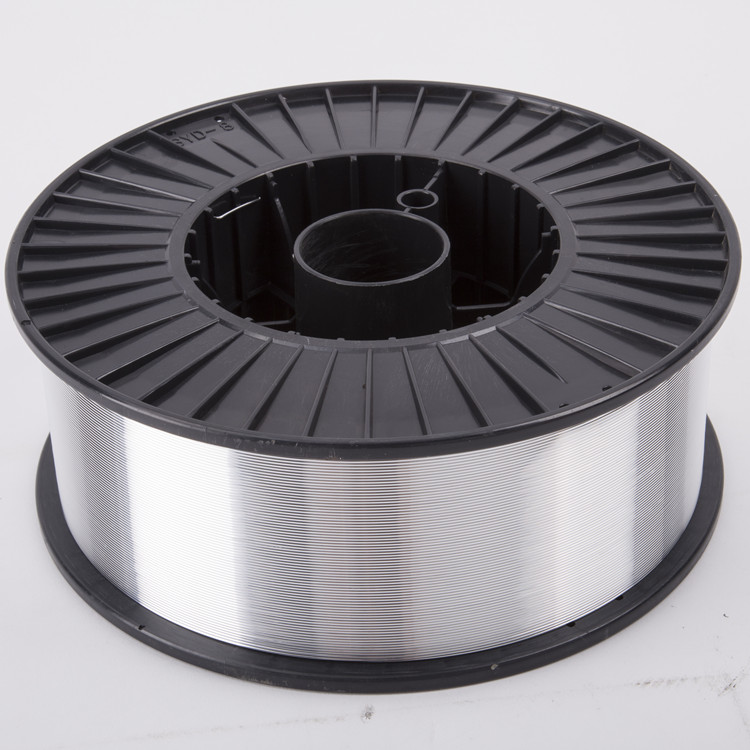
Focused on the research, development, and production of aluminum and aluminum alloy welding wires, later expanded to include titanium and titanium alloy welding wire products.
400-803-0676
The Difference Between a Pulse TIG Welder and a Standard TIG Welder
Arc Stability Varies
Conventional TIG welders utilize a constant current arc for welding, which offers stability but uneven heat distribution, making it difficult to maintain a smooth weld bead surface. In contrast, pulse TIG welders employ alternating high and low-frequency pulses for welding, allowing for controlled arc shape and stability, while also generating more concentrated heat for a flatter weld surface.
2. Varying applicability
Standard TIG welders are generally suitable for thin to medium-thick plates of various materials with a wide range of applications, while pulsed TIG welders are typically used for materials that demand high welding quality or for special materials with stringent requirements for weld seam quality.
3. Different Welding Speeds
The pulse TIG welder boasts a faster welding speed, allowing for better control over welding time and heat compared to standard TIG welders, thereby reducing the time required to complete the welding process.
Is pulse welding better than non-pulse welding for argon arc welders?
Argon arc welders are available in two types: pulsed and non-pulsed. Pulsed argon arc welders add pulsation to the traditional design, allowing for adjustable pulse frequency and current intensity as needed, while non-pulsed argon arc welders do not have this feature.
1. Advantages and Disadvantages of Pulse Argon Arc Welding Machines
Advantages: The addition of pulsing to pulse钨极氩弧焊 machines results in more uniform weld seams, reduced heat input, and less deformation, thereby improving welding quality. Additionally, pulse TIG welding machines can minimize issues such as gas pockets, warping, and deformation when welding high-reflective materials.
Drawbacks: Pulse addition makes pulsed TIG welding machines less stable than non-pulsed TIG welding machines due to the pulsing. Additionally, the requirement for special equipment raises the cost.
2. Advantages and Disadvantages of Pulseless Argon Arc Welding Machines
Advantages: The pulse-free TIG welding machine is simple in design and cost-effective. Additionally, the absence of pulse interference results in a more stable argon arc.
Flaws: Welding quality is relatively lower for machines without pulsed xenon arc welding, falling short compared to those with it. When welding highly reflective materials, issues like gas pores, warping, and deformation are more prone to occur.
In summary, pulsed TIG welders generally offer higher welding quality compared to non-pulsed TIG welders, but at a higher equipment cost. Selecting the appropriate welding method for different welding requirements can enhance both quality and efficiency.
How to Adjust the Pulse Argon Arc Welding Machine
1. Switch the DC-to-pulse converter to pulse mode. This switch is used to toggle the welder's output between DC and pulse, with the welder outputting DC when the switch is set to DC.
In reverse, it is a pulse output, and it must be set to DC for manual welding.
2. "Base Current" Adjustment Knob: This knob operates in pulse mode and is used to adjust the size of the arc current maintained during pulse welding.
3. "Pulse Frequency" Adjustment Knob: This knob is only active in pulse mode and is used to regulate the frequency (speed) at which pulse welding current occurs. The higher the pulse frequency, the denser the welding ripple will be; conversely, it will be sparser.
4. "Pulse Width (Duty Cycle):" This knob is only active in pulse mode. It is used to adjust the duration of the pulse welding current. The wider the pulse width, the wider and deeper the weld seam will be; conversely, it will be narrower and shallower.
5. Pulse Duty Cycle: Used only during pulse welding, it is a factor that influences the width of the heat-affected zone during the welding process.
6. Pulse Current: Essentially, it refers to the pulse amplitude, which affects the depth of the molten pool.
7. Lag Time for Gas Cutoff: This is a setting for delaying the cutoff of argon gas. Generally, setting it to 4 is sufficient.
Contact us

Service Hotline
13803713400
Company Telephone
400-803-0676

Address
Henan Province, Zhengzhou City, Yingyang Yulong Town, Maozhai Industrial Area
b2b.china9.net © Zhongshang 114 Hebei Network Technology Co., Ltd.Address: Room 6009, Oriental New World Center, No.118 East Zhongshan Road, Qiaoxi District, Shijiazhuang City, Hebei ProvincePlatform Service Hotline: 4006299930