
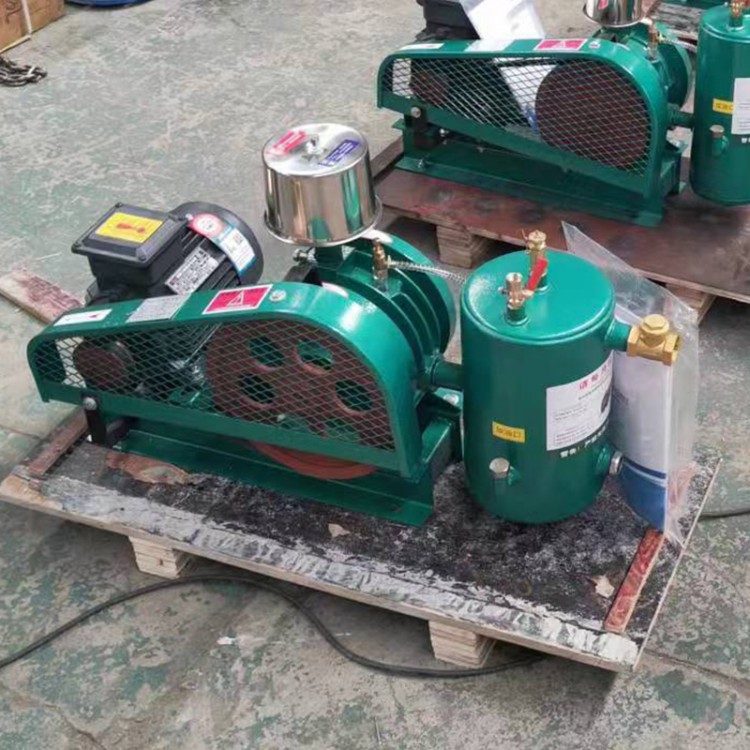
 Rotary Blower - Stable Airflow, Compact Size
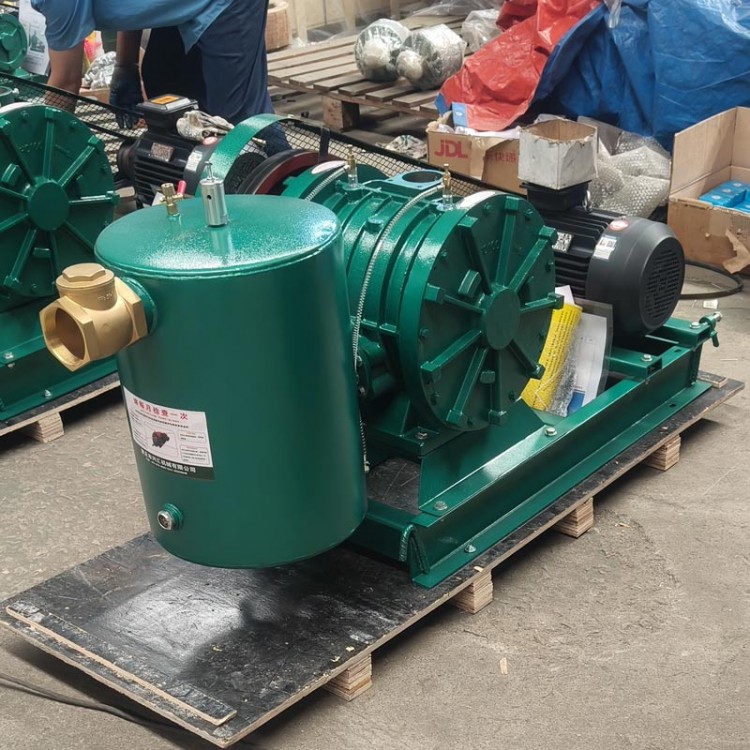 Turbine Blower Manufacturers
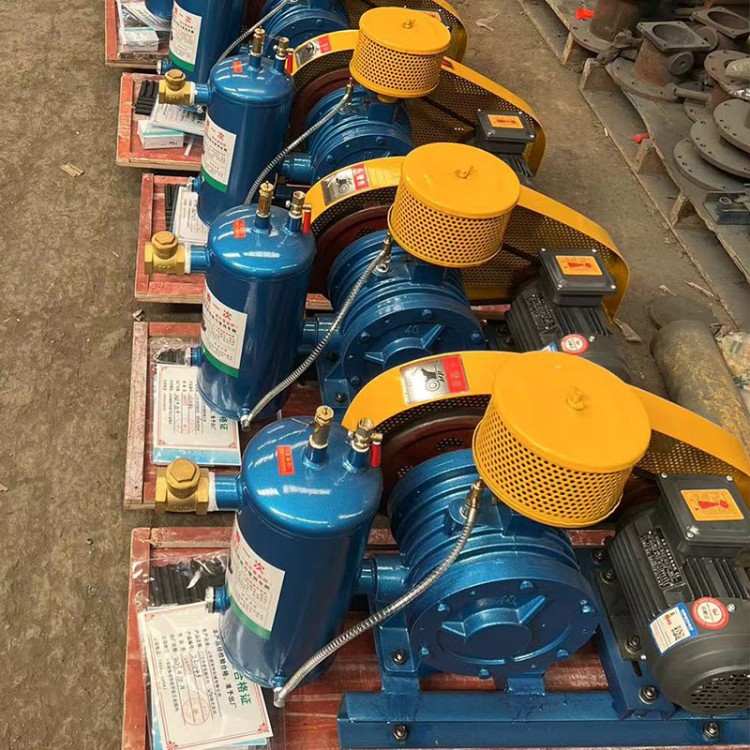 Turbine Blower Manufacturers
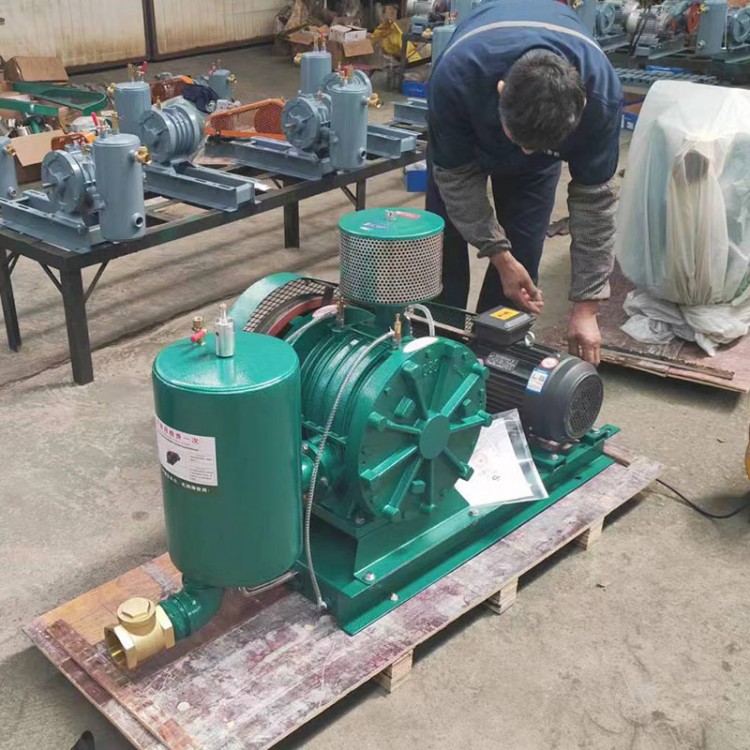 Zhangqiu Rotary Blower Manufacturer
 Pneumatic Conveying System
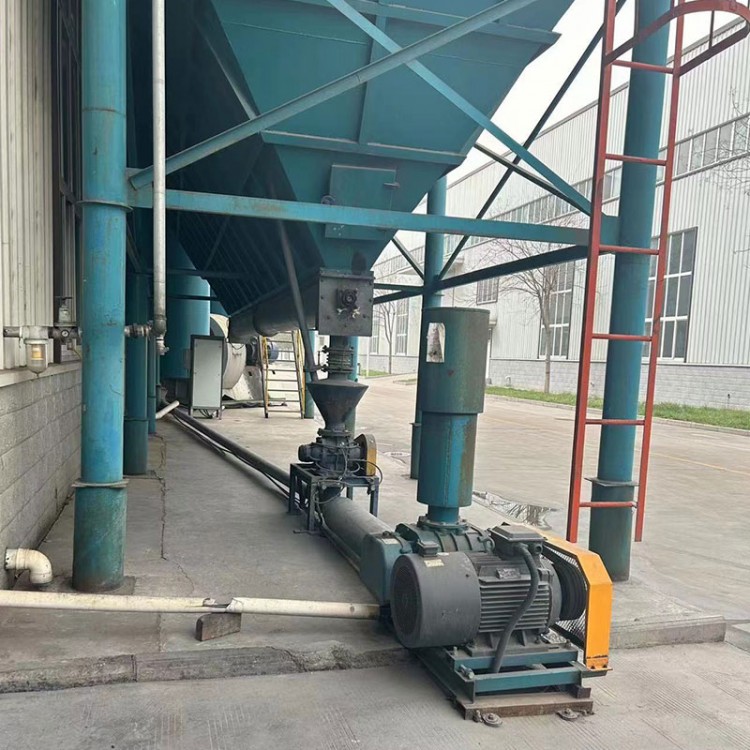 Pneumatic conveying equipment
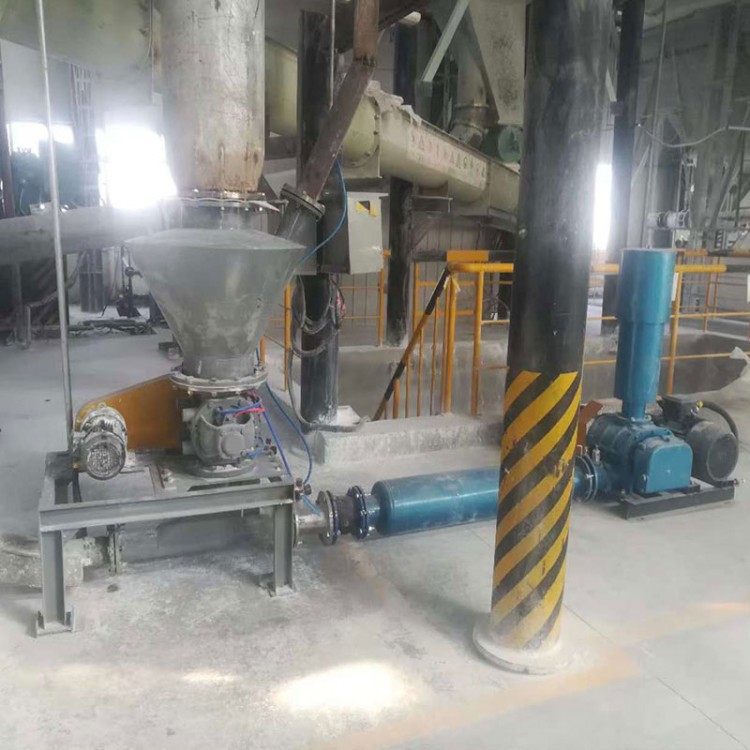 Air-Operated Conveying Device
Product Details


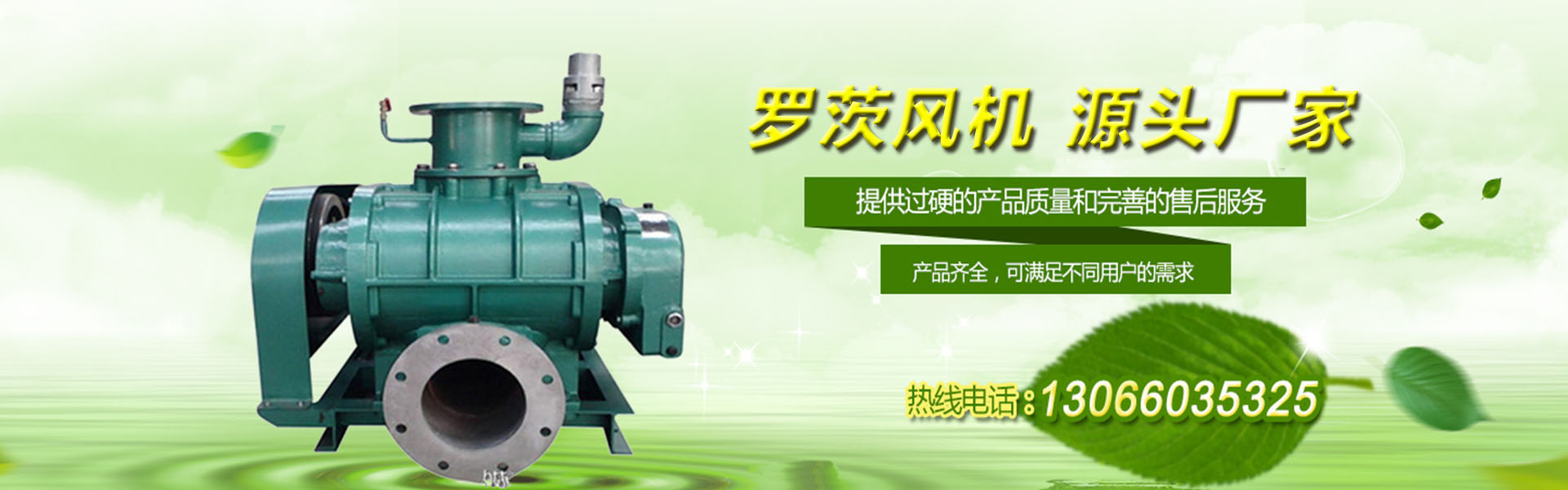
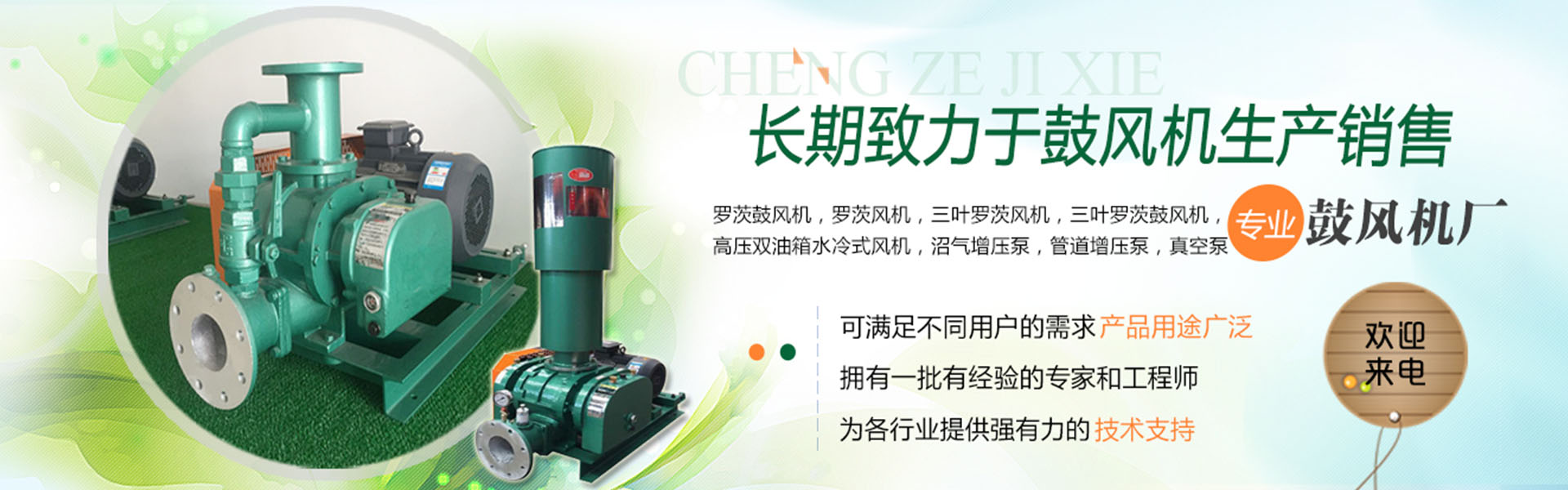

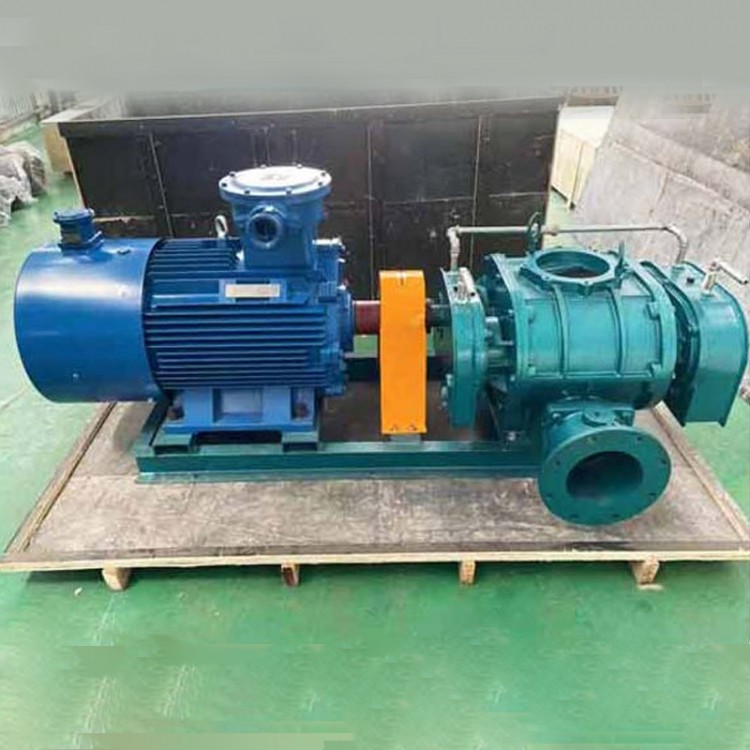
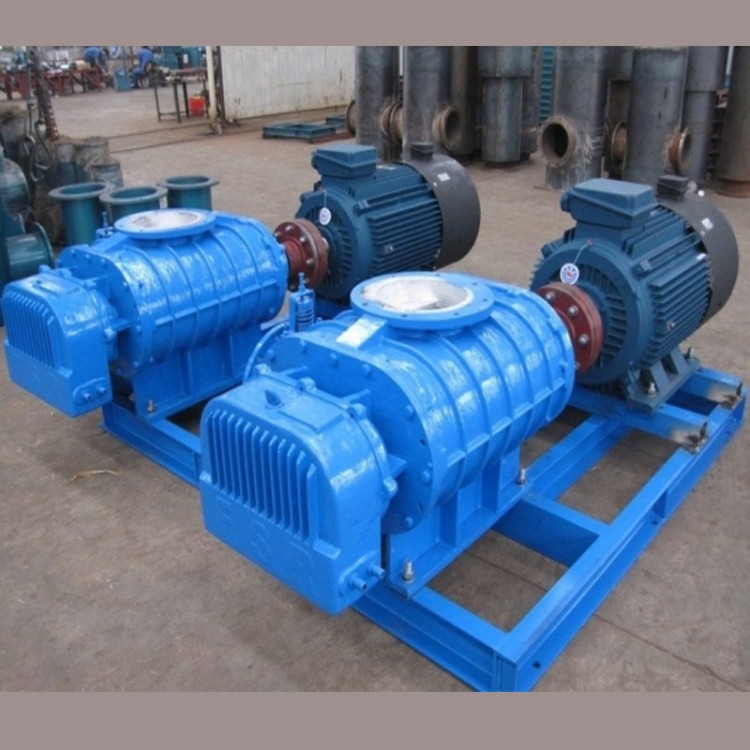
产品Price Negotiable
最小起订Quantity:1 Tai 供货总Quantity:


Model |
|
Brand |
Chengze |
Flow Range |
1.2-179.5 m²/min |
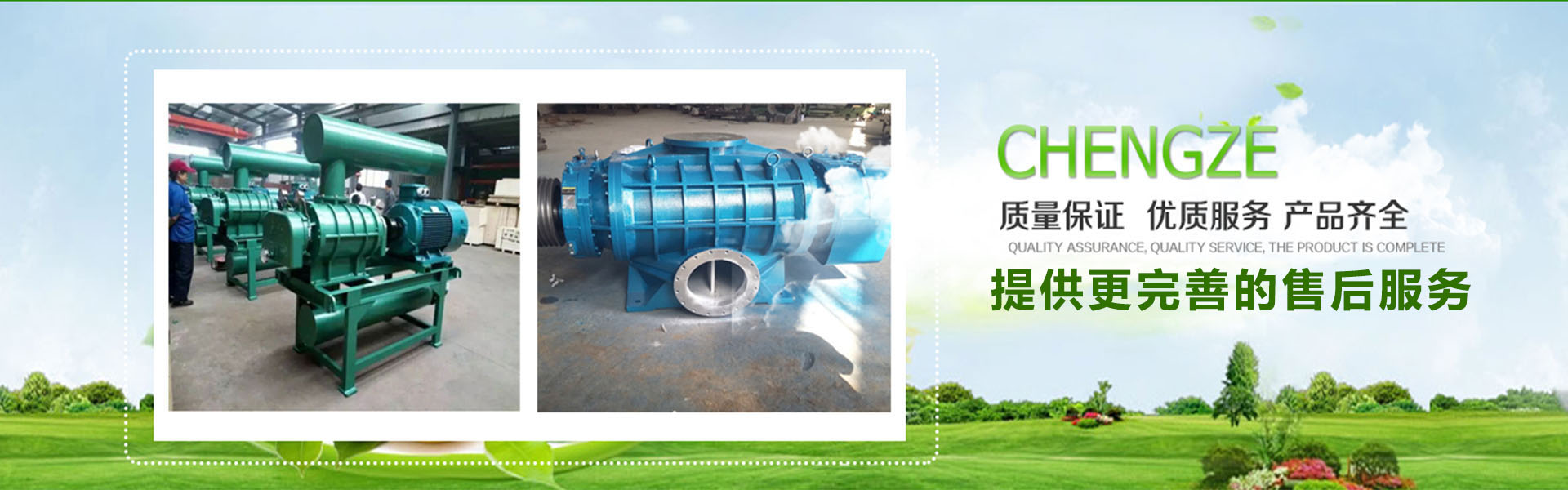
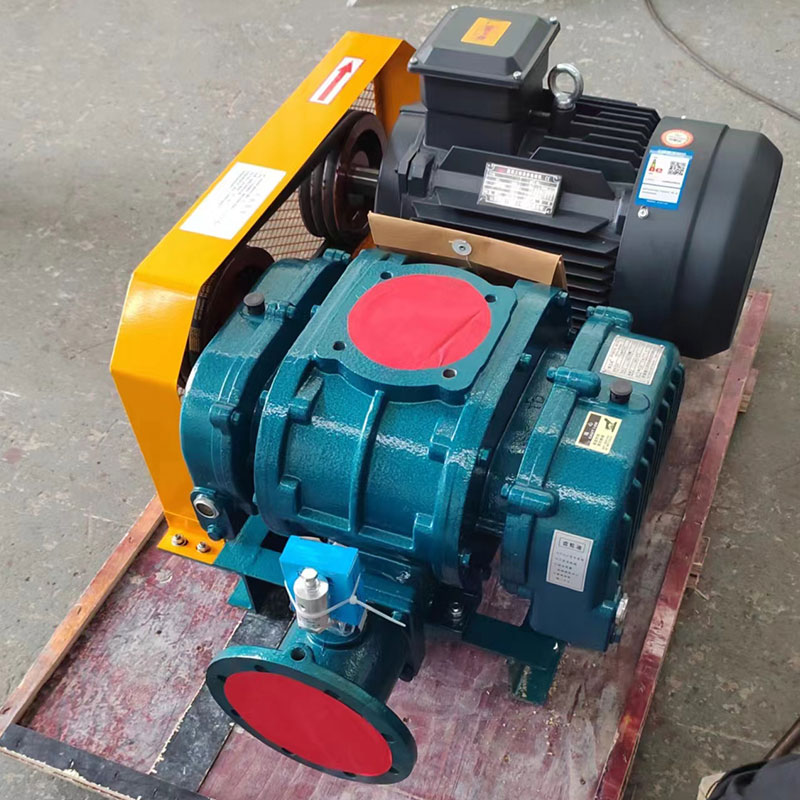
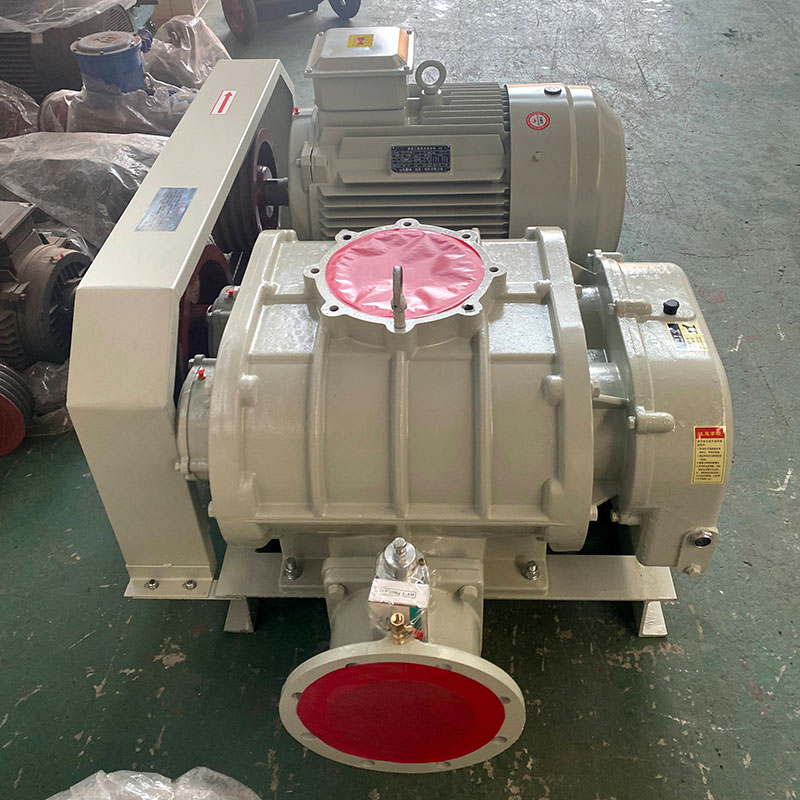
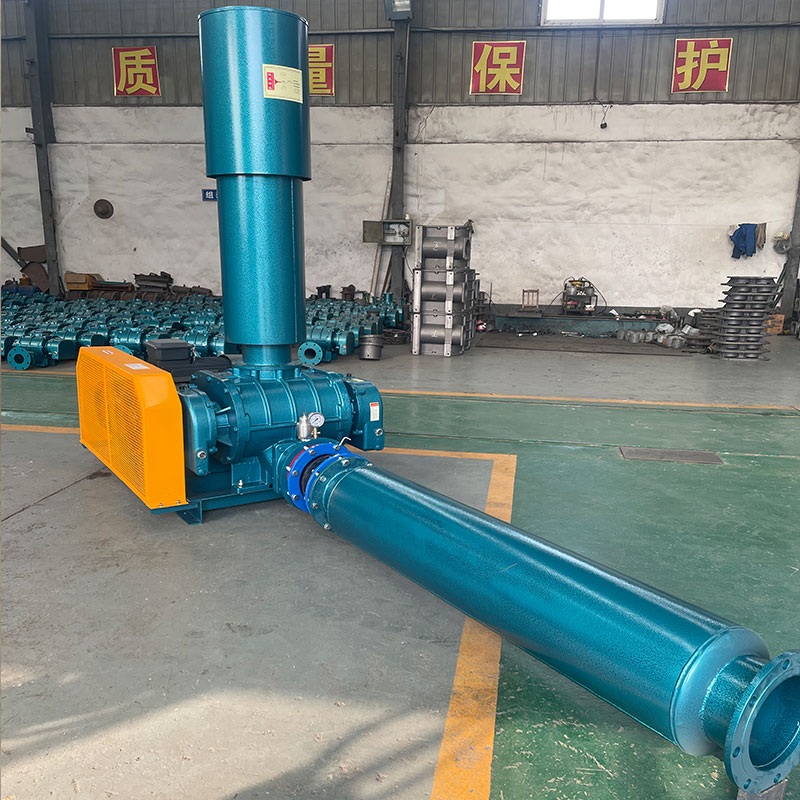
Product Introduction: Direct-driven Rotor Lobe Blower, the speed of the main shaft is determined by the motor speed. If the motor speed is fixed, then the speed of the main shaft is fixed as well. For motors of the same grade, the speed is fixed and cannot be adjusted arbitrarily. Compared to other drive types, maintenance of direct-driven blowers requires professional technical personnel. In certain industries, due to the varying working conditions of machinery and equipment, some Roots blowers need to operate in high-temperature environments, such as the steel industry. In such industries, direct-drive Roots blowers are generally preferred. Belt-driven blowers are less favored due to the poor high-temperature resistance of the belts, which can easily cause slippage. Therefore, in environments with higher temperatures, belt-driven blowers are less commonly used, while direct-drive Roots blowers are more widely applied. 1. The Roots blower is composed of four main parts: the housing, wall plates, impeller, and inlet/outlet mufflers. Parameter Model: Enclosed are: Universal Base, Belt Guard, Root Blower Belt Wheel, Motor Belt Wheel, V-Belt, Safety Valve, Pressure Gauge, Inlet Air Silencer, Exhaust Air Silencer, Foot Bolt, Check Valve, Flexible Connector, Gear Oil. Application Range: Broadly used in wastewater treatment, aquaculture, pneumatic conveying, vacuum packaging, coal washing, combustion assistance, pressure boosting, casting, mining, metallurgy, chemical industry, light industry, building materials, electricity, flour, sandblasting, vacuum, etc. Product Features: Advantages and Disadvantages of Direct Drive and Belt Drive Roots Blowers: Advantages: Wide range of fan speed options, flow rate closely matches application needs. Disadvantages: Belt drive requires tension, which adds additional lateral force to the fan shaft end. Factory Photo: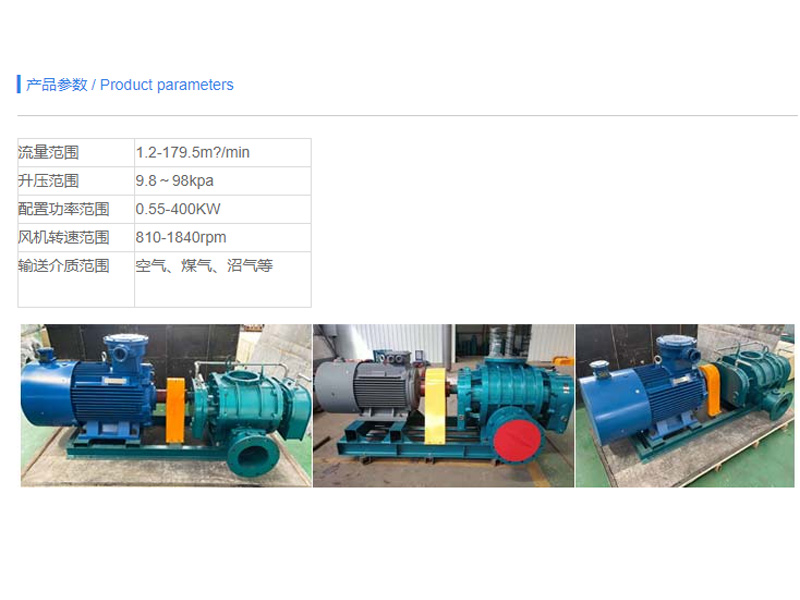
Common features of direct-drive and ordinary three-blade Roots blowers:
2. Shell: Primarily used for supporting wall panels, impellers, silencers, and fastening purposes.
3. Wall plate: Primarily used to connect the housing with the impeller, supporting the rotation of the impeller, and providing an end face sealing effect.
4. Impeller: The rotating part of the Roots blower, available in two-blade and three-blade designs. Due to the many advantages such as less exhaust pulsation, lower noise, and smoother operation, the three-blade impeller has gradually replaced the two-blade Roots blower.
5. Silencer: Reduces noise from the inlet and outlet of the Roots blower due to air pulsation.
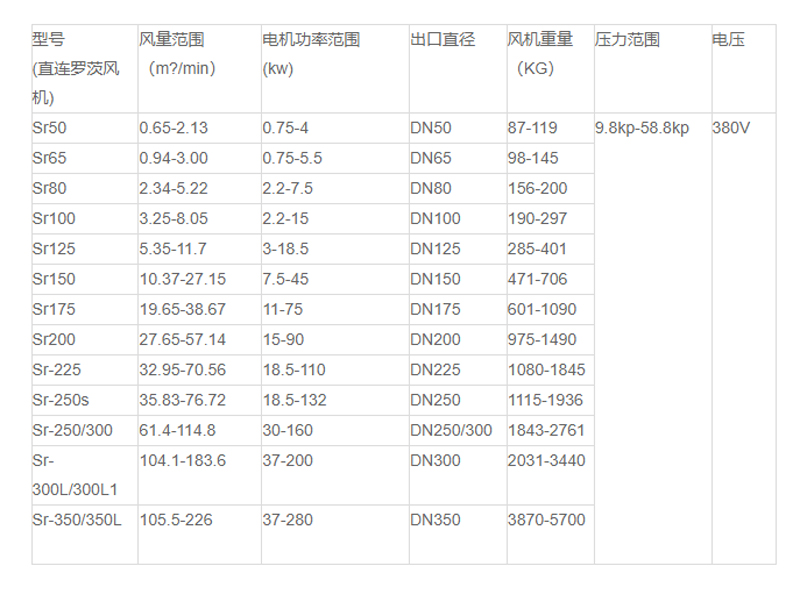
Direct Drive



Phone Consultation