
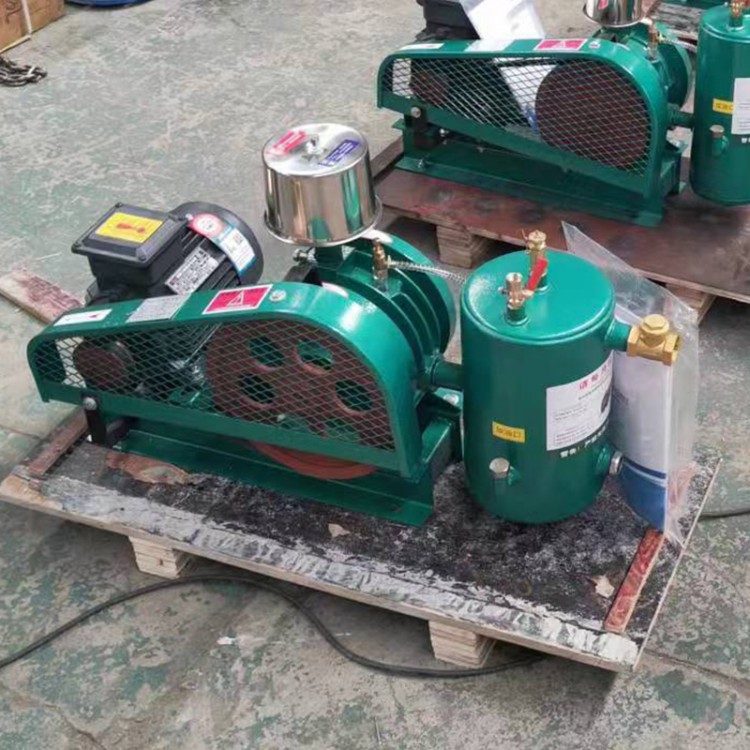
 Rotary Blower - Stable Airflow, Compact Size
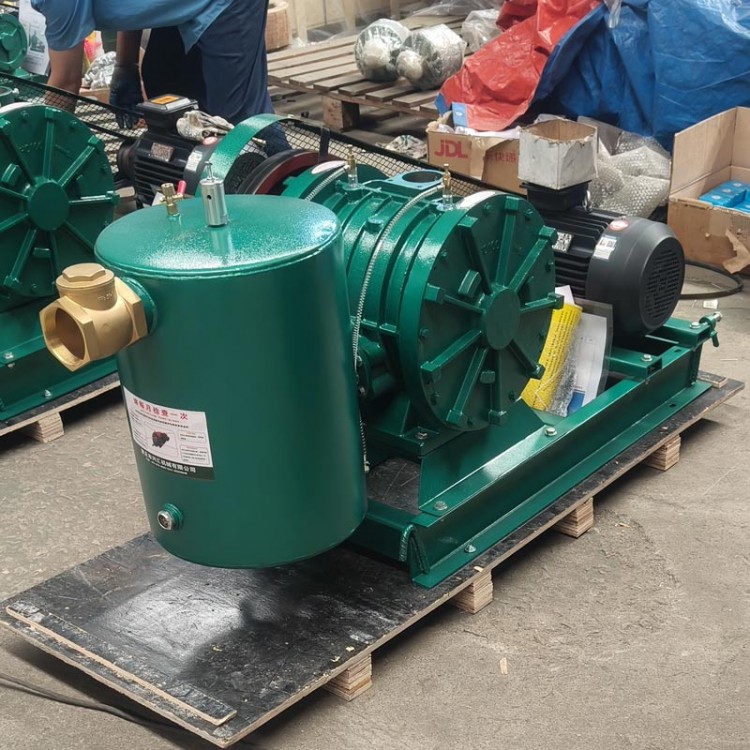 Turbine Blower Manufacturers
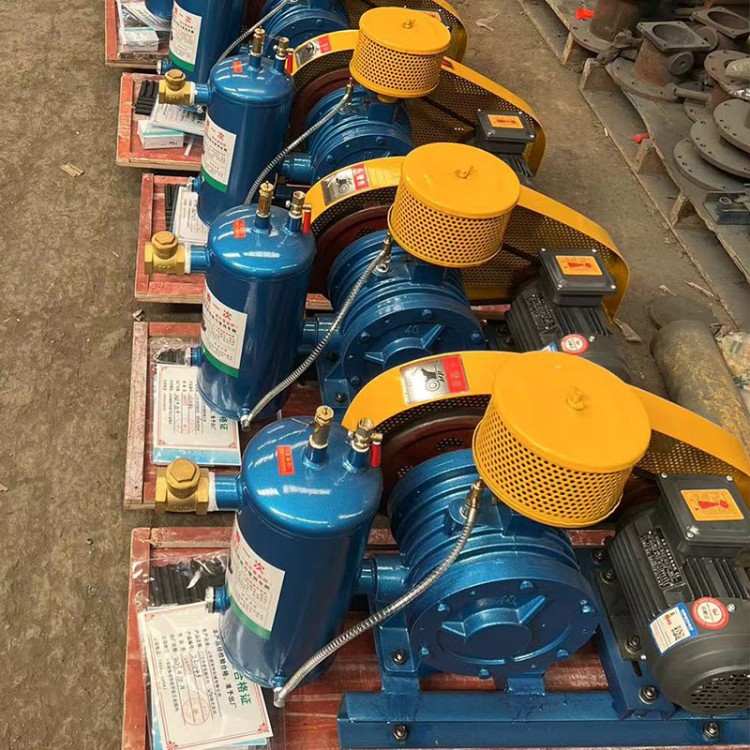 Turbine Blower Manufacturers
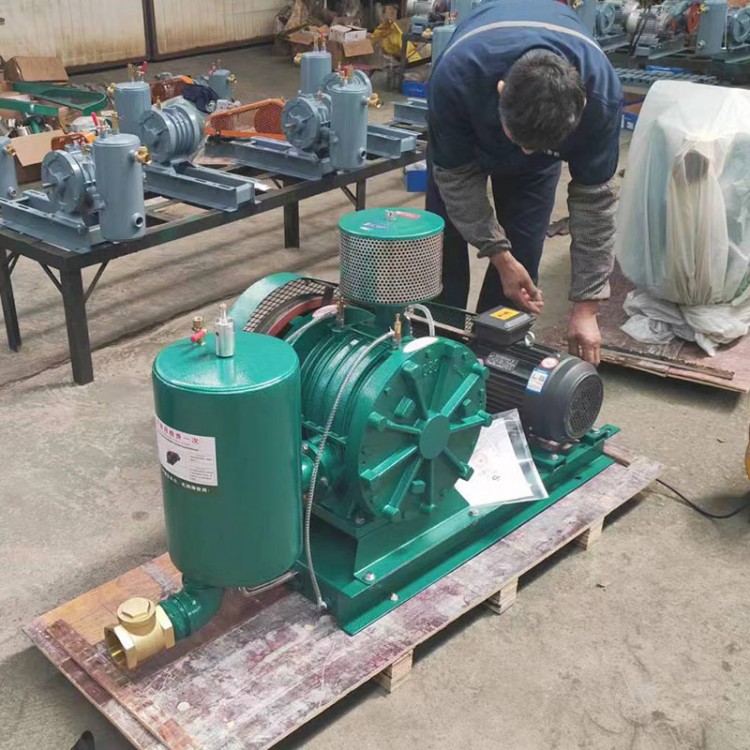 Zhangqiu Rotary Blower Manufacturer
 Pneumatic Conveying System
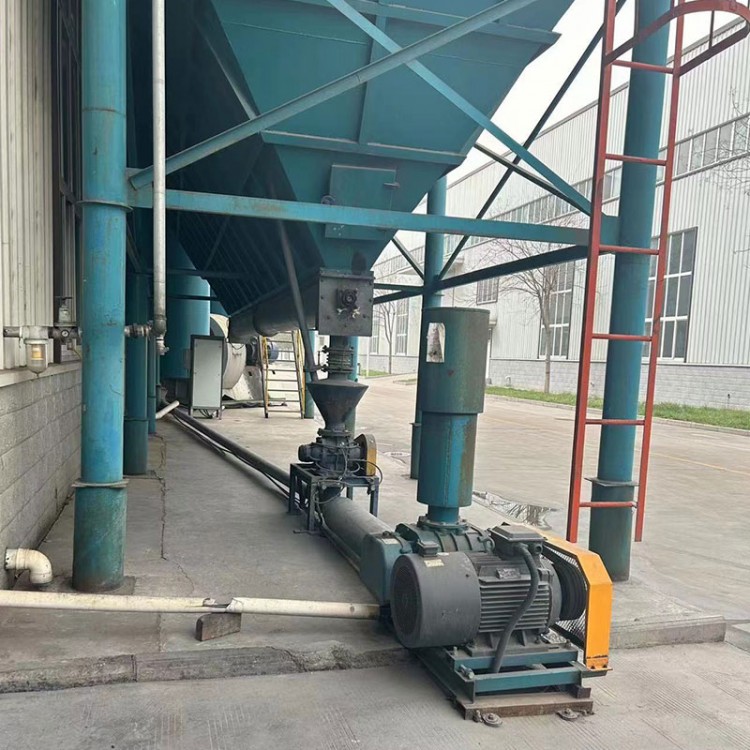 Pneumatic conveying equipment
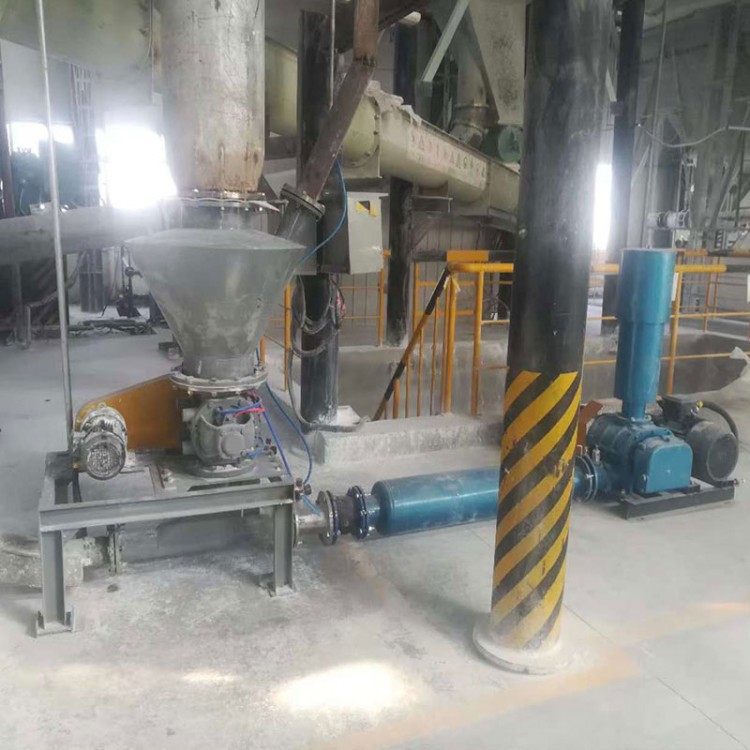 Air-Operated Conveying Device
Product Details





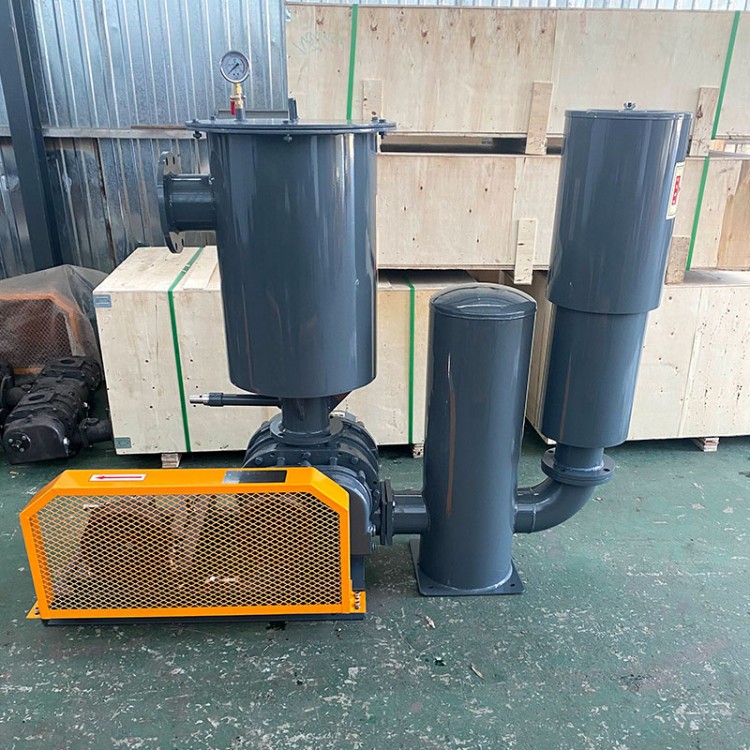
产品Price Negotiable
最小起订Quantity:1 Tai 供货总Quantity:


Working Voltage |
|
Applicable Fields |
Metallurgy, wastewater treatment, pneumatic conveying |
Transmission Method |
Pneumatic transmission |
Conveying Features |
User-friendly |
Production Standards |
National Standard |
Material Requirements |
Powder particles |
▍Product Description/ Product introduction Quick start-up, low power consumption, low maintenance costs, high suction speed and efficiency, insensitive to trace amounts of water vapor and dust in the suctioned gas, capable of a wide suction rate within the pressure range of 100 to 1 Pa, and able to rapidly exhaust suddenly released gases. This pressure range is exactly between the oil-sealed mechanical vacuum pump and the diffusion pump. Therefore, it is often connected between the diffusion pump and the oil-sealed mechanical vacuum pump to enhance the suction rate in the intermediate pressure range. At this point, it is also known as a mechanical booster pump. ▍Product Specifications/ Product parameters ▍Structural Features/ Structural characteristics (1) High suction capacity over a wide pressure range. ▍Product Maintenance/ Product maintenance 1. Daily Inspection: ▍Cautionary Notes/ Matters needing attention Purpose: Sewage Treatment, Aquaculture, Pneumatic Conveying, etc. ▍Product Real Photos / Product Photograph
Negative pressure Roots blowers are widely used in vacuum metallurgy for smelting, degassing, rolling, as well as in vacuum distillation, vacuum concentration, and vacuum drying in industries such as hua, food, and pharmaceuticals. Vacuum pump accessories include noise control for vacuum pumps, such as vacuum pump silencers.Flow Range 0.86~2.32m3/min Step-up Transformer -13.3~-43.9kpa Motor Power 0.75~3kw
(2) The rotor features good geometric symmetry, resulting in minimal vibration and smooth operation. There are gaps between the rotors and between the rotors and the casing, eliminating the need for lubrication. This reduces frictional losses significantly, allowing for a substantial decrease in driving power and enabling higher rotational speeds.
(3) No oil sealing and lubrication is required inside the pump chamber, which can reduce the contamination of oil vapor on the vacuum system.
(4) No compression within the pump chamber, without exhaust valve. Simple and compact design; insensitive to dust and steam in the pumped gas.
(5) Low compression ratio, poor vacuum pumping effect for hydrogen.
(6) The rotor surface is a complex curved cylindrical shape, making it difficult to process and inspect. The Roots vacuum pump has seen rapid development both domestically and internationally in recent years. It is widely used in industries such as smelting, petrochemical engineering, electrical engineering, and electronics.
a) Oil Level Check: Excessive oil causes temperature rise, while insufficient oil leads to poor lubrication.
b) Temperature Check: Use a thermometer to measure the temperature of each part of the pump.
c) Motor Load Inspection: Measure the motor load using a power meter or an ammeter and a voltmeter.
2. Monthly Inspection:
Are the couplings and washers damaged or loose?
3. Check every 3 months:
Is the lubricant inside the gearbox deteriorated?
4. Inspection every 6 months
a) Has the lubricating oil in the bearing housing of the front cover deteriorated?
b) Are the piston rings and piston ring sleeves worn?
c) Does the slight wear on the gears affect the normal operation of the rotor, and is adjustment necessary?
2. Specifications: Diameter, required air volume, pressure boost, etc.
3. Conveying Medium: Air, gas, and other corrosive gases
4. Equipment Requirements: Form, Frequency, Voltage, Single-phase or Three-phase Power
5. Equipment Usage Conditions: Indoor or outdoor, ambient temperature
6. Fan accessories
7. Fan color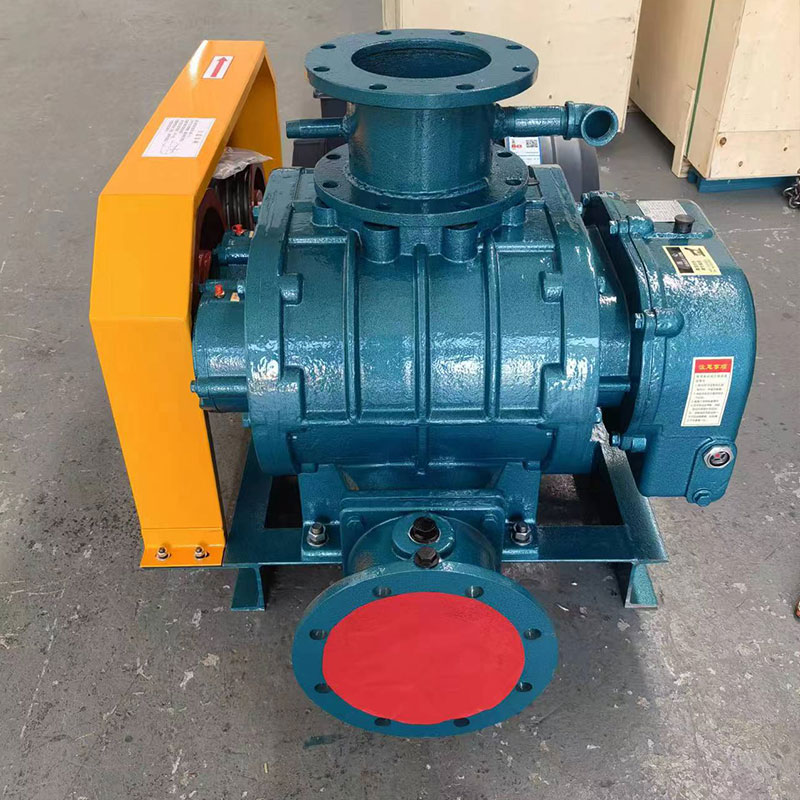


Phone Consultation