
Product Details

All-in-One Chiller-Heater, Oil Circulation Temperature Controller, Water Circ...

Consultation Phone:
13584070665
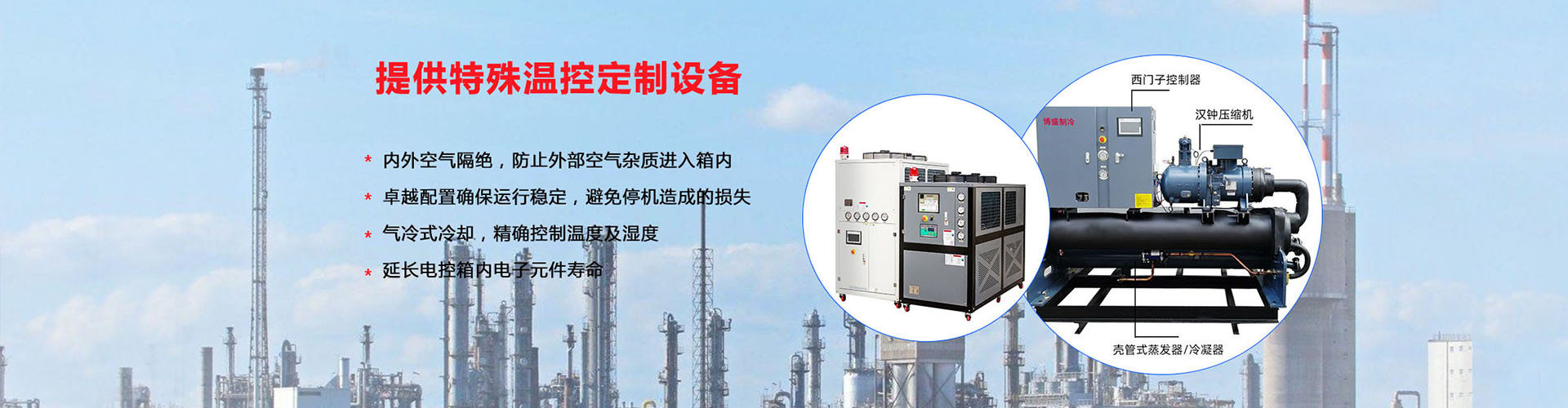
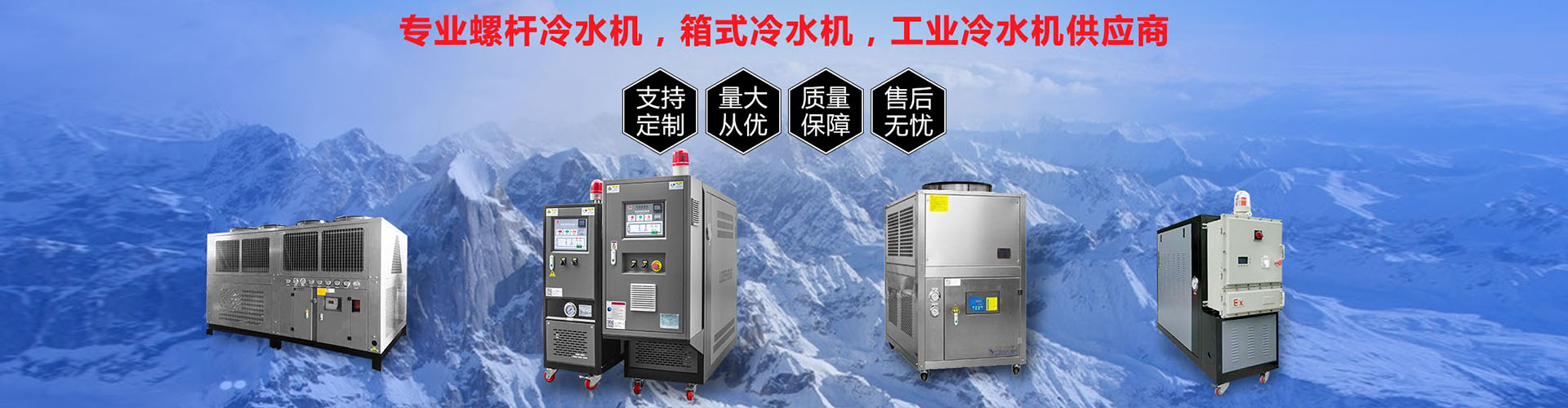

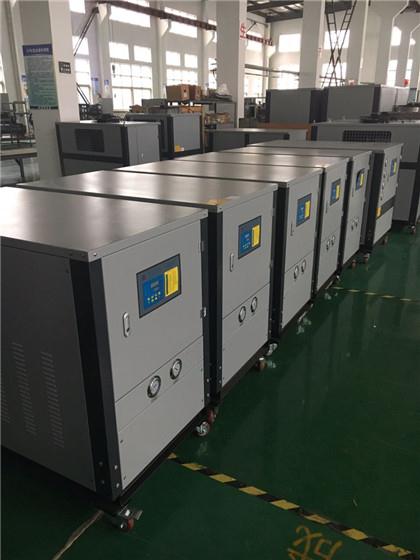
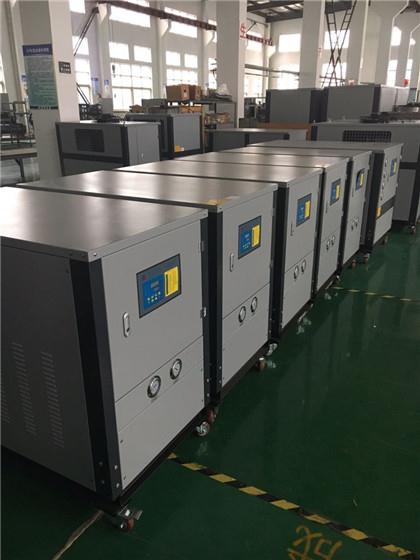
产品Price 1.00/A
最小起订Quantity:1 A 供货总Quantity: 10000 A


 Industrial Chiller Manufacturer
¥6000.00
Industrial Chiller Manufacturer
¥6000.00
 Explosion-proof Cool Water Chiller Manufacturer_Explosion-proof Cool Water Chiller Description
¥1.00
Low-Temperature Chiller Manufacturer_ Low-Temperature Chiller Introduction
¥1.00
Explosion-proof Cool Water Chiller Manufacturer_Explosion-proof Cool Water Chiller Description
¥1.00
Low-Temperature Chiller Manufacturer_ Low-Temperature Chiller Introduction
¥1.00
 Industrial Cold & Hot Water Integrated Machine Manufacturer | Factory Direct Supply
¥100000.00
Industrial Cold & Hot Water Integrated Machine Manufacturer | Factory Direct Supply
¥100000.00
 Industrial All-in-One Cold & Hot Water Machine Manufacturer | Welcome to Call for Inquiry
¥100000.00
Industrial All-in-One Cold & Hot Water Machine Manufacturer | Welcome to Call for Inquiry
¥100000.00
 Industrial冷水机 manufacturer | Pricing Transparency
¥7000.00
Industrial冷水机 manufacturer | Pricing Transparency
¥7000.00
 Industrial Chiller Manufacturers | Suppliers
¥6000.00
Industrial Chiller Manufacturers | Suppliers
¥6000.00
What is a low-temperature chiller? A low-temperature chiller is a water-cooling unit that maintains constant temperature, flow, and pressure. These chillers are commonly used in industrial processes with specific low-temperature requirements, typically reaching around -40℃. The chiller injects a certain amount of water into the internal reservoir, where it absorbs heat from the equipment, and then the heated water is recirculated through the reservoir to cool down.
A device that cools by evaporating a refrigerant and absorbing heat is called an evaporator. An evaporator is a heat exchange unit where the refrigerant and the cooled object transfer heat. The refrigerant enters the evaporator as a liquid and exits as a gas. The device that converts the gaseous refrigerant back into a liquid is a condenser.
The low-temperature chiller is composed of four components—low-temperature compressor, condenser, evaporator, and throttle device—and they are connected in sequence to form a closed system through pipes. Filled with the appropriate refrigerant, this constitutes the low-temperature chiller, which is the simplest configuration of the chiller. In actual operation, other protective devices may be present: such as high/low-pressure switches, differential pressure switches, desiccant filters, over-temperature switches, solenoid valves, check valves, etc., to optimize the refrigeration effect and quality.
A condenser is a heat exchange device where the refrigerant releases heat to the environment (the environment medium is usually air or water), condensing from a gas to a liquid state. The refrigerant enters the condenser as a gas and leaves as a liquid, and it also possesses the ability to vaporize. However, the refrigerant condenses by releasing heat into the ambient medium at normal temperature and pressure, while the gaseous refrigerant leaving the evaporator after refrigeration is at a very low temperature, below the ambient temperature (refrigeration involves cooling the object below ambient temperature and maintaining it). This low-temperature refrigerant cannot self-release heat and condense into the environment, necessitating a device to convert the low-temperature, low-pressure refrigerant at the evaporator outlet to a high-temperature, high-pressure refrigerant at the condenser inlet. This device is the compressor.
Compressors are energy-consuming equipment that promptly extract gaseous refrigerant from the evaporator to maintain low temperature and low pressure conditions, while also increasing the refrigerant's temperature and pressure through compression and transporting it to the condenser. This facilitates heat dissipation by the refrigerant, which remains in a low-temperature, low-pressure state in the evaporator and a high-temperature, high-pressure state in the condenser. Since the evaporator and condenser cannot be directly connected, the compressor boosts the pressure at the evaporator outlet to connect it to the condenser inlet. Similarly, a throttling device is required at the condenser outlet to complete the pressure reduction to connect to the evaporator inlet. This device is known as the throttling mechanism.
An evaporator utilizes the principle of evaporation to heat a solution, causing a portion of the solvent to vaporize and be removed, thereby increasing the concentration of the solution, a process known as concentration. The equipment used for this evaporation process is called an evaporator. Essentially, an evaporator is a heat exchanger where the material inside exchanges heat with the heat source (steam). A portion of the solvent (usually water) in the material turns into a gas and is separated out, resulting in an increased concentration of the material, achieving the goal of evaporation concentration.
The throttling device, on one hand, throttles and reduces the pressure of the high-temperature, high-pressure liquid refrigerant to meet the working conditions of the evaporator. On the other hand, it can also regulate the liquid supply to the evaporator, accommodating the cooling requirements of the cooled object as its temperature changes. This is the working principle of a low-temperature chilled water unit.
Therefore, the basic components required to complete a refrigeration cycle include a compressor, condenser, throttling device (such as an expansion valve), and evaporator, collectively known as the "four major components" of refrigeration (of course, a desiccant filter can also be included, making it the "five major accessories"). Among them, the compressor is the "heart" of the refrigeration system, responsible for compressing and conveying the refrigerant vapor; the condenser releases heat, converting the refrigerant vapor back into a liquid; the throttle valve is a throttling and pressure-reducing device, providing the required refrigerant state and flow rate for the evaporator; and the evaporator absorbs heat (releases cold) to achieve refrigeration.
Above is the information introduced by the low-temperature chillers manufacturer. If you have any further questions, feel free to consult our website, where professional staff will explain it to you.
b2b.china9.net © Zhongshang 114 Hebei Network Technology Co., Ltd.Address: Room 6009, Oriental New World Center, No.118 East Zhongshan Road, Qiaoxi District, Shijiazhuang City, Hebei ProvincePlatform Service Hotline: 4006299930


Phone Consultation
