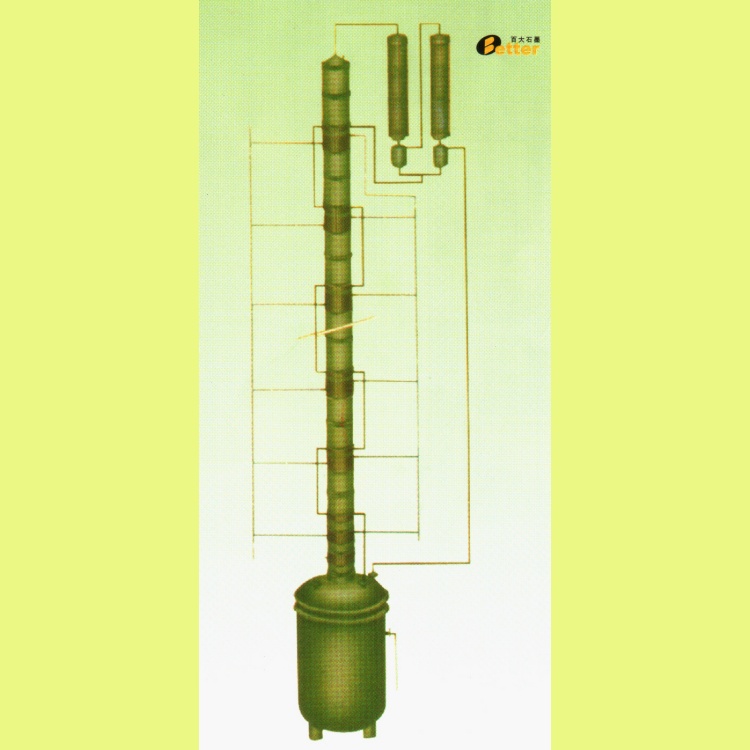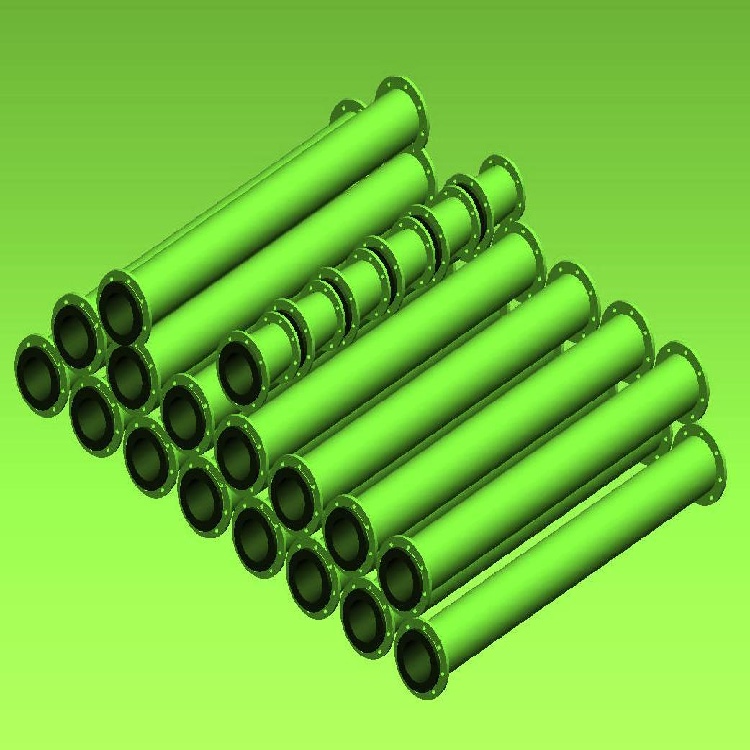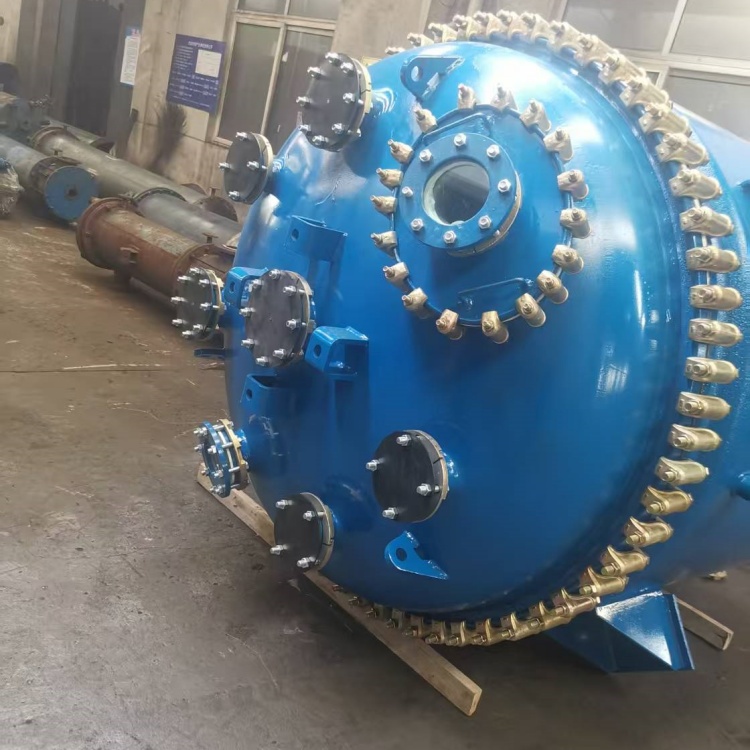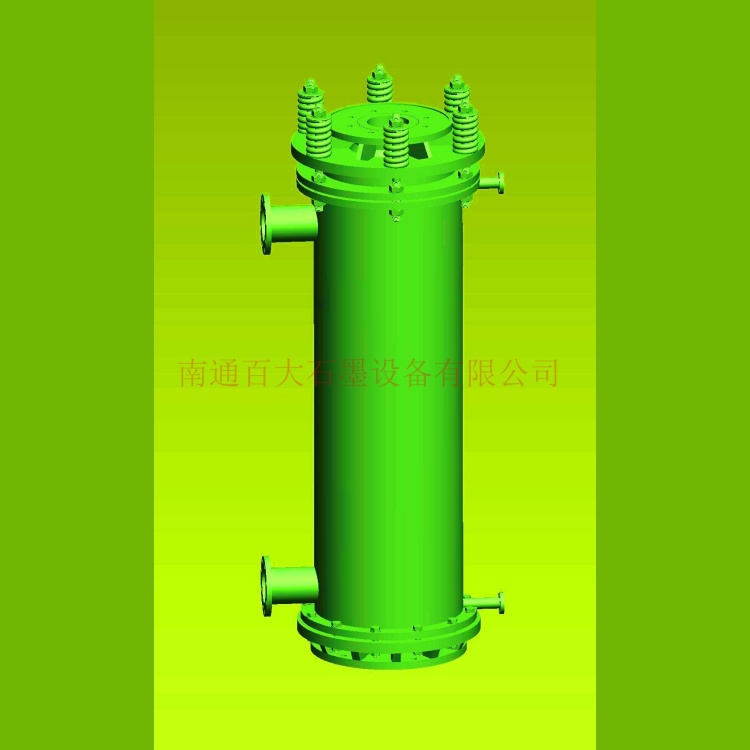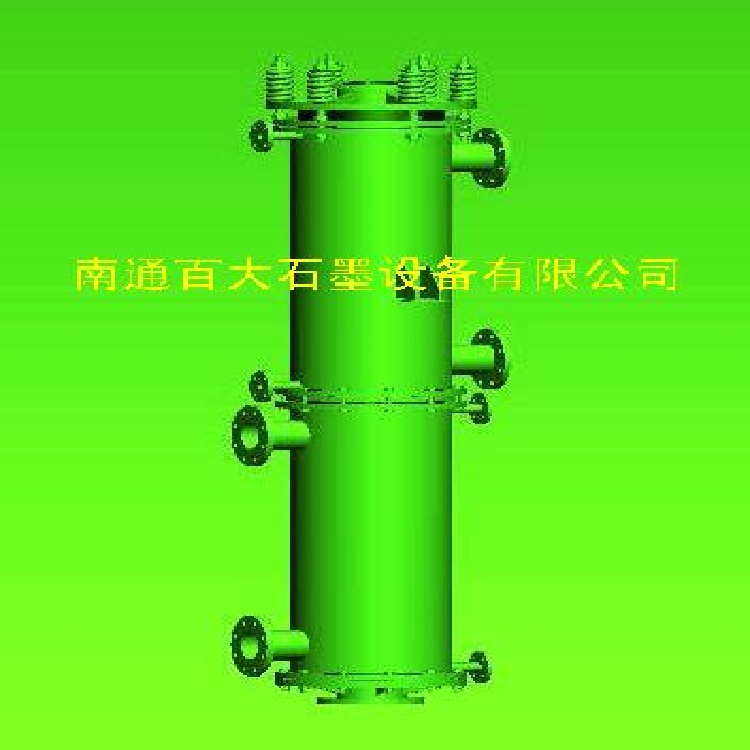
Mainly engaged in graphite heat exchangers, condensers, absorbers, heaters, evaporators, sulfuric acid diluters, etc.
0513-55880264
Graphite Heat Exchanger ManufacturerChoosing Wisely: How to Identify Reliable Suppliers
Graphite Heat ExchangerAs the "heart" equipment in highly corrosive working conditions, its quality directly determines the continuity, safety, and economic efficiency of the production line. Choosing a reputable manufacturer is not just about purchasing a product; it's about introducing a long-term and reliable technical partner to your project. Below is a framework for systematically evaluating and selecting suppliers from multiple dimensions.
One, Core Evaluation Dimensions: From "Hard Power" to "Soft Power" Assessment
Technical and Craftsmanship Heritage: The "Soul" of the Manufacturer
The performance bottleneck of graphite heat exchangers lies in their strength, sealing, and resistance to permeation, all of which are closely related to the manufacturing process.
Dipping Technology: This is the core secret of graphite heat exchanger manufacturing. Good dipping agents (such as resins, phenolic resins, PTFE resins, etc.) and advanced vacuum-pressure dipping processes determine the equipment's resistance to penetration and service life.
Key Questions: Gain in-depth understanding of the types of immersion agents used by manufacturers, the immersion cycle, achievable weight gain rates, and the temperature and corrosion resistance range. Good manufacturers will recommend different immersion solutions for various corrosive media (such as mixed acids, strong alkalis, organic solvents).
The precision of graphite block hole channels: The dimensional accuracy, straightness, and surface finish of the holes directly affect the fluid's flow resistance, scaling tendency, and heat transfer efficiency.
考察 Points: Inquire about the sophistication of their processing equipment (such as CNC deep hole drills) and whether they can ensure the coaxiality and dimensional tolerance of the holes.
Bonding and Sealing Technology: Connections between tube sheets and graphite tubes/blocks, as well as the sealing of heads and shells, are high-risk areas for leaks.
Key Considerations: Understand the performance of the adhesive used, the design of the sealing structure (such as using O-rings, washers, or flat gaskets for sealing), and whether there are mature solutions to address the sealing challenges posed by thermal stress.
Material and Component Quality: The "skeleton" and "joints" of the equipment
Graphite Raw Materials: The quality of graphite billets is fundamental. It is essential to select isostatically or mold-pressed graphite with fine particle size, uniform structure, and high strength. Manufacturers should have strict entry and inspection standards for their raw material suppliers.
Metal Components Material: Shell, head, flange, and other metal parts are also subject to corrosion environments. Manufacturers should reasonably select materials based on your process medium, such as carbon steel, 304/316L stainless steel, Hastelloy, titanium, or adopt internal lining corrosion prevention solutions (such as rubber lining, PTFE lining).
3. Design Calculation Capabilities: A Leap from "Experience" to "Science"
A reliable manufacturer should not merely be a "follow-the-blueprint" operation; rather, it should possess independent design and selection capabilities.
Thermal Calculation: Can we accurately perform heat transfer calculations based on your process parameters (flow rate, inlet and outlet temperatures, and medium properties), determine the required heat transfer area, and provide reasonable allowances?
Fluid Dynamics Calculation: Can the pressure drop in the tube side and shell side be calculated to ensure it falls within the pumping capacity of your system?
Mechanical Strength Calculation: Can the equipment be strength-checked under pressure and temperature loads to ensure safety?
Standardization and Drawing Specifications: The provided drawings must be clear and standardized, in compliance with relevant national standards (such as HG/T 3110-3113, etc.).
4. Quality Assurance and Inspection System: The "Health Certificate" for Our Products
Process Inspection: Quality records throughout the entire process, from raw material entry, machining, dipping to assembly.
Pressure Test: This is a mandatory inspection prior to shipment. Manufacturers should provide detailed hydrostatic/air pressure test reports to ensure there are no leaks.
Non-destructive Testing: Does the company offer testing methods such as ultrasonic flaw detection for critical equipment to detect hidden cracks within graphite blocks?
5. Performance and Industry Reputation: The "Touchstone" of the Market
Success Stories: Request performance records from manufacturers that are similar to your industry or operating conditions. A manufacturer with a wealth of successful cases in your industry is more likely to offer products with higher applicability and reliability.
Customer Feedback: Reach out to existing clients to gather insights on the actual operation of the equipment, failure rates, and the speed and quality of after-sales service response.
Industry Reputation: Gained insights into the manufacturer's reputation and brand image within the industry through channels such as the internet and industry conferences.
6. After-Sales Service & Technical Support: Long-term "Security Guardian"
Scale buildup, clogging, and minor leaks may occur in the operation of graphite heat exchangers. Quick and professional after-sales service is crucial.
Response Mechanism: Are there clear commitments to after-sales service and a hotline?
Parts Supply: Ability to provide timely delivery of seals, graphite blocks, and other wear-and-tear parts.
Chemical and Mechanical Cleaning Guidance: Can we provide professional chemical or mechanical cleaning solutions, as well as remote or on-site technical support in the event of a malfunction?
Step-by-Step Selection Process: Five Steps to Identify the Right Partner
Initially screening (information collection): Through industry exhibitions, B2B platforms, and peers, we have initially shortlisted 3-5 potential suppliers.
Technical Exchange (Deep Communication): This is a crucial step. Provide each supplier with a comprehensive process parameter sheet and listen to their initial selection recommendations and technical solutions. During this process, observe the professionalism of their technical staff, their responsiveness, and their ability to grasp details.
On-Site Inspection (Seeing is Believing): For 1-2 potential partners, it is imperative to conduct an on-site inspection. Witness their production workshops, processing equipment, laboratories, and raw material inventory firsthand. Engage with production and management staff to experience their corporate culture and management level.
Comparative Analysis of Proposals and Quotes (Comprehensive Evaluation): Require each party to provide detailed technical proposals, drawings, and commercial quotes. Do not solely focus on price; instead, conduct a comprehensive comparison: the rationality of the technical proposal, the selection criteria for materials, delivery time, payment methods, and after-sales service terms.
Contract Signing (Clarifying Rights and Responsibilities): The contract clearly outlines technical parameters, execution standards, acceptance methods, warranty periods, after-sales service details, and breach of contract liabilities, ensuring all verbal commitments are documented in writing.
Be Wary of Common Traps and Misconceptions
Price-only Approach: Extremely low prices often indicate a compromise in raw materials, craftsmanship, or service. Once a graphite heat exchanger experiences internal leakage, the resulting downtime losses and repair costs far exceed the value of the equipment itself.
Neglecting Medium Suitability: Ensure that the dip agent type recommended by the manufacturer is fully compatible with your process medium, especially when dealing with complex conditions involving solvents, strong oxidizers, and the like.
Be Wary of Empty Promises: Be cautious of exaggerated claims like "no leakage" or " lasts for ten years." Demand technical data and performance case studies to substantiate their statements.
Neglect Installation Instructions: Graphite equipment is prone to damage from impacts and stress during installation. The contract should clearly state whether the manufacturer provides installation instructions to avoid early damage due to improper installation.
Contact us

Service Hotline
13706295970
Company Telephone
0513-55880264

WeChat Number
13706295970

Address
Jiangsu Nantong Gangqie District Qianzao Street Yuanqiao Village, Group 11
b2b.china9.net © Zhongshang 114 Hebei Network Technology Co., Ltd.Address: Room 6009, Oriental New World Center, No.118 East Zhongshan Road, Qiaoxi District, Shijiazhuang City, Hebei ProvincePlatform Service Hotline: 4006299930