
- AllProduct Category
-
Conveying Equipment
Brush Sweeper
Distribution Equipment
Industrial Equipment
Hydration Bag
Wall Saws



Recommended Products
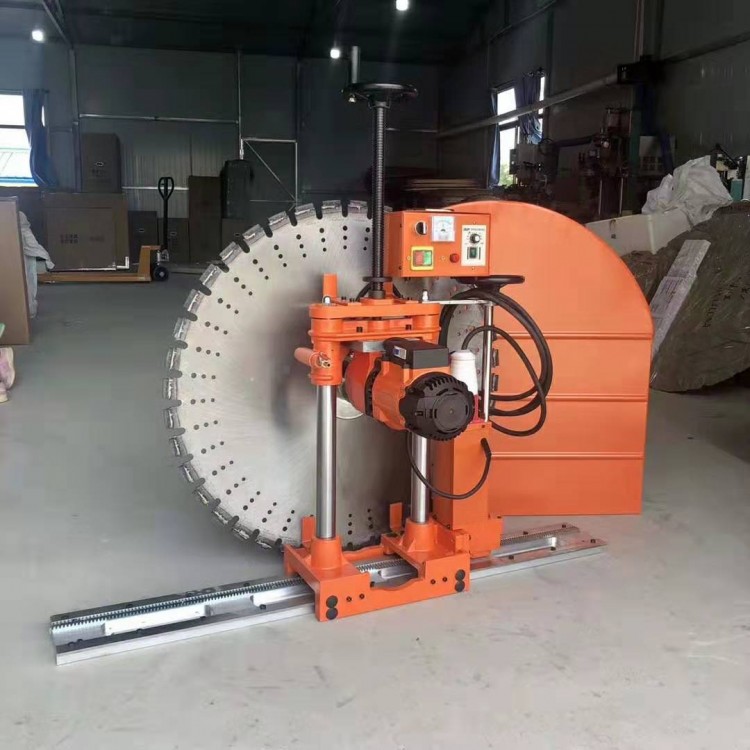
Wall Saws (Construction Site) - Concrete and Reinforced Steel Wall Cutting Machines
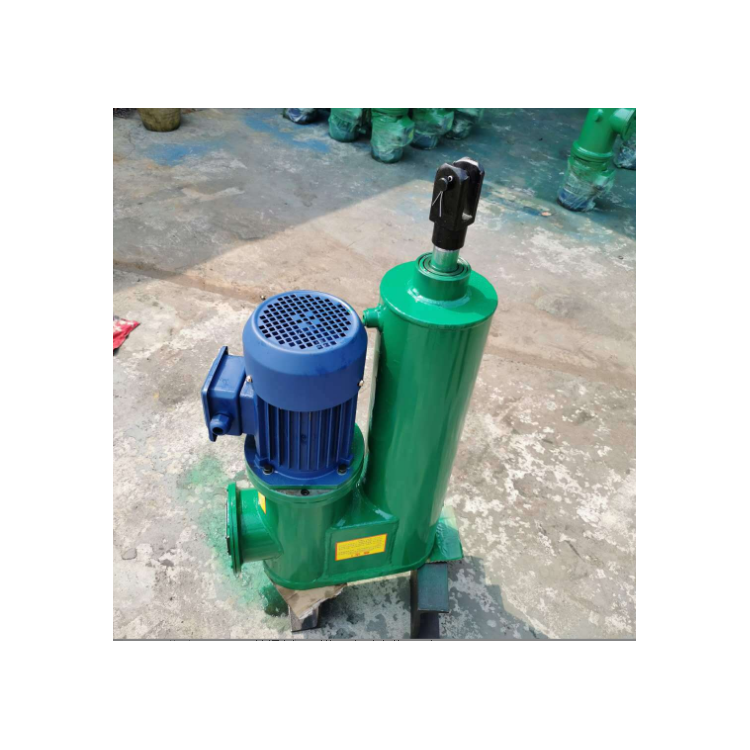
3kW Straight Electric Actuator, Hydraulic Cylinder, Coal Cutting Equipment Matching Hydraulic Push Rod
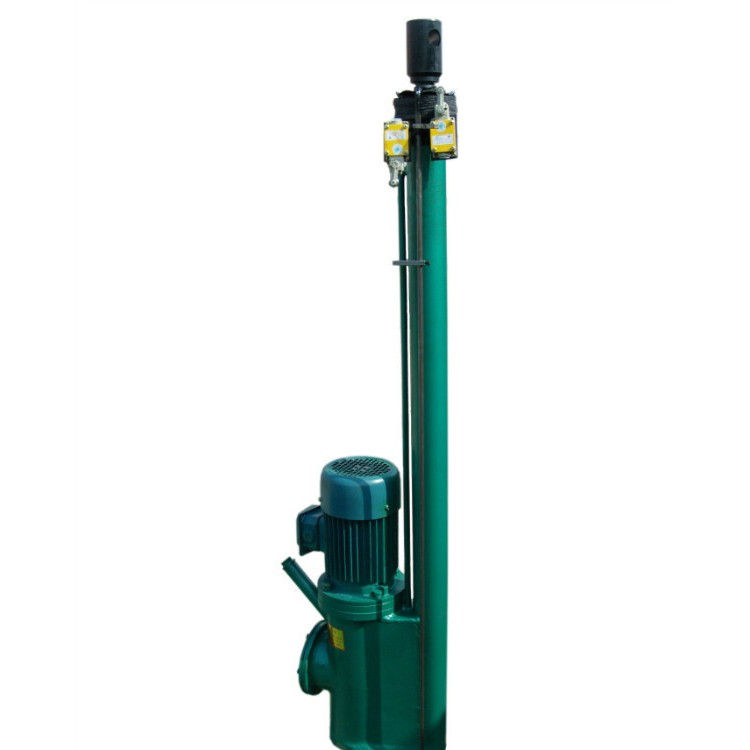
卸灰阀配套推杆 DYTP-700-400 Parallel Hydraulic Push Rod
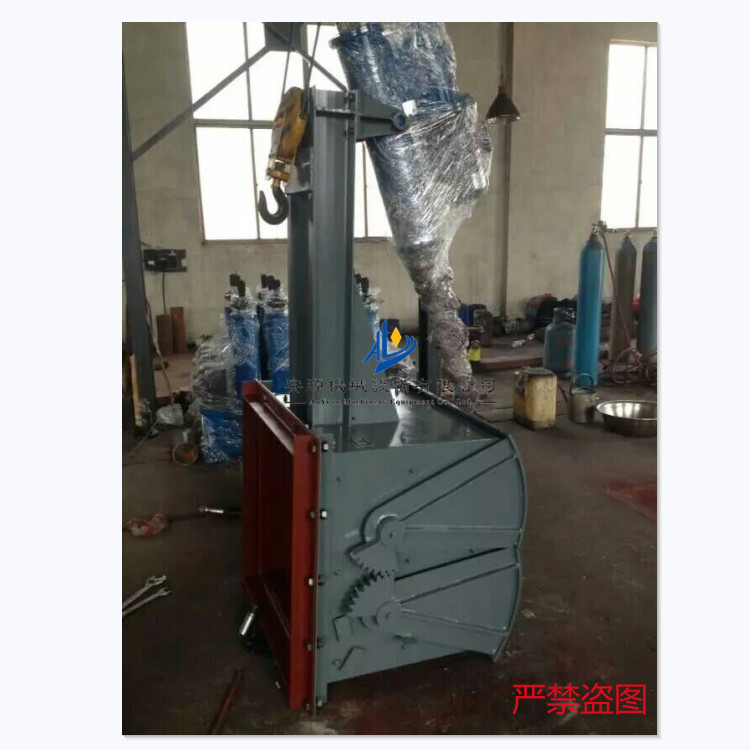
Electrical Rugged Gate Valves, Electro-hydraulic Actuated Rugged Gate Valves, Various Diameter Ash Discharge Valves
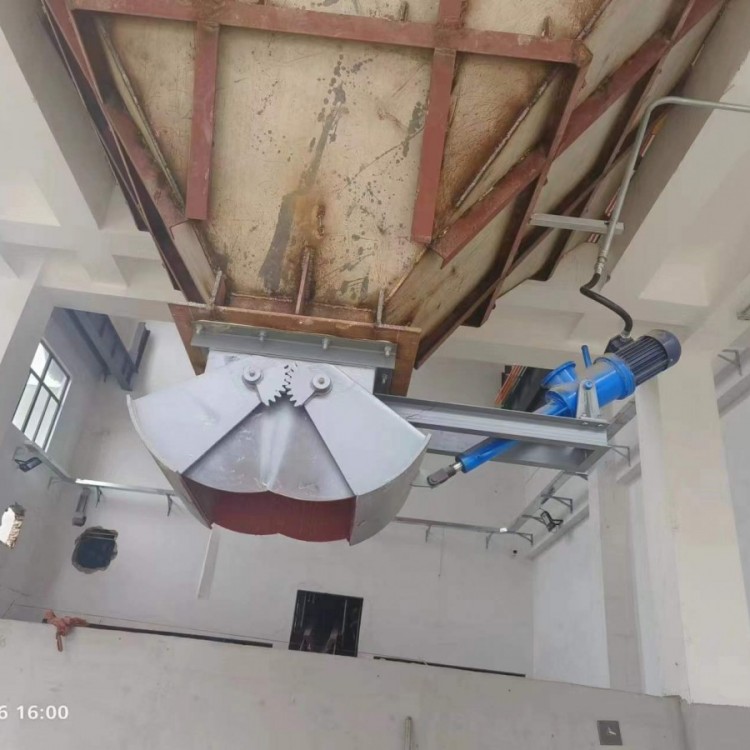
DSZ-600 Electro-hydraulic Butterfly Gate, Discharging Equipment, Double-Leaf Electric Valve
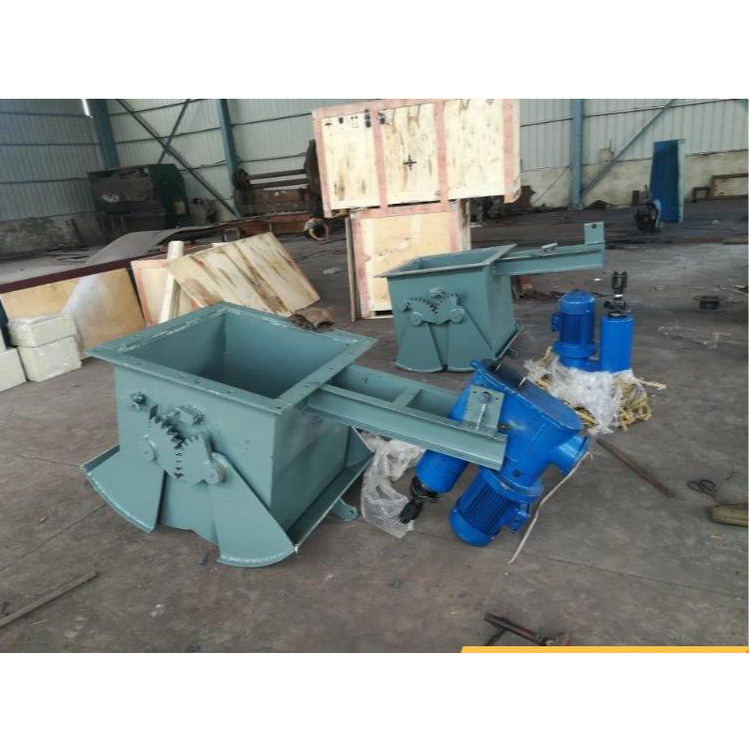
Material Storage Gate, Electro-hydraulic Scissor Gate, Mine Electric Push Rod Discharge Valve
详情描述
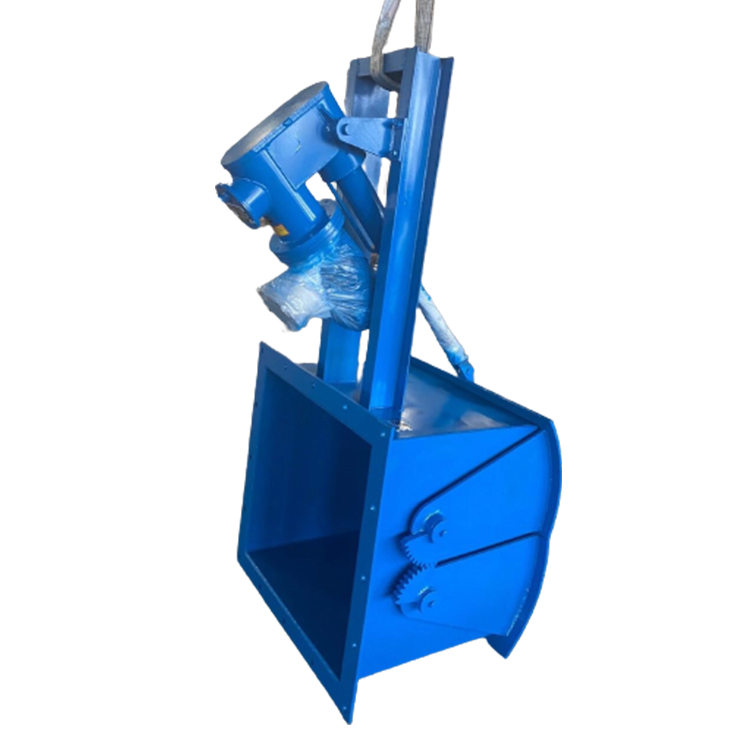
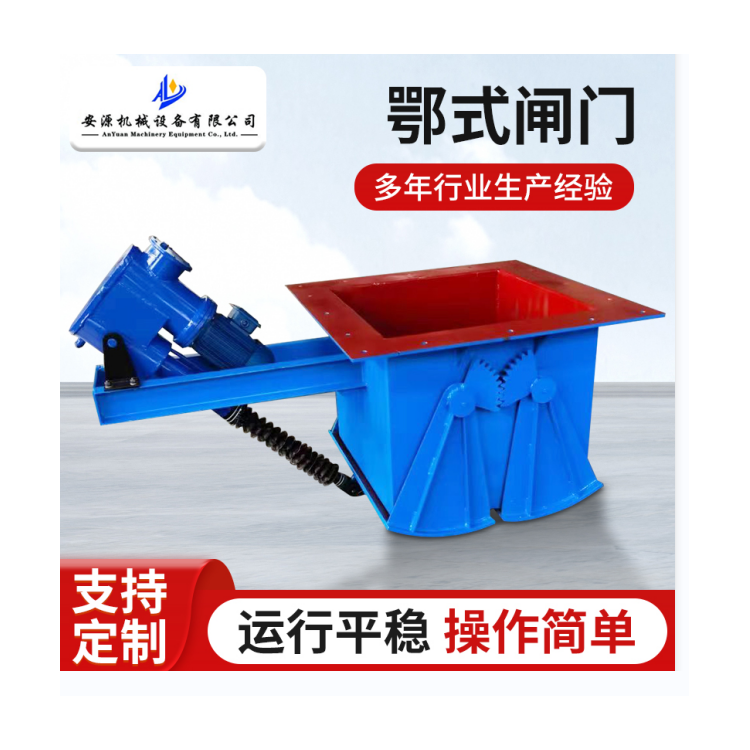
Loading and unloading valve, double-leaf electric-hydraulic sliding gate
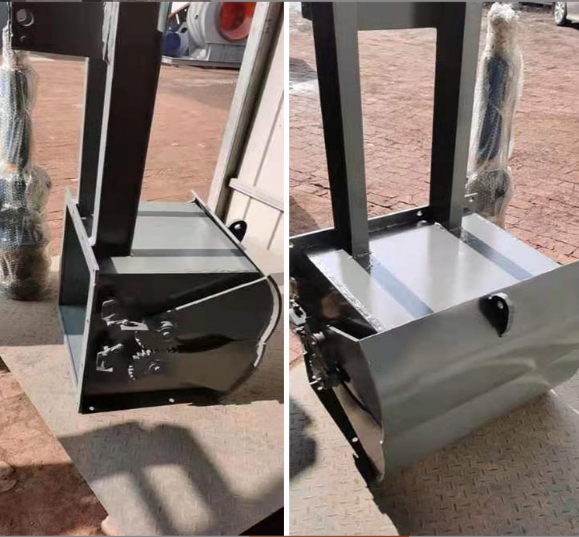
Structural Features and Applications:Hinged gate series with simple structure, easy operation, and convenient unloading Long service life, flexible operation, utilizes Welded from steel plate, driven by an electric (hydraulic) push rod, operates smoothly with low failure rate, capable of quickly cutting off the material flow. Widely used in construction materials, metallurgy, mining, power, chemical, light industry, and grain industries, it serves as the unloading control device for various drop-off systems.
Key Performance Parameters
(1) Applicable Media: Crystals, solid particle materials, powdered materials.
(2) Operating Temperature: ≤300°C
(3) Medium Flow Rate: ≤28 m/s
(4) Power Voltage: 380V 50Hz
(5) Adjustment Characteristics: Two-position switch
(6) Electro-hydraulic Actuator Models: DG Series Electric Actuator or DYT Series Electro-hydraulic Actuator
Pleated gates, also known as pleated valves, jaw valves, pleated discharging valves, electro-hydraulic pleated gates, electric pleated gates, arc valves, pleated ash discharge valves, etc.
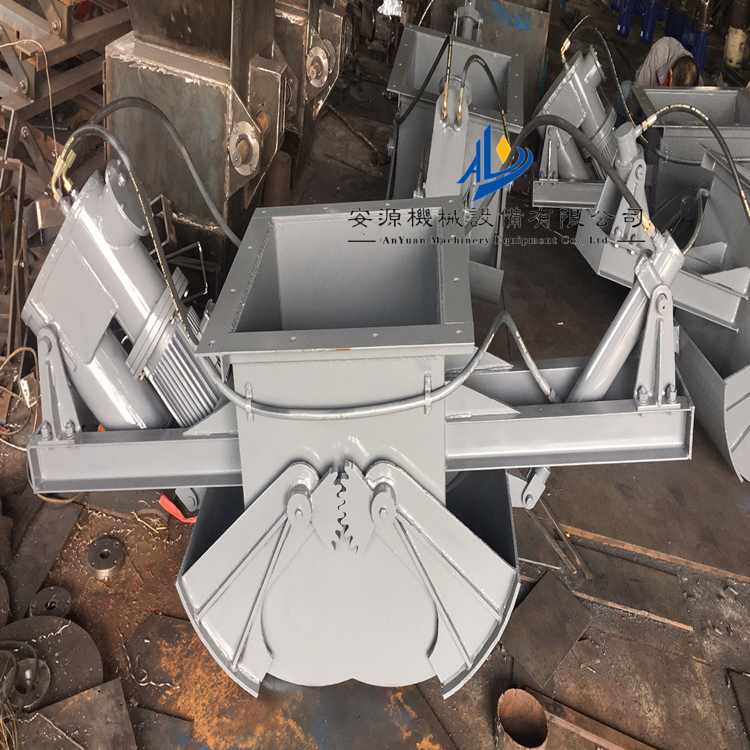
The gate valve consists of components such as the main body, wing-shaped gate plate, shaft, gears, seals, and actuator. It is formed by carbon steel welding and has a structure. Operation is flexible and reliable with no jamming issues. Different drive units can meet various operational requirements. Electric gate valves are equipped with electric actuators featuring overload protection to prevent motor burnout, allowing for remote operation or programmable control, with reciprocating strokes that can be adjusted and locked in place. Hydraulic gate valves use hydraulic actuators with full hydraulic drive, enabling stepless adjustment of both push and pull forces. Pneumatic gate valves use pneumatic actuators, which can be remotely controlled or locally operated through component assembly.
Working Principle
The hood gate utilizes an electro-hydraulic push rod, featuring full hydraulic transmission with variable speed control for both thrust and pull. The gate is operated manually or by an actuator, which pushes the lever, causing the gears to rotate the sector gate around the axis. This opens the two sector gates to the sides, allowing the material to fall. Once the receiving device is fully loaded, the actuator drives the lever again to reset the sector gate, closing off the falling material.