

- AllProduct Category
-
Conveying Equipment
Brush Sweeper
Distribution Equipment
Industrial Equipment
Hydration Bag
Wall Saws



Recommended Products
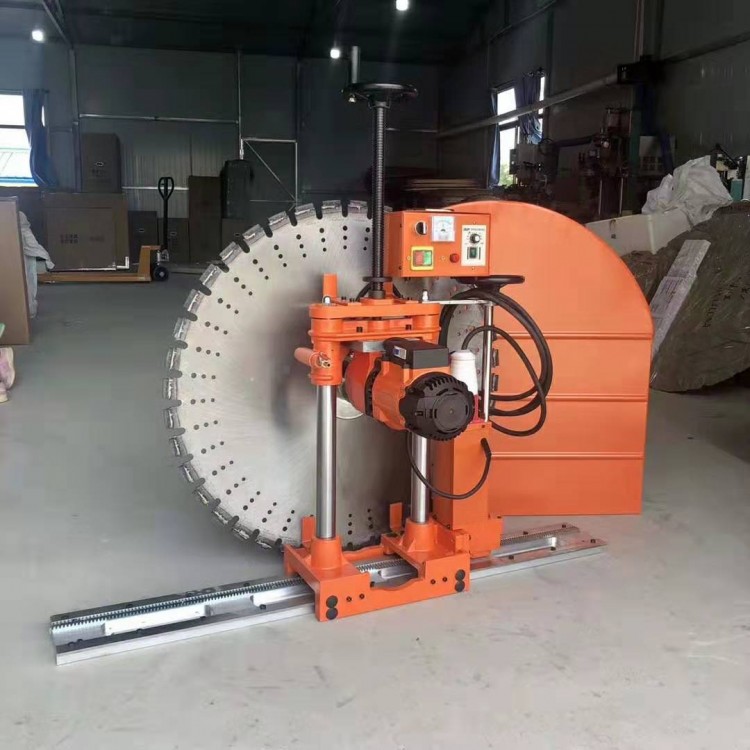
Wall Saws (Construction Site) - Concrete and Reinforced Steel Wall Cutting Machines
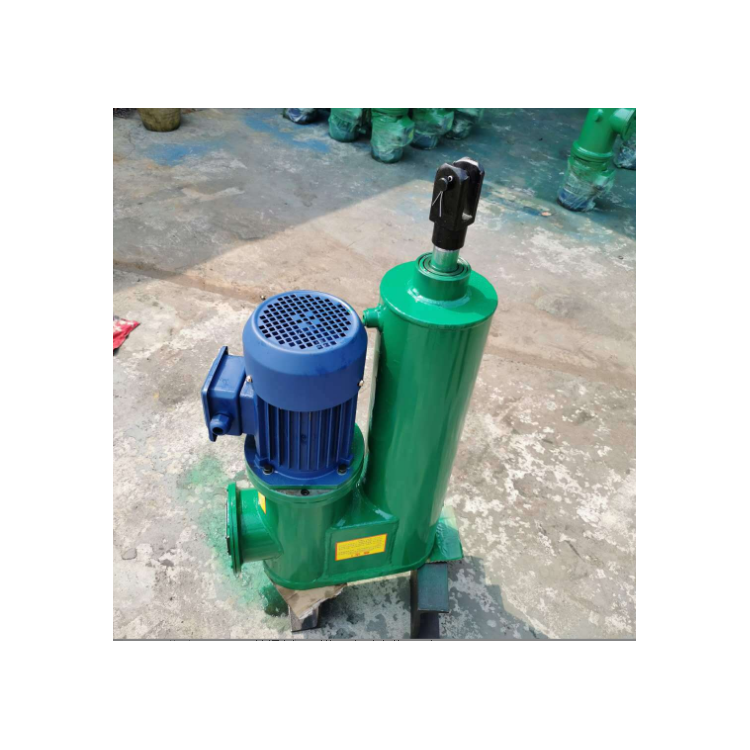
3kW Straight Electric Actuator, Hydraulic Cylinder, Coal Cutting Equipment Matching Hydraulic Push Rod
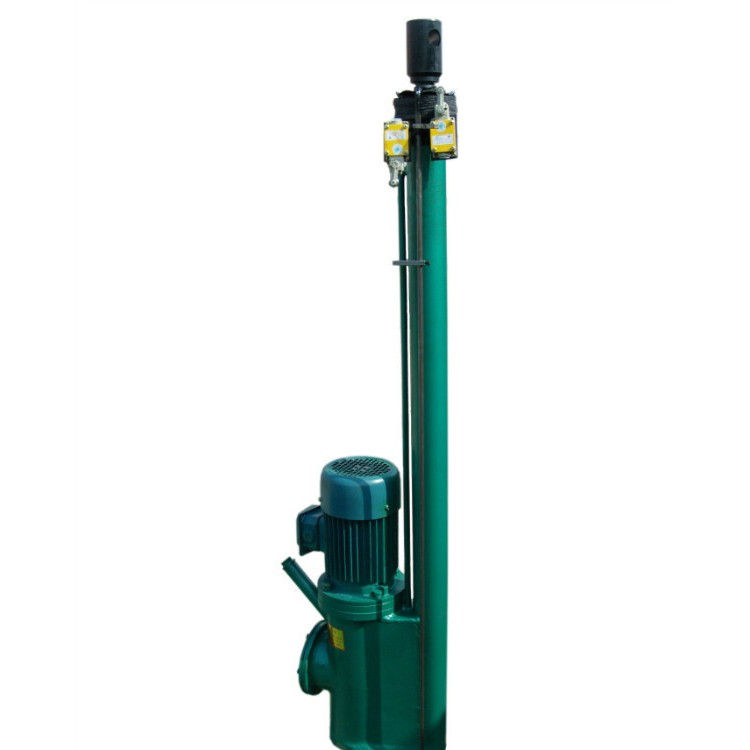
卸灰阀配套推杆 DYTP-700-400 Parallel Hydraulic Push Rod
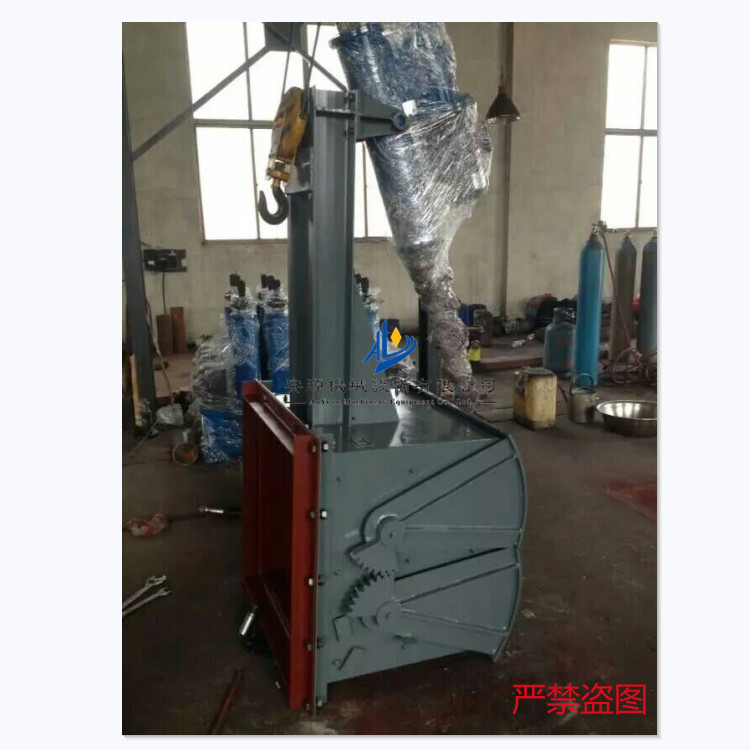
Electrical Rugged Gate Valves, Electro-hydraulic Actuated Rugged Gate Valves, Various Diameter Ash Discharge Valves
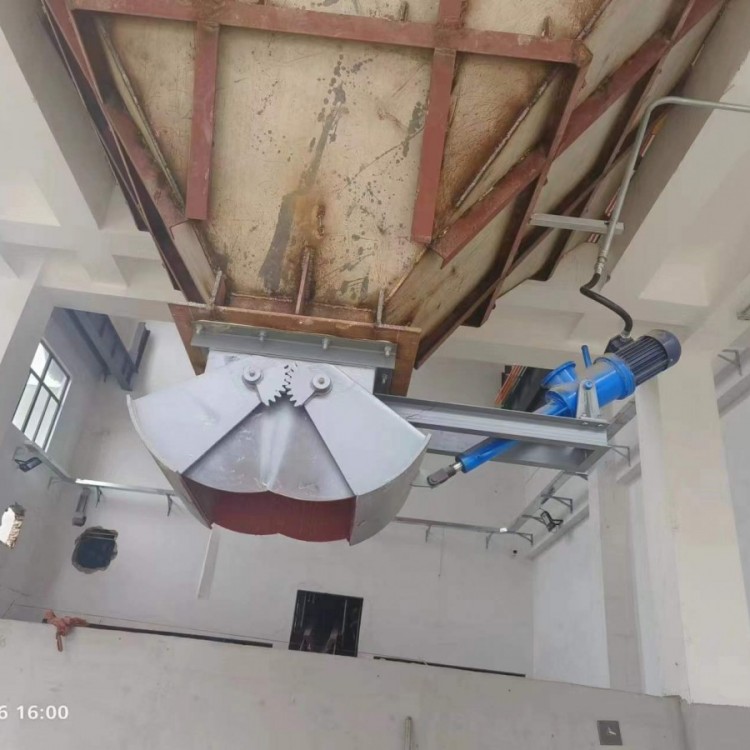
DSZ-600 Electro-hydraulic Butterfly Gate, Discharging Equipment, Double-Leaf Electric Valve
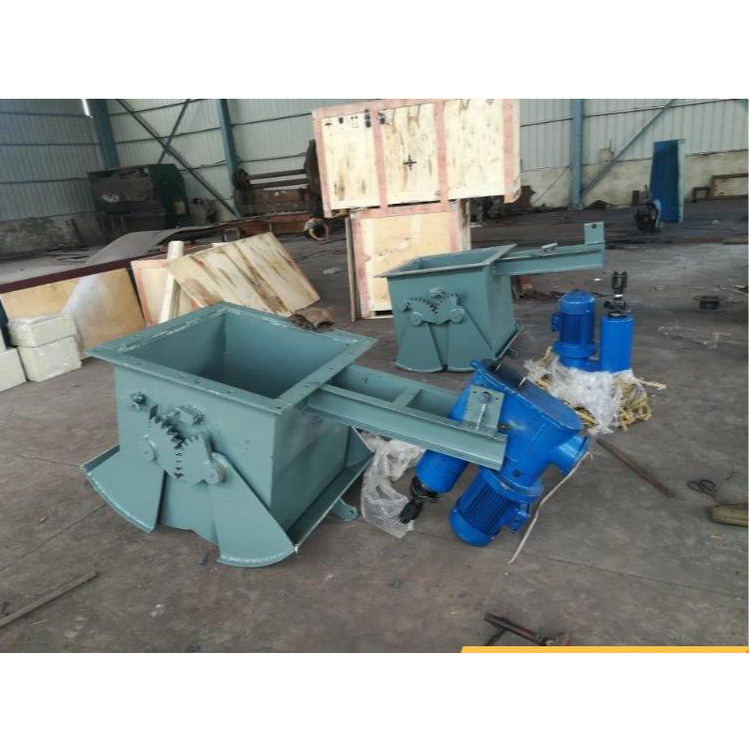
Material Storage Gate, Electro-hydraulic Scissor Gate, Mine Electric Push Rod Discharge Valve
详情描述
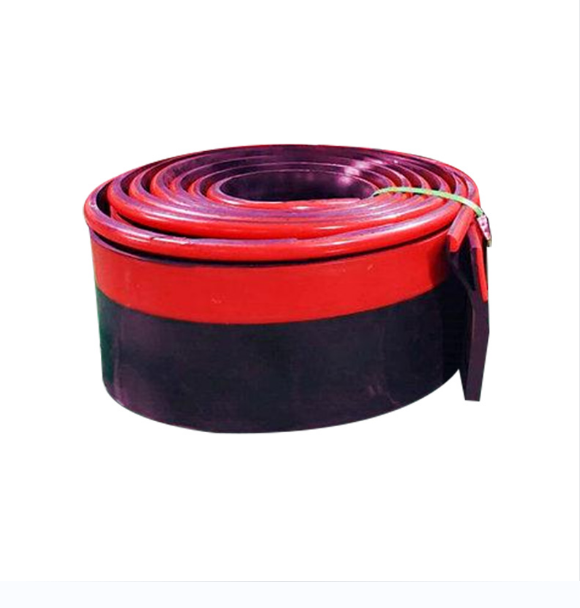
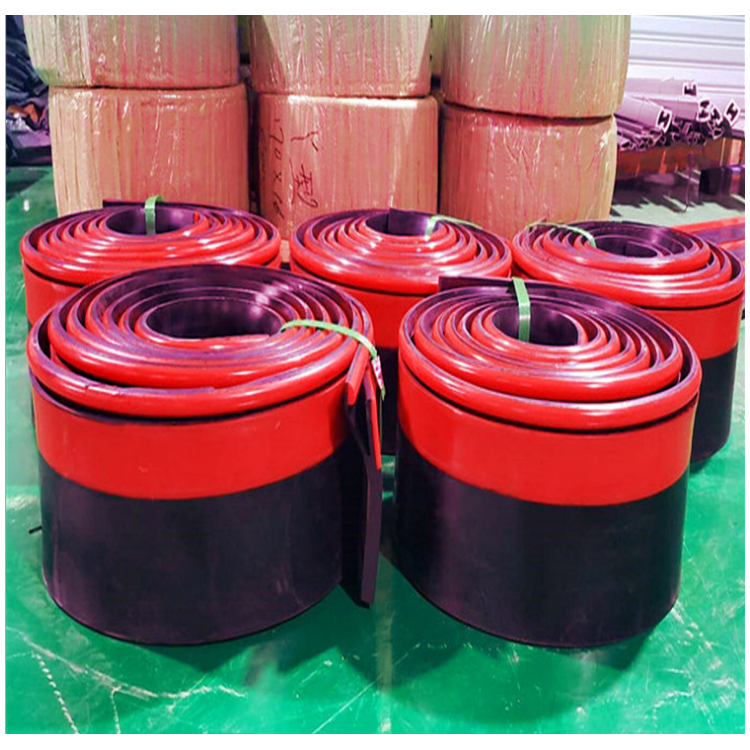
Gansu Power Plant Conveyor Belt Overflow Guard, Anti-Wear T-Type Overflow Guard, Material Channel Coal Shield
1. Skirtboard Material: Made of polyurethane and Rubber composite, with the contact part (mainly for sealing) made of polyurethane. Polyurethane is used Imported powder material cast, superior to extrusion process-made and placed in polyurethane.Abrasion-resistantHigher performance, longer service life, without damaging the belt.
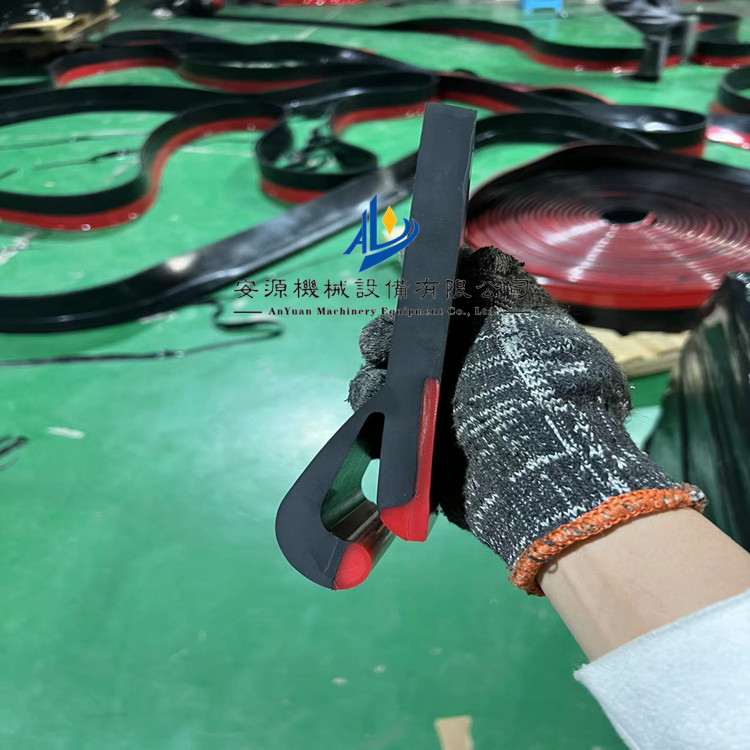
2. Sealing Effect: The anti-spill skirt board utilizes a double-layer sealing structure of a flat plate + skirt edge integrated into one. The flat plate is tightly adhered to the side of the guide material channel, contacting the belt at the bottom to prevent material overflow; the skirt edge is flipped outward, which can Angle rotation within, powered by the rubber plate's elasticity, automatically tracks the belt, maintaining constant close contact with it, and boasts excellent sealing performance.
3. The skirt board's sealing edge features a single-sided curved transition. In case the belt drifts, it won't damage the belt or the skirt edge and can automatically return to its original position.
4. Each side skirt board of the material guide channel is made as a single unit, matching the length of the channel, to prevent air leakage at the joint.
Common issues with standard material conduit seals
Currently, the sealing strips on both sides of the material guide channel are mostly cut from ordinary rubber belts, fixed to the channel with angle iron, wedge-type locking devices, etc. The main issues with this sealing method include:
Seal StripFriction-resistantPoor quality. Severe wear after a short period of use, the sealing strip cannot make close contact with the belt, resulting in poor sealing effect, significant air leakage and powder escape, with a large amount of dust on site and a harsh environment.
2. The sealing strip has no deformation in up and down directions. Once installed on a stationary belt, after the sealing strip is secured, when the belt carries material and sinks, a gap forms between the sealing strip and the belt, resulting in severe coal spillage and powder leakage.
3. Single-seal gaskets are not as effective as double-sealed ones.
4. Replacing the sealing strips requires substantial labor.
Overflow skirt boards are mainly used for sealing and cushioning between the conveyor belt and the feed chute, as well as between the bedding and the feed chute. Therefore, overflow skirt boards are commonly used in mining applications. Consumer goods, and more specifically, consumables.
Installation Methods: A: Butterfly Nut; B: Handle Type.
Directly mounted at the lower edge of the conveyor belt guide trough.
Features:
Easy and quick installation and adjustment.
Double-sealed design, with the inner layer preventing material overflow and the outer layer acting as a dust-reduction function.