
- AllProduct Category
-
Conveying Equipment
Brush Sweeper
Distribution Equipment
Industrial Equipment
Hydration Bag
Wall Saws



Recommended Products
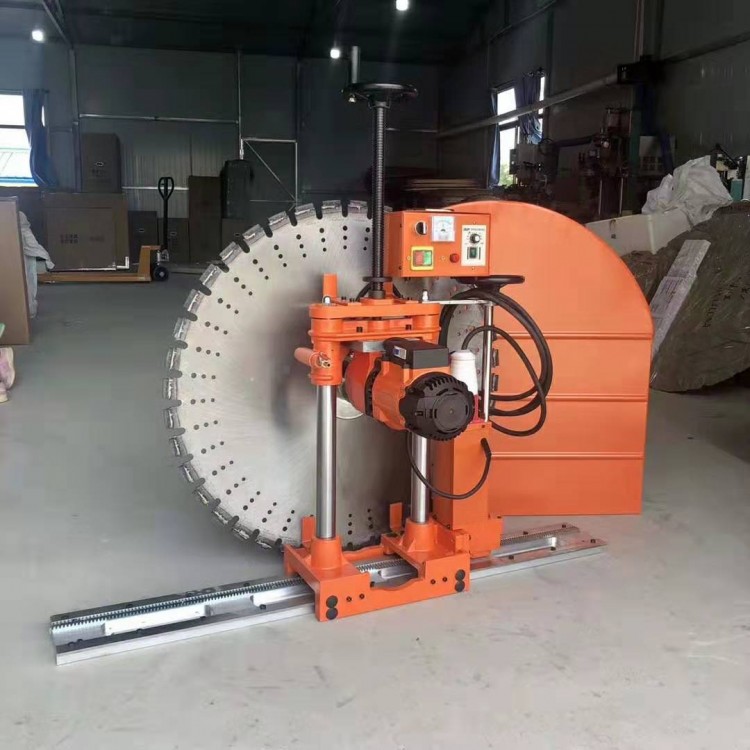
Wall Saws (Construction Site) - Concrete and Reinforced Steel Wall Cutting Machines
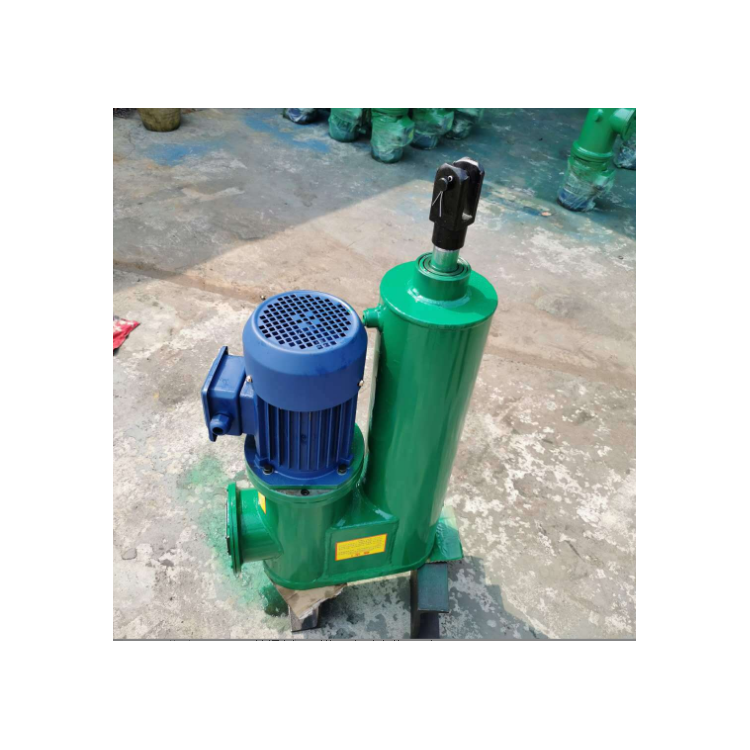
3kW Straight Electric Actuator, Hydraulic Cylinder, Coal Cutting Equipment Matching Hydraulic Push Rod
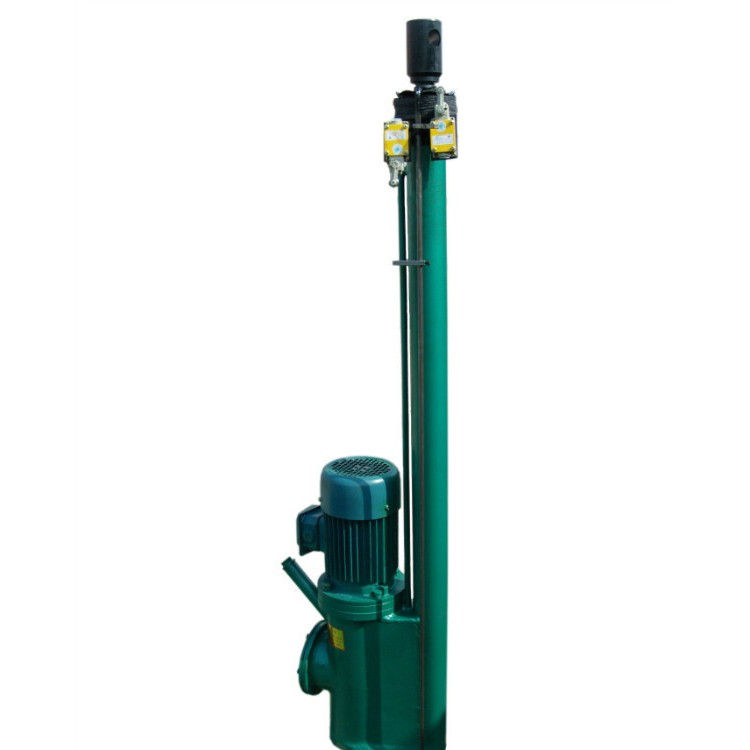
卸灰阀配套推杆 DYTP-700-400 Parallel Hydraulic Push Rod
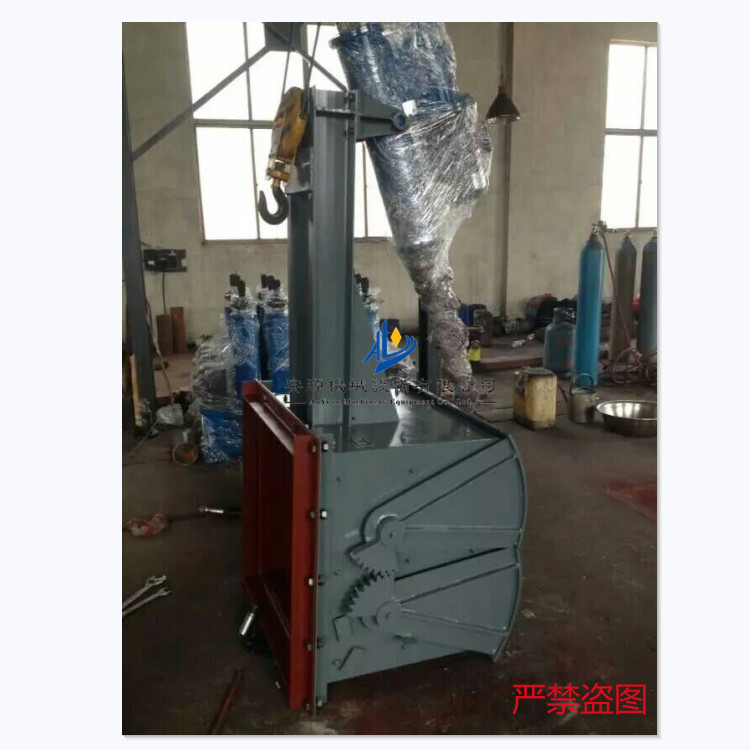
Electrical Rugged Gate Valves, Electro-hydraulic Actuated Rugged Gate Valves, Various Diameter Ash Discharge Valves
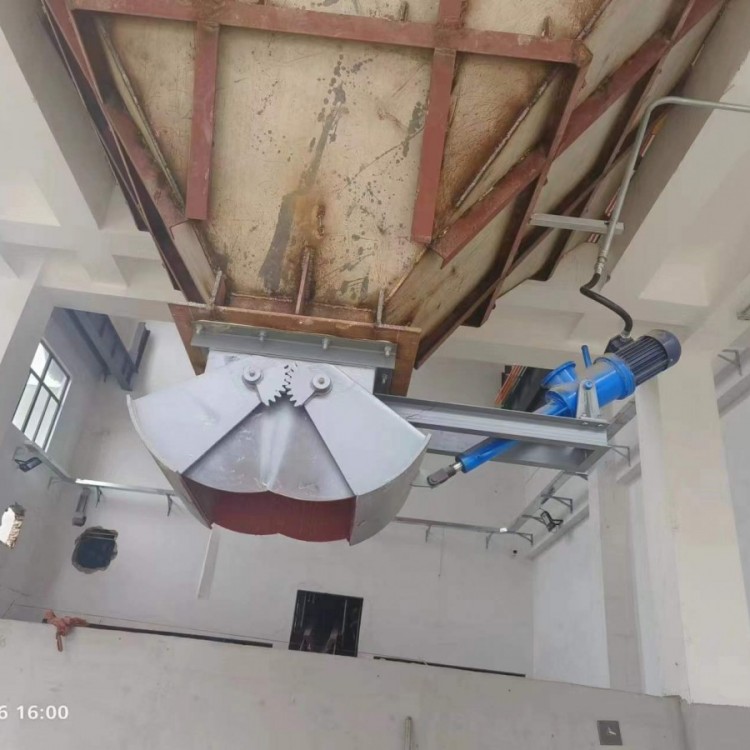
DSZ-600 Electro-hydraulic Butterfly Gate, Discharging Equipment, Double-Leaf Electric Valve
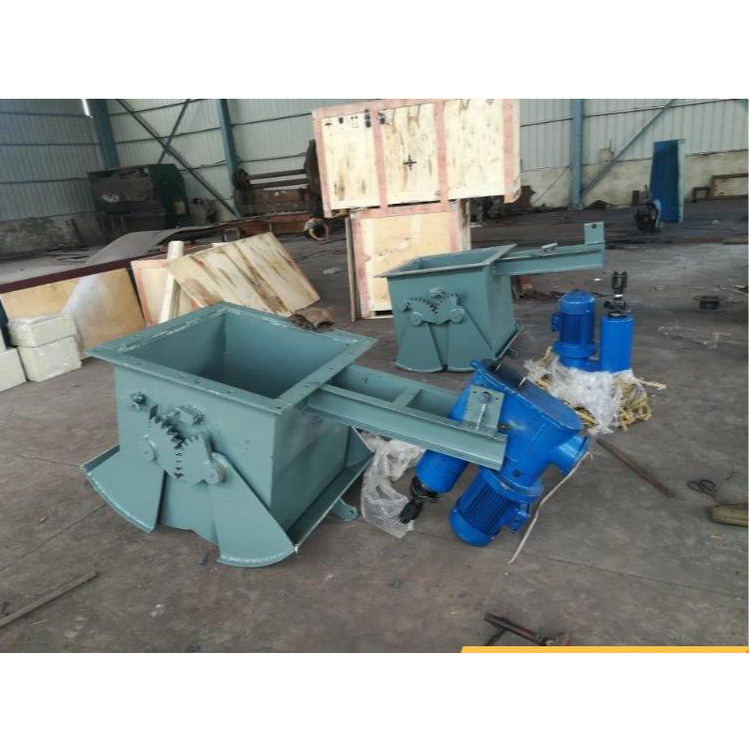
Material Storage Gate, Electro-hydraulic Scissor Gate, Mine Electric Push Rod Discharge Valve
详情描述
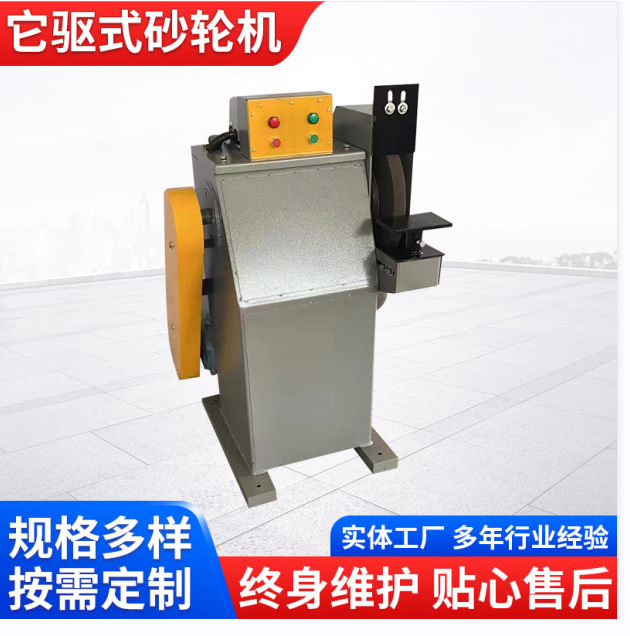
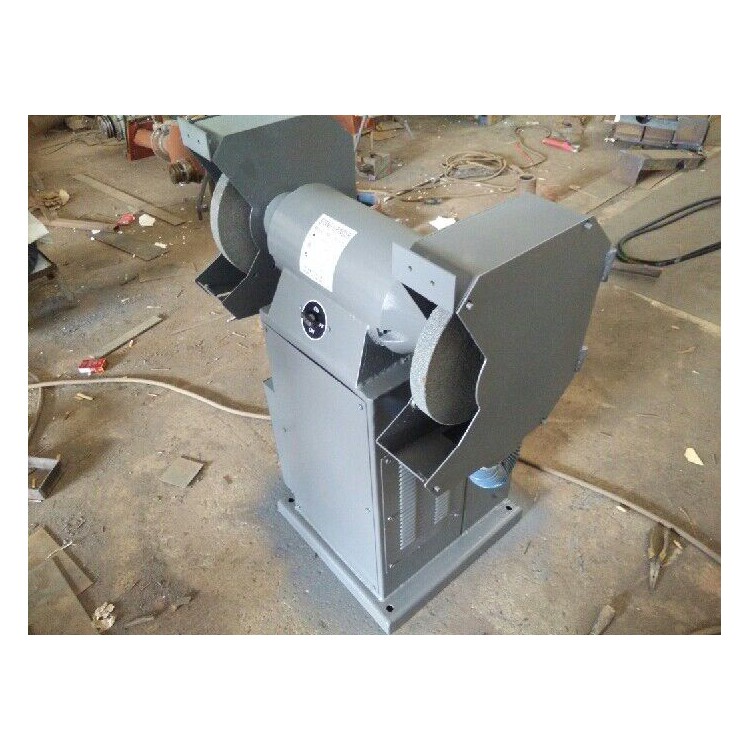
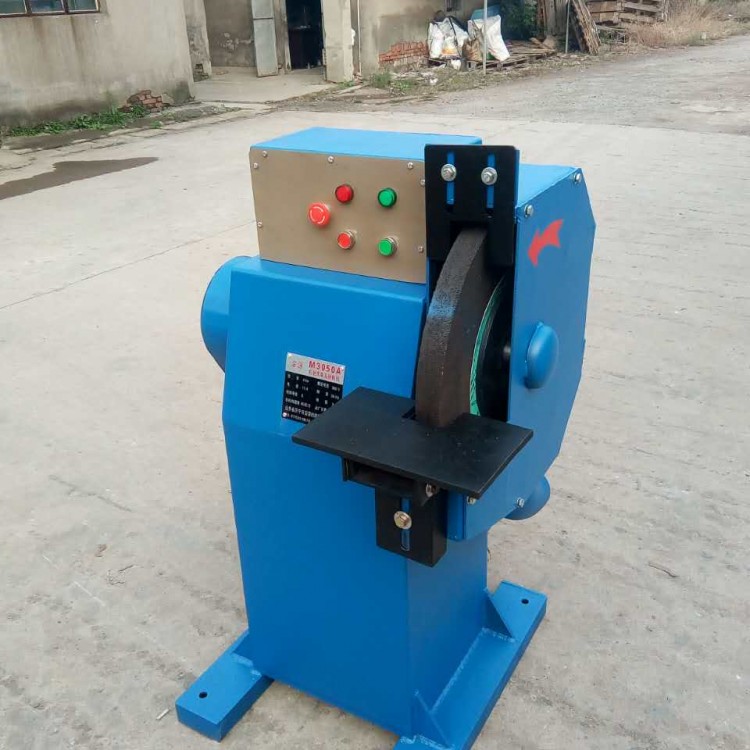
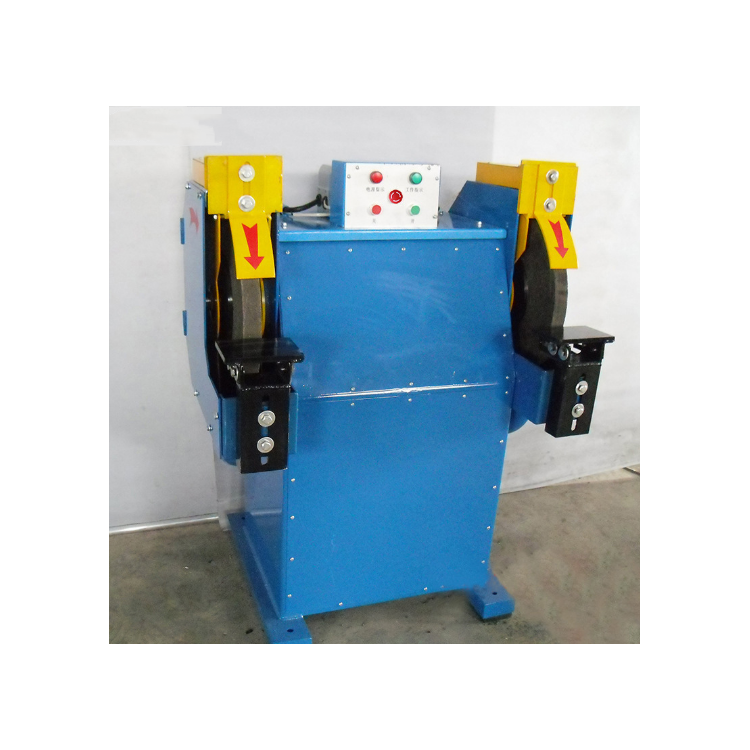
Castings Grinding Wheel Machine, Burr Removal Diamond Grinding Wheel Machine, It Drives Single Head Grinding Wheel Machine
The driven grinding wheel machine has certain common requirements of grinding machines, but also features high rotational speed, simple structure, wide applicability, and is generally operated manually.
The working principle:
It is a driven grinding wheel machine that does not have its own drive system. It relies on an external power source to operate, typically using an electric motor powered by a belt to drive the grinding wheel, causing it to rotate at the specified speed.
Driven grinding wheel machine with dust collector:
The driven abrasive wheel machine can also be connected to a dust collector for environmental dust removal. When the equipment is activated, both the abrasive wheel and the dust collector start simultaneously. Dust particles generated during the workpiece grinding are drawn into the sedimentation chamber by the negative pressure suction of the fan. Large and heavy particles of dust fall directly into the ash drawer, while fine dust is carried by the air flow into the filter box. When passing through the filter bags, the dust adheres to and falls with the dust on the filter core into the ash discharge tray. The striking time can be adjusted.
Operation Procedure
1. The grinding wheel's rotation direction must be correct, ensuring the chips fly away from the wheel downwards.
2. After the grinding wheel machine is started, grinding should be performed only after the machine has rotated smoothly. If the grinding wheel machine exhibits significant vibration, it should be stopped and adjusted immediately.
3. Maintain a 3mm gap between the grinding wheel stand and the grinding wheel to prevent workpieces from being pierced and causing accidents.
4. Stand on the side of the grinding wheel machine while grinding and avoid using excessive force.
5. Select a grinding wheel that matches the spindle speed of the grinder according to the instructions provided.
6. New grinding wheels must have a factory certification or inspection and test mark. Do not use the wheel if defects such as quality issues, hardness, grain size, or cracks are found before installation.
7. When installing the abrasive wheel, the gap between the inner hole of the wheel and the main shaft should not be too tight. It should be adjusted according to the technical requirements for loose fit, generally between 0.05 and 0.10 millimeters.
8. The grinding wheel should have flanges on both sides, with a diameter not less than one-third of the grinding wheel's diameter. A washer should be properly placed between the grinding wheel and the flange.
9. When tightening the nut, use a specialized wrench. Do not over-tighten, and strictly avoid hammering with hard objects to prevent the grinding wheel from cracking.
10. After the grinding wheel is installed, protective guards, baffles, and brackets must be attached. The gap between the baffles and brackets and the grinding wheel should be maintained within 1/3 mm, and slightly below the center of the grinding wheel.
11. When starting a new abrasive wheel, do not rush. First, perform a spot check, and only after a 5 to 10-minute trial rotation can it be used.
Do not apply excessive force during initial grinding to prevent uneven distribution of force on the grinding wheel and potential accidents.
13. Prohibition of grinding materials such as copper, lead, and wood to prevent sandwheel clogging.
14. When sharpening knives, the person should stand on the side of the grinding wheel, and it is not allowed for two people to sharpen knives on the same wheel simultaneously.
15. Knives that require a longer sharpening time should be cooled promptly to prevent burning.
16. Regularly adjust the balance of the grinding wheel surface to maintain good condition.