




- AllProduct Category
-
Conveying Equipment
Brush Sweeper
Distribution Equipment
Industrial Equipment
Hydration Bag
Wall Saws



Recommended Products
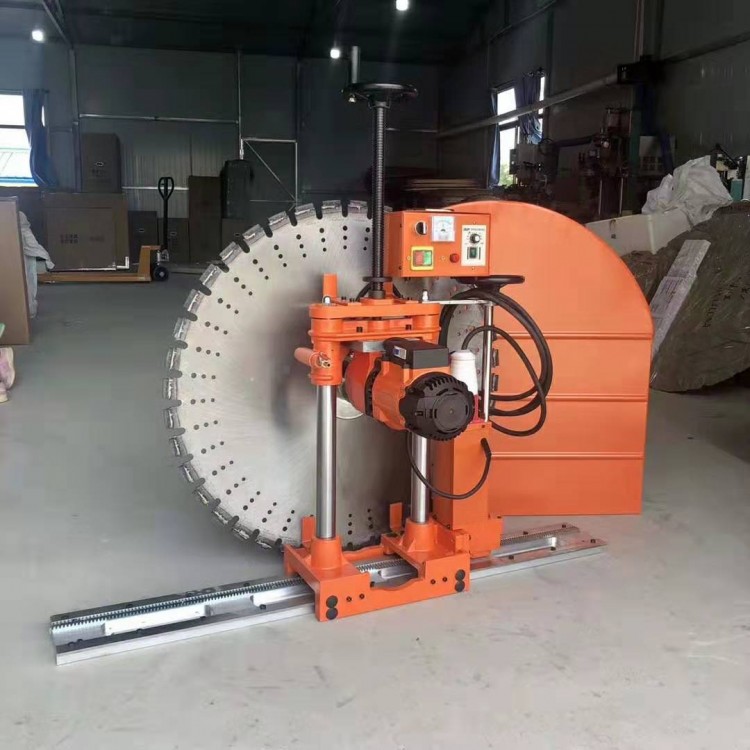
Wall Saws (Construction Site) - Concrete and Reinforced Steel Wall Cutting Machines
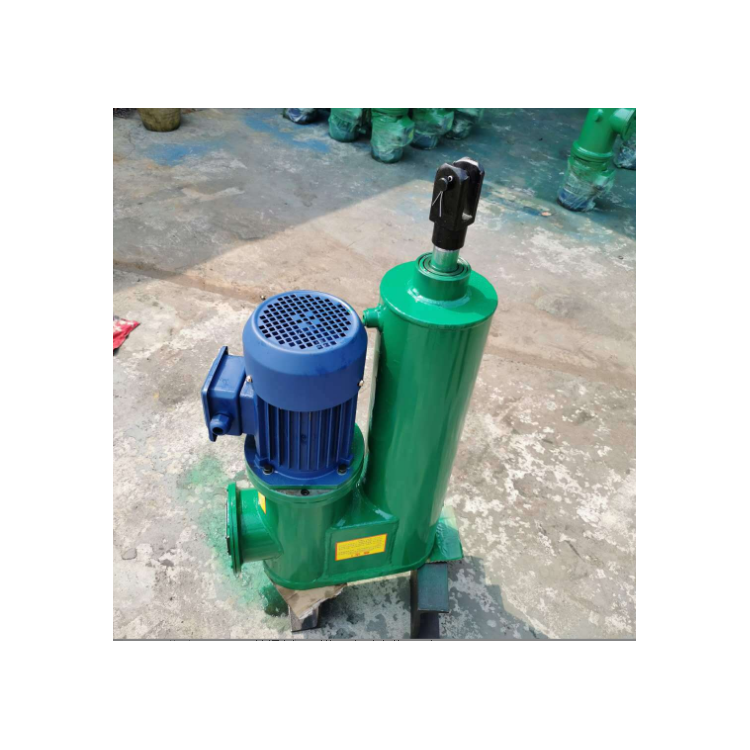
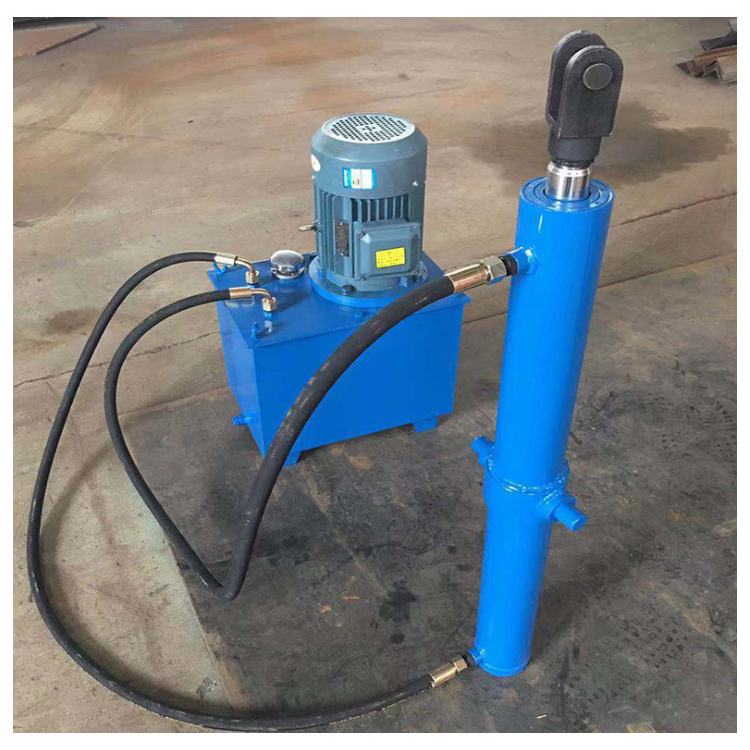
3kW Straight Electric Actuator, Hydraulic Cylinder, Coal Cutting Equipment Matching Hydraulic Push Rod
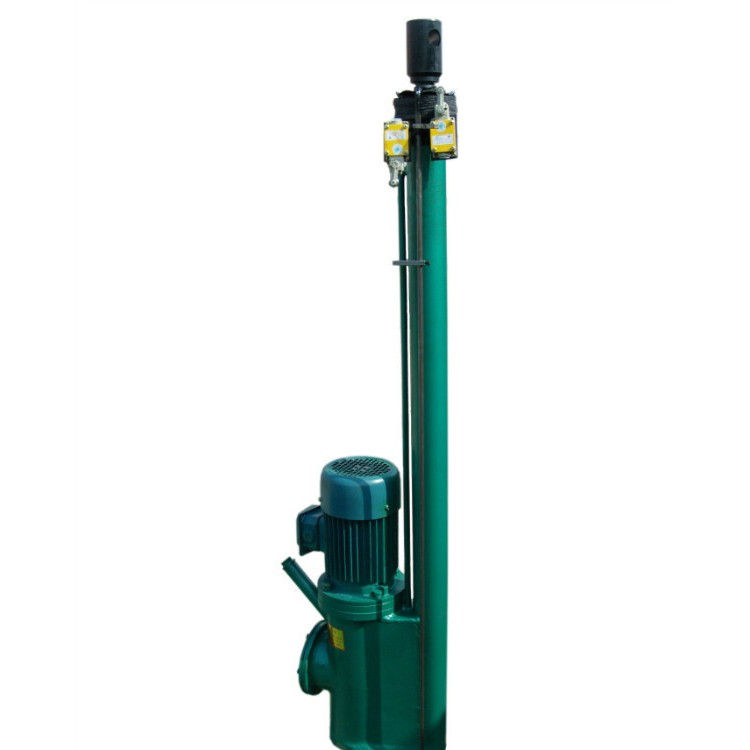
卸灰阀配套推杆 DYTP-700-400 Parallel Hydraulic Push Rod
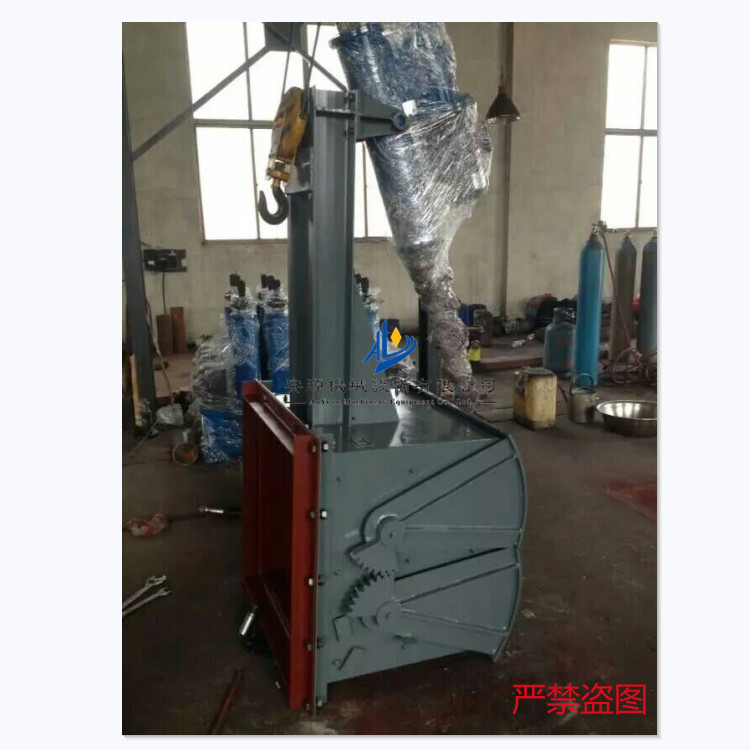
Electrical Rugged Gate Valves, Electro-hydraulic Actuated Rugged Gate Valves, Various Diameter Ash Discharge Valves
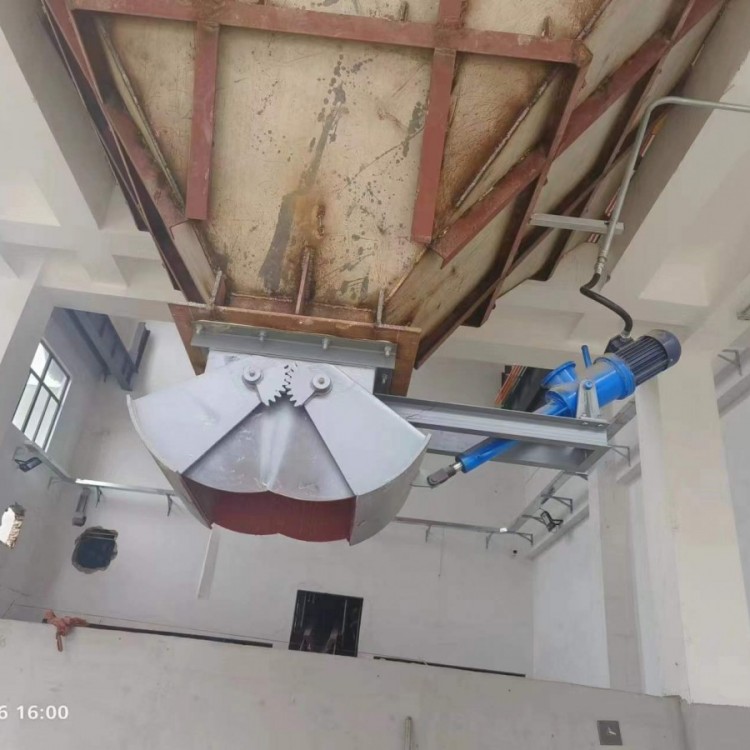
DSZ-600 Electro-hydraulic Butterfly Gate, Discharging Equipment, Double-Leaf Electric Valve
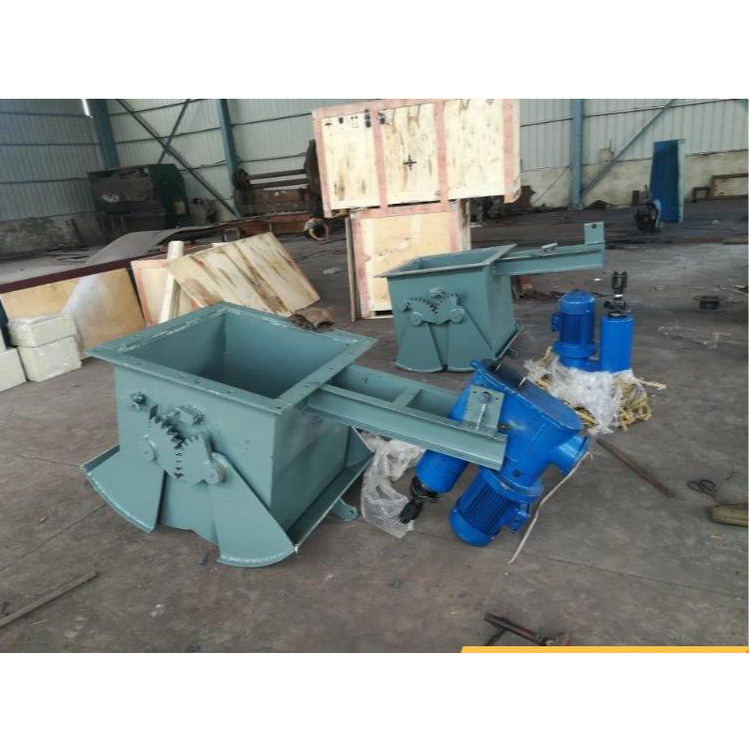
Material Storage Gate, Electro-hydraulic Scissor Gate, Mine Electric Push Rod Discharge Valve
详情描述
Electro-hydraulic Push Rod,配套犁式卸料器Electric Hydraulic Push Rod
Electro-hydraulic push rod for use The hydraulic control valve assembly is mainly composed of pressure relief valves, one-way oil intake valves, flow control valves, hydraulic one-way valves (hydraulic locks), etc. Also, based on the working characteristics of the electro-hydraulic push rod, different functional oil circuit combination valves can be designed to meet its operational requirements. Generally, there are features like push-out self-locking and pull-in.
Return-to-lock and both sliding and pulling are self-locking; operating speed has variable and non-variable types; the working angle of the electro-hydraulic actuator includes horizontal push, upward push (inclusive)
There are several types, including upward tilting (including diagonal upward), downward pushing (including diagonal downward), etc. The main advantages of electro-hydraulic actuators are as follows:
(1) Compact structure, easy installation, small footprint, simple maintenance.
(2) Can start under load, equipped with overload protection.
(3) The circuit is equipped with a two-way hydraulic lock, allowing it to stop at any position within the specified stroke range and automatically lock, while maintaining constant output force.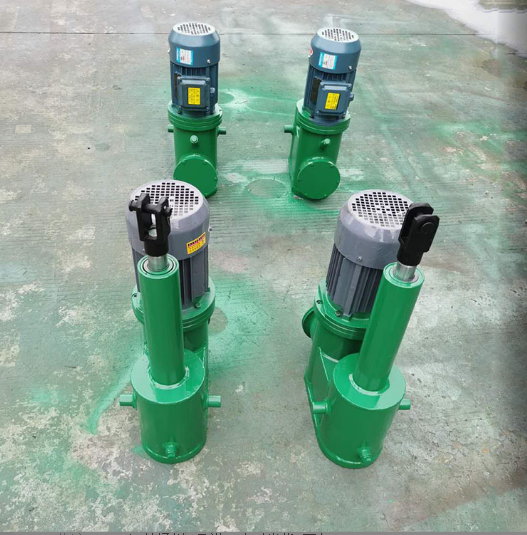
(4) Push-pull force and speed (as per customer's request) are infinitely adjustable with a wide range of driving force.
(5) In case of power outage, the push rod will automatically lock to prevent accidents.
(6) Full hydraulic transmission, responsive operation, smooth running, effectively cushions external impacts, stroke control (≥0.5mm)
(7) Full electrical-mechanical-hydraulic integrated sealed structure; working oil circuit circulates within a pressure-free sealed steel cylinder; compact, leak-proof, and robust in harsh environments.
Under working conditions, non-absorbent to dust and water, internally non-corrosive, with a long service life.
An electro-hydraulic push rod is a hydraulic actuator that integrates mechanical, electrical, and hydraulic technologies, suitable for applications requiring reciprocating linear (or oscillating rotational) pushing and pulling. Angle movement, also suitable for applications requiring lifting, lowering, or clamping workpieces, and capable of centralized or automatic control from a distance in hazardous areas. Widely used in metallurgy, mining, power, coal, machinery, transportation, grain, chemicals, cement, water conservancy, building materials, and transportation sectors, it serves as a general power source.


