

- AllProduct Category
-
Conveying Equipment
Brush Sweeper
Distribution Equipment
Industrial Equipment
Hydration Bag
Wall Saws



Recommended Products
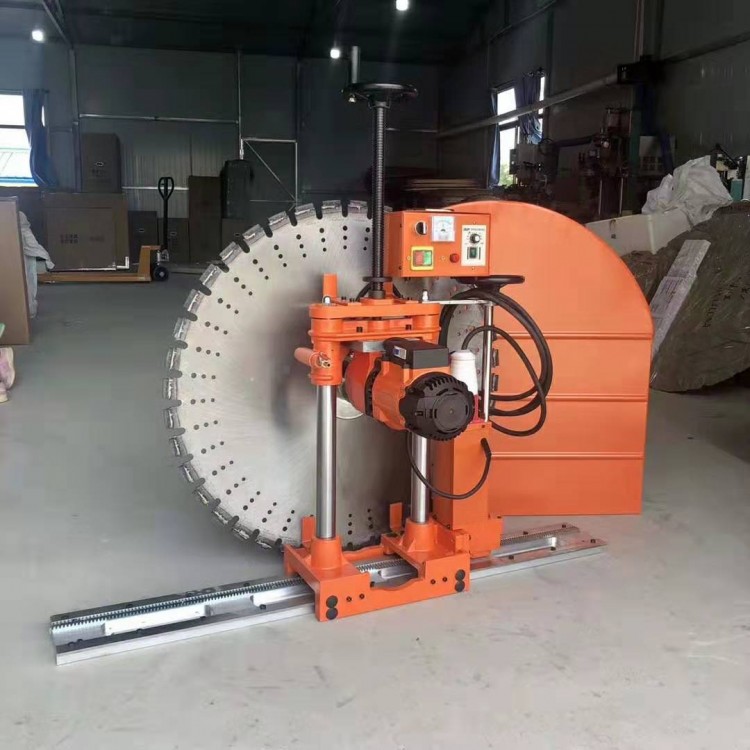
Wall Saws (Construction Site) - Concrete and Reinforced Steel Wall Cutting Machines
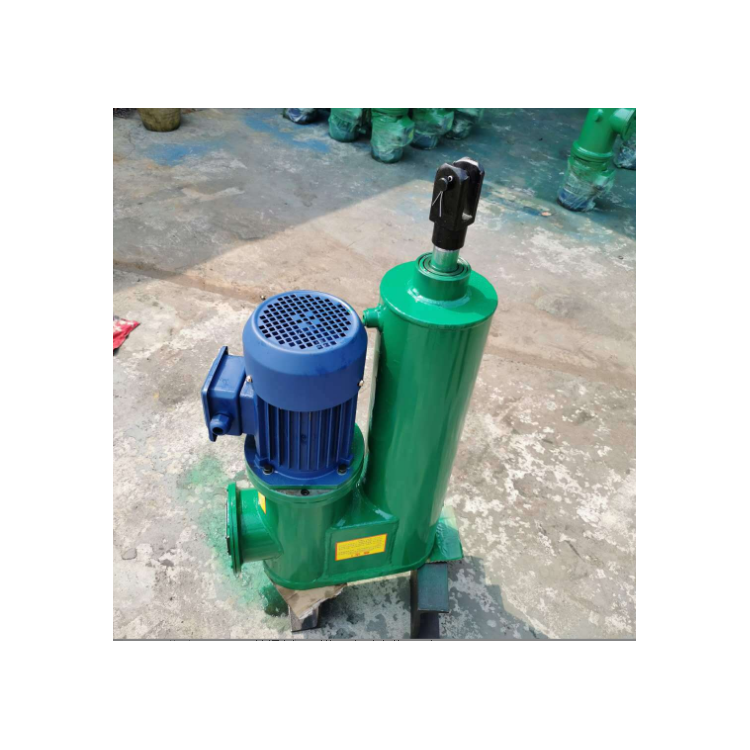
3kW Straight Electric Actuator, Hydraulic Cylinder, Coal Cutting Equipment Matching Hydraulic Push Rod
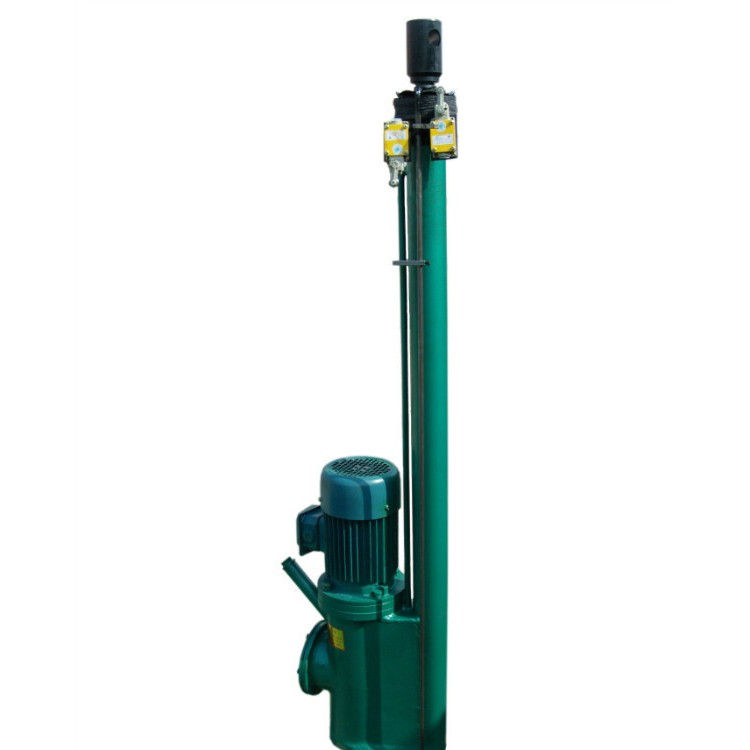
卸灰阀配套推杆 DYTP-700-400 Parallel Hydraulic Push Rod
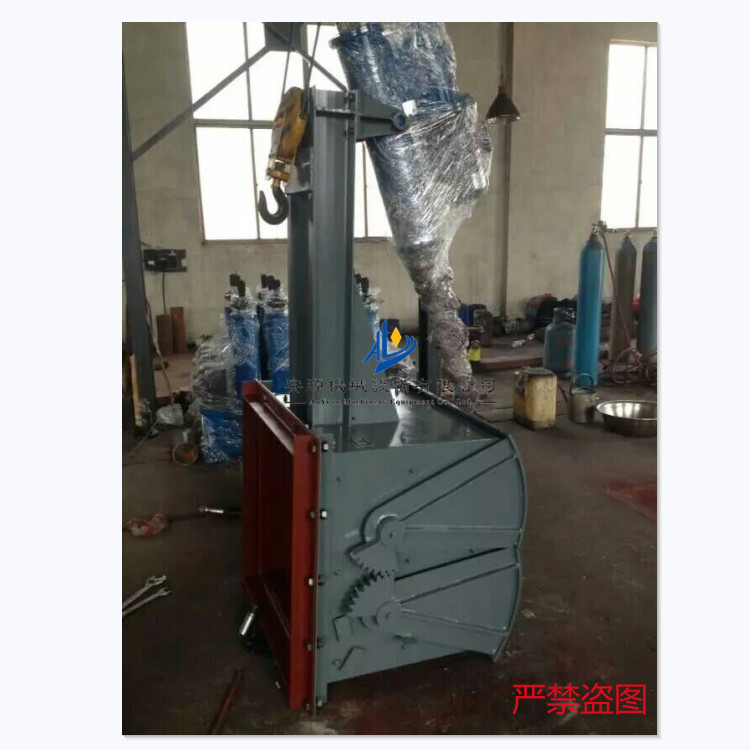
Electrical Rugged Gate Valves, Electro-hydraulic Actuated Rugged Gate Valves, Various Diameter Ash Discharge Valves
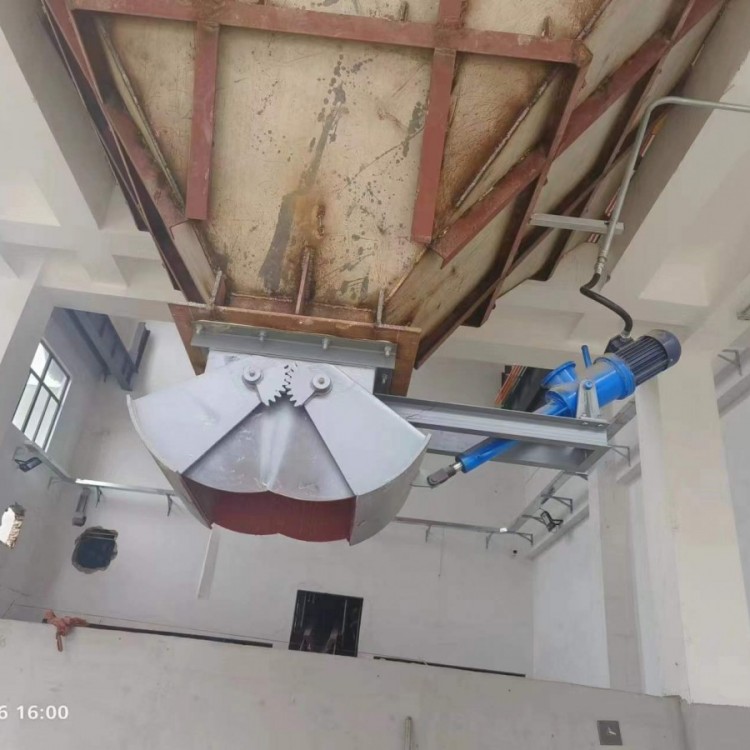
DSZ-600 Electro-hydraulic Butterfly Gate, Discharging Equipment, Double-Leaf Electric Valve
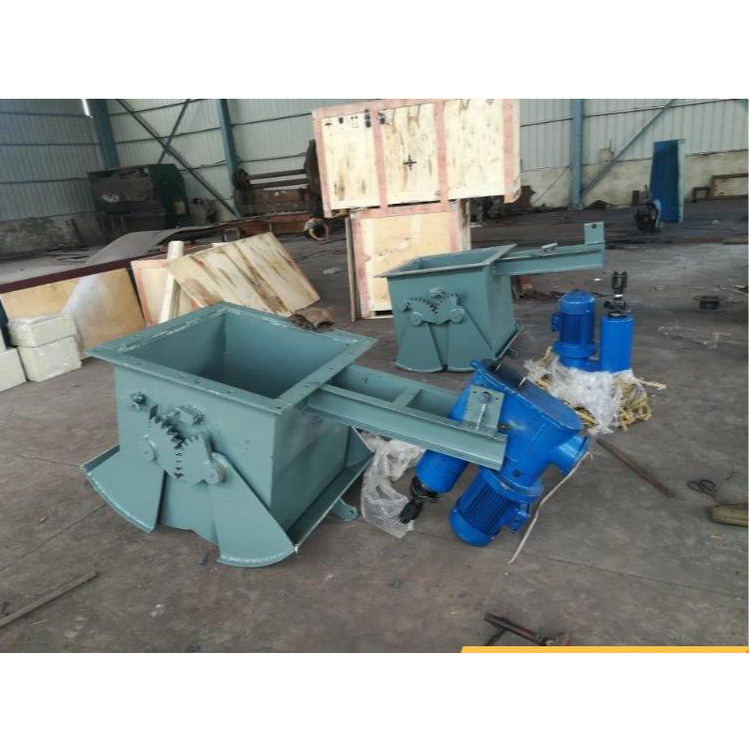
Material Storage Gate, Electro-hydraulic Scissor Gate, Mine Electric Push Rod Discharge Valve
详情描述
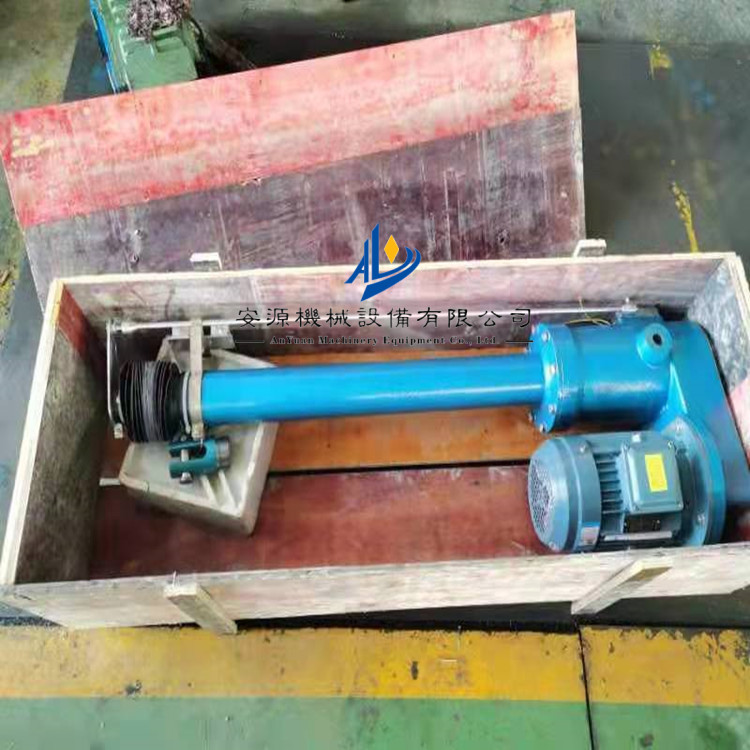
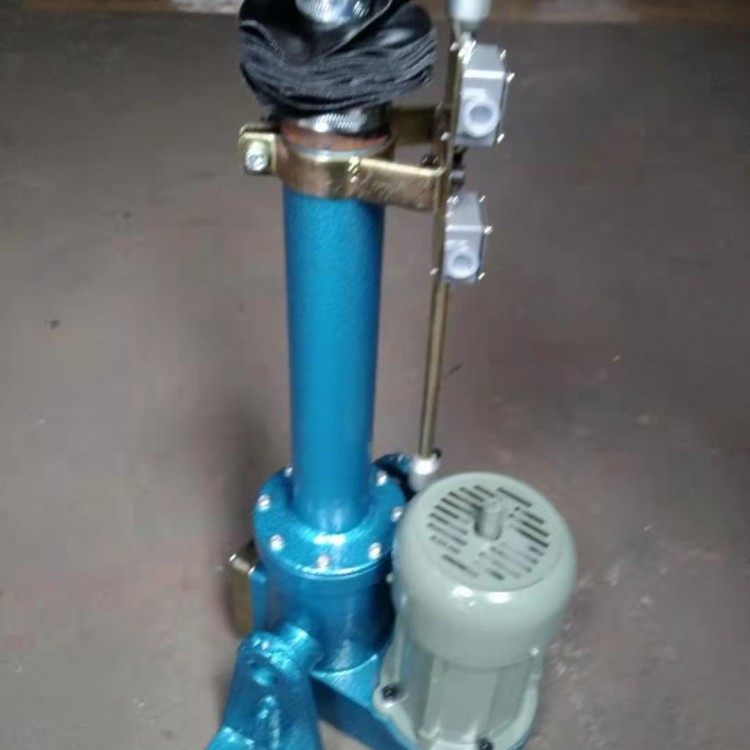
DT/DTZ Type Electric Push Rod, Electrohydraulic Push Rod, Handwheel Push Rod
Electro-hydraulic Push Rod Product Introduction
I. Overview
DYT Series New Electric-Hydraulic Push Rod (Abbreviated as Electro-Hydraulic Push Rod or Push Rod) The product is suitable for reciprocating linear push/pull (or reciprocating rotation). (Angle) movement, also suitable for applications requiring lifting, lowering, or clamping of workpieces, and capable of remote, high-altitude, and hazardous area centralized or programmed control. Widely used in metallurgy, coal, electricity, machinery, grain, cement, chemicals, water conservancy, transportation, and other departments, it serves as a general power source. Compared to electric actuators, cylinders, and hydraulic cylinders, this product has the following advantages:
1. Can be started under load, whereas electric rods are challenging.
2. Features overload protection capability; will not damage the motor and components.
3. The same electro-hydraulic push rod can infinitely adjust its thrust and pull force, thus offering a wide driving force range, which is unattainable by electric push rods and cylinders.
4. Under the same thrust and speed, the electrical energy consumed is significantly less than that of electric actuators.
5. Utilizes full hydraulic transmission for sensitive operation and smooth running, effectively cushioning external shock forces. It offers precise stroke control that is unattainable with cylinders or electric push rods.
6. Utilizes a fully enclosed mechanical, electrical, and hydraulic integrated structure. The working oil circuit circulates within a pressure-free enclosed cylinder, featuring a compact design, no oil leakage, and ease of installation and maintenance. Under harsh working conditions, it does not attract dust, does not allow water entry, and prevents internal rusting, with a longer service life than pneumatic cylinders and electric push rods. 。
7. Low investment required; cylinder needs a mining station, hydraulic cylinder requires a hydraulic station, while the electro-hydraulic push rod does not require any auxiliary equipment.
2. Working Principle
1. An electro-hydraulic actuator is a new type of integrated electro-hydraulic flexible transmission mechanism. It consists of an actuating mechanism (cylinder), a control mechanism (hydraulic control valve group), and a pressure source (pump, motor, etc.). Depending on the size of the site space, electro-hydraulic actuators mainly come in four structural forms (refer to model coding). The motor, pump, hydraulic control valve, and cylinder can be mounted on the same axis or on different axes as needed. By connecting the motor power supply, controlling the motor's forward and reverse rotation allows the bidirectional pump to output pressure oil, which is then sent to the cylinder via the hydraulic control valve, enabling the reciprocating motion of the cylinder's piston rod.
2. The hydraulic control valve assembly is primarily composed of overflow valves, hydraulic one-way valves, etc. It can also be designed with different functional circuit combination valves based on the working characteristics of the electro-hydraulic actuator to meet its operational requirements. Generally, there are self-locking options for pushing out, pulling back, or both pushing and pulling. The overall actuator can be used horizontally, upwards, or downwards.