

- AllProduct Category
-
Conveying Equipment
Brush Sweeper
Distribution Equipment
Industrial Equipment
Hydration Bag
Wall Saws



Recommended Products
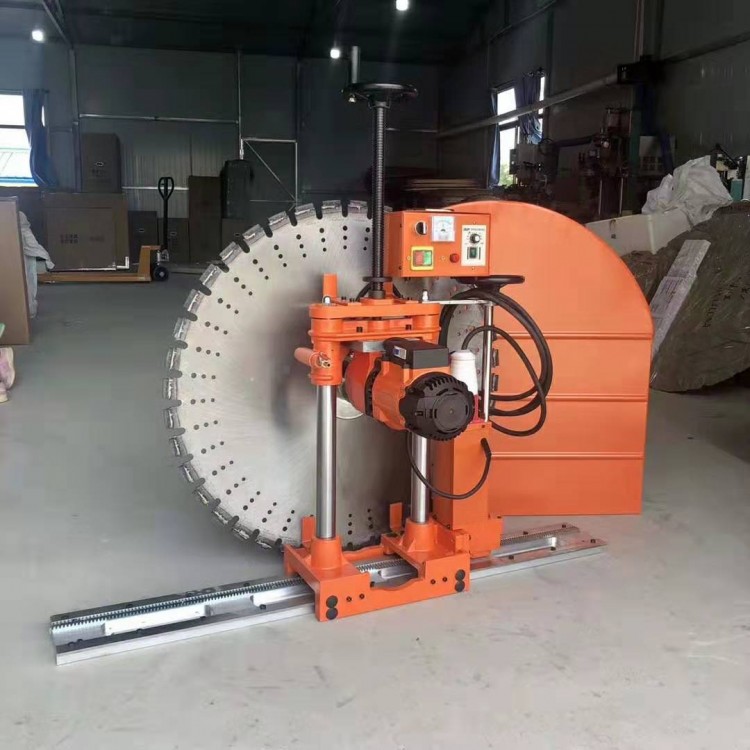
Wall Saws (Construction Site) - Concrete and Reinforced Steel Wall Cutting Machines
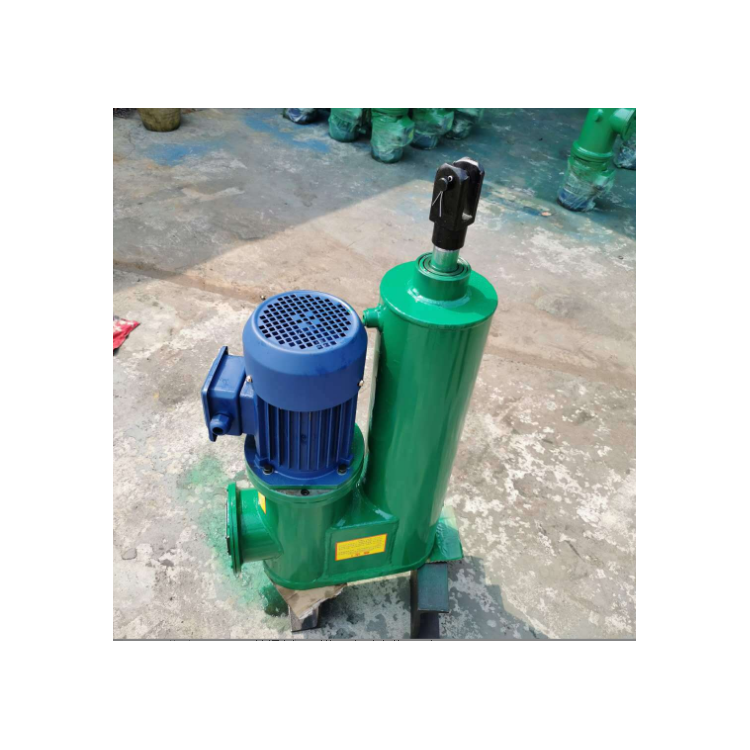
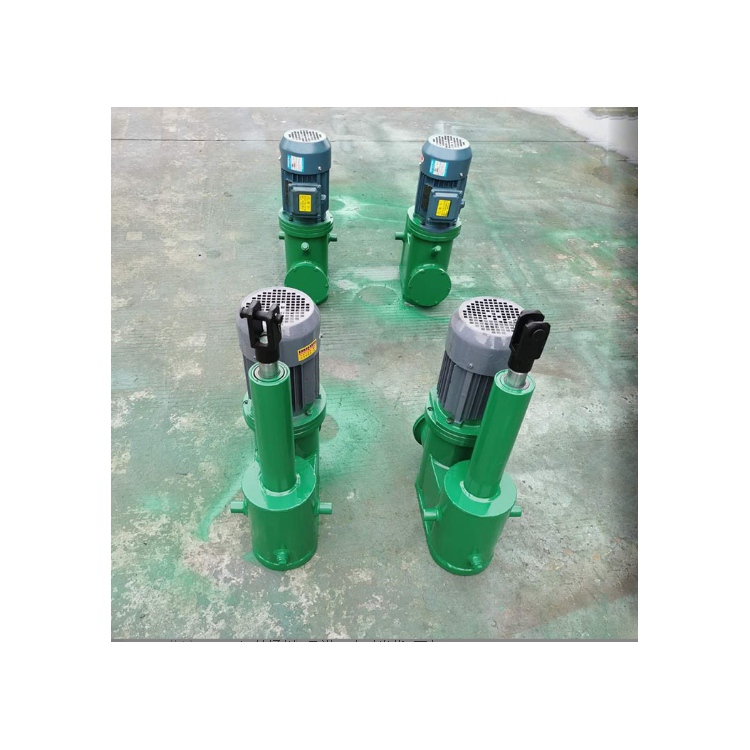
3kW Straight Electric Actuator, Hydraulic Cylinder, Coal Cutting Equipment Matching Hydraulic Push Rod
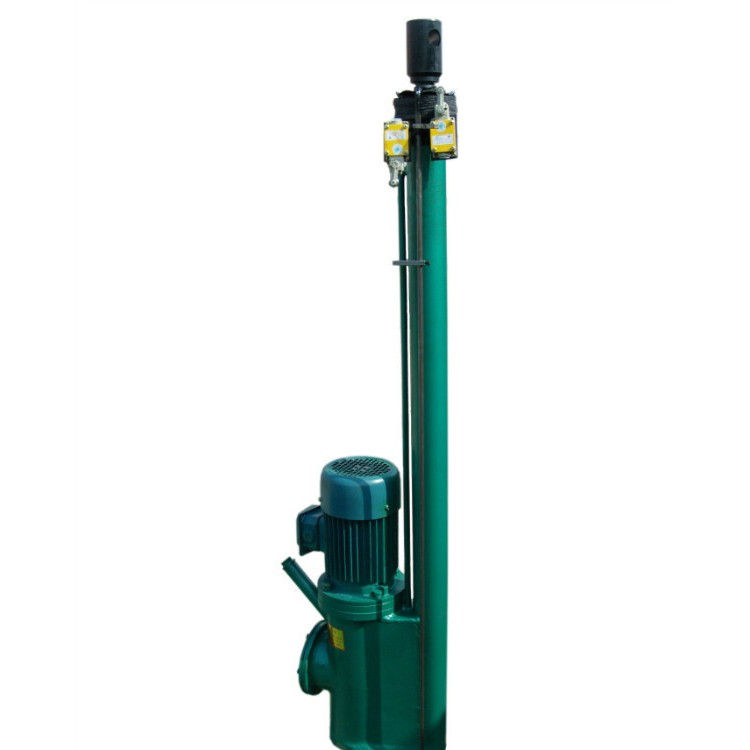
卸灰阀配套推杆 DYTP-700-400 Parallel Hydraulic Push Rod
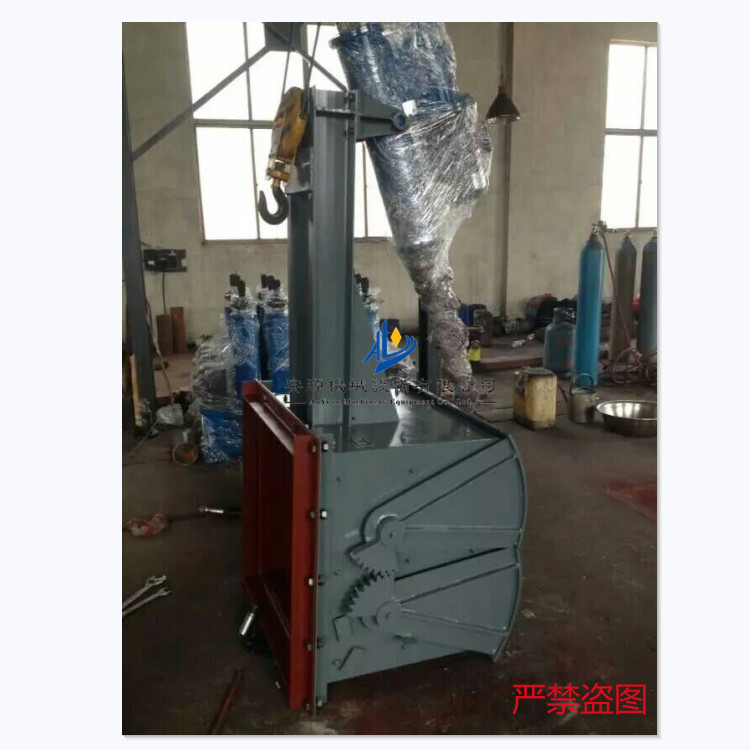
Electrical Rugged Gate Valves, Electro-hydraulic Actuated Rugged Gate Valves, Various Diameter Ash Discharge Valves
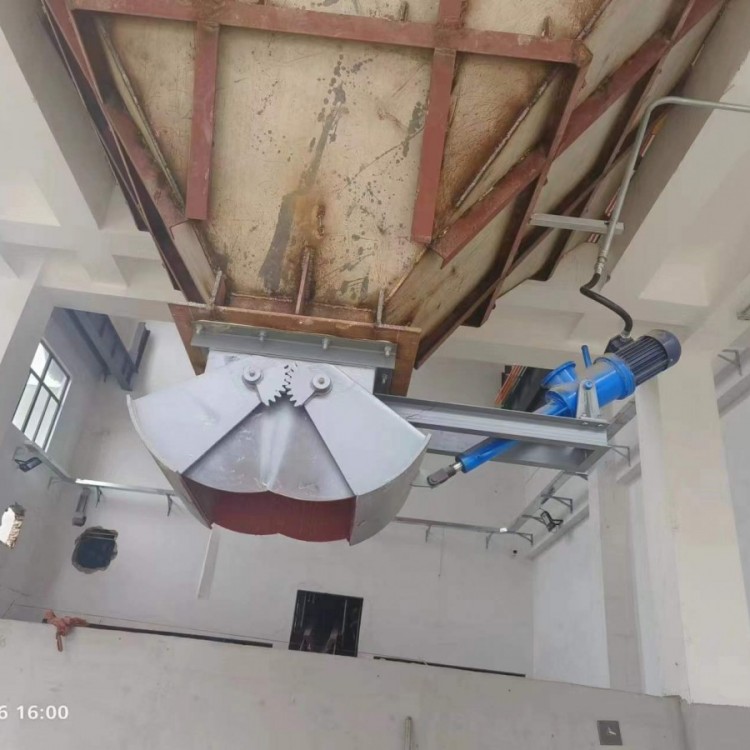
DSZ-600 Electro-hydraulic Butterfly Gate, Discharging Equipment, Double-Leaf Electric Valve
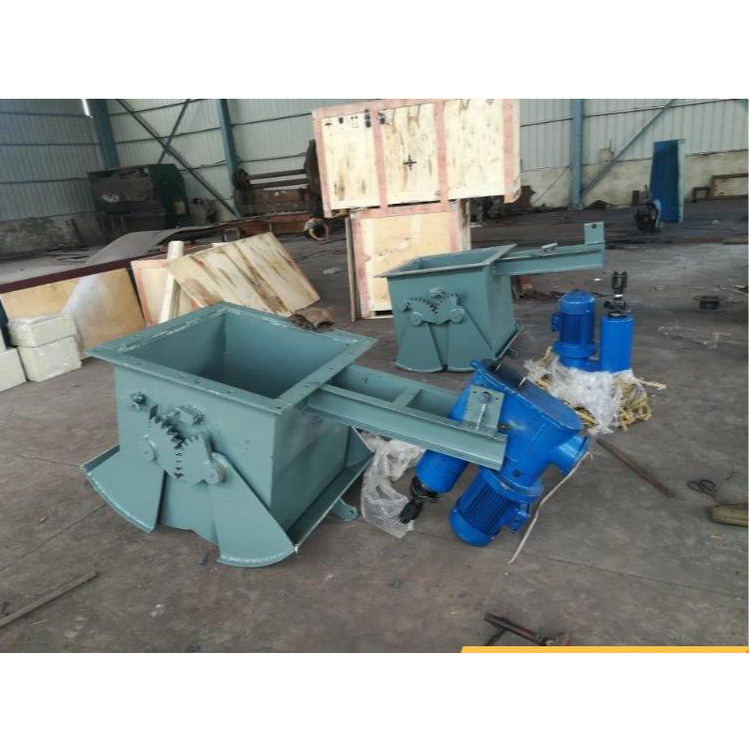
Material Storage Gate, Electro-hydraulic Scissor Gate, Mine Electric Push Rod Discharge Valve
详情描述
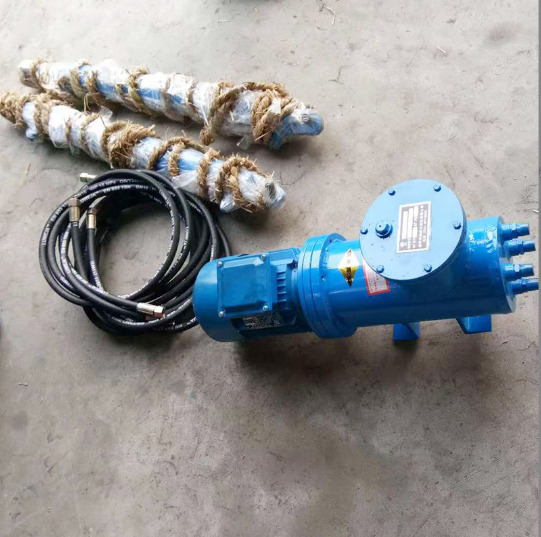
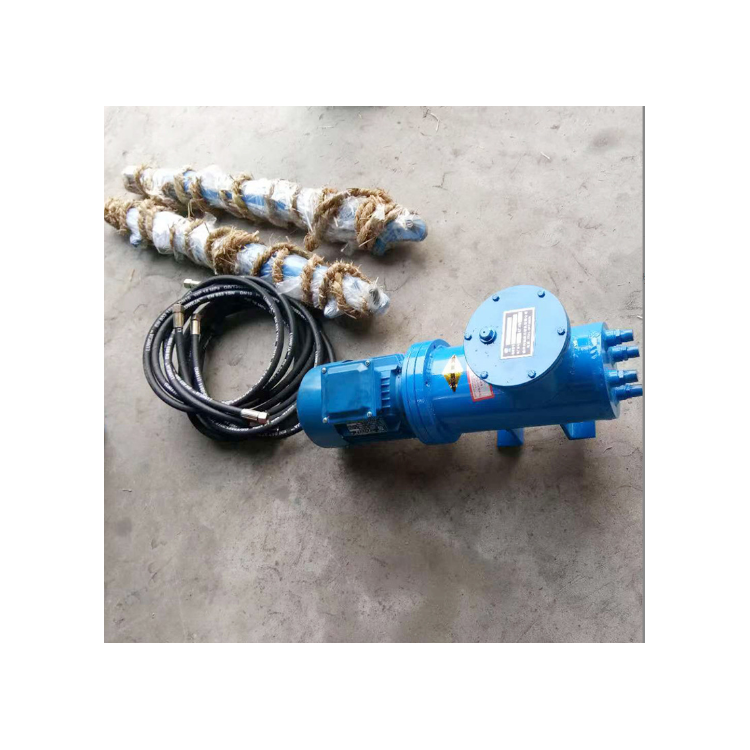
Material storage valve matched with electro-hydraulic push rod, Split-type push rod, DYTF electro-hydraulic push rod
Electro-hydraulic push rods are powered by an electric motor, which, through forward (reverse) rotation, drives hydraulic oil to be output as pressure oil through a bidirectional gear pump. The oil then travels through an integrated oil block to the working cylinder, thereby achieving reciprocating motion of the piston rod. Advantages:
1..Overload automatic protection feature: During the operation of the electro-hydraulic actuator, if the external force on the piston rod exceeds the rated output force or the piston reaches the end position, the motor continues to rotate. At this point, the oil pressure in the oil circuit increases to the set pressure, and the overflow valve quickly and accurately overflows, achieving overload automatic protection. Although the motor is rotating, Will burn.2.Self-locking Function: The oil circuit module of the electro-hydraulic push rod is designed with a pressure self-locking mechanism. Once the motor stops rotating, the piston rod immediately remains stationary. At this position, the pressure oil is in a pressure-holding state.3.Continuous Adjustment: Can be adjusted continuously according to customer requirements within the designated speed, output force, and stroke range.
Model Description The hydraulic push rod is primarily composed of six basic elements: the type of push rod, the motor's protection grade, rated output force, stroke, rated speed, and usage angle. It can also be customized according to customer requirements. Requirements: Equipped with three adjustment functions, namely: speed adjustment push/pull, force adjustment, and stroke adjustment (stroke switch positioning). In addition to the above three adjustment functions, please specify at the time of order: Please note the text, and fill in the six key elements carefully, referring to the model coding method for the rest. DYTFTypeSplit-typeElectro-hydraulic Push Rod Technical Specifications (Selection Chart)
Installation and Usage Precautions
1. Electro-hydraulic push rod installation requires sufficient space and environmental temperature.10-60Between degrees (special order required for high-temperature environments).
2. Users can configure the route switches according to control requirements.
3. Before installation, the electric hydraulic push rod should be placed flat on the ground and filled with hydraulic oil (brand number)HM.Precision Grade46-68The oil level is below the inspection port, and the oil surface of the split push rod should be at a distance from the box.50mmInward.
4. DYTZ、DYTP、DYTFLoosen the exhaust screw of the exhaust port before use.2Circle.
5. Test the machine before installation.
a. Overall push rod, simply plug in the power and it's ready to operate.
b. Detachable push rod; connect power supply to allow the hydraulic cylinder to reciprocate several times under no load, expelling air from the cylinder and oil lines, then apply load
Electro-hydraulic Push Rod Maintenance
1. To ensure the service life of the high-pressure oil hose, it must be securely fastened with rubber.
2. Hydraulic oil should be regularly filtered or replaced, either annually or at a cycle determined by actual working conditions.
3. Long-term unused, the motor needs to be inspected before being put into use. Origin inspection.
4. Simple Troubleshooting
a. Cannot operate initially; check if the motor is not running or oil is insufficient.
b. After a period of use, if the mechanism fails to operate, disassemble the liquid-controlled plug, clean the core of the liquid-control valve, and replace the hydraulic oil.
After prolonged use, the push rod can slide when unloaded but not when carrying a load. Replace the sealant in the piston hole of the cylinder. If there is leakage at the sealing surface, replace the sealant. If oil is dripping from the protrusion of the oil plug rod, replace the shaft seal.