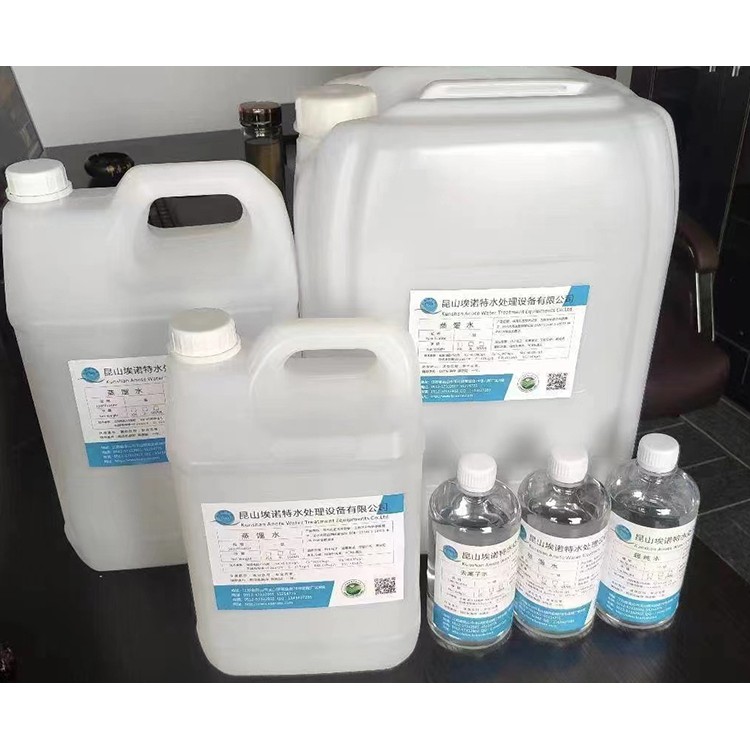
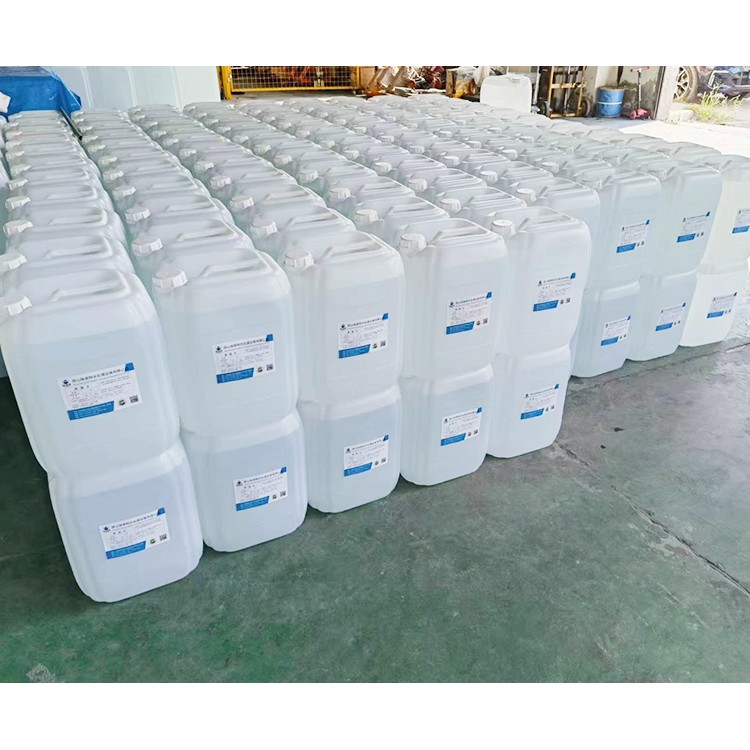
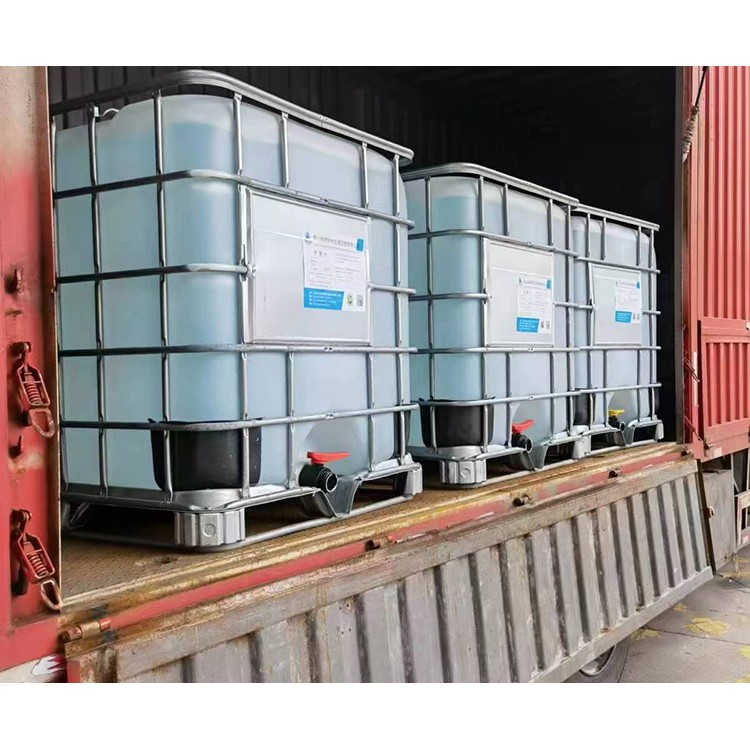
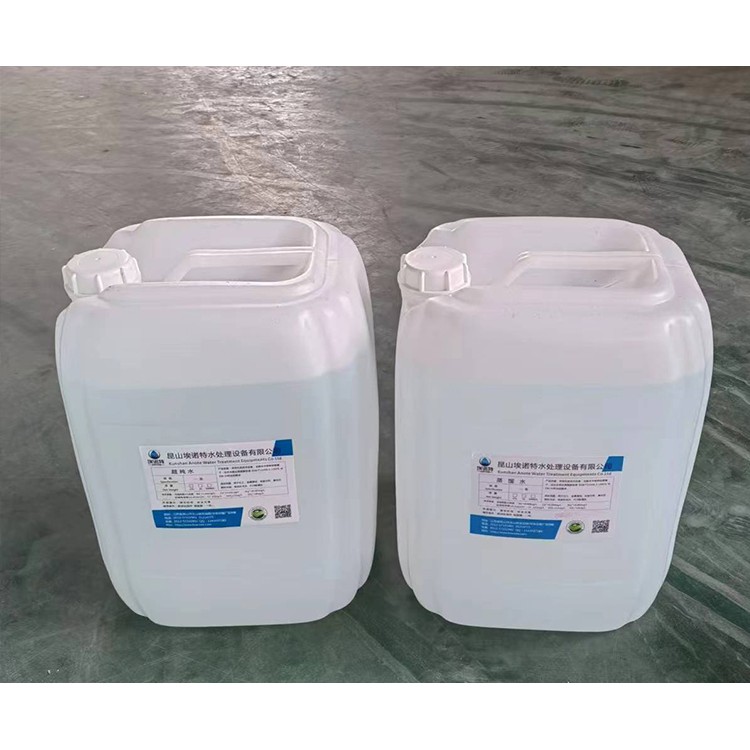
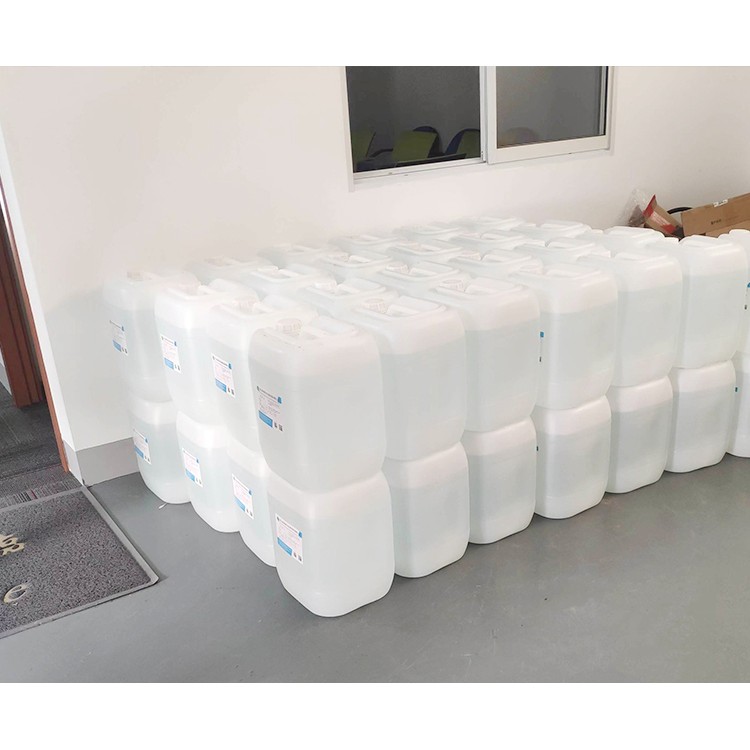
Key Equipment: Industrial Deionized Water, Distilled Wate...

Deionized water is a highly pure water that has all ions and dissolved gases removed, making it an essential solvent in chemical experiments, laboratories, and industrial applications. The effective preparation of deionized water primarily relies on several methods, which will be detailed below.
Ion Exchange Method
Ion exchange is one of the commonly used methods for producing deionized water. By passing water through a column filled with ion exchange resins, the resins absorb the ions in the water, resulting in deionized water. This method is simple to operate, cost-effective, and produces deionized water of relatively stable quality.
Ion Exchange Removal Method
Ion exchange is a method that utilizes electrolysis to remove ions from water. By passing the water through an electrolytic cell, positive and negative electrodes attract the cations and anions in the water, respectively, thereby achieving the deionization. The deionized water produced by this method has a high quality and is suitable for experiments and industrial applications that require high purity water.
3. Membrane Separation Technique
Membrane separation is a method that utilizes semi-permeable membranes to separate water. By passing water through a device equipped with a semi-permeable membrane, ions in the water are separated using principles such as pressure and concentration differences, resulting in deionized water. This method is costlier, but the quality of the deionized water produced is high, making it suitable for experiments and industrial applications that require stringent water quality standards.
Distillation Method:
Distillation is a process that involves heating water to evaporate it, then condensing the steam to obtain deionized water. Through the distillation process, ions and dissolved gases in the water can be effectively removed, resulting in high-purity deionized water. While this method is relatively complex and costly, the produced deionized water boasts a high purity level.
The above outlines several commonly used methods for preparing deionized water. The choice of the appropriate method primarily depends on actual needs and budget. In practice, different methods can be flexibly selected based on specific circumstances to produce deionized water for experimental and industrial applications. We hope this information is helpful to you.


b2b.china9.net © Zhongshang 114 Hebei Network Technology Co., Ltd.Address: Room 6009, Oriental New World Center, No.118 East Zhongshan Road, Qiaoxi District, Shijiazhuang City, Hebei ProvincePlatform Service Hotline: 4006299930