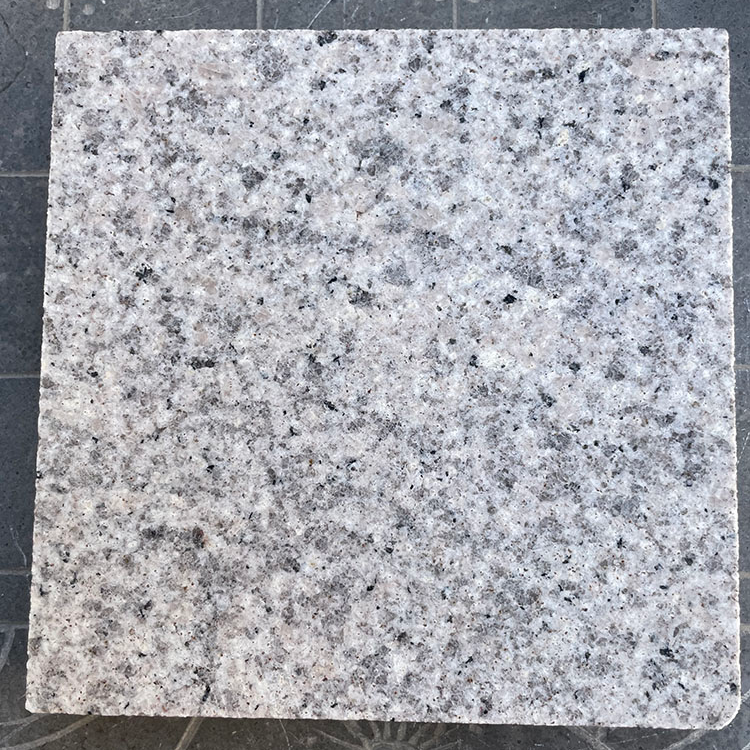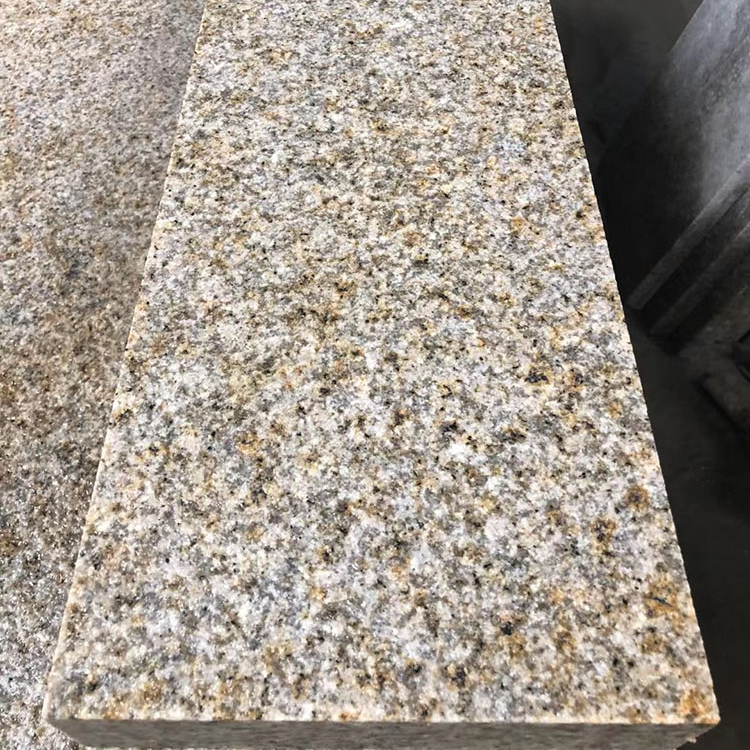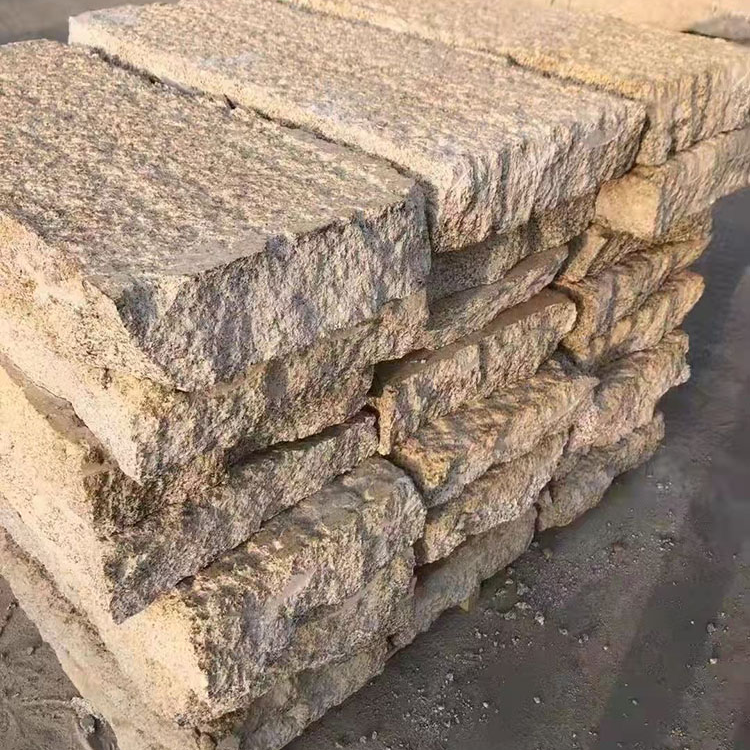
Yellow Limestone, White Limestone, Natural Surface, Mushr...


Product Recommendation
The processing of stone mainly involves sawing, cutting, grinding, and polishing. The workability of stone refers to the ease or difficulty of sawing, cutting, grinding, and polishing. While sawing and cutting are similar, grinding and polishing have differences but are quite close. Therefore, the workability of stone generally refers to its sawability and grindability. The main factors affecting the workability of stone include:
(1) Hardness
Generally, the harder the stone, the more difficult the processing, and the greater the wear on the tools.
(2) Mineral and Chemical Composition
The physical composition of stone includes mineral composition and chemical composition, and the workability varies with different mineral and chemical compositions. For instance, the main constituent minerals of marble are calcite and dolomite, with Mohs hardness of 3 and 3.5-4, respectively, which is lower than granite and easier to process. The primary constituent minerals of granite are quartz, orthoclase, and plagioclase, with a Mohs hardness of 6.5-7. Its workability depends on the content of quartz and feldspar; the higher the content, the more difficult it is to process. In terms of chemical composition, a higher content of SiO2 makes processing more challenging.
(3) Rock structure and composition
Uniform particles are easier to process than uneven stones, fine-grained materials have higher polishing quality than flaky ones, and dense stones exhibit higher luster than porous ones. Good mineral crystallinity, with定向 arrangement and optical axis direction, significantly enhances the luster after polishing. The cleavage, grain boundaries, and initial cracks of the rock also play a crucial role in its workability.
Additionally, the selected processing tools and process parameters are all factors to consider.
Decorative stone materials for architectural renovation mainly consist of marble and granite. The main processes for processing raw decorative stone into architectural decorative boards include sawing, polishing, cutting finished boards, and edging, chamfering, and slotting. The sawing process is crucial, as it determines the yield and quality of the product [2]. A significant amount of diamond saw blades are used in the sawing process. According to various regional statistics, approximately 50% of industrial diamonds worldwide are estimated to be used in the manufacturing of stone processing tools, with the primary application being stone processing saw blades. Below, we will discuss related issues concerning diamond saw blades.


b2b.china9.net © Zhongshang 114 Hebei Network Technology Co., Ltd.Address: Room 6009, Oriental New World Center, No.118 East Zhongshan Road, Qiaoxi District, Shijiazhuang City, Hebei ProvincePlatform Service Hotline: 4006299930