
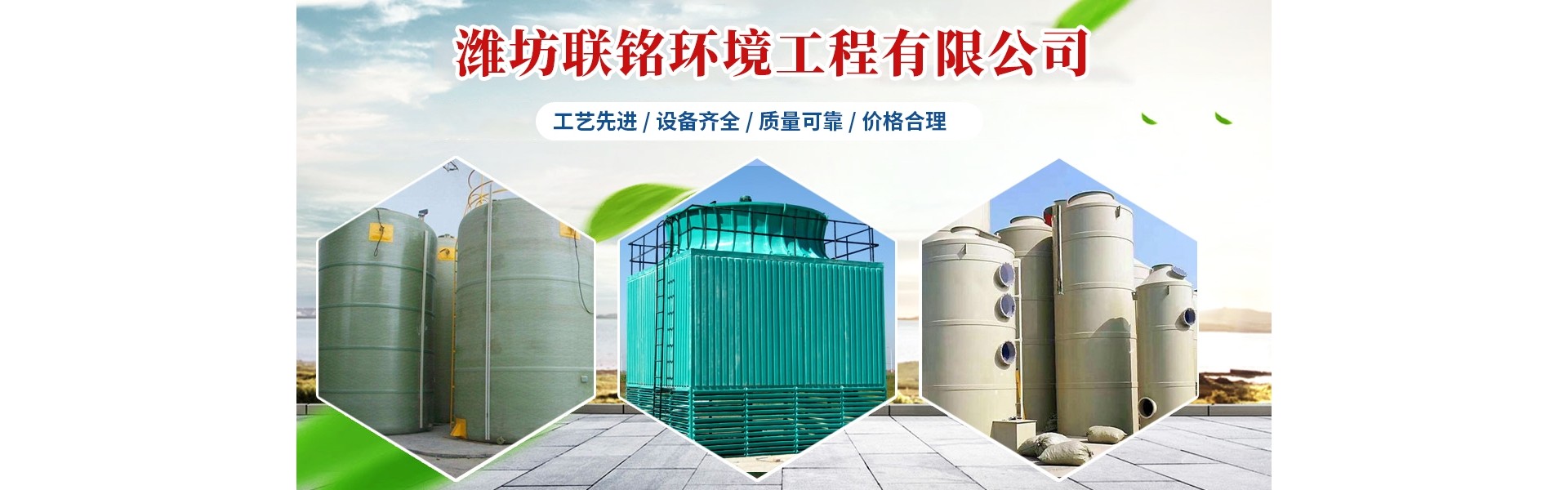
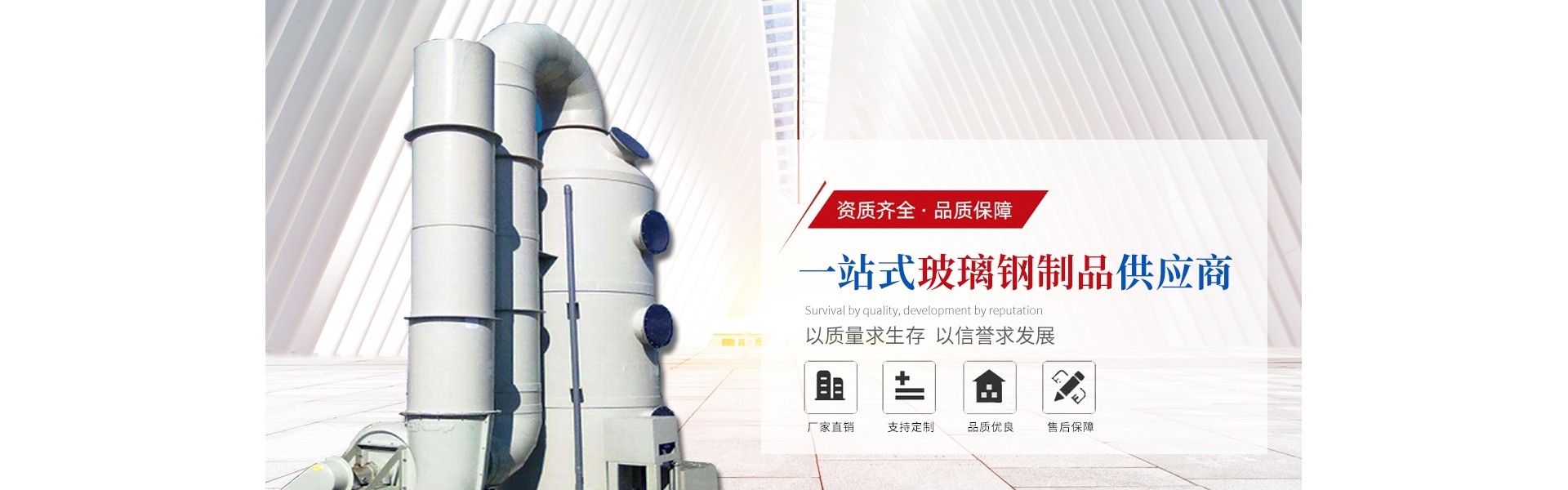
 Exhaust Gas Absorber Tower
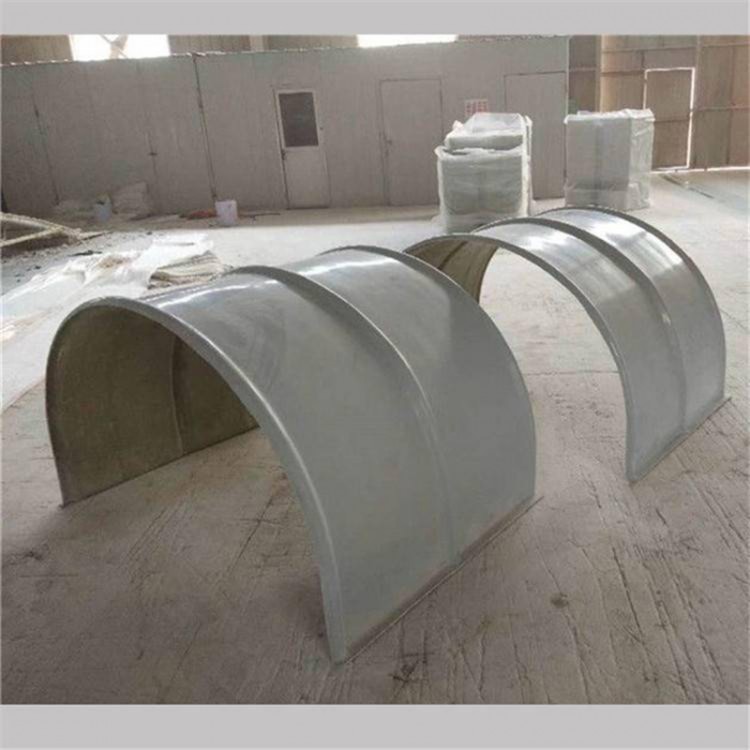 Fiberglass Exhaust Gas Collecting Hood
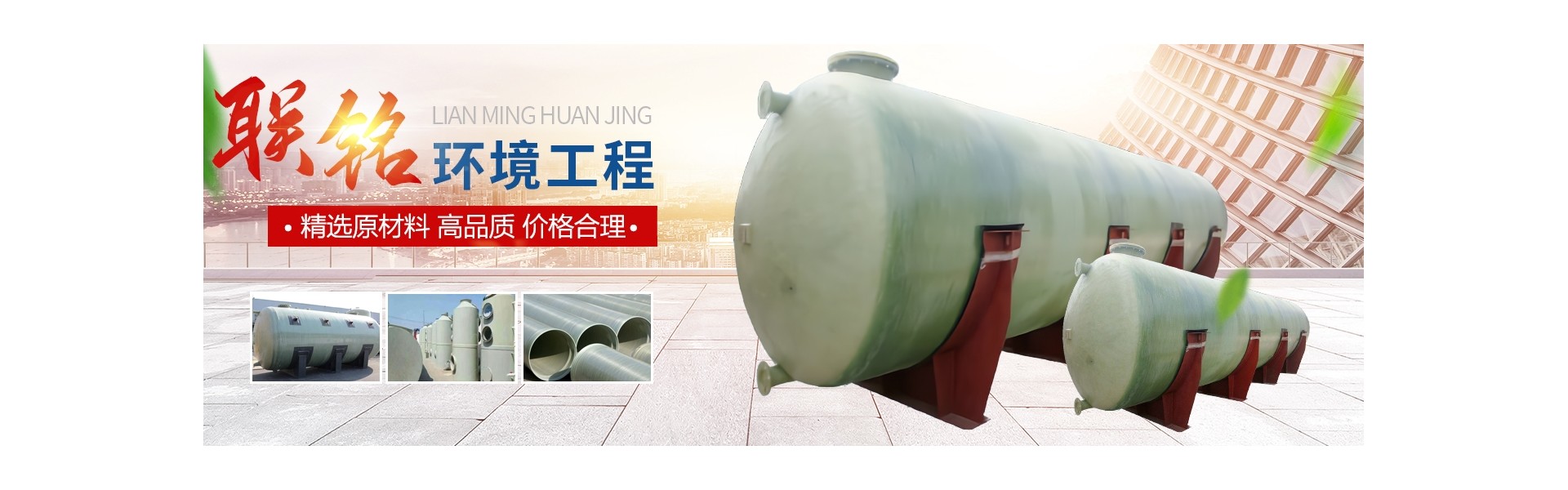
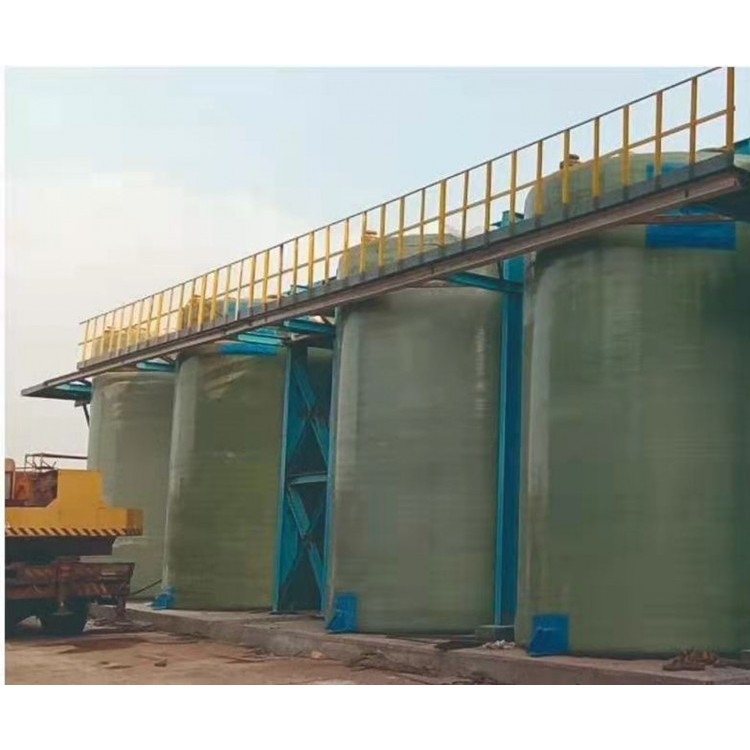 Fiberglass Storage Tank
 Integrated pump station
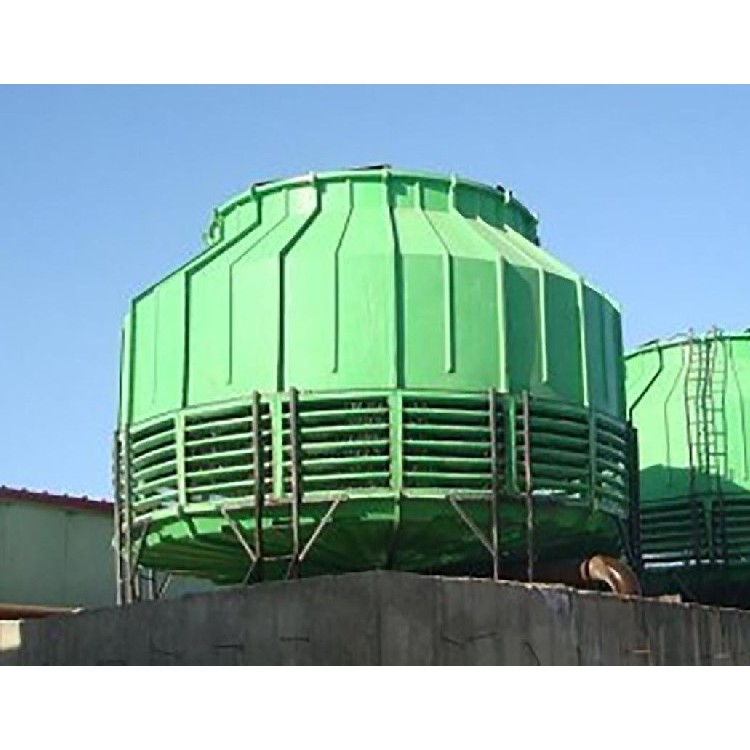 New Energy-Saving Cooling Tower
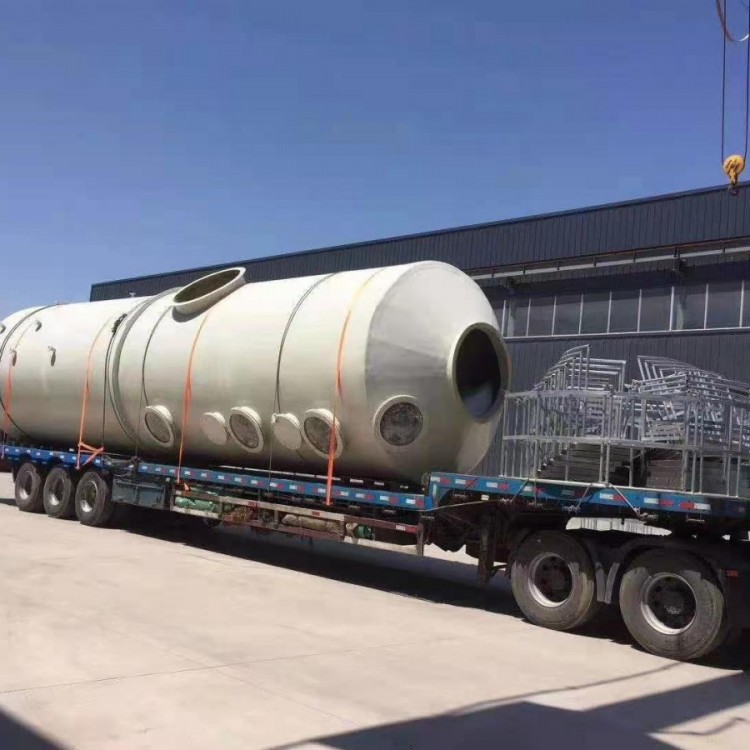 Fiberglass Spray Tower
Product Details

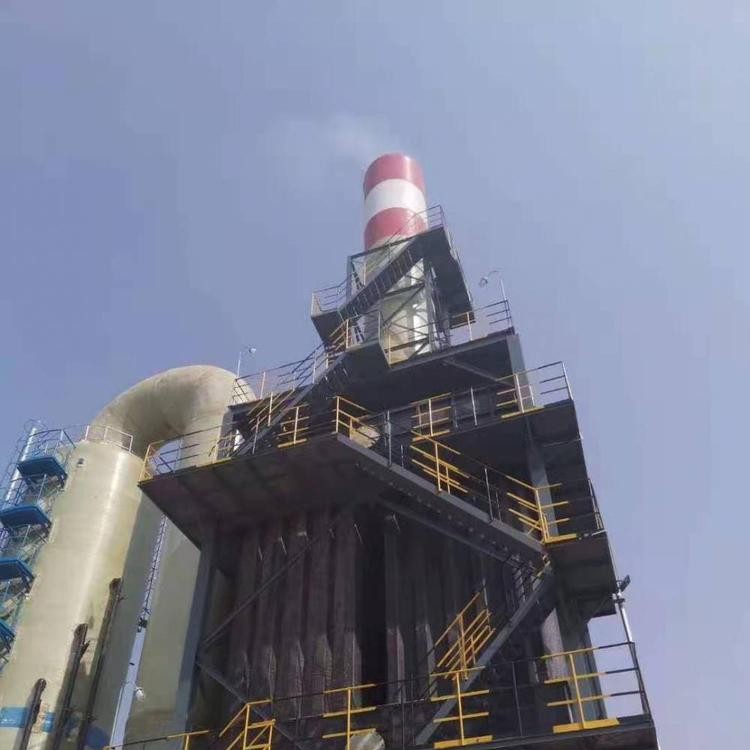
Cooling Towers, Desulfurization Towers, Integrated Pumping Stations, Wet Elec...
产品Price 18000.00/Tai
最小起订Quantity:1 Tai 供货总Quantity: 100 Tai


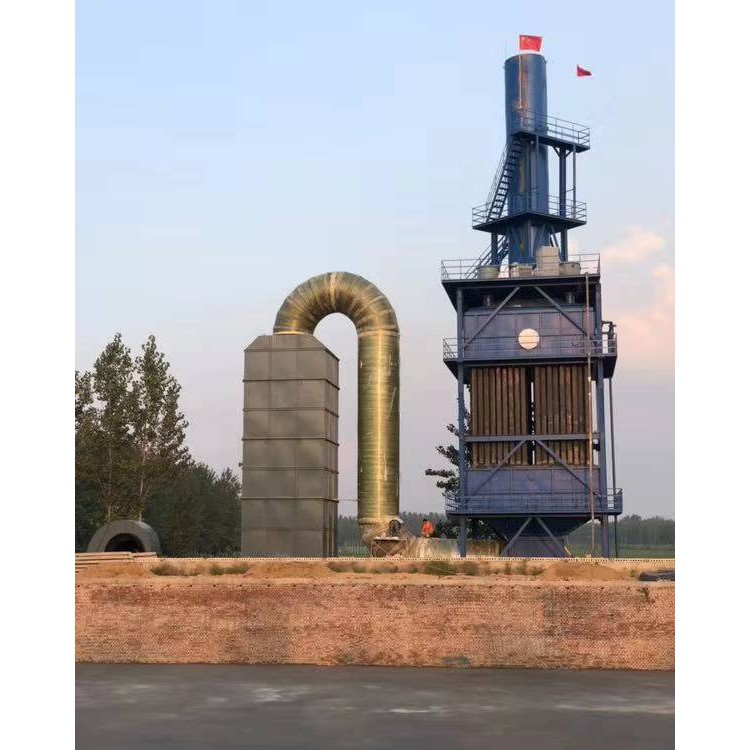
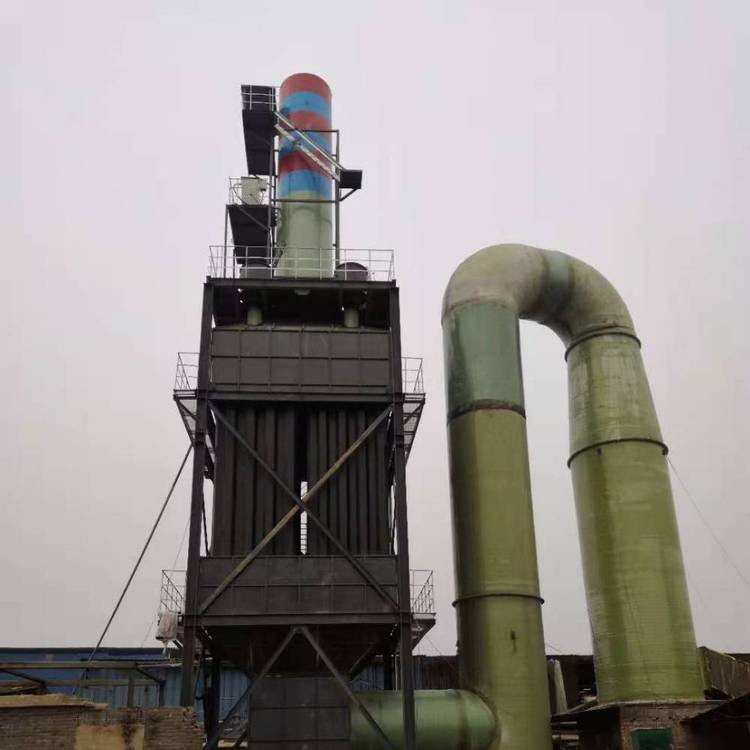
PM2.5 particulate matter is becoming increasingly severe, with smog days on the rise. Emission standards and regulations for coal-fired power plants, steel mills, boilers, waste incineration, and construction materials are becoming more stringent. The wet electrostatic precipitator (fog) is a deep purification device for flue gas in coal-fired power plants, steel mills, small boilers, waste incineration, building materials, etc. It effectively controls PM2.5 particulates (PM0.5, PM10), sulfuric acid mist, gypsum rain, ammonia aerosols, heavy metals mercury, dioxins, and reduces chimney emissions. It solves issues like gypsum rain and white smoke, and ensures dust meets and exceeds ultra-clean and ultra-low emission standards. The wet electrostatic precipitator (ESP) dust removal principle is the same as that of conventional dry electrostatic precipitators (ESP), but the flue gas environment differs (dry and wet). Direct current high voltage electricity ionizes the gas near the cathode wire, causing the charged dust particles to move and settle on the dust collection anode surface under the influence of the electric field. WESP removes dust using a water film on the dust collection anode surface or by flushing. The Wet Electrostatic Precipitator (WESP) is primarily composed of the housing, anode assembly, cathode assembly, insulation device, flushing system, and high-voltage unit. 1. Vessel: Typically made of corrosion-resistant materials like steel-lined glass flake. Available in vertical and horizontal structures. The vessel shape comes in round or square. Depending on the actual situation, it can be positioned above the desulfurization tower or set up separately. 2. Intake Method: Varies according to actual conditions. Structure: Bottom intake, top exhaust; or vice versa, top intake, bottom exhaust. Structure: Flat in and flat out. 3. Dust Collecting Anode Plates: Chosen with corrosion-resistant materials, each material has its own advantages and disadvantages. Selection is based on actual conditions such as medium composition and temperature. Desulfurization flue gas, due to the large volume of treated gas, typically uses plate-type and honeycomb-type anodes; others commonly use round tube-type and honeycomb-type. 4. Discharge Cathode: A variety of materials and models are available for selection. Choose corrosion-resistant materials based on the gas conditions, mainly including: stainless steel, lead-tin alloy, and titanium alloy. 5. Insulation Equipment: Main heating methods include electric heating and hot air heating. Prevents condensation and creeping electricity on the insulation quartz tube inside the insulation box. 6. Flush System: Intermittent flushing or continuous flushing. 7. Operation in corrosive gas environments requires that the housing and all internal components be manufactured and treated with corrosion-resistant materials.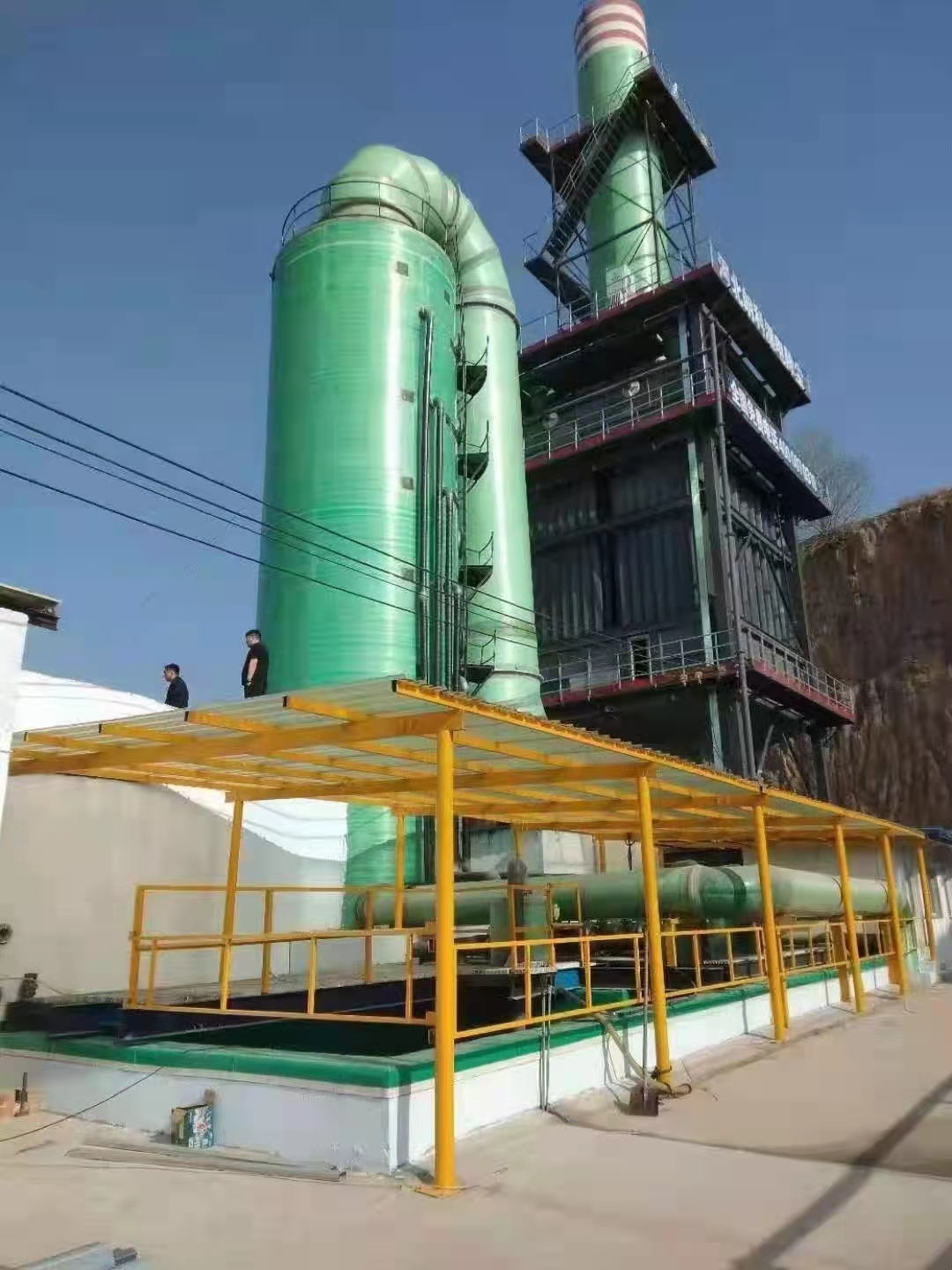

Phone Consultation