
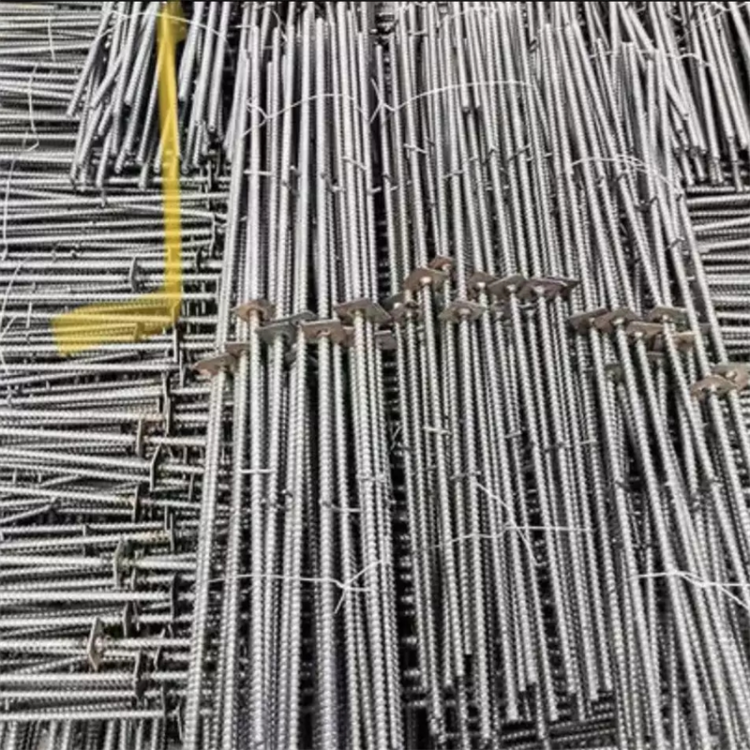
 Yunnan Dali Through-Wall Screw Stud 14mm with Butterfly Nut, Type C
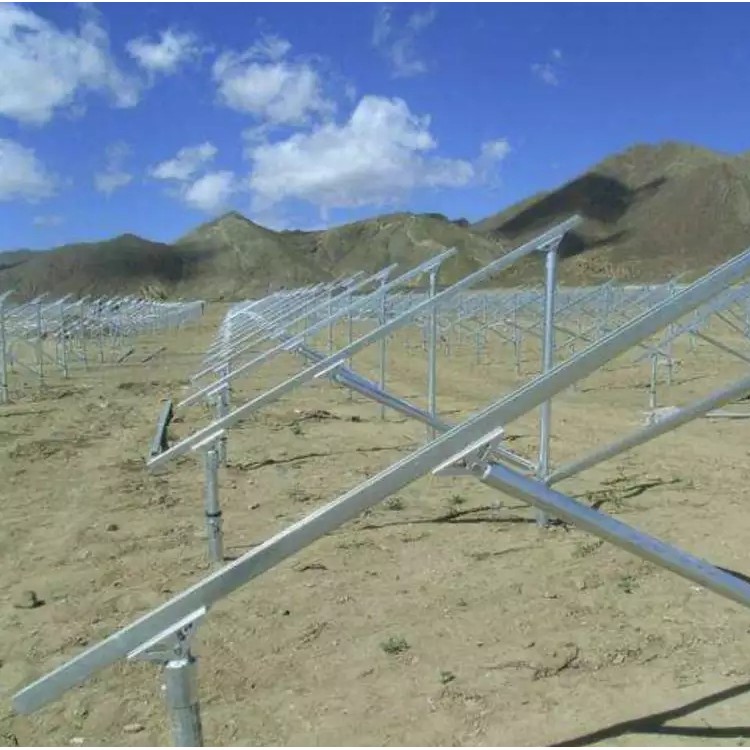 Yunnan Kunming Galvanized C-Channel Solar Support, Hot-Dip Galvanized C-Channel
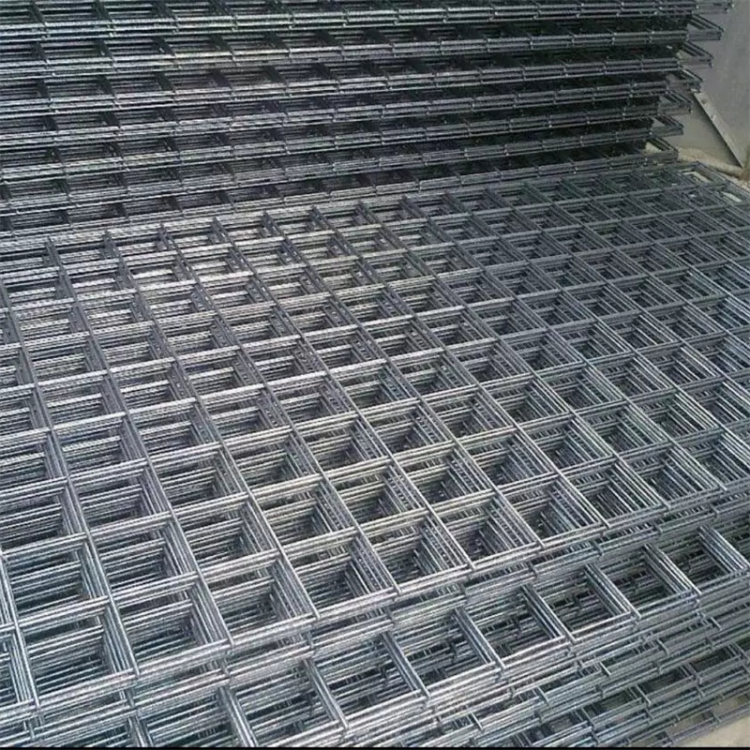 Yunnan Construction Reinforcing Mesh, Kunming Construction Mesh Price, Kunming Mesh Manufacturer
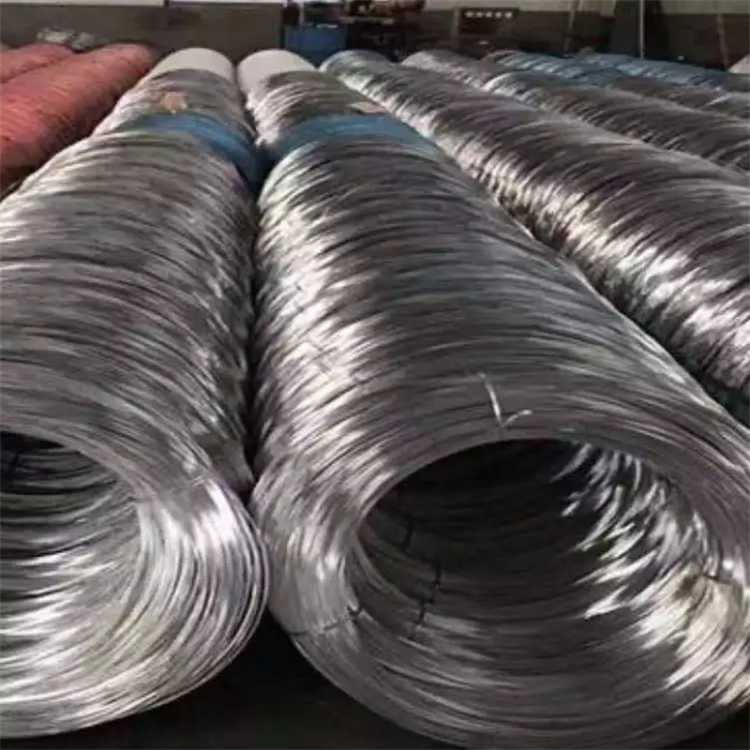 Yunnan Wenshan steel formwork 1000*1500
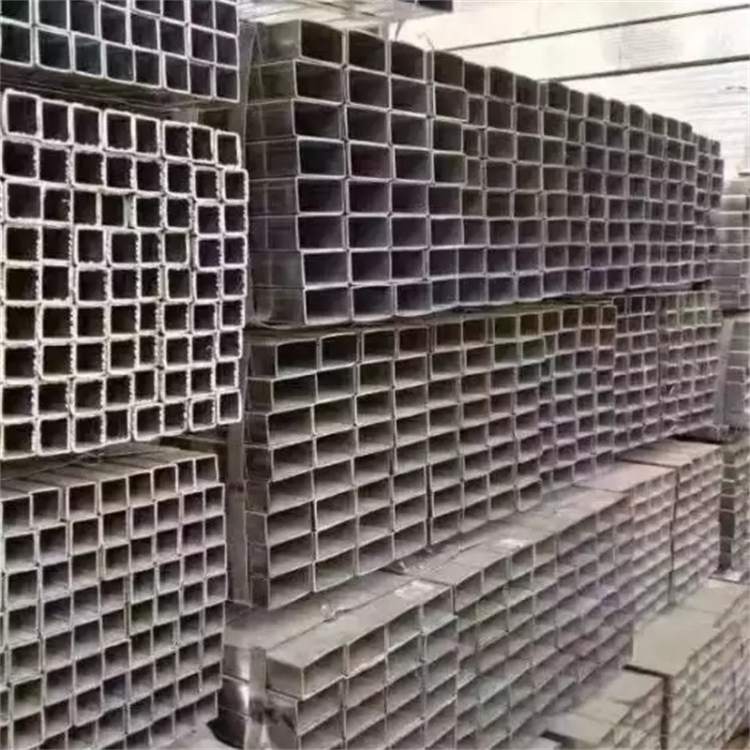 Yunnan Yuanjiang Galvanized Square Steel Tube Factory Wholesale
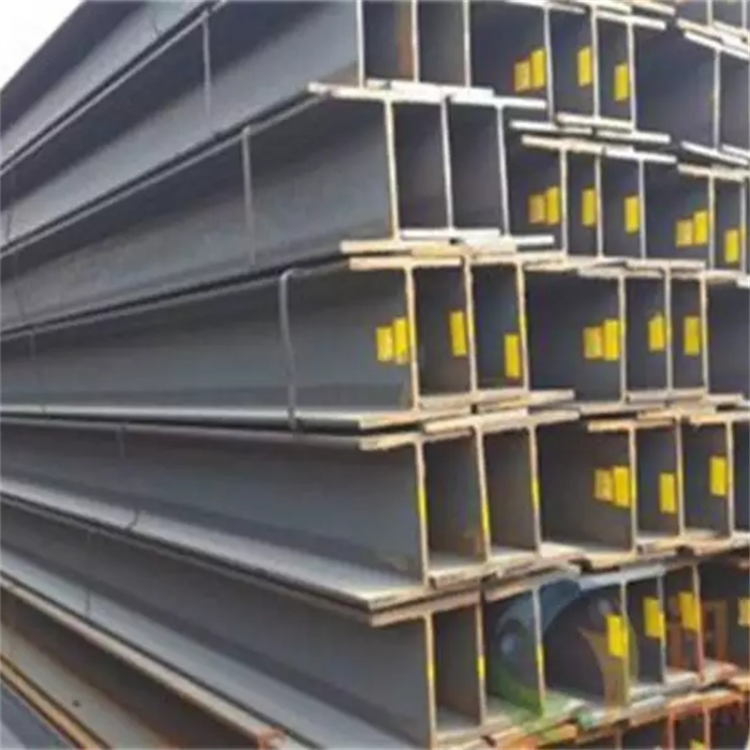 Yunnan Longzong Manufacturer Q345 Low-Alloy H-Beams
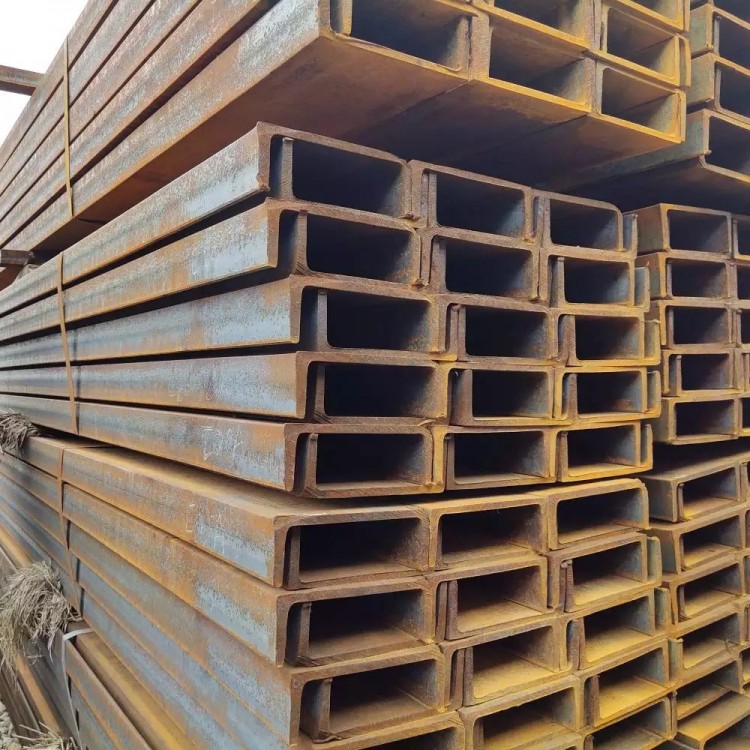 Yunnan Dongchuan Stainless Steel Angle Bar Wholesale
Product Details

Kunming Galvanized Square Tube Wholesaler, Kunming Galvanized Pipe Wholesaler...

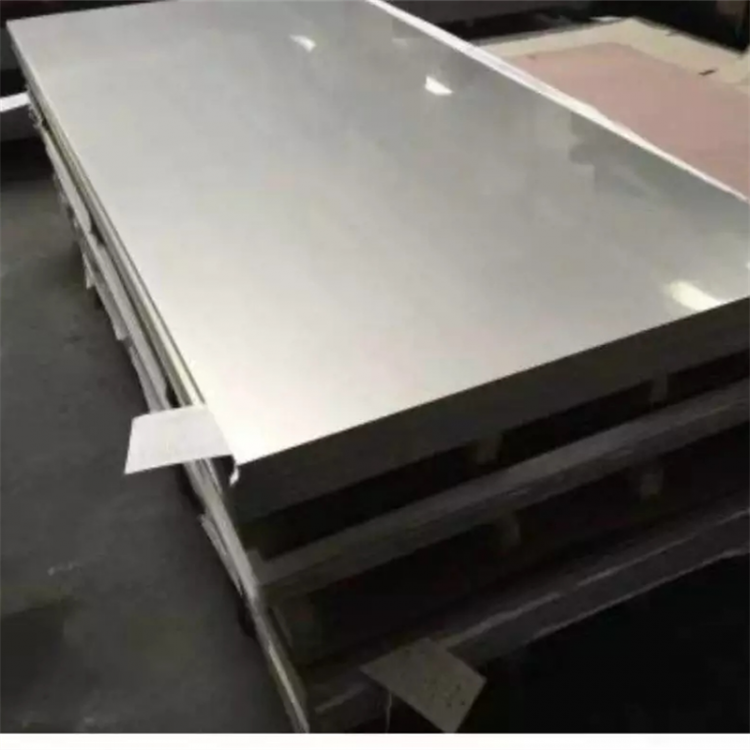
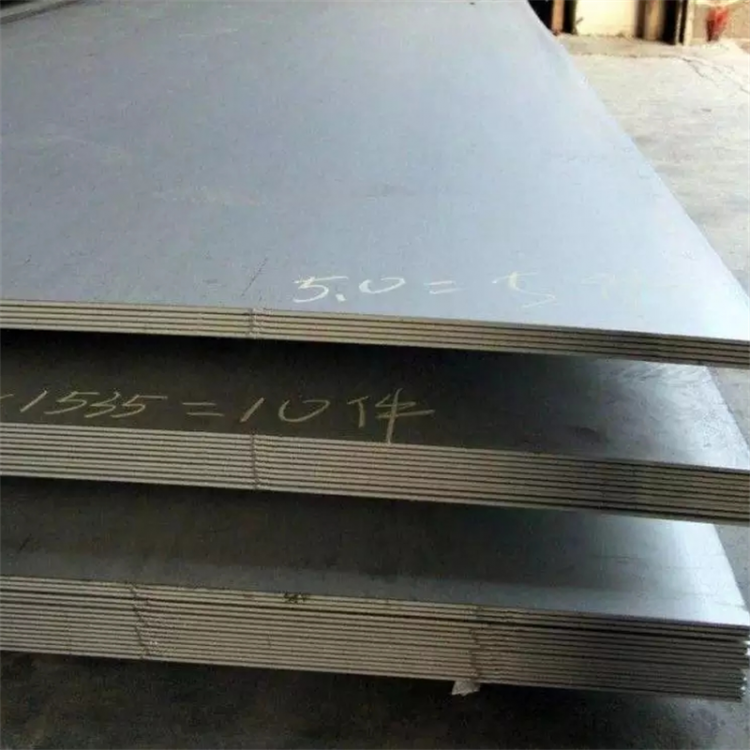
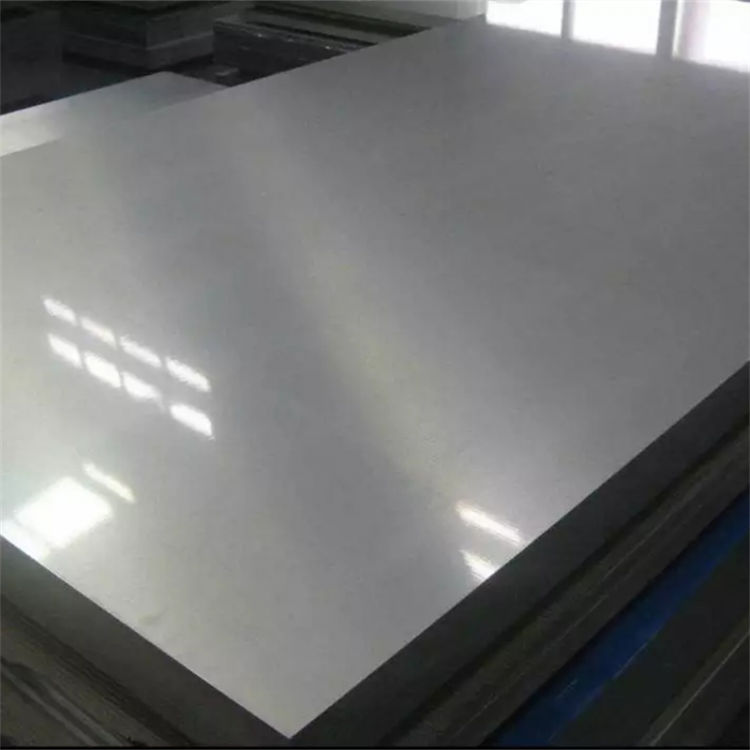
产品Price 3300.00/tons
最小起订Quantity:1 tons 供货总Quantity: 9999 tons


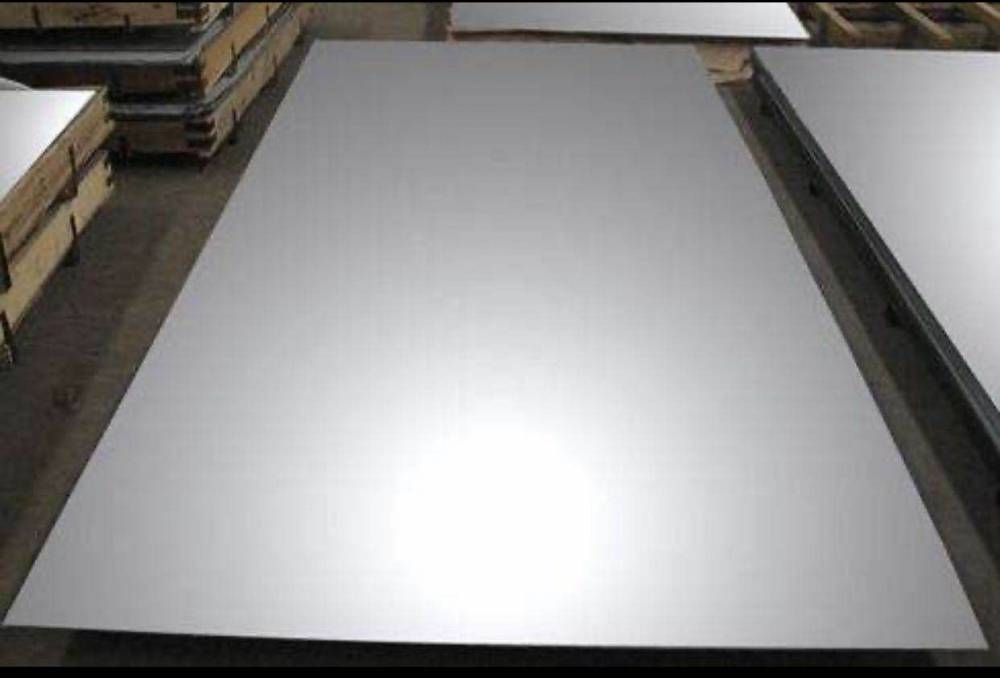
Stainless steel plates feature a smooth surface, high malleability, toughness, and mechanical strength, and are resistant to corrosion from acidic, alkaline gases, solutions, and other media. They are an alloy steel that is not prone to rust, but they are not entirely rust-proof. Stainless steel plates refer to steel plates that are resistant to corrosion from atmospheric, steam, and water, among other mild media, while acid-resistant steel plates are those that can withstand corrosion from acidic, alkaline, and saline chemical media. Stainless steel plates have been in existence since the early 20th century, boasting over a century of history. Chinese Name Stainless Steel Sheets Foreign Name stainless steel plate Features Durable against atmospheric and steam Categories Austenitic stainless steel plates, Martensitic stainless steel plates, etc. Features High-temperature oxidation resistance Introduction Overview Stainless steel plates generally refer to a collective term for stainless steel plates and acid-resistant steel plates. Introduced at the turn of the century, the development of stainless steel plates has laid an important material and technological foundation for the development of modern industry and technological progress. There are many types of stainless steel plates with varying properties, which have gradually formed into several major categories. These include Austenitic stainless steel plates, Martensitic stainless steel plates (including precipitation-hardened stainless steel plates), Ferritic stainless steel plates, and Austenitic-Ferritic dual-phase stainless steel plates. Classification by chemical composition or specific elements in the steel plates includes Chromium stainless steel plates, Chromium-Nickel stainless steel plates, Chromium-Nickel-Molybdenum stainless steel plates, Low-carbon stainless steel plates, High-Molybdenum stainless steel plates, and High-purity stainless steel plates. By the performance characteristics and applications of the steel plates, they are categorized into Nitric acid-resistant stainless steel plates, Sulfuric acid-resistant stainless steel plates, Pitting-resistant stainless steel plates, Stress corrosion-resistant stainless steel plates, High-strength stainless steel plates, and so on. Based on the functional characteristics of the steel plates, they are divided into Low-temperature stainless steel plates, Non-magnetic stainless steel plates, Easy-to-cut stainless steel plates, and Superplastic stainless steel plates. The current common method of classification is based on the microstructure and chemical composition of the steel plates, as well as a combination of both. Generally, it is categorized into Martensitic stainless steel plates, Ferritic stainless steel plates, Austenitic stainless steel plates, Dual-phase stainless steel plates, and Precipitation-hardening stainless steel plates, or into Chromium stainless steel plates and Nickel stainless steel plates. They are widely used in various applications, such as heat exchangers for pulp and paper equipment, machinery and equipment, dyeing equipment, film developing equipment, pipelines, and exterior materials for buildings in coastal areas. The surface of the stainless steel sheet is smooth, featuring high plasticity, toughness, and mechanical strength, as well as resistance to corrosion from acidic, alkaline gases, solutions, and other media. It is an alloy steel that is not prone to rust, but it is not entirely rust-proof. Performance Stainless steel plates possess similar resistance to general corrosion as the unstable nickel-chromium alloy 304. Extended heating within the temperature range of carbonitriding may affect alloys 321 and 347 in harsh corrosive environments. Primarily used for high-temperature applications, where materials must have strong oxidation resistance to prevent intergranular corrosion at lower temperatures. High-temperature oxidation resistance Stainless steel sheets possess high-temperature oxidation resistance; however, the oxidation rate is influenced by inherent factors such as the exposure environment and the product's form. Physical Properties The overall thermal conductivity of metals, besides depending on the thermal conductivity of the metal itself, is also influenced by other factors. In most cases, these include the film heat transfer coefficient, rust scale, and the surface condition of the metal. Stainless steel maintains a clean surface, thus exhibiting better thermal conductivity compared to metals with higher thermal conductivity. Liaocheng Sandeli Stainless Steel offers technical standards for stainless steel sheets, including their corrosion resistance, bending processing properties, and toughness at the welding joints, as well as the excellent stamping processing properties of high-strength stainless steel sheets and their manufacturing methods. Specifically, stainless steel sheets containing less than 0.02% C, less than 0.02% N, more than 11% Cr and less than 17%, with appropriate amounts of Si, Mn, P, S, Al, and Ni, and meeting the specifications of 12≤Cr Mo 1.5Si≤17, 1≤Ni 30(C N) 0.5(Mn Cu)≤4, Cr 0.5(Ni Cu) 3.3Mo≥16.0, and 0.006≤C N≤0.030 are heated to 850~1250°C and then subjected to heat treatment with a cooling rate of more than 1°C/s. This results in high-strength stainless steel sheets with more than 12% martensite by volume, over 730MPa in strength, excellent corrosion resistance, bending processing properties, and toughness in the heat-affected zone. By utilizing Mo, B, and others, the stamping processing properties at the welding joints can be further improved. The flame from oxygen and acetylene cannot cut stainless steel plates because stainless steel is not easily oxidized.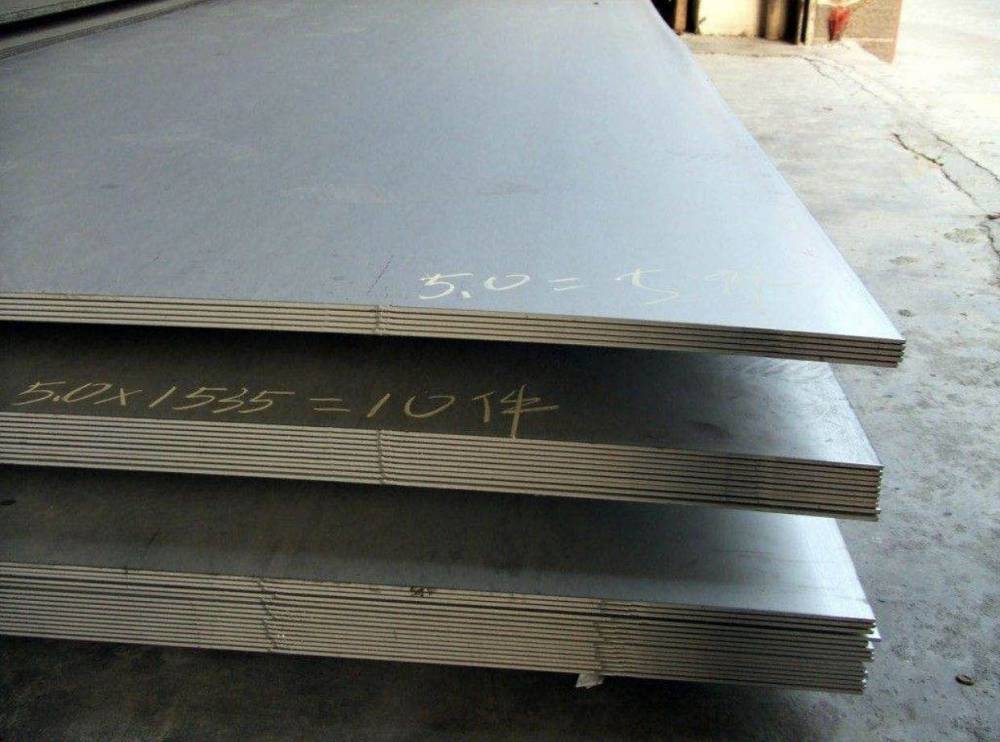

Phone Consultation