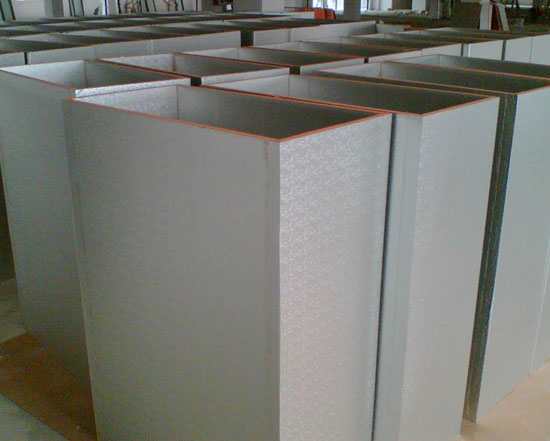
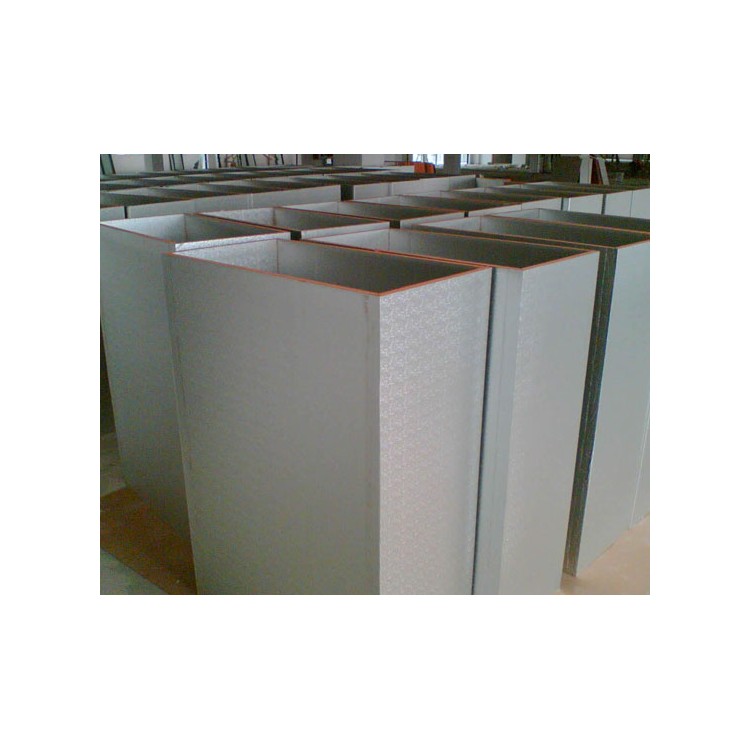
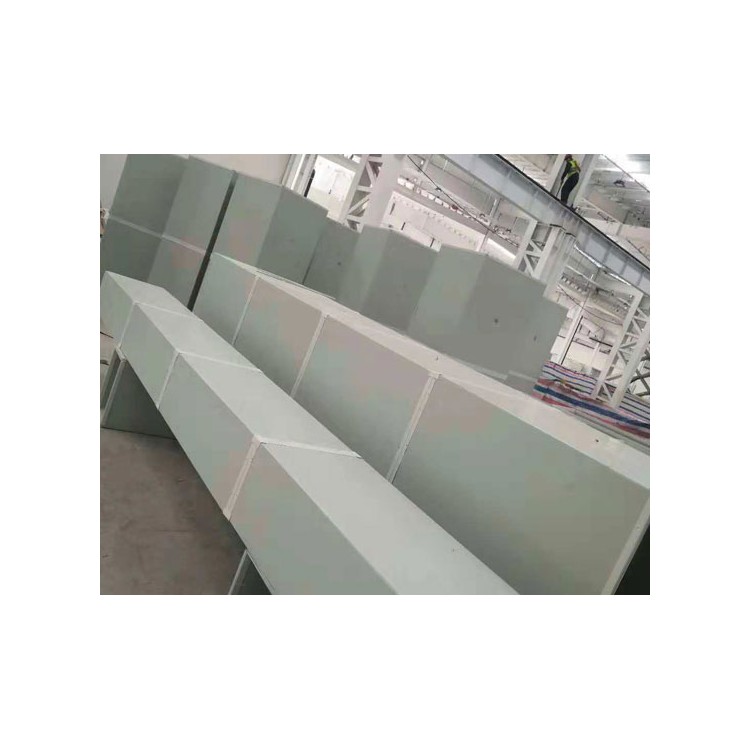
Composite ductwork is a new type of ventilation pipe made from a combination of various materials, boasting many excellent properties.
I. Main Types
Phenolic Fused Aluminum Composite Duct
Insulated with phenolic foam and covered with aluminum foil and other surface layers. Phenolic foam boasts excellent fire resistance, rated as non-flammable B1, does not ignite when exposed to fire, and produces no smoke or toxic fumes. Additionally, it offers good thermal insulation properties with a low thermal conductivity, effectively reducing energy loss.
This duct has high strength, light weight, and is easy to install and transport.
Polyurethane Composite Ducting
The core thermal insulation material is polyurethane foam, which is also covered with materials like aluminum foil. Polyurethane foam boasts superior thermal insulation properties, with a low thermal conductivity coefficient, significantly enhancing energy utilization efficiency.
It has good corrosion resistance and is suitable for various harsh environments.
Fiberglass Composite Ducting
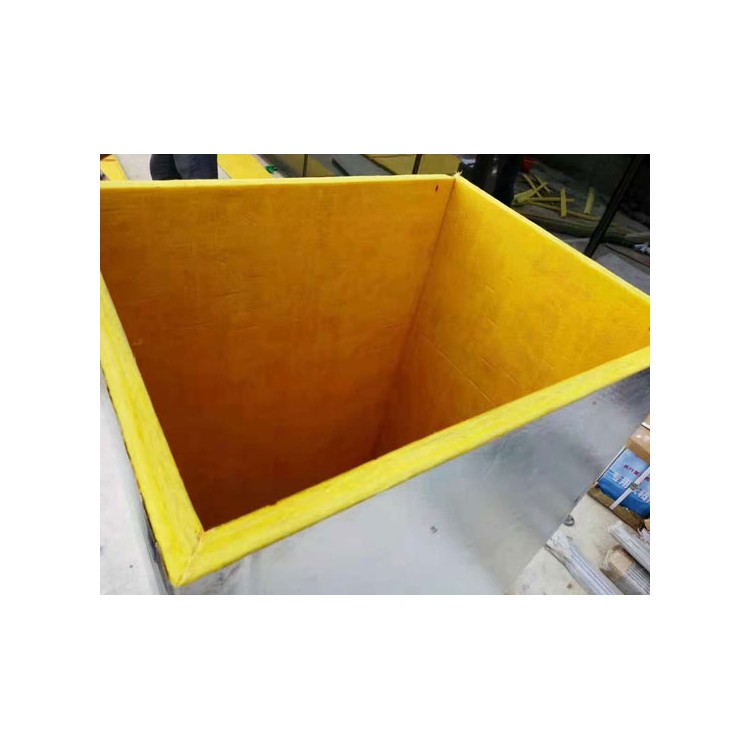
Made primarily from glass fiber and processed with special technology. It offers excellent sound absorption properties, effectively reducing noise in ventilation systems.
The fire-resistant performance of glass fiber composite ducts is also good, generally reaching non-combustible A grade.
II. Performance Advantages
Excellent thermal insulation performance
The insulation layer of composite ductwork effectively prevents heat transfer, reducing the energy consumption of the air conditioning system. Compared to traditional metal ductwork, it can save a substantial amount of energy.
In winter, it prevents heat loss from the pipes, maintaining indoor warmth; in summer, it blocks external heat from entering, reducing the indoor air conditioning load.
Reliable fire-resistant properties
Different types of composite ducts have specific fire ratings, capable of providing certain flame-retardant properties during fires, reducing the risk of fire spread.
Strongly guarantees the fire safety of buildings.
Noise Reduction
Partial composite ducts, such as glass fiber composite ducts, offer excellent sound absorption properties, capable of reducing noise generated by ventilation systems, creating a quiet and comfortable environment for people.
Lightweight and easy to install
Composite ductwork is relatively lightweight, significantly reducing the labor intensity for installers.
The installation process is simple and quick, allowing for a reduction in construction time and engineering costs.
Corrosion-resistant
Resistant to erosion by various chemicals, suitable for various environmental conditions, excels especially in damp, corrosive gas-rich environments.
III. Application Fields
Commercial Building
For commercial complexes, hotels, office buildings, etc., higher requirements are placed on ventilation systems. The composite ducts' insulation, noise reduction, and aesthetic features make them an ideal choice.
Comfortable indoor environments for commercial spaces, while reducing energy consumption.
Industrial厂房
During the industrial production process, a well-ventilated system is often required to expel waste gases and dust. Composite ducts offer corrosion-resistant and fire-retardant properties to meet the special requirements of industrial buildings.
Enhances production efficiency and ensures workers' health and safety.
Schools and other public buildings
These locations have strict requirements for air quality and noise control. The performance advantages of composite ducts are capable of meeting their needs.
Provide a healthy, quiet learning and working environment for people.
In summary, composite ducts, with their superior performance and broad application prospects, are playing an increasingly significant role in the ventilation and air conditioning field.

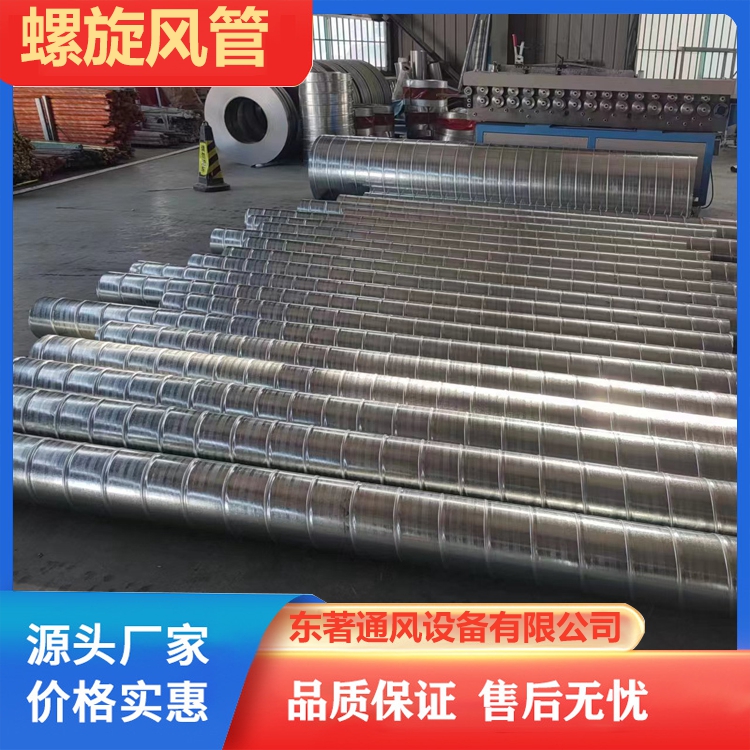 Stainless Steel Pipe Spiral Duct, Large Diameter Kitchen Exhaust Pipe - Dongzhu Supply
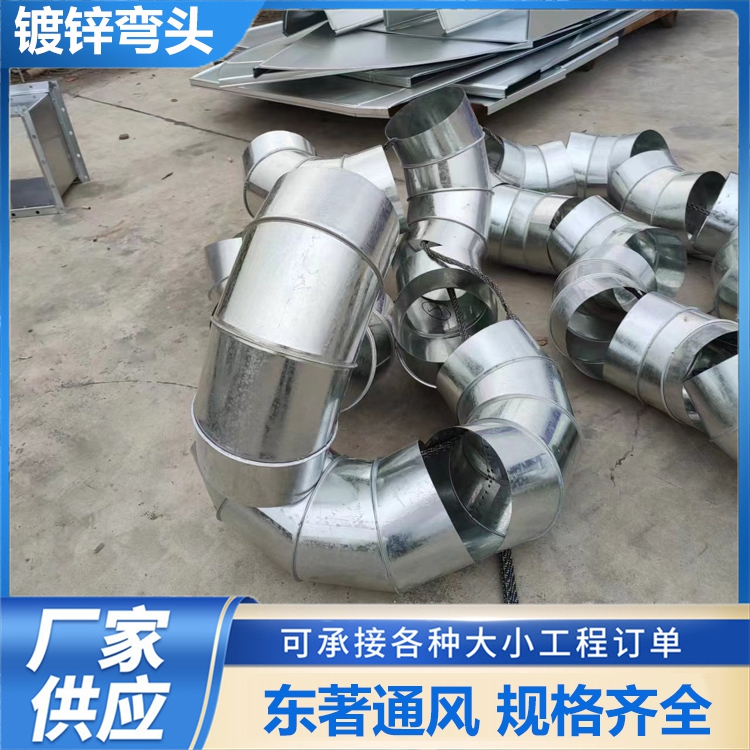 Stainless Steel Welded Bend, Workshop Environmental Protection Ventilation Pipe, Corrosion-Resistant and Durable
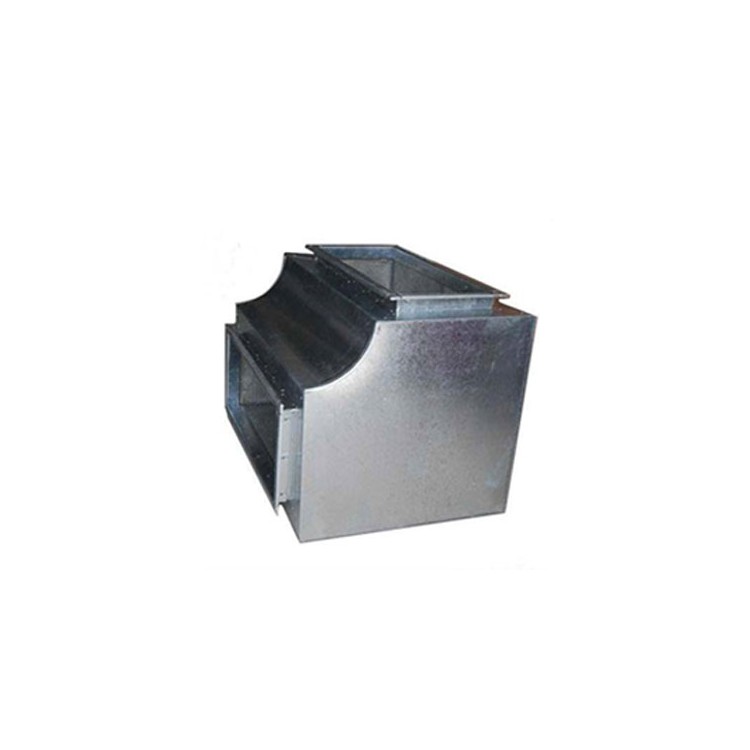 Silencer Pressure-Reducing Box Manufacturer, Muffling Elbow


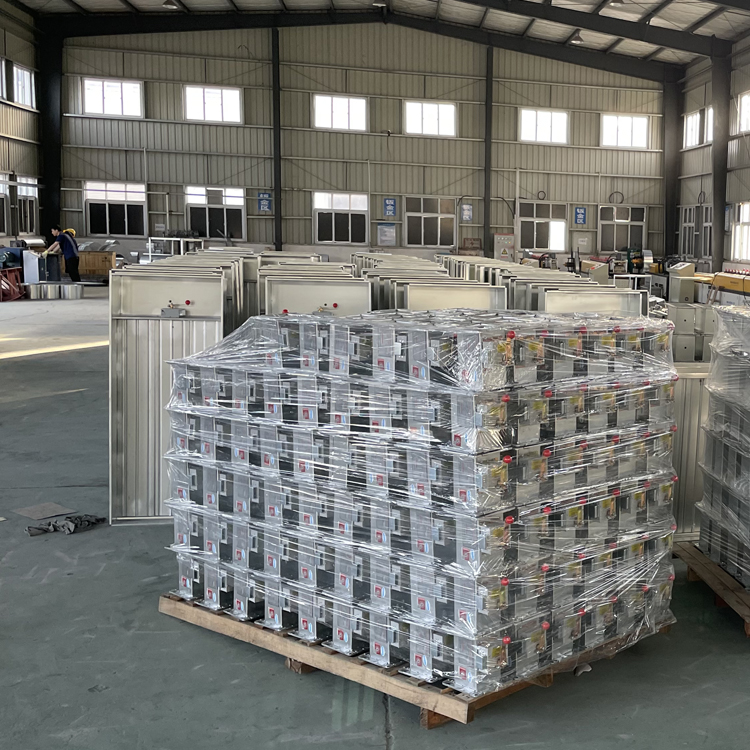 70℃ Open-All-Around Fire-Resistant Control Valve, 280℃ Exhaust Fire Valve for Pipeline
¥1.00
70℃ Open-All-Around Fire-Resistant Control Valve, 280℃ Exhaust Fire Valve for Pipeline
¥1.00
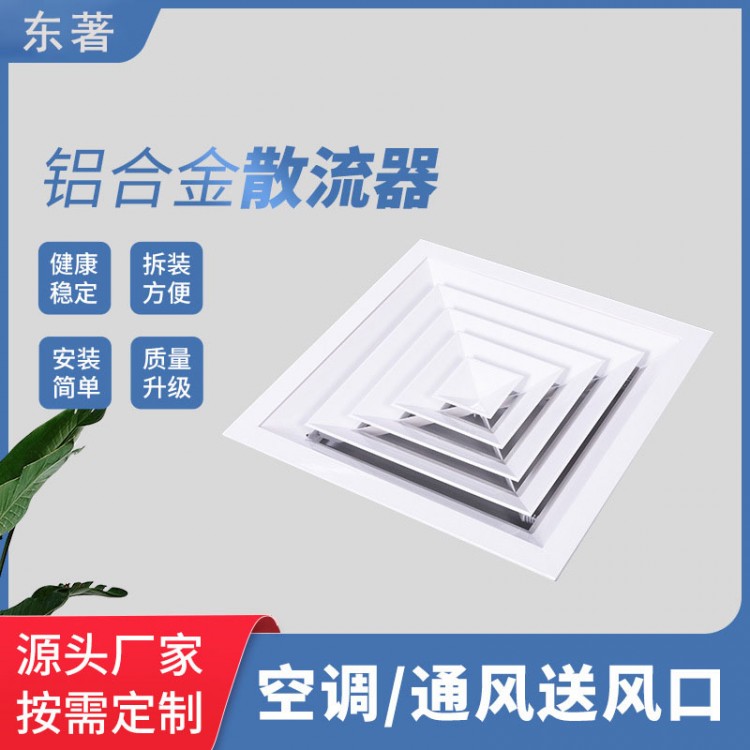 Square aluminum alloy diffuser supply air outlet Central air conditioning double-loop return
¥1.00
Square aluminum alloy diffuser supply air outlet Central air conditioning double-loop return
¥1.00
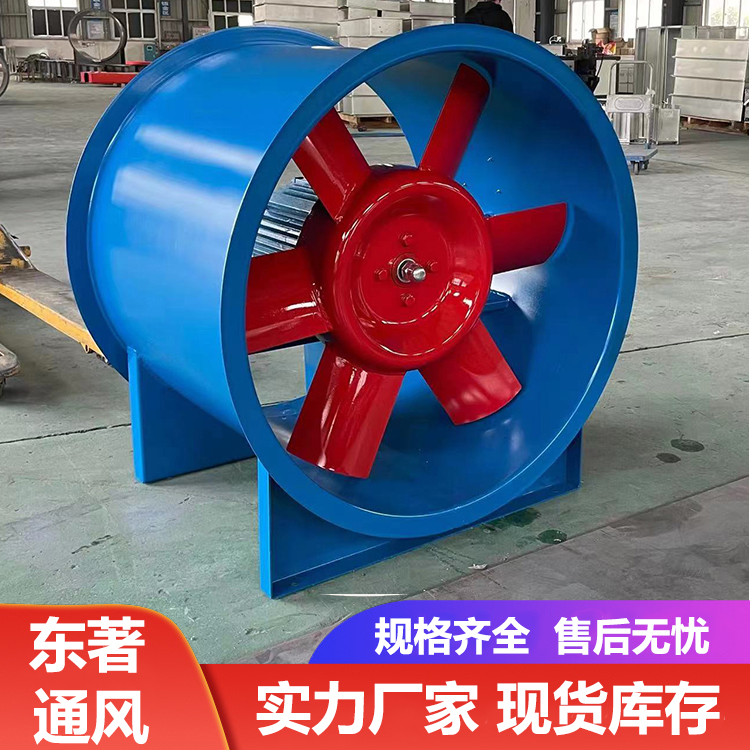 Kitchen Exhaust Ventilation High Temperature Axial Flow Fan, Industrial High Pressure Explosion-Proof Fan Factory
¥1.00
Kitchen Exhaust Ventilation High Temperature Axial Flow Fan, Industrial High Pressure Explosion-Proof Fan Factory
¥1.00
