
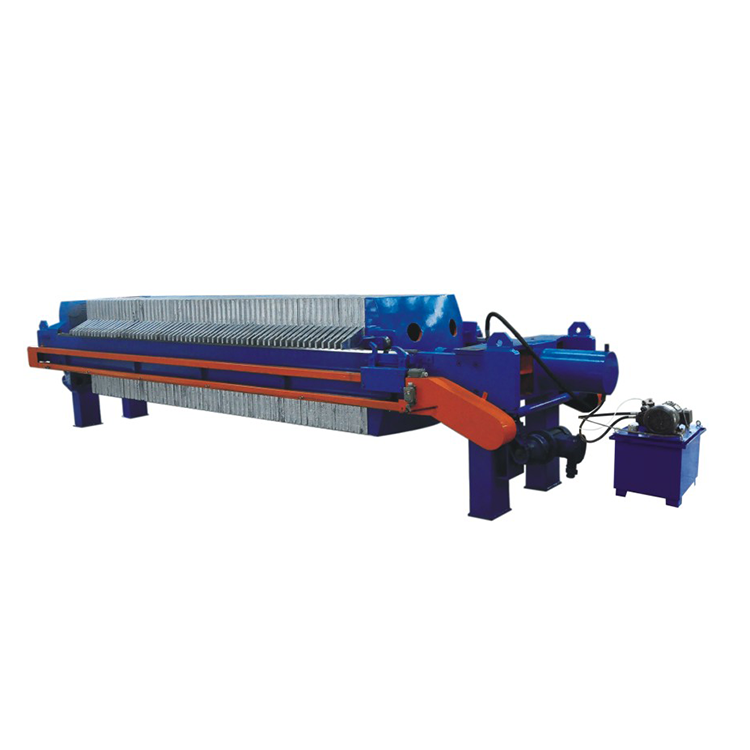
 Press Filter Factory
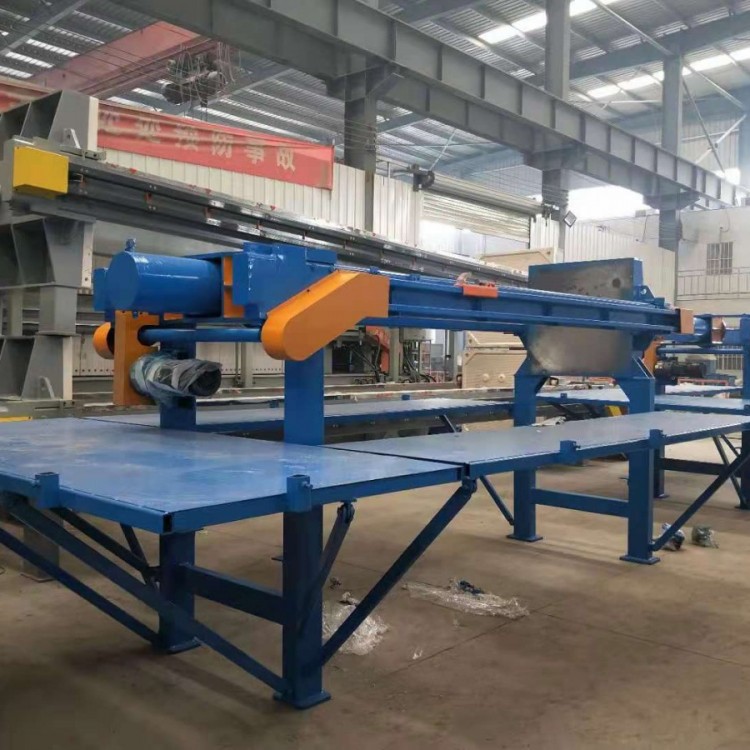 Monoblock pressure filter
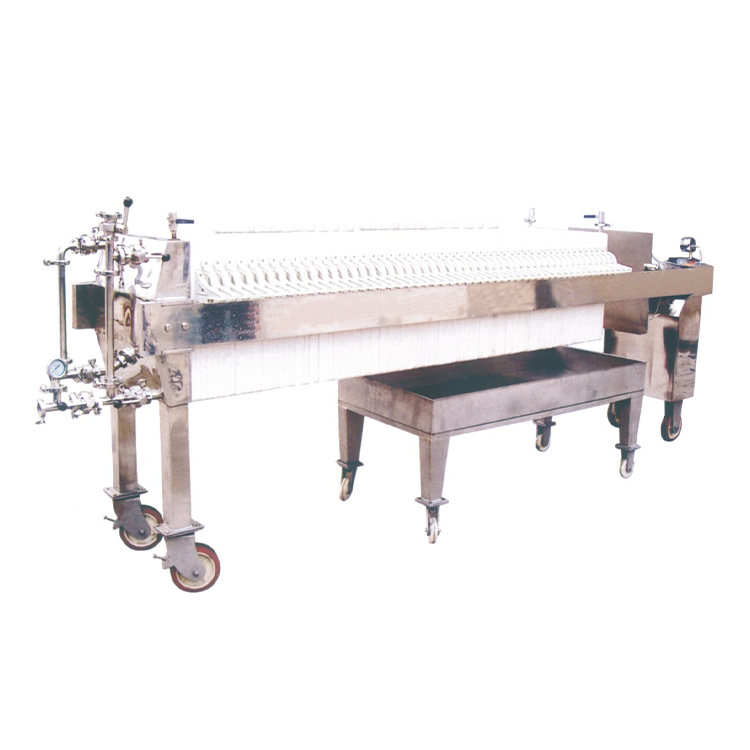 Stainless Steel Plate and Frame Filter Press
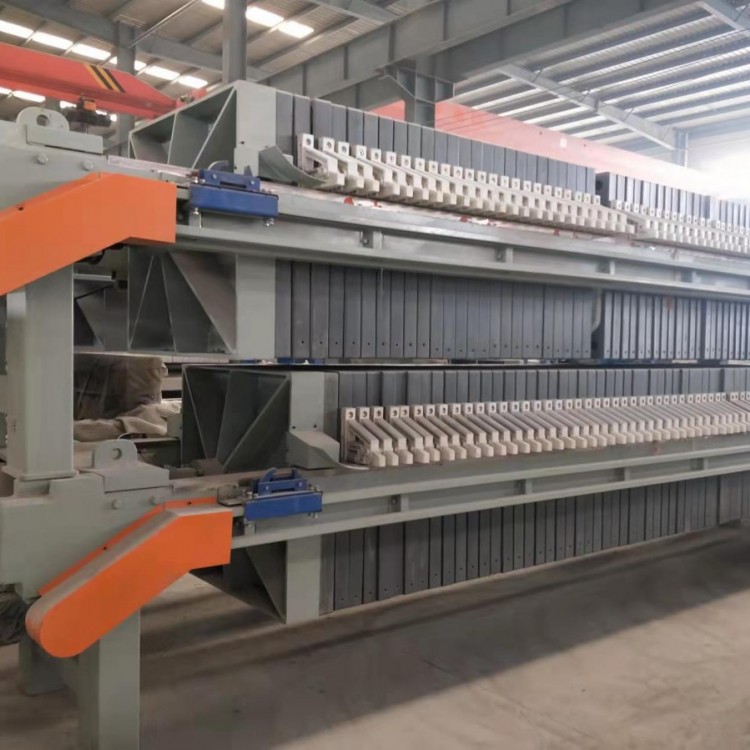 Box Filter Press
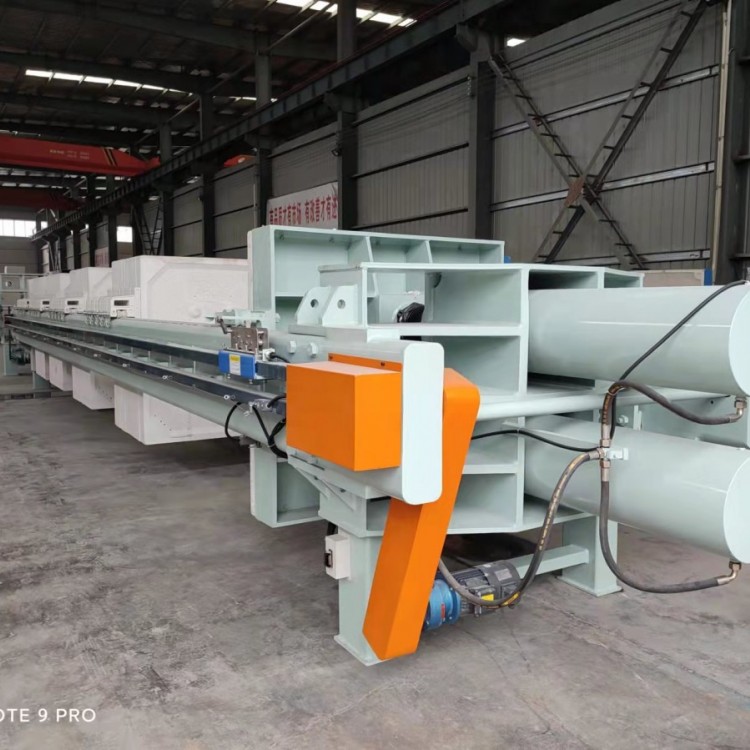 Twin-cylinder pressure filter
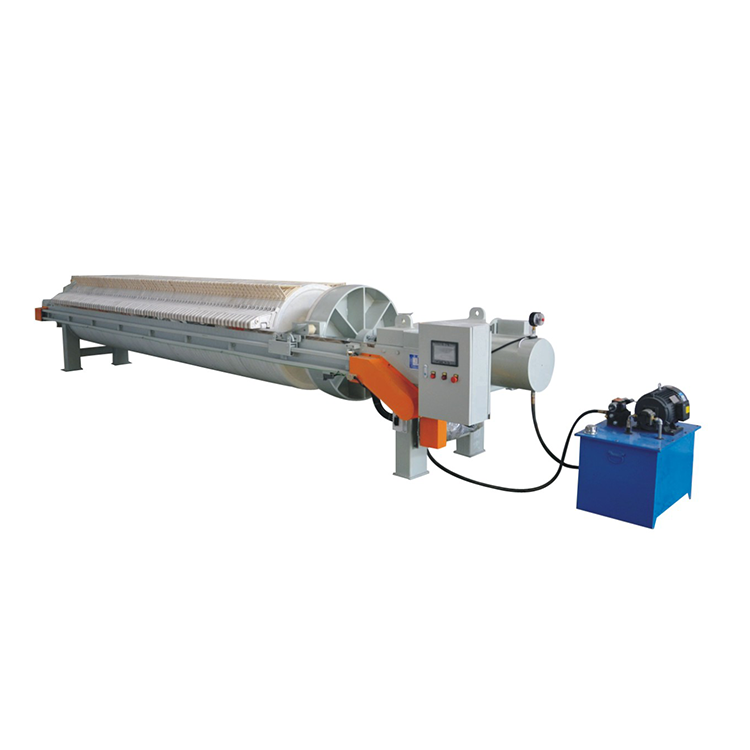 Circular High Pressure Plate and Frame Filter Press
Product Details

Filter Presses, Plate and Frame Filter Presses, Membrane Filter Presses, Sand...


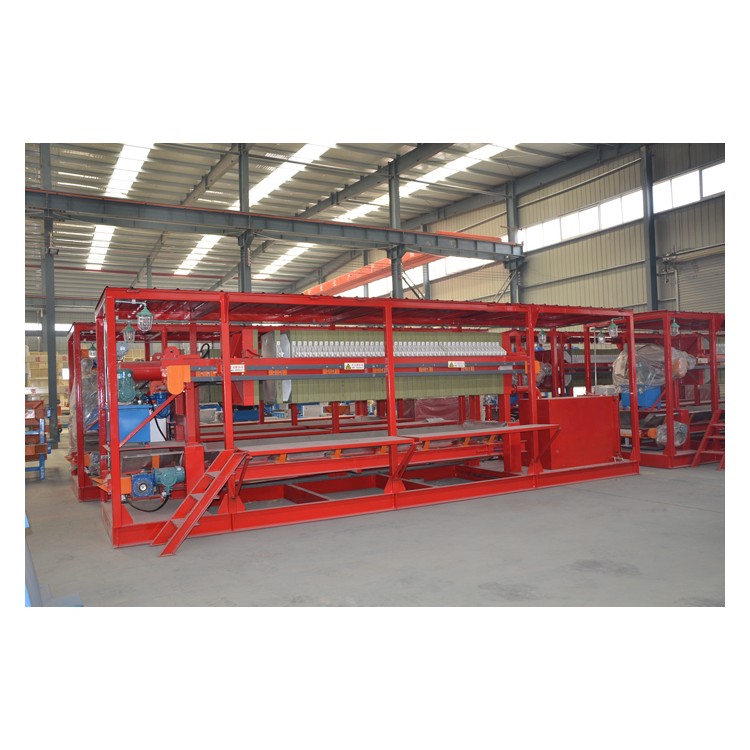
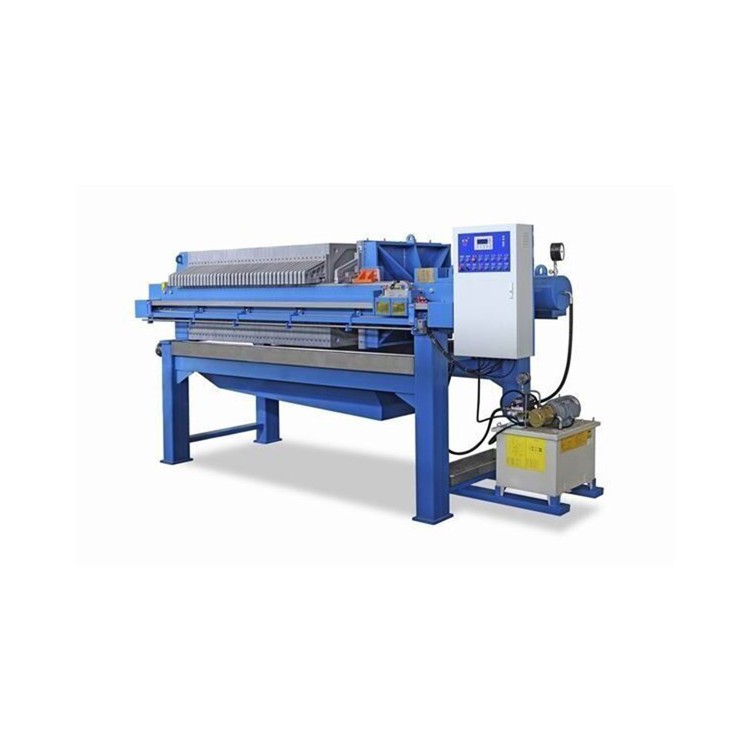

产品Price 2.00/Tai
最小起订Quantity:1 Tai 供货总Quantity: 999 Tai


I. Preparatory Steps Before Operating the Plate and Frame Filter Press
The plate and frame filter press may only proceed to the next step after installation, adjustment, and confirmation that everything is correct.
2. Inspect the condition of the filter cloth, ensuring it is free from wrinkles or damage.
3. Reconfirm that the machine installation and preparation are correct.
Two, the general operation process: clamp the filter plate - start the pump to feed material - close the feed pump - pull the filter plate to discharge material - clean and inspect the filter cloth - prepare for the next cycle.
Section 3: Detailed Operation Instructions for Plate and Frame Filter Press
Turn off the power switch, the power indicator light illuminates.
2. Start the oil pump (while checking if the pump is operating normally).
3. Move all filter plates to the thrust plate end and position them between the two horizontal beams.
4. Activate the clamping button, the piston pushes the clamping plate, and all filter plates are tightly clamped. After reaching the pressure value (hydraulic pressure is indicated by the pressure gauge), the machine is set to maintain pressure (our customized automatic pressure maintenance press filter), press the shut-off button, and the oil pump stops operating.
5. Submerged Flow: Open the filtrate valve to release the liquid. Surface Flow: Turn on the water spout to release the liquid. Simultaneously, open the feed valve for filtration.
6. Once full, close the feed valve and stop filtering.
7. Washable: Turn on the water nozzle, then open the rinse water valve, and let the water in for washing.
8. Start the oil pump, press the tighten button, wait for the locknut to secure, then turn the nut to the piston rod end (tightening plate end), press the release button, and shut off the motor once the piston returns to the appropriate working gap.
9. Move the mobile skid for unloading material.
10. Inspect the filter cloth and filter plate, and clean off any residue on the mating surfaces. Proceed to the next work cycle if no issues are found.
Four, Working Principle of Plate and Frame Filter Press: The plates and frames are arranged alternately, with filter cloth covering both sides of the filter plates. A pressing device is used to tightly press the plates and frames together, forming a pressure filtration chamber between them. Small holes are drilled at the same position on the upper middle part of the plates and frames, which become a passage when pressed together. Sludge with a pressure of 0.2~0.4MPa is introduced into the filtration chamber through this passage. The surface of the filter plates is grooved, and at the bottom, holes are drilled for the filtrate to exit. Under pressure, the filtrate passes through the filter cloth, along the grooves and through the holes to exit the filter press, thereby dewatering the sludge. Automated plate and frame filter presses have been developed domestically and internationally. These presses can withstand higher sludge specific resistance compared to vacuum filters, thus reducing the consumption of conditioning agents and allowing the use of cheaper chemicals. The yield and moisture content of the filter cake should be determined based on test data or similar operating experience. The moisture content of the filter cake is generally 75%~80%.
V. Overview of Plate and Frame Filter Press Maintenance and Care:
To ensure the machine operates normally for extended periods and to prolong its service life, we conduct regular maintenance checks after each filtration cycle.
2. Select filter cloth correctly. Wash the filter cloth after each work session to ensure no large residues remain on the fabric surface. If the filter cloth becomes stiff, soften it, and in case of any damage, repair or replace it promptly.
3. Take care to protect the sealing surface of the filter plate, avoid collisions, and store it standing up to minimize deformation.
4. Valves for materials and washing water must be opened and closed according to the operational procedures. Materials and washing water should not enter simultaneously. After completing the work, the remaining material in the pipeline should be drained as much as possible.

Phone Consultation