
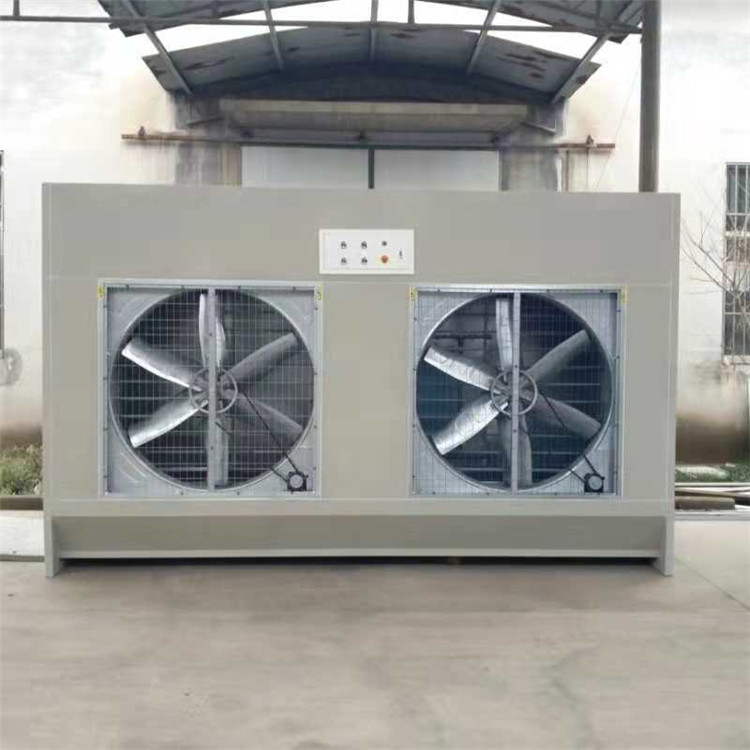
 Water-based Sanding Cabinet, Waterborne Dust Removal Equipment, Furniture Dust Treatment Equipment, Fan-Type Sanding Equipment
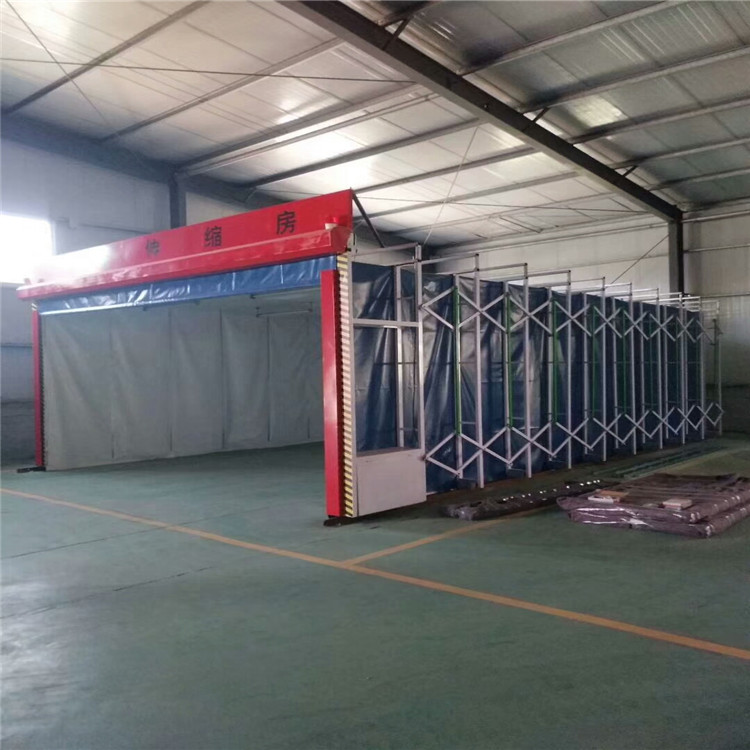 Long-term production and supply of mobile telescopic houses, portable paint booths, remote-controlled telescopic for easy operation
 Paint Spray Exhaust Treatment Equipment, Cyclone Tower, Cyclone Cabinet, Waste Gas Treatment
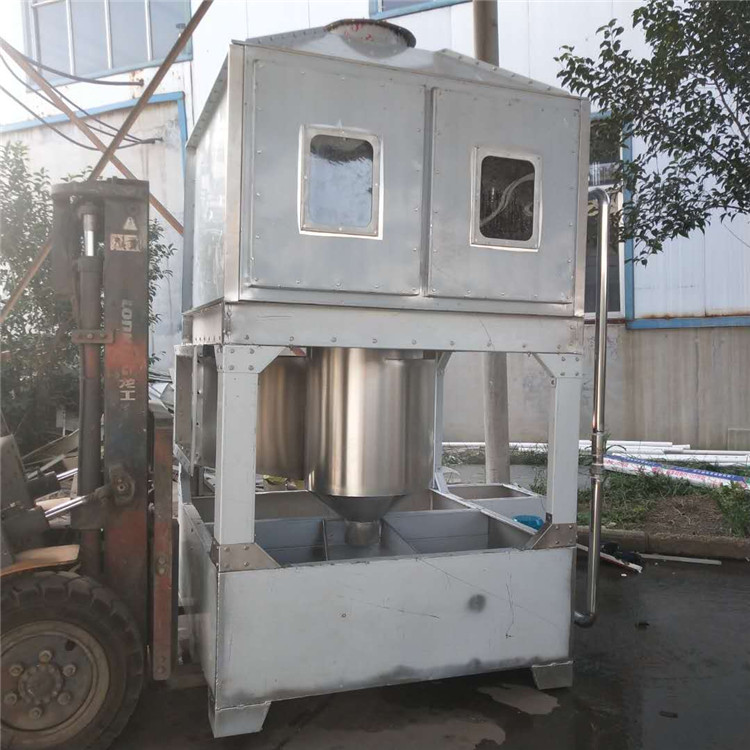 Turbulent Tower, Pneumatic Mixing Turbulent Tower, Dust and Oil Removal, Cooling, Environmental Protection Equipment
Product Details

Catalytic Combustion, Zeolite Wheel, Spray Booth, Mobile Extendable Cabin



产品Price 3800.00/Set
最小起订Quantity:1 Set 供货总Quantity: 1000 Set


 Electrostatic Tar Trap | Wet-type Electrostatic Dust Collector | Fume Purification Equipment | Customized Equipment
¥18500.00
Electrostatic Tar Trap | Wet-type Electrostatic Dust Collector | Fume Purification Equipment | Customized Equipment
¥18500.00
 Offline Catalytic Combustion, Catalytic Combustion Environmental Protection Equipment, Activated Carbon Adsorption Equipment Manufacturer
¥99000.00
Offline Catalytic Combustion, Catalytic Combustion Environmental Protection Equipment, Activated Carbon Adsorption Equipment Manufacturer
¥99000.00
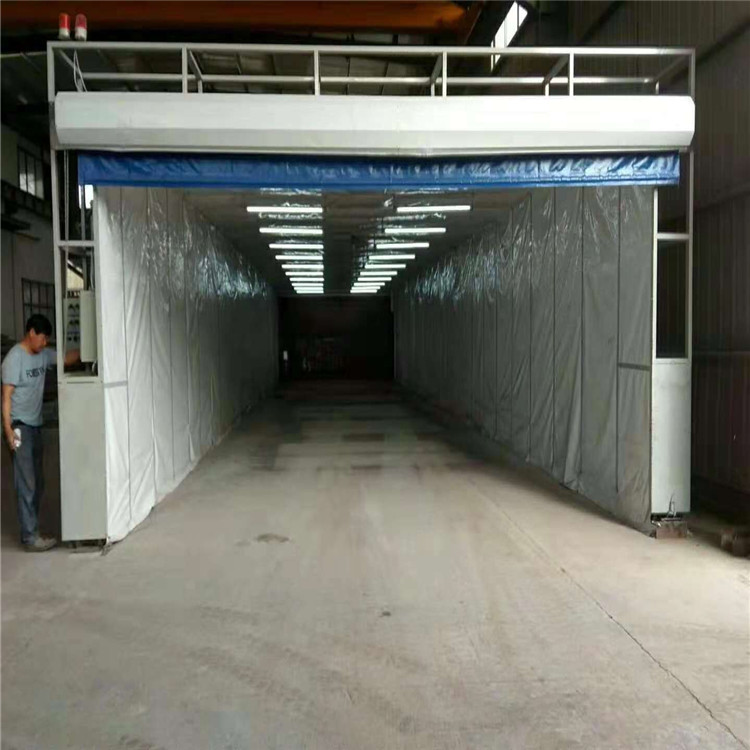 Portable Spray Paint Booth, Mobile Electric Spray Paint Booth, Full Mobile Rock Wool Panel Spray Paint Booth
¥9800.00
Portable Spray Paint Booth, Mobile Electric Spray Paint Booth, Full Mobile Rock Wool Panel Spray Paint Booth
¥9800.00

Shandong Zhongcheng Liangchuang Environmental Protection Technology Development Co., Ltd. has been committed to the design, research and development, and production of coating products and environmental purification products for a long time. The company boasts strong technical capabilities, advanced processing equipment, exquisite craftsmanship, comprehensive testing methods, and a sound quality assurance system.Certificate System. 
Vortex TowerApplication Fields: Wet polishing dust removal, paint spray exhaust pretreatment, boiler dust removal, smelting furnace black smoke exhaust pretreatment, industrial smoke pretreatment, and other industrial exhaust pretreatment 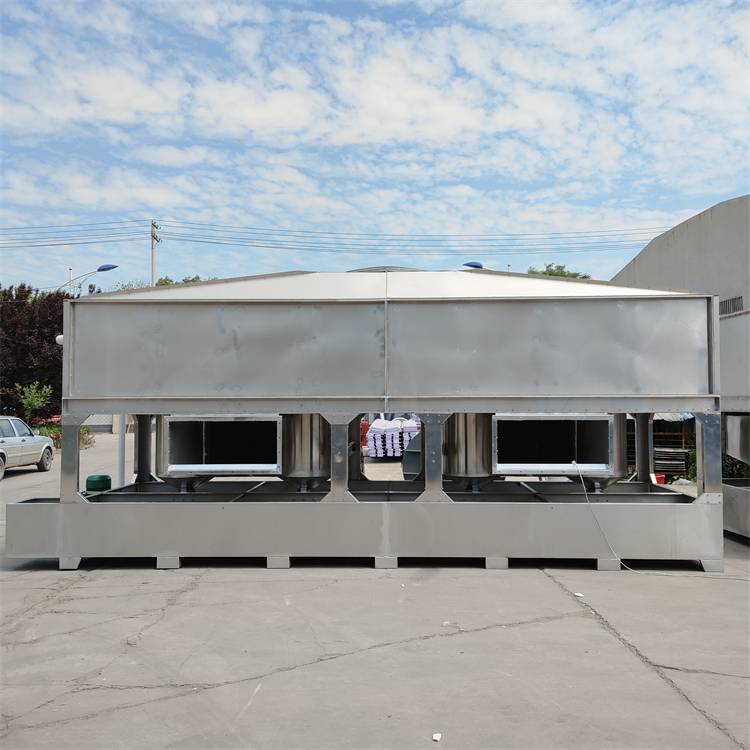
Design of the Cyclone TowerPrinciple 
