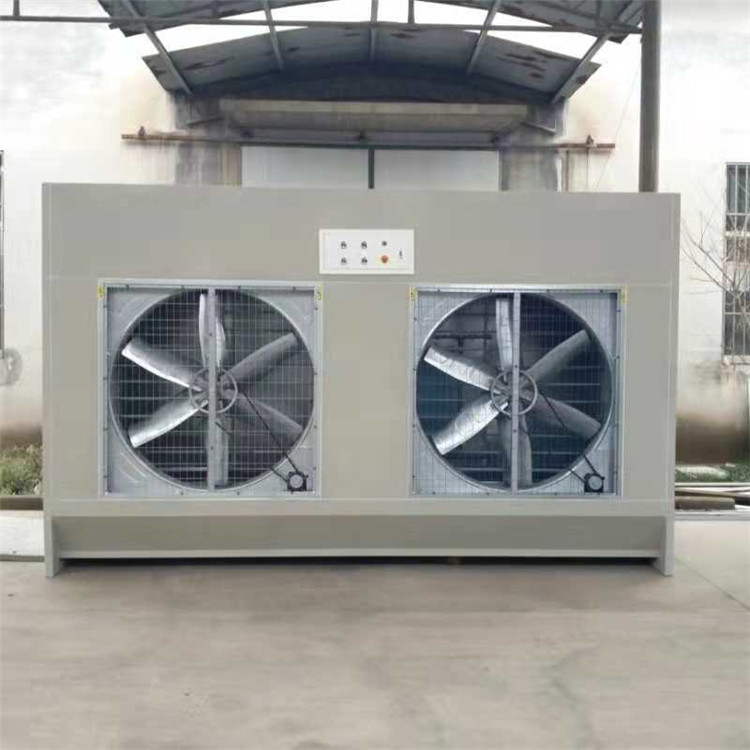
 Water-based Sanding Cabinet, Waterborne Dust Removal Equipment, Furniture Dust Treatment Equipment, Fan-Type Sanding Equipment
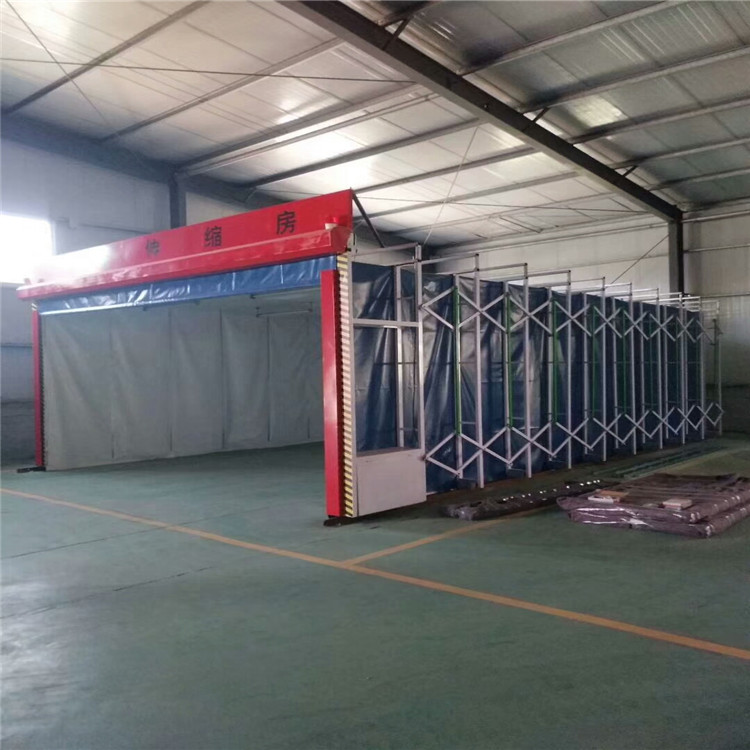 Long-term production and supply of mobile telescopic houses, portable paint booths, remote-controlled telescopic for easy operation
 Paint Spray Exhaust Treatment Equipment, Cyclone Tower, Cyclone Cabinet, Waste Gas Treatment
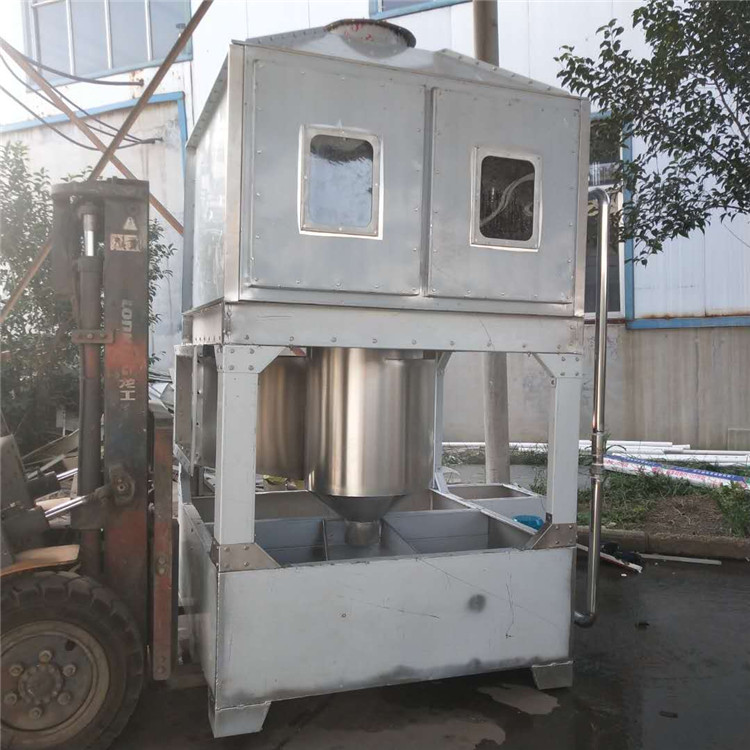 Turbulent Tower, Pneumatic Mixing Turbulent Tower, Dust and Oil Removal, Cooling, Environmental Protection Equipment
Product Details

Catalytic Combustion, Zeolite Wheel, Spray Booth, Mobile Extendable Cabin


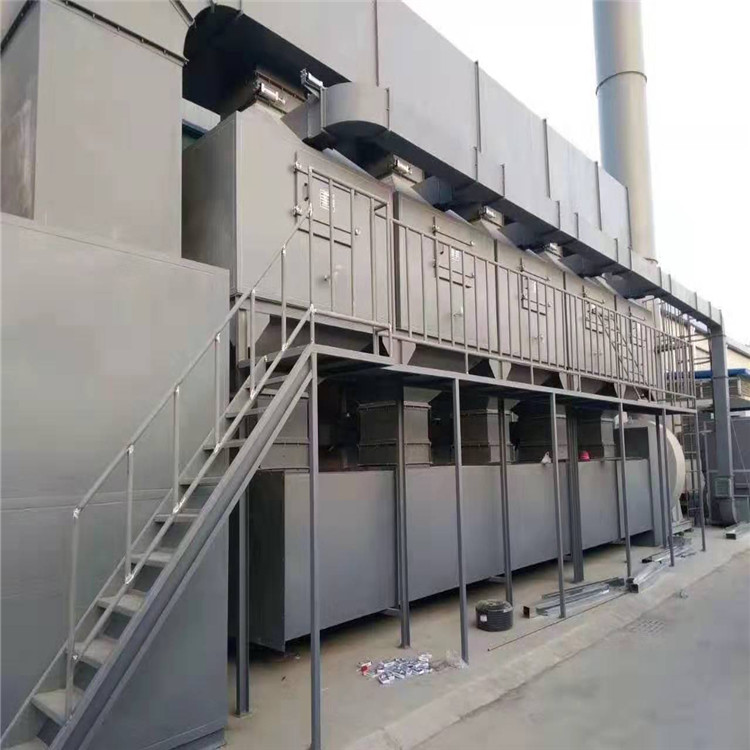

产品Price 99000.00/Set
最小起订Quantity:1 Set 供货总Quantity: 99 Set


 Electrostatic Tar Trap | Wet-type Electrostatic Dust Collector | Fume Purification Equipment | Customized Equipment
¥18500.00
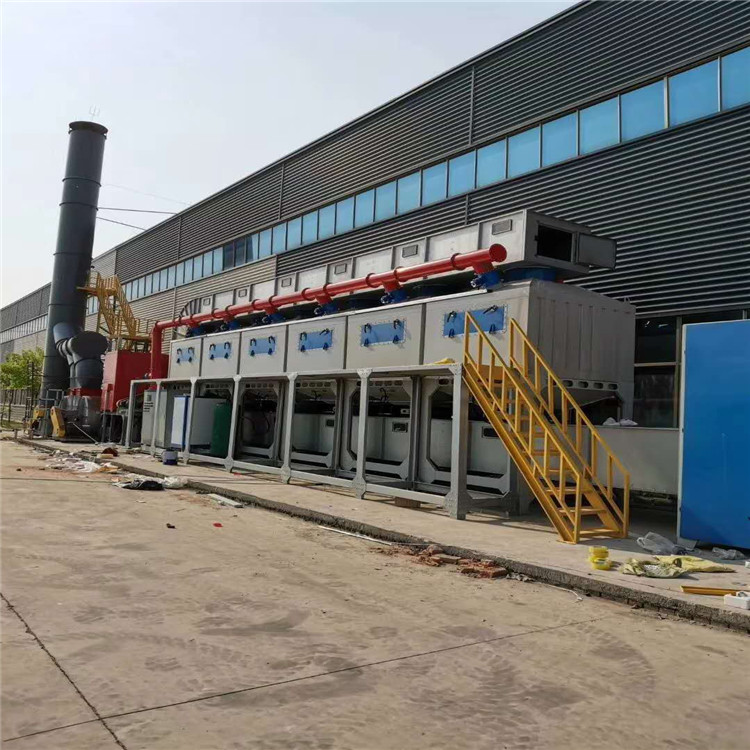
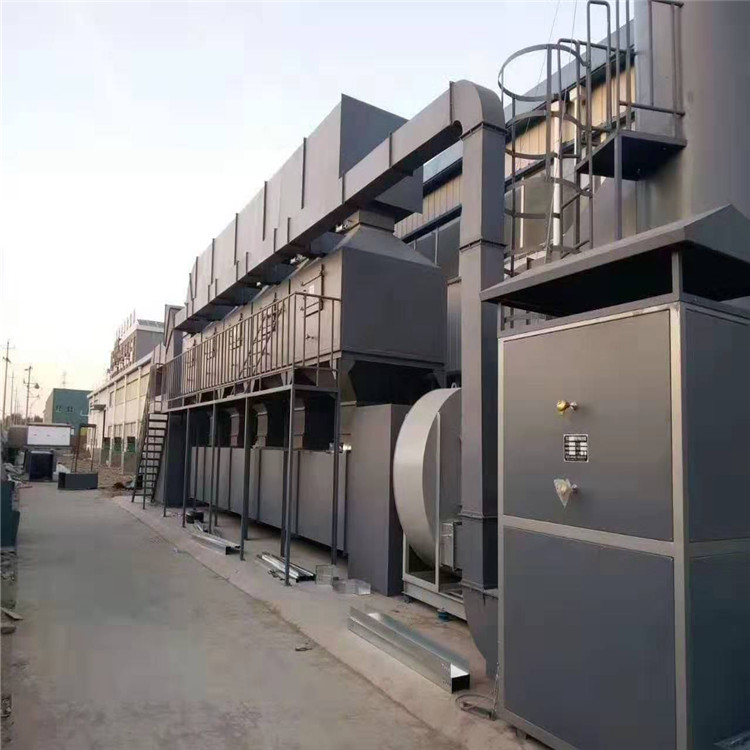
Offline Catalytic Combustion, Catalytic Combustion Environmental Protection Equipment, Activated Carbon Adsorption Equipment Manufacturer
¥99000.00
Electrostatic Tar Trap | Wet-type Electrostatic Dust Collector | Fume Purification Equipment | Customized Equipment
¥18500.00
Offline Catalytic Combustion, Catalytic Combustion Environmental Protection Equipment, Activated Carbon Adsorption Equipment Manufacturer
¥99000.00
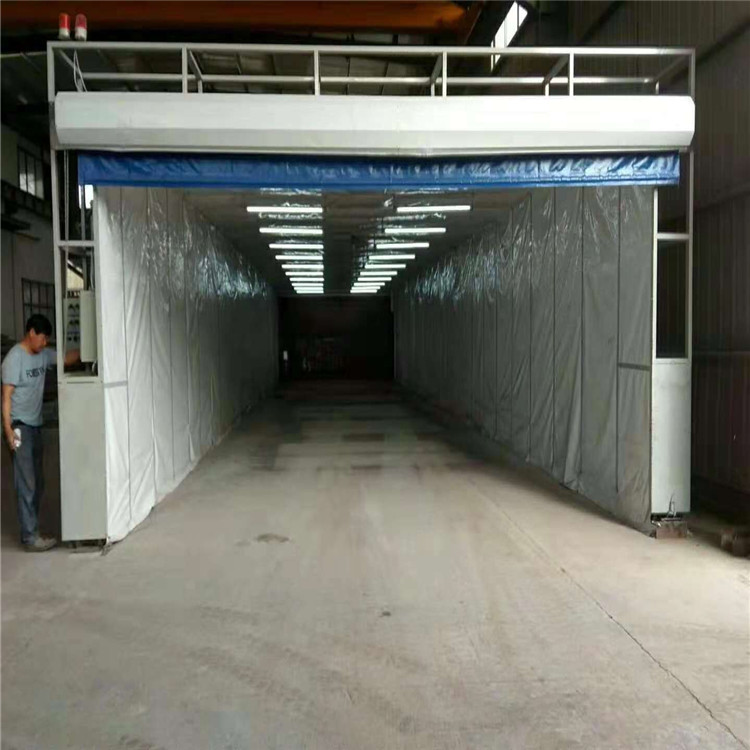 Portable Spray Paint Booth, Mobile Electric Spray Paint Booth, Full Mobile Rock Wool Panel Spray Paint Booth
¥9800.00
Portable Spray Paint Booth, Mobile Electric Spray Paint Booth, Full Mobile Rock Wool Panel Spray Paint Booth
¥9800.00
Catalytic combustion The catalytic purification unit is equipped with a heating chamber. Upon activation of the heating device, it enters an internal circulation. When the heat source reaches the boiling point of the organic matter, the organic compounds escape from the activated carbon and enter the catalytic chamber for catalytic decomposition intoCO2AndH2Simultaneously releasing energy, the released energy is utilized for desorption when entering the adsorption bed. At this point, the heating unit ceases operation entirely. Organic waste gases self-combust within the catalytic combustion chamber, the exhaust gases are recycled, and the process continues until organic matter is fully separated from the activated carbon and decomposed within the catalytic chamber, regenerating the activated carbon and facilitating the catalytic decomposition of organic matter; intermittent desorption requires the heating unit to be activated each time. Continuous desorption eliminates the need for heating power. Catalytic Combustion: Utilizing a catalyst as an intermediate, organic gases are converted into harmless water and carbon dioxide gases at lower temperatures. This involves sending the organic gases released from saturated activated carbon through a desorption blower into a purification unit. The organic solvents desorbed from the activated carbon are in gaseous form. They first pass through a dust and flame arrester system, then into a heat exchanger, and finally into a heating chamber. Through the heating device, the gases reach the combustion reaction temperature. Then, through the action of the catalyst bed, the organic gases are decomposed into carbon dioxide and water. They then enter the heat exchanger to exchange heat with the low-temperature gases, raising the incoming gas temperature to reach the reaction temperature. If the reaction temperature is not reached, the heating system can compensate through an automatic control system to ensure complete combustion. This saves energy, effectively removes waste gases to meet emission standards, and complies with national emission regulations; Catalytic purification efficiency97%+ This unit consists of the main unit, induced draft fan, and electrical control cabinet. The main unit of the purification device includes a heat exchanger, catalytic bed, electric heating elements, flame and dust arrester, and explosion-proof device. The flame and dust arrester is located in the intake duct, and the explosion-proof device is installed on the top of the main unit.。 Equipment Features 1.Palladium and platinum are used as catalysts, plated on a honeycomb ceramic carrier, to purify ***. These catalysts have a long service life, ensuring smooth airflow and low resistance. 2.Comprehensive safety facilities: Equipped with fire-retardant dust collectors, pressure relief ports, over-temperature alarms, and other protective measures. 3.Power Consumption: 15-30 minutes of full power preheating upon start-up, and only the fan power is consumed during normal operation. Automatic intermittent compensation heating is activated when the exhaust gas concentration is low. Advantages of the Device 1.The equipment features a unique design principle, innovative materials, simple operation, and no secondary pollution. It occupies a small area and is lightweight. The adsorption bed is equipped with a drawer-style structure for easy filling and replacement. 2.Utilizing the advanced activated carbon adsorption material—honeycomb activated carbon, which boasts superior thermodynamic properties compared to granular (rod) shaped carbon, such as low resistance, low consumption, and high adsorption rate, making it highly suitable for use under high airflow conditions. 3.The catalytic combustion chamber utilizes precious metal catalysts in ceramic honeycomb structures, offering low resistance. It can operate normally with a low-pressure blower, consuming less electricity and producing low noise. 4.The air volume of the catalytic combustion unit is one-tenth of the exhaust source air volume (referring to the air volume used for desorption and heating by the catalytic purification unit, which is approximately 1/10 of the air volume for each adsorption activated carbon box, currently 10,000 m³ for each activated carbon box).3/h, select catalytic air volume of 2000m³3The simultaneous heating power maintenance time is approximately 1 hour, saving energy. 5.Activated carbon beds for adsorbing organic gas emissions, which can be desorbed and regenerated using the heat generated from catalytic combustion to treat the waste gas. The desorbed gas is then sent to the catalytic combustion chamber for purification, requiring no external energy input, resulting in low operating costs and excellent energy-saving effects. Complete equipment technical performance and features A. The equipment features a unique design principle, innovative materials, easy operation, and no secondary pollution. It occupies a small footprint and is relatively lightweight. B. Utilizing the new-type activated carbon adsorption material—honeycomb activated carbon, which boasts superior thermodynamic properties compared to granular (rod) activated carbon, such as low resistance, low consumption, and high adsorption rate, making it highly suitable for use under high air volume conditions. C. The catalytic combustion chamber uses precious metal catalysts in ceramic honeycomb structures, offering low resistance. It can operate normally with a low-pressure fan, consuming less electricity and producing low noise. D. Activated carbon beds for adsorbing organic gas emissions, which can be regenerated by desorption using the heat generated from catalytic combustion to treat the waste gas. The desorbed gas is then sent to the catalytic combustion chamber for purification, requiring no external energy input, resulting in low operating costs and significant energy savings.