
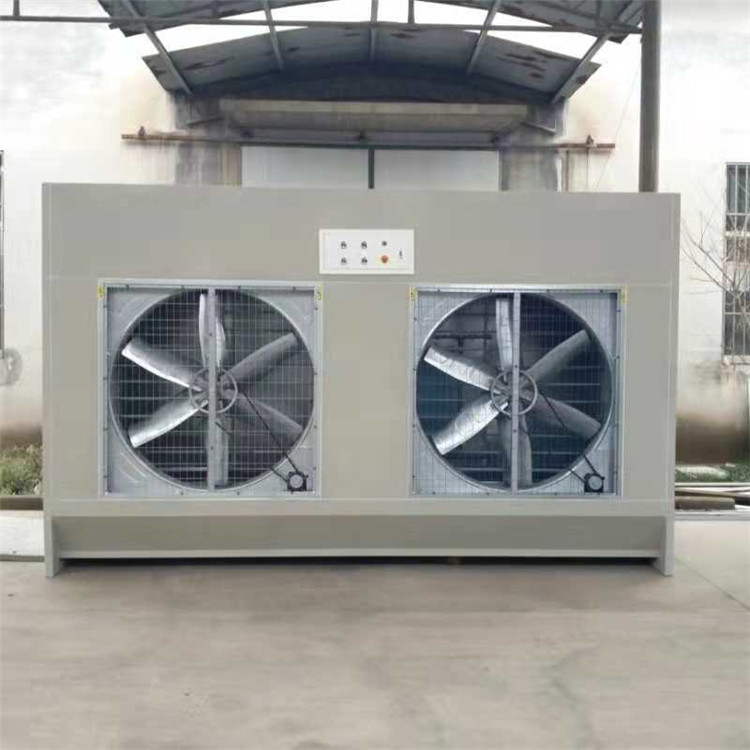
 Water-based Sanding Cabinet, Waterborne Dust Removal Equipment, Furniture Dust Treatment Equipment, Fan-Type Sanding Equipment
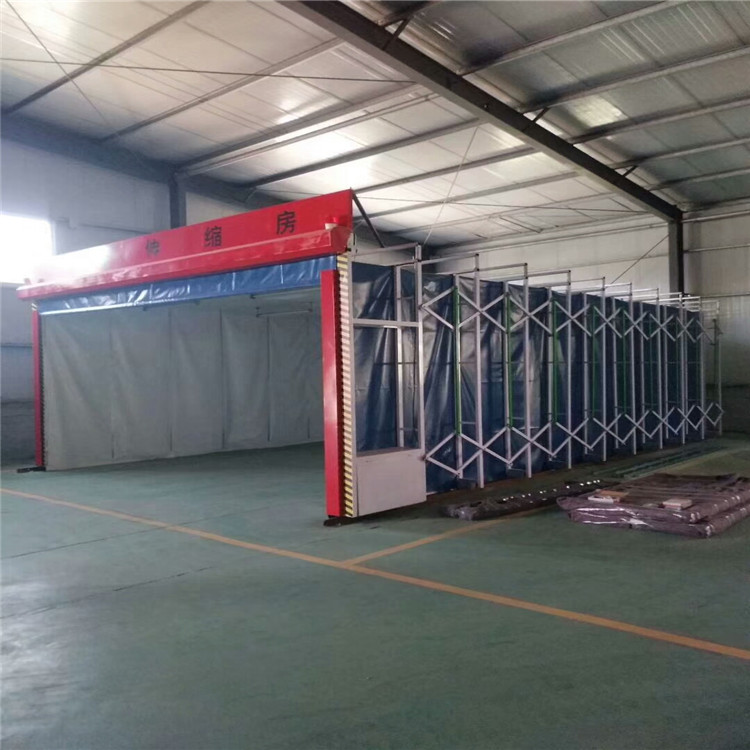 Long-term production and supply of mobile telescopic houses, portable paint booths, remote-controlled telescopic for easy operation
 Paint Spray Exhaust Treatment Equipment, Cyclone Tower, Cyclone Cabinet, Waste Gas Treatment
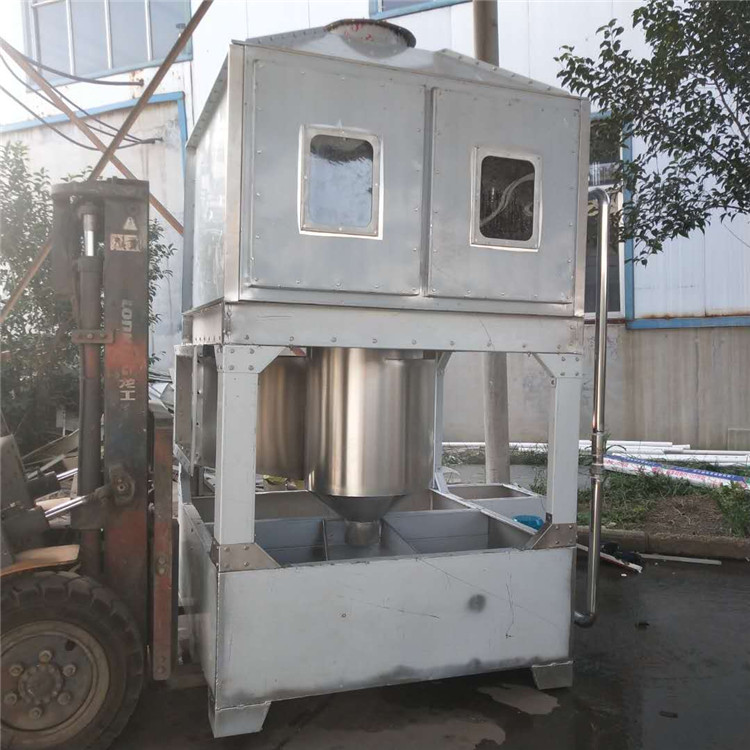 Turbulent Tower, Pneumatic Mixing Turbulent Tower, Dust and Oil Removal, Cooling, Environmental Protection Equipment
Product Details

Catalytic Combustion, Zeolite Wheel, Spray Booth, Mobile Extendable Cabin



产品Price 35000.00/Set
最小起订Quantity:1 Set 供货总Quantity: 100 Set


 Electrostatic Tar Trap | Wet-type Electrostatic Dust Collector | Fume Purification Equipment | Customized Equipment
¥18500.00
Electrostatic Tar Trap | Wet-type Electrostatic Dust Collector | Fume Purification Equipment | Customized Equipment
¥18500.00
 Offline Catalytic Combustion, Catalytic Combustion Environmental Protection Equipment, Activated Carbon Adsorption Equipment Manufacturer
¥99000.00
Offline Catalytic Combustion, Catalytic Combustion Environmental Protection Equipment, Activated Carbon Adsorption Equipment Manufacturer
¥99000.00
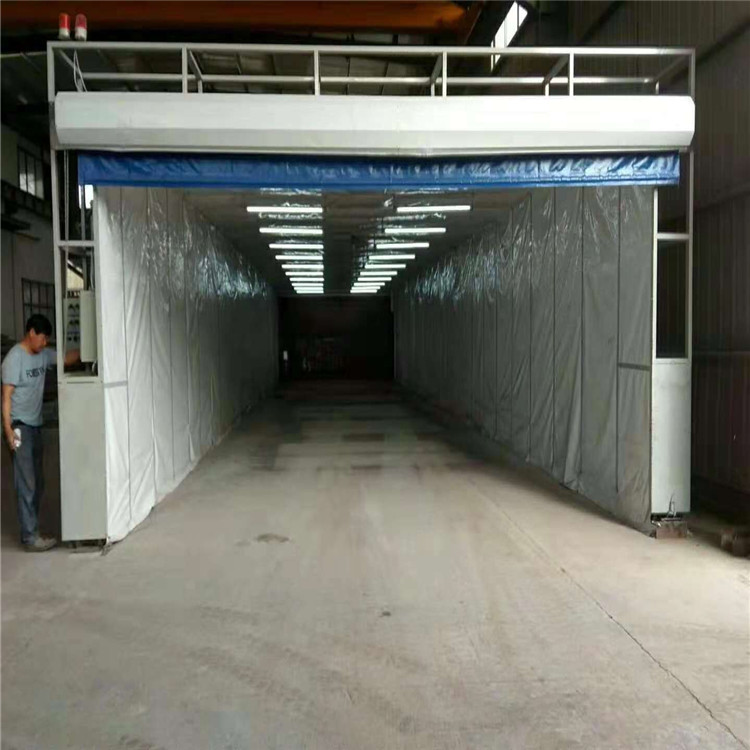 Portable Spray Paint Booth, Mobile Electric Spray Paint Booth, Full Mobile Rock Wool Panel Spray Paint Booth
¥9800.00
Portable Spray Paint Booth, Mobile Electric Spray Paint Booth, Full Mobile Rock Wool Panel Spray Paint Booth
¥9800.00
Coking Plant Emission Treatment, Catalytic Combustion, CO Catalytic Combustion This treatment process is widely applicable for the purification of low-concentration organic waste gases generated in industries such as petroleum, chemical, rubber, paint, coating, furniture, household appliances, and printing. It can process various organic substances including benzene, ketones, alcohols, ethers, and alkanes. The spray painting exhaust from the workshop is drawn by a fan through a duct and then pre-treated (via spray towers and dry filters). The gas, initially purified by a catalytic combustion unit, is then introduced into an activated carbon adsorption unit. The organic gases are adsorbed by the activated carbon, resulting in purified gas. The purified gas is then emitted through a chimney. In this process, there are 3 to 7 adsorption units, with one unit undergoing desorption while the others adsorb. The adsorption process can be continuously operated as needed. Once the adsorption units become saturated, they are switched to desorption mode using pneumatic valves. The electric heater and desorption fan within the catalytic bed are activated, and the high-concentration organic waste gases are sent to the catalytic combustion unit. Under the action of electric heating and catalysts, the organic substances in the gas are decomposed into CO2 and H2O gases, achieving purification. Advantages of catalytic combustion RCO waste gas treatment equipment Zhen Cheng Lian Chuang's environmental catalytic combustion can almost handle all waste gases containing organic compounds; it can process organic waste gases with large air volume and low concentration; it has great flexibility in handling organic waste gas flow (nominal flow rate 20%~120%); it can adapt to changes and fluctuations in the composition and concentration of VOCs in organic waste gases; and it is insensitive to a small amount of dust and solid particles carried in the waste gases. 1. Utilizes a combination of adsorption concentration and catalytic combustion processes. The entire system achieves a closed-loop cycle for purification and desorption, requiring no additional energy sources like compressed air compared to organic waste gas purification units of the recovery type. It does not produce secondary pollution during operation, and boasts low equipment investment and operating costs. 2. The equipment boasts advanced design principles, unique materials, stable performance, easy operation, safety, reliability, energy efficiency, and minimal effort, with no secondary pollution. 3. The equipment occupies a small footprint. 4. The catalytic combustion chamber uses precious metal catalysts embedded in ceramic honeycomb structures, offering low resistance and high activity. It can sustain self-ignition when the concentration of organic vapors reaches above 2000PPm.


