 High purity tin beads, ultra-fine spherical 1-3mm, high purity 4N-5N tin solder Sn pellets
 Indium beads 99.995% coated material high purity 4N5In珠 indium solder substrate indium granules
 High-purity Indium 99.999%-99.99999% Phosphide Indium Spheres for Semiconductor Materials
 Aerosol Bismuth Powder - 325 Mesh Ultrafine Bi Metal Powder, Atmosphere-Protected Low Oxygen, Lead-Free Refined Powder
Product Details


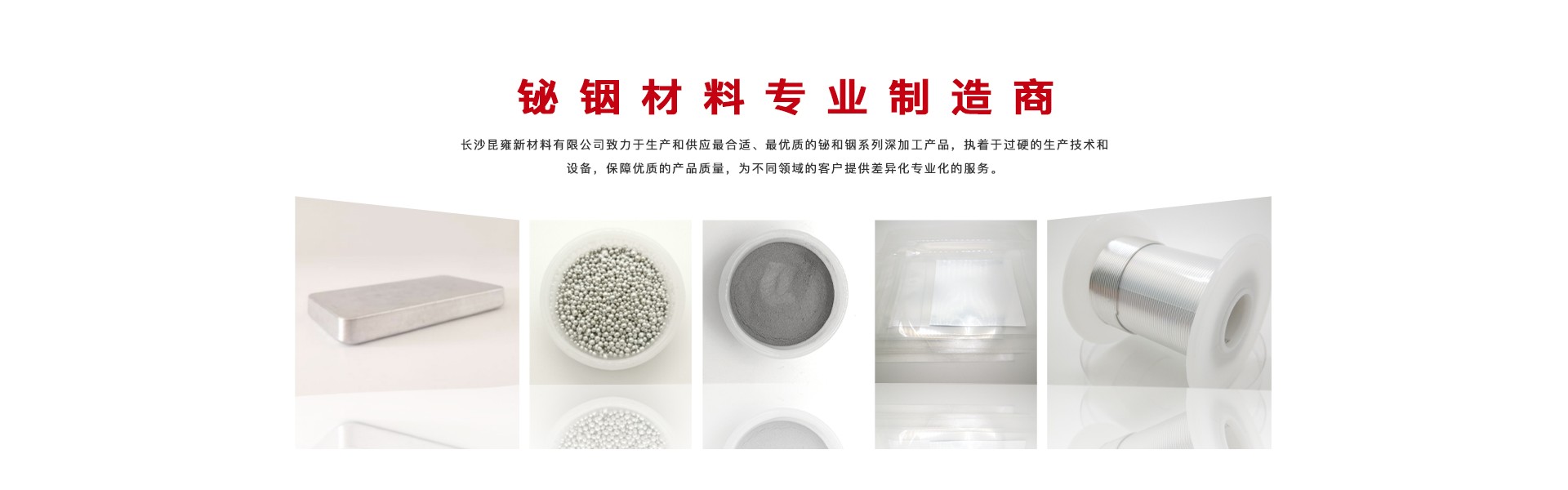


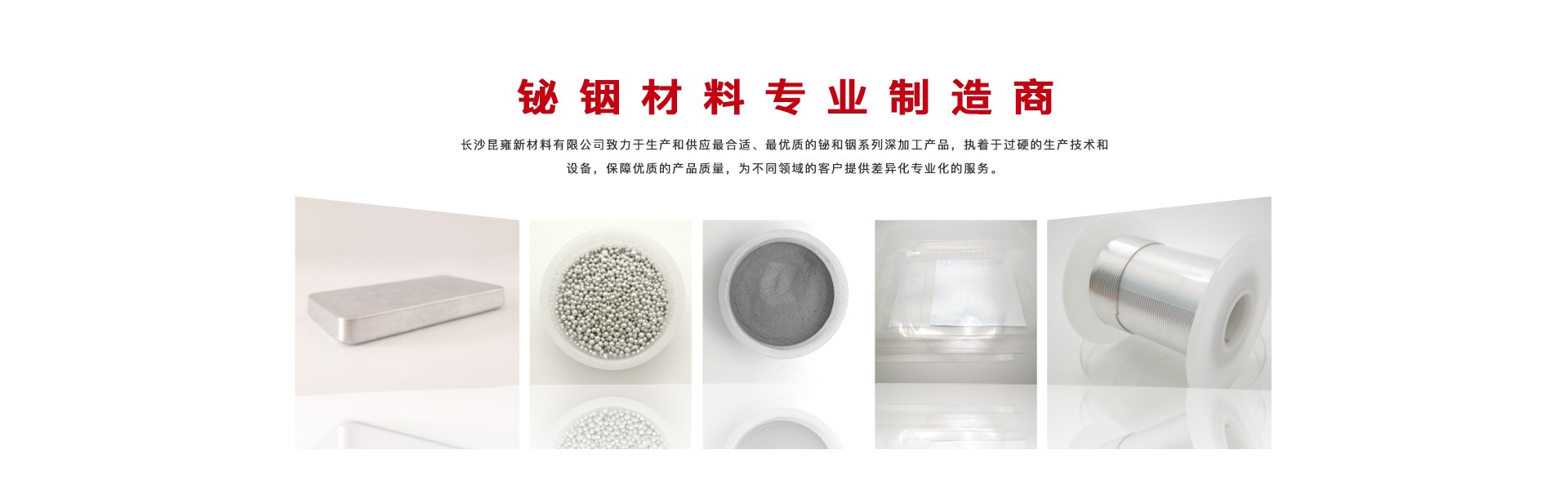
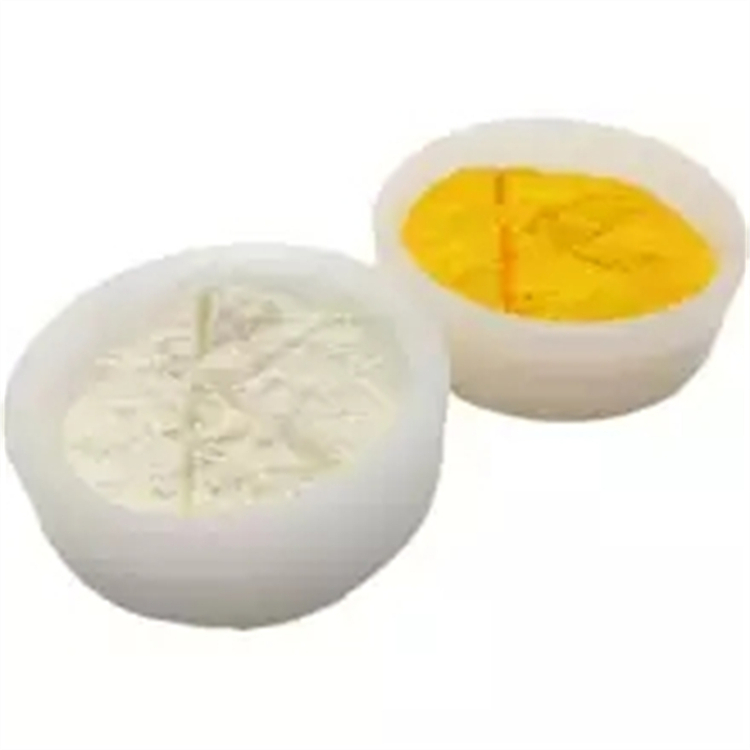
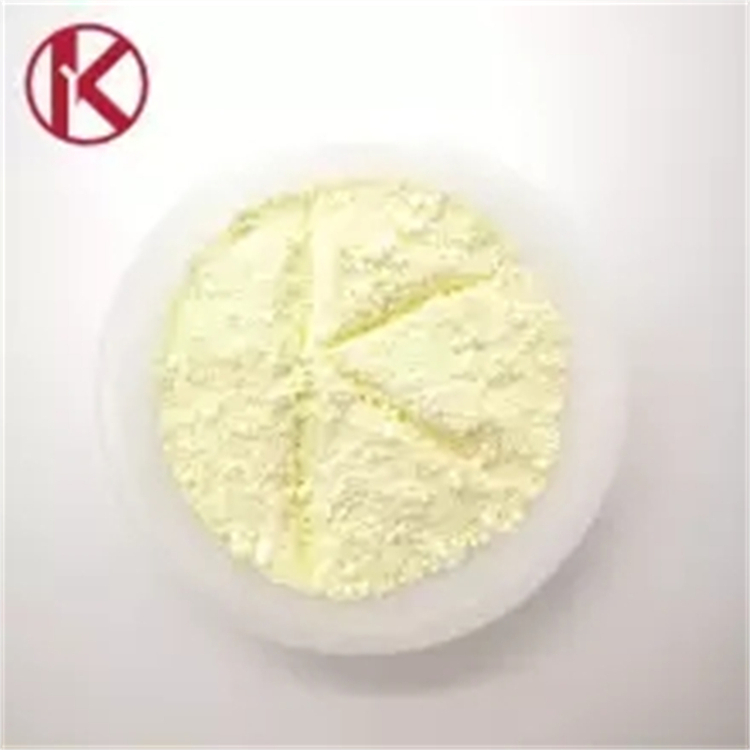
产品Price 85.00/kg
最小起订Quantity:24 kg 供货总Quantity: 10000 kg


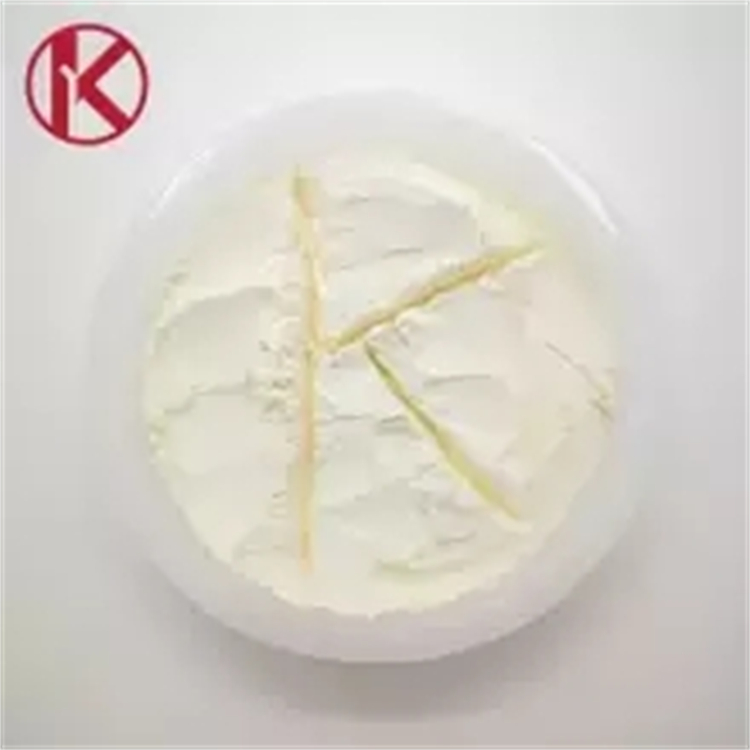 Cerium Oxide (CeO2) Ultrafine Powder 0.1-3μm, Polishing and Fine Grinding Material, High Purity Cerium Oxide
¥5.00
Nano-Bismuth Oxide 20-30nm Electronic Grade 99.99% Chlorine-Free Bismuth Trioxide
¥85.00
Cerium Oxide (CeO2) Ultrafine Powder 0.1-3μm, Polishing and Fine Grinding Material, High Purity Cerium Oxide
¥5.00
Nano-Bismuth Oxide 20-30nm Electronic Grade 99.99% Chlorine-Free Bismuth Trioxide
¥85.00
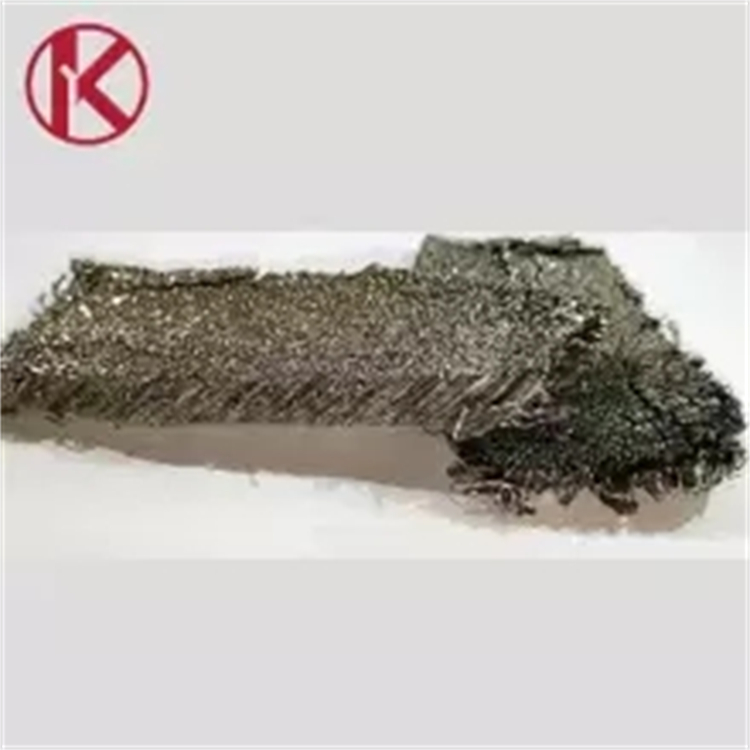 Scandium metal, Highly Purified Distilled 5NSc Scandium Aluminum Alloy, Target Material, Research Material Additive
¥30000.00
Scandium metal, Highly Purified Distilled 5NSc Scandium Aluminum Alloy, Target Material, Research Material Additive
¥30000.00
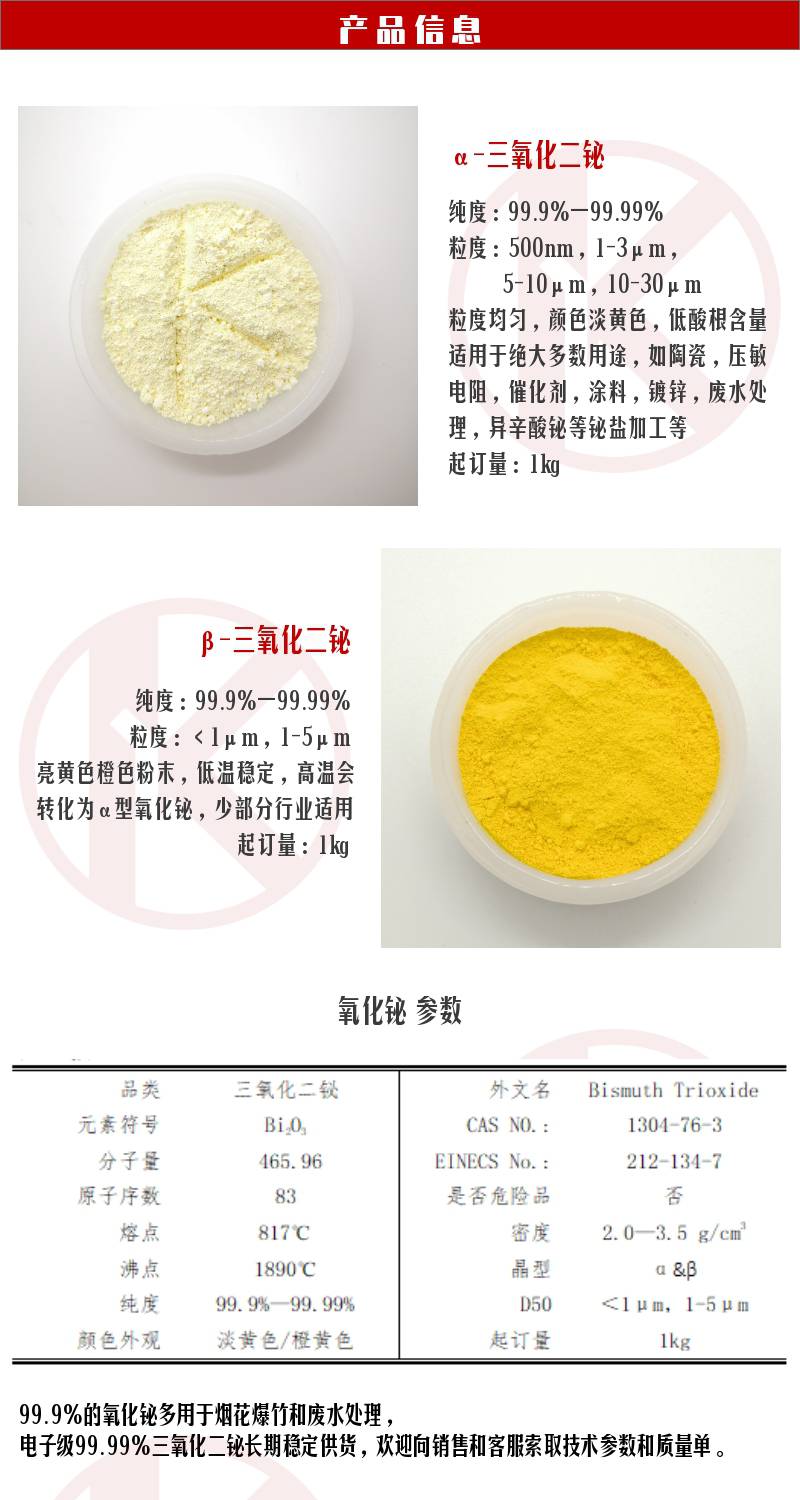
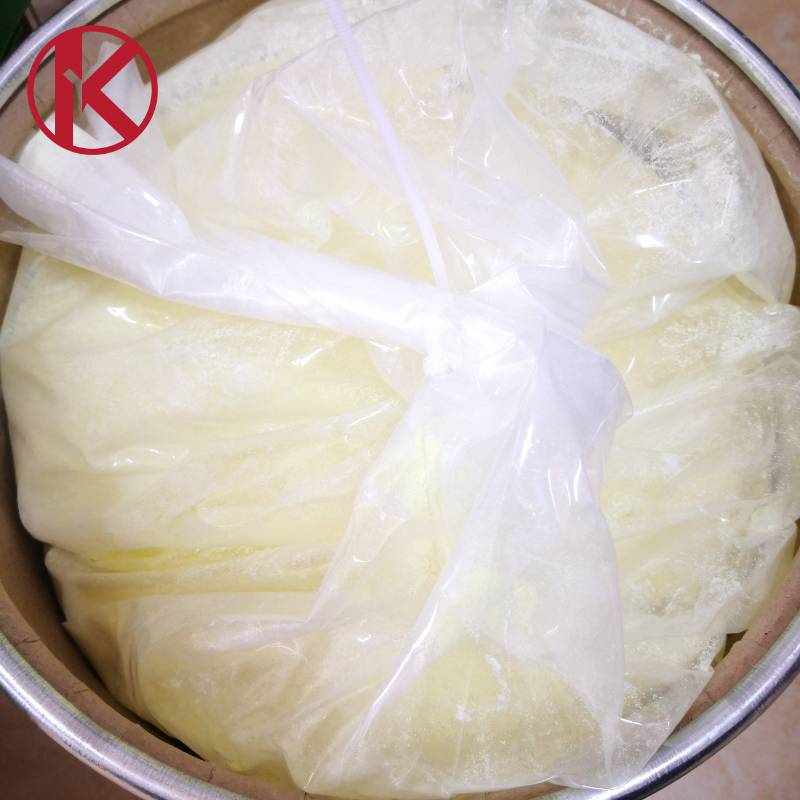
The preparation of bismuth trioxide typically involves two processes: dry and wet methods. Dry preparation of bismuth oxide mainly involves bismuth metal at high temperatures Oxidation, reacting with oxygen in the air to produce bismuth oxide; the dry process does not generate wastewater or waste. Prepared oxideChemical High purity bismuth, our products mainly utilize this process; Wet process refers to the preparation of bismuth oxide through chemical methods, and there are various wet process techniques. Generally, the bismuth metal needs to be first converted into bismuth nitrate, and then transformed into various bismuth salts, followed by a series of precipitation and crystallization processes. After washing, filtering, heating and calcining, as well as sieving and grading, different purity and characteristics of bismuth oxide are produced. There are many methods for preparing bismuth oxide nanoparticles, primarily solid-state and liquid-phase methods. Currently, the solid-state method is predominantly used for the reaction process. Available for nano-bismuth oxide; prepared by mixing two or more bismuth salts in solid form with other reagents at room temperature, then grinding and calcining. To nano bismuth oxide powder. There are other processing methods for nano bismuth trioxide powder on the market, such as coprecipitation method, hydrothermal synthesis FranceMicroemulsion method, sol-gel method, etc., each of these processes has its own advantages and disadvantages. The product characterization features have slight differences. WelcomeExplore. Bismuth oxide is primarily used in the chemical industry, glass industry, and electronics industry, with the electronics industry being a key application for bismuth oxide. Our industry is primarily used in the fields of pressure-sensitive electronics, thermistors, oxide lightning arresters, and cathode ray tubes. This Fluorescent, hydrophobic, with high refractive index and dielectric constant, bismuth suboxide is a material with great potential. Visible light catalyst for the degradation of wastewater pollutants, suitable for producing molybdenum-bismuth catalysts, yttrium-bismuth catalysts, and combustion rate accelerators Catalyst. Additionally, bismuth oxide can replace lead in the ceramic glaze industry, serving as a good ceramic alternative. Please provide the Chinese content to be translated.Dyes, plastic flame retardants, glass additives. Bismuth oxide nanoparticles, in addition to the properties of general particle size bismuth oxide powder, In addition to its primary uses, it has broad application prospects in optical materials, superconductive materials, and special functional ceramic materials.