
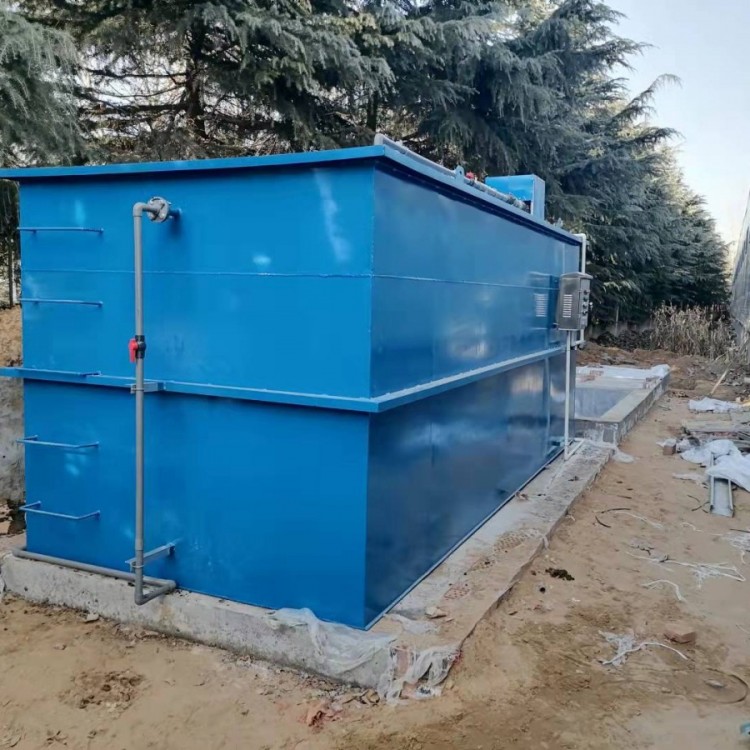
 Integrated Wastewater Treatment Equipment
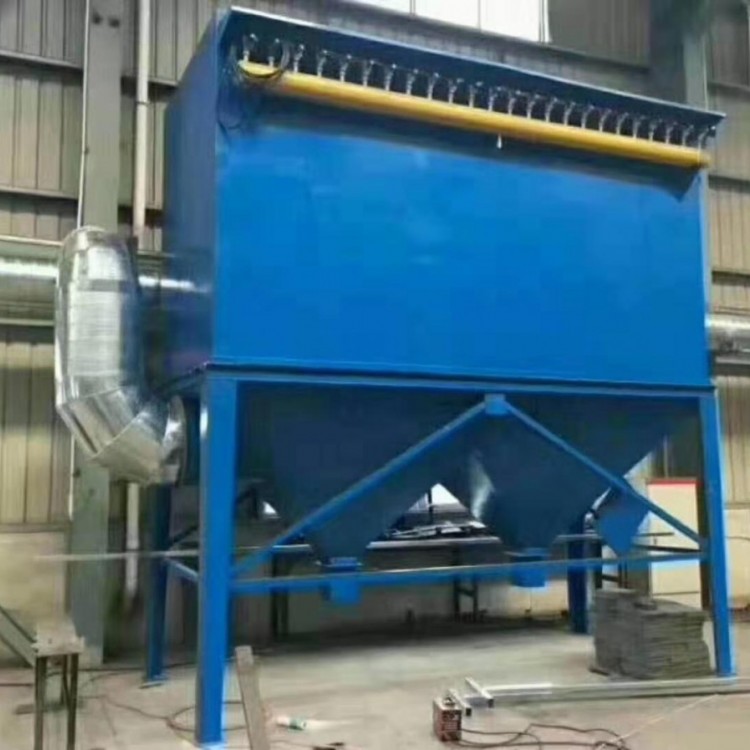 Baghouse dust collection equipment
 Wastewater Treatment Equipment
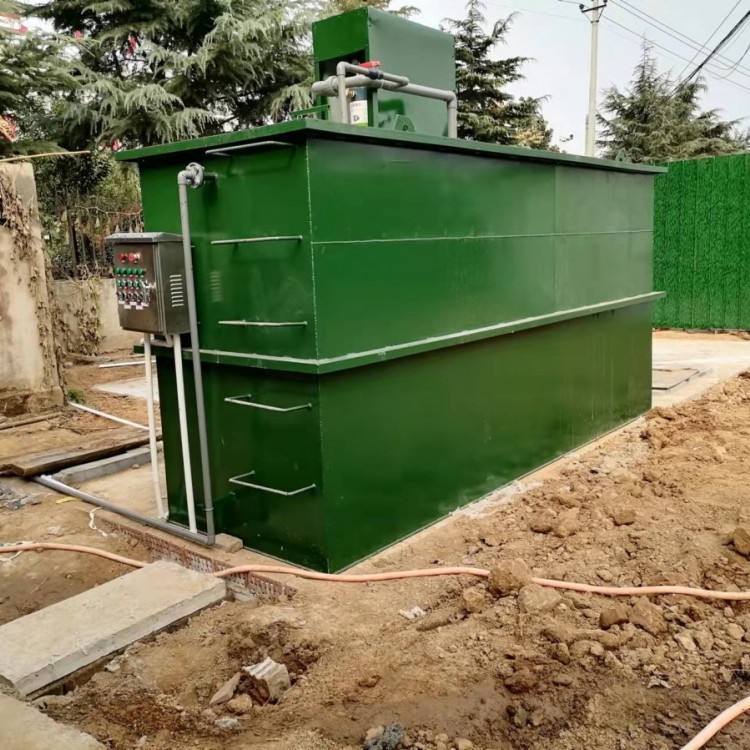 Wastewater Treatment Equipment Pricing
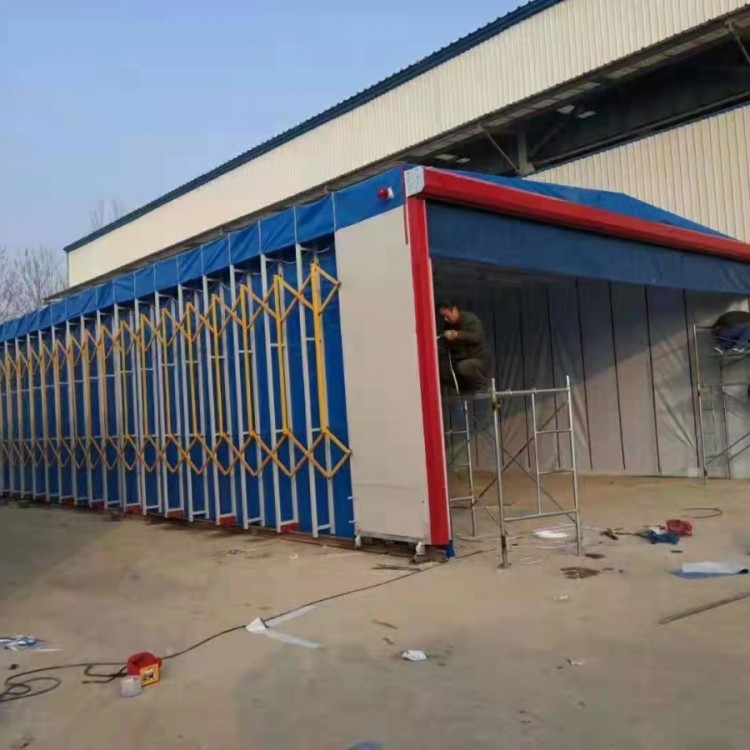 Eco-friendly paint spray booth
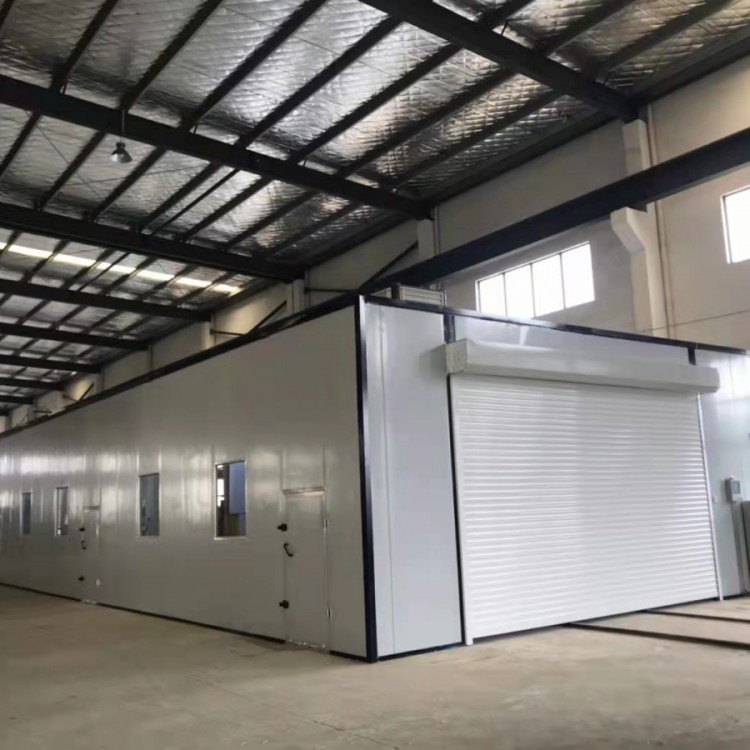 Portable Extendable Paint Booth
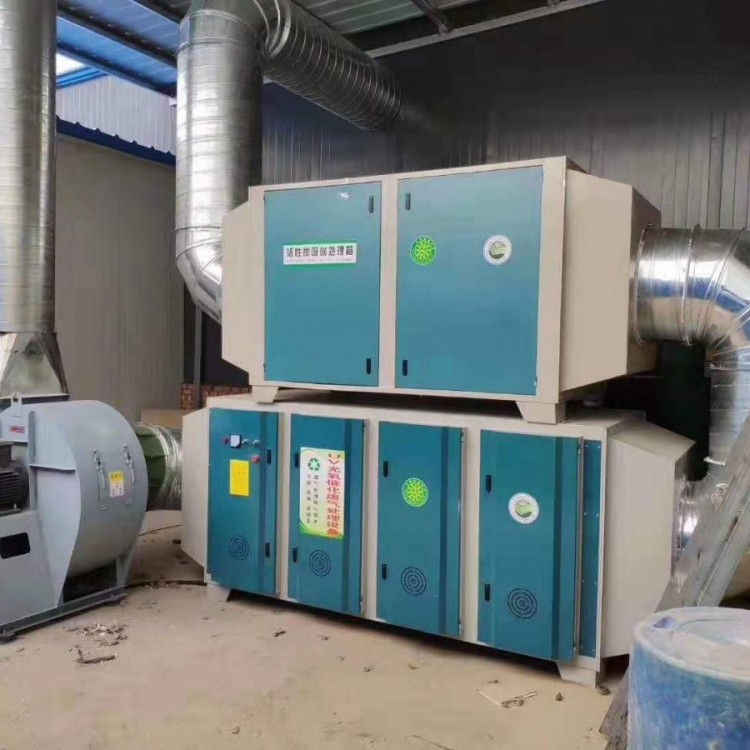 Photocatalytic oxidation integrated machine
Product Details

Automated伸缩 housing, dust removal equipment, integrated wastewater treatm...

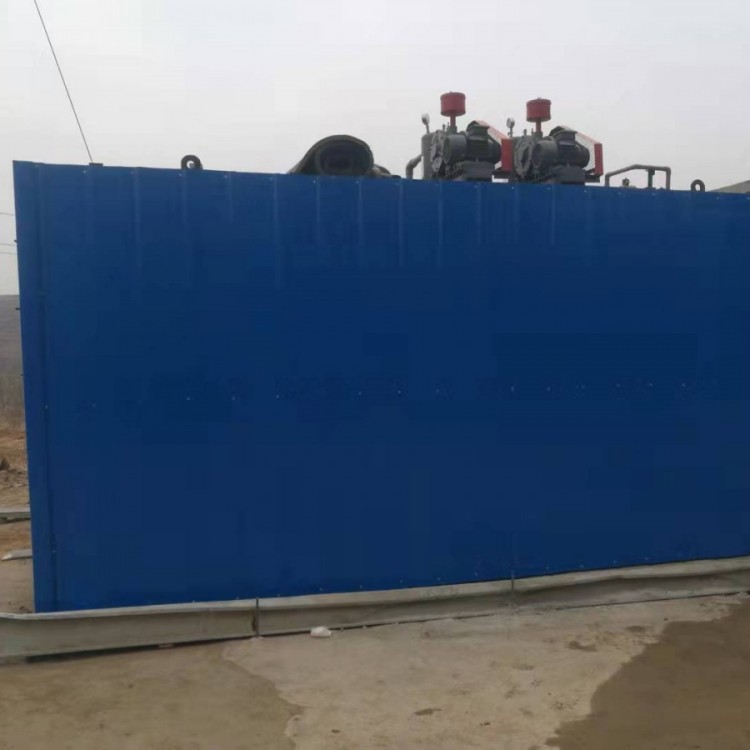
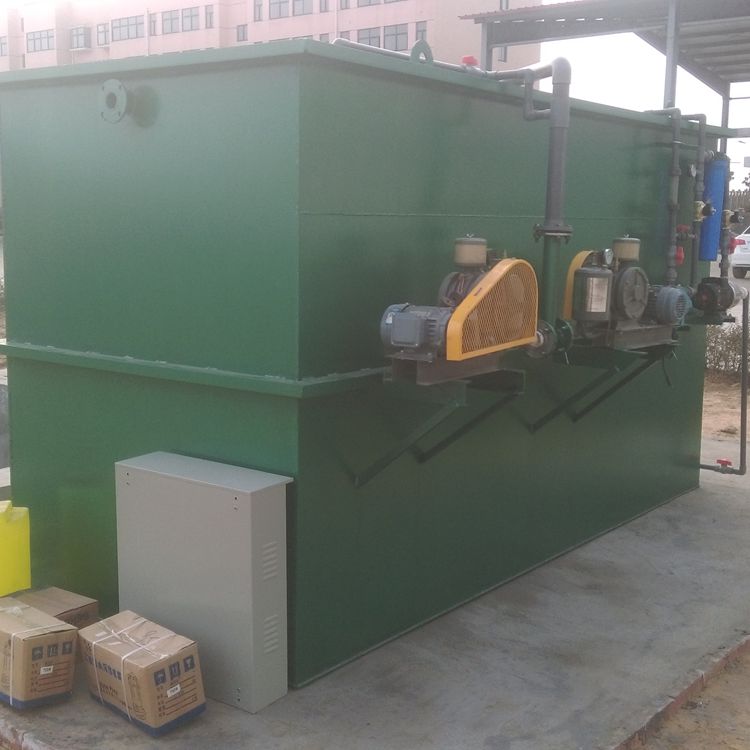
产品Price 10.00/Tai
最小起订Quantity:1 Tai 供货总Quantity: 999999 Tai


The substances contained in wastewater from the food industry are numerous, with the main pollutants including suspended oils and fats, suspended solids, dissolved substances, organic matter, and pathogens. Common food industry wastewater includes materials such as meat processing, vegetable leaves, fruit peels, beverages, and soy products. If wastewater generated during food processing is discharged without proper treatment or fails to meet standards, it can lead to river pollution and fish mortality, causing the organic matter at the bottom of the water to emit foul odors, the water to turn black, and the environment to be polluted. Food wastewater water characteristics: 1. High nitrogen content in wastewater, during meat and bean processing, nitrogen and COD are produced from the protein, and the processing of meat tends to increase nitrogen levels in the wastewater. 2. High concentration of waste water, based on our experience in analyzing and treating waste water from various food processing industries, the COD concentration of food waste water typically ranges from thousands to tens of thousands of mg/L. High oil content; in the meat processing and oil processing industries, a large amount of oil is produced during the production process. 4. The wastewater contains various microorganisms and pathogens, leading to easy discoloration and odor. Common Wastewater Treatment Methods: Physical, Biological, Chemical Food waste treatment equipment The production wastewater contains pollutants such as COD and ammonia nitrogen. Based on the characteristics of the wastewater, and considering its properties, the production wastewater is treated using oil separation + grille + air flotation + A2O + coagulation and sedimentation, before being discharged. Process Features: 1. Stability: Mature and reliable processing flow ensures stable and compliant effluent after treatment. 2. Advancement: Advanced processing technology, strong overall facility integrity. 3. Reliability: Once the processing station is established, it is convenient for operation and management, simple to operate, and easy to get started. 4. Cost-effectiveness: Opt for minimal investment and low operating costs. 5. Overall Coordination: The process is coordinated and optimized for the surrounding environmental conditions.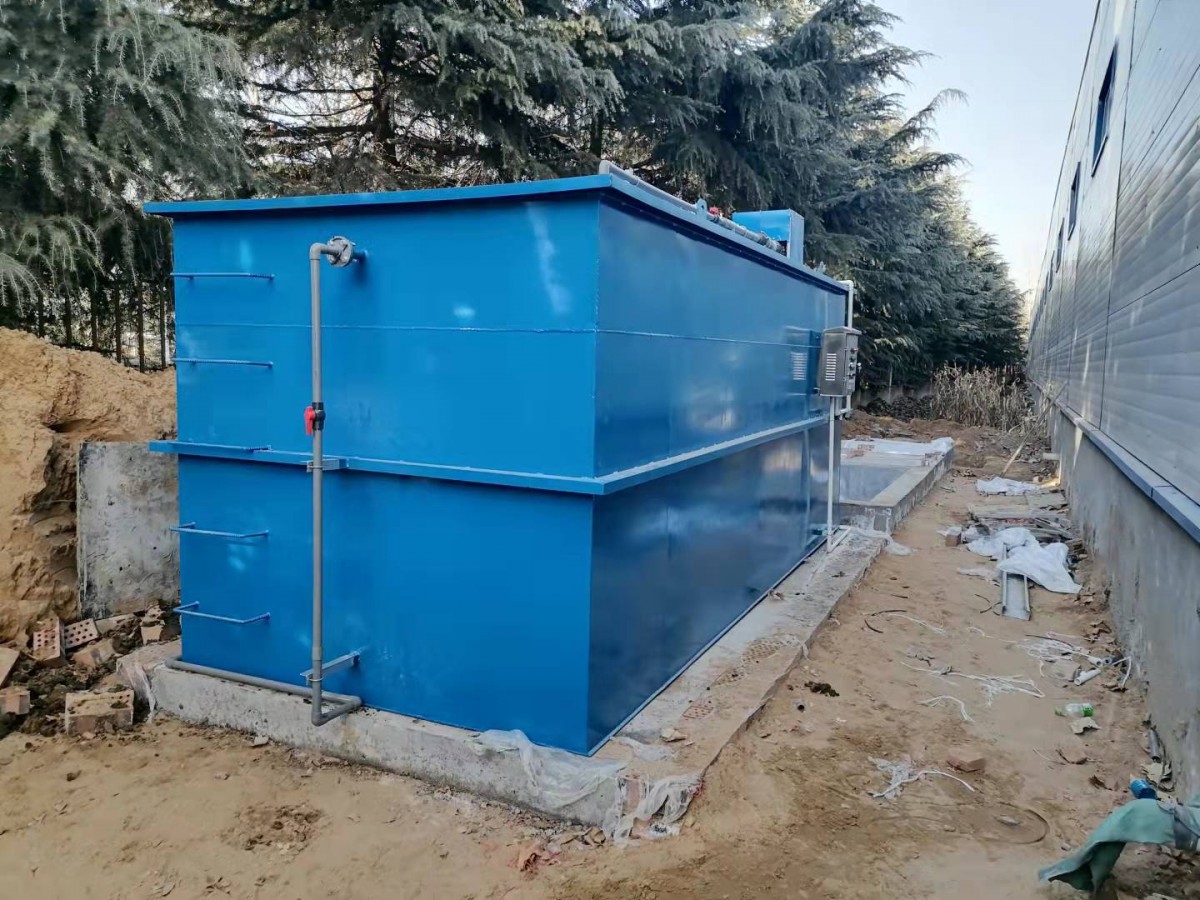

Phone Consultation
QQ Service