
 Integrated Wastewater Treatment Equipment
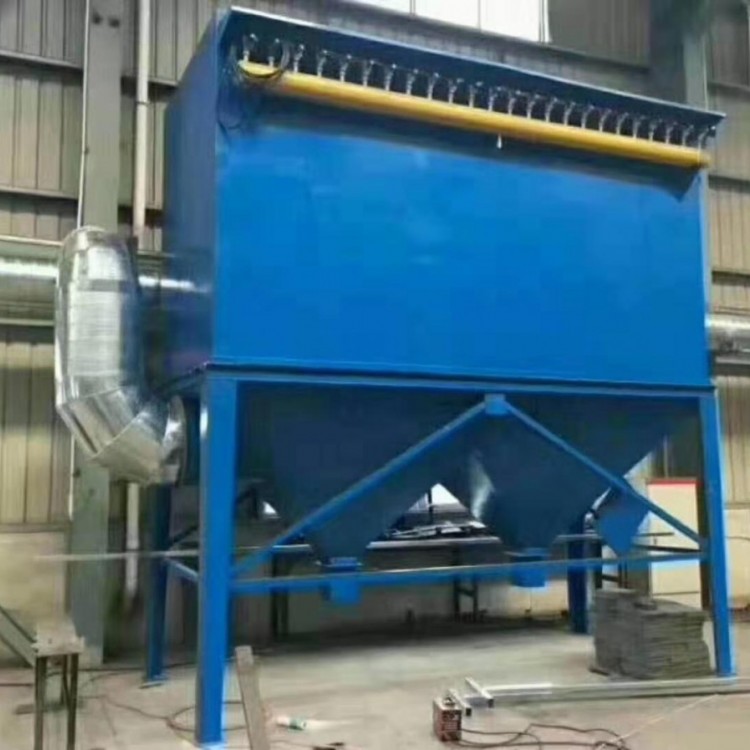 Baghouse dust collection equipment
 Wastewater Treatment Equipment
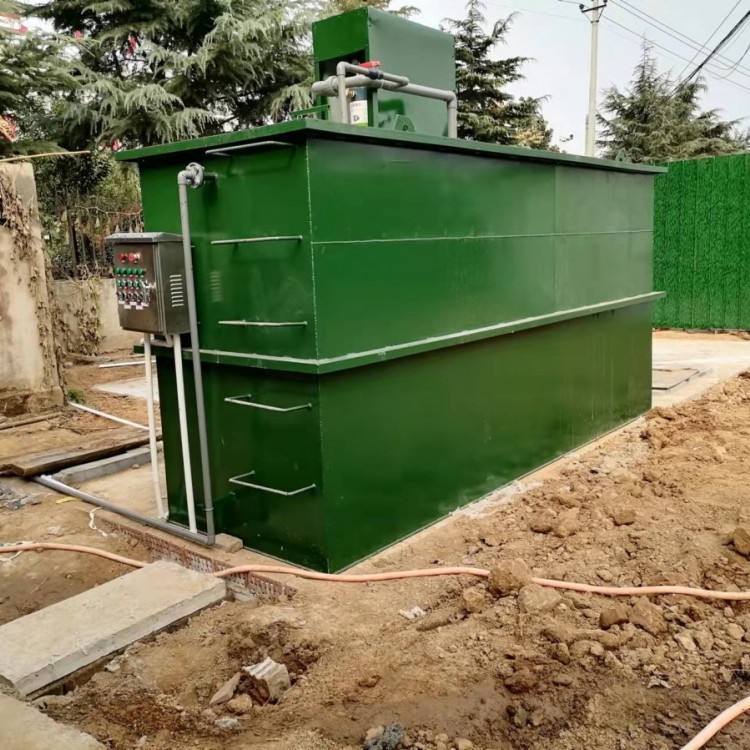 Wastewater Treatment Equipment Pricing
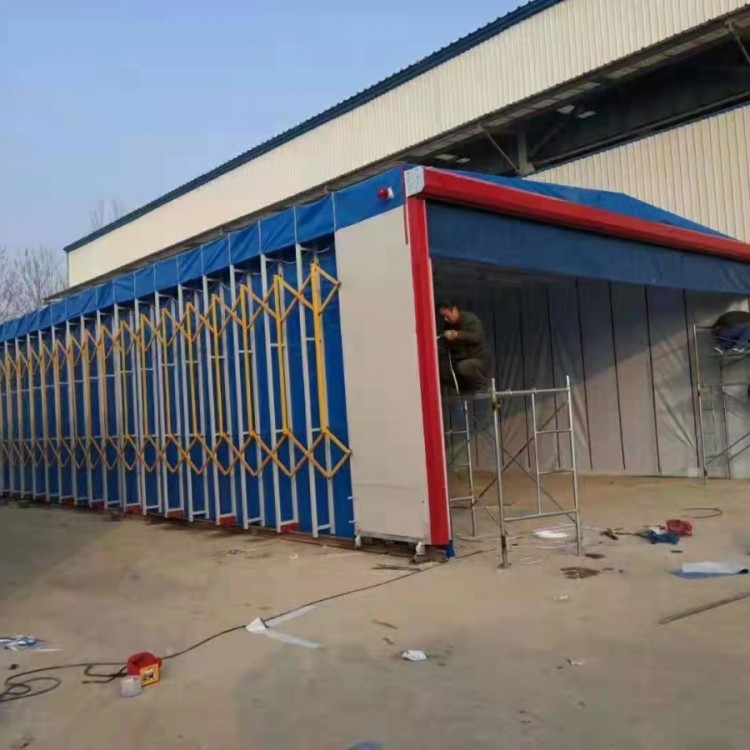 Eco-friendly paint spray booth
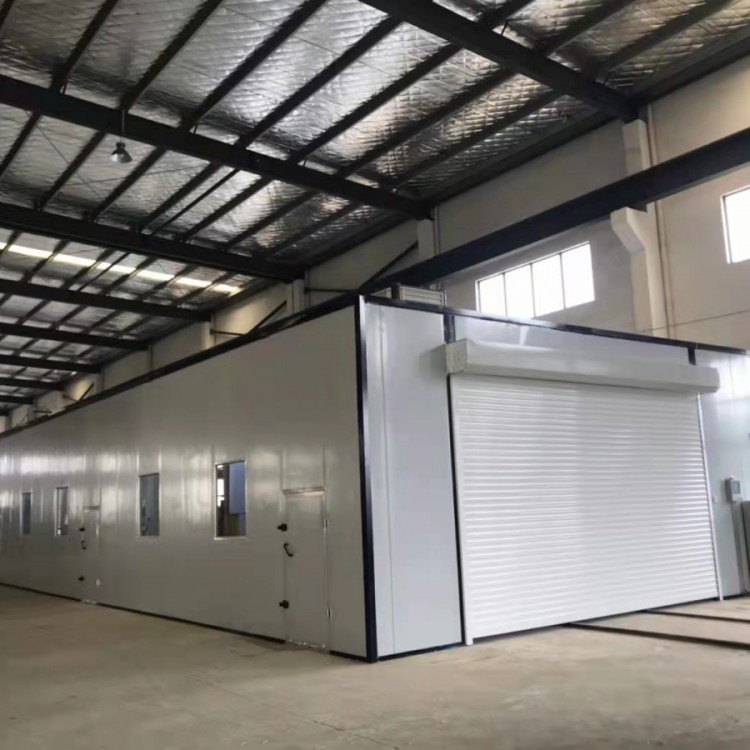 Portable Extendable Paint Booth
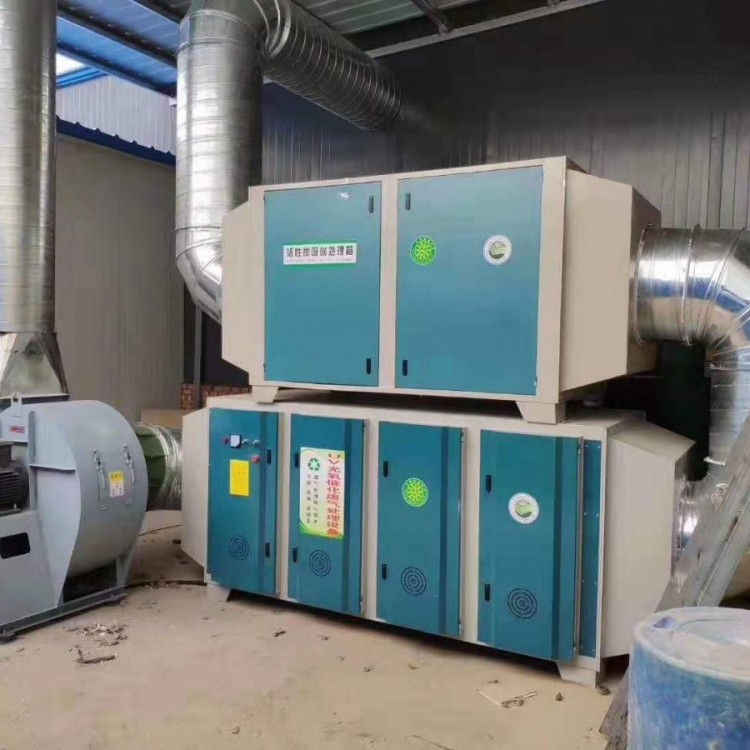 Photocatalytic oxidation integrated machine
Product Details

Automated伸缩 housing, dust removal equipment, integrated wastewater treatm...


产品Price 10.00/Tai
最小起订Quantity:1 Tai 供货总Quantity: 999999 Tai


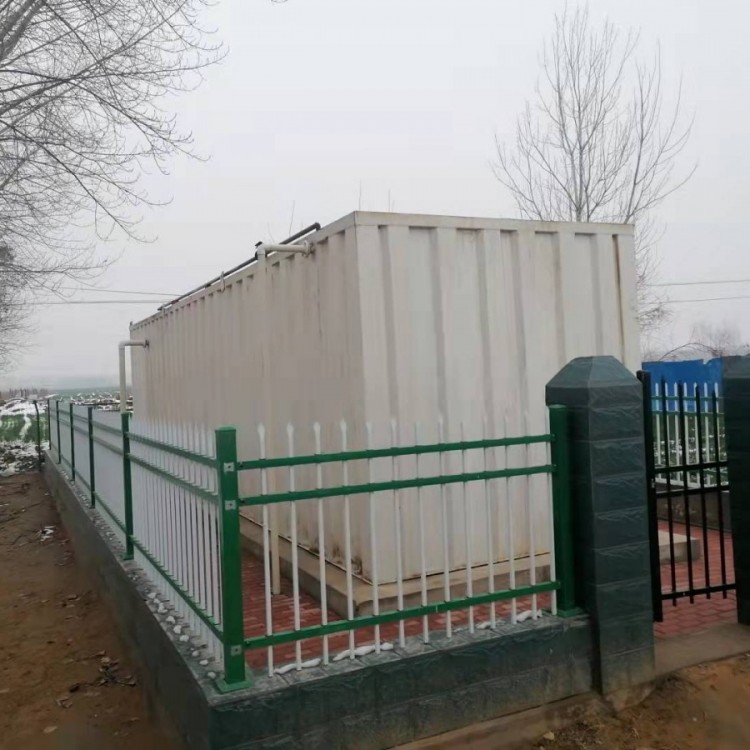
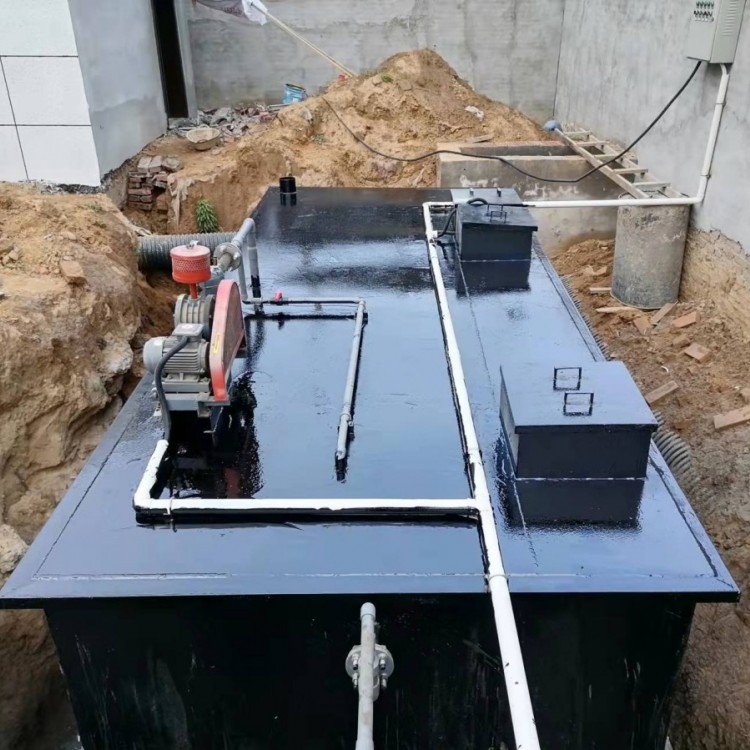
Overview With the rapid development of China's tourism and real estate industries, hotels and villa communities are springing up, often far from urban sewage treatment plants, posing inconvenience for centralized treatment of domestic wastewater. To protect the environment and benefit future generations, our company has designed the WSZ-AO series of buried complete organic wastewater treatment systems. This equipment employs the world's most advanced biological treatment technology, integrating the removal of BOD5, COD, and NH3-N. It is currently one of the best wastewater treatment systems. It is widely used in the domestic wastewater treatment of hotels, villa communities, and residential complexes. Field applications have shown that the WSZ-AO series wastewater treatment systems are highly effective and easy to manage. Working Principle The WSZ-AO series of wastewater treatment equipment primarily relies on the AO biological treatment process within the equipment to remove organic pollutants and ammonia nitrogen. Under anaerobic conditions for Class A microorganisms, they are facultative microorganisms that convert organic ammonia in wastewater into NH3-N, simultaneously using organic carbon as an electron donor to transform NO2-N and NO3-N into N2, and also utilize organic carbon sources and NH3-N to synthesize new cells. Not only do they possess organic matter removal capabilities, but they also rely on the organic matter in the raw water to complete denitrification, ultimately eliminating nitrogen pollution. The O-level aerobic biological contact oxidation pond is set up, primarily containing aerobic microorganisms and nitrifying bacteria. It decomposes organic matter into CO2 and H2O, while also performing nitrification. The nitrifying bacteria decompose organic matter into inorganic carbon and water, eliminating carbon source pollution, and converting NH3-N in the wastewater into NO2-N and NO3-N. A portion of this is recycled back to the A-level pond, where denitrification ultimately eliminates nitrogen pollution.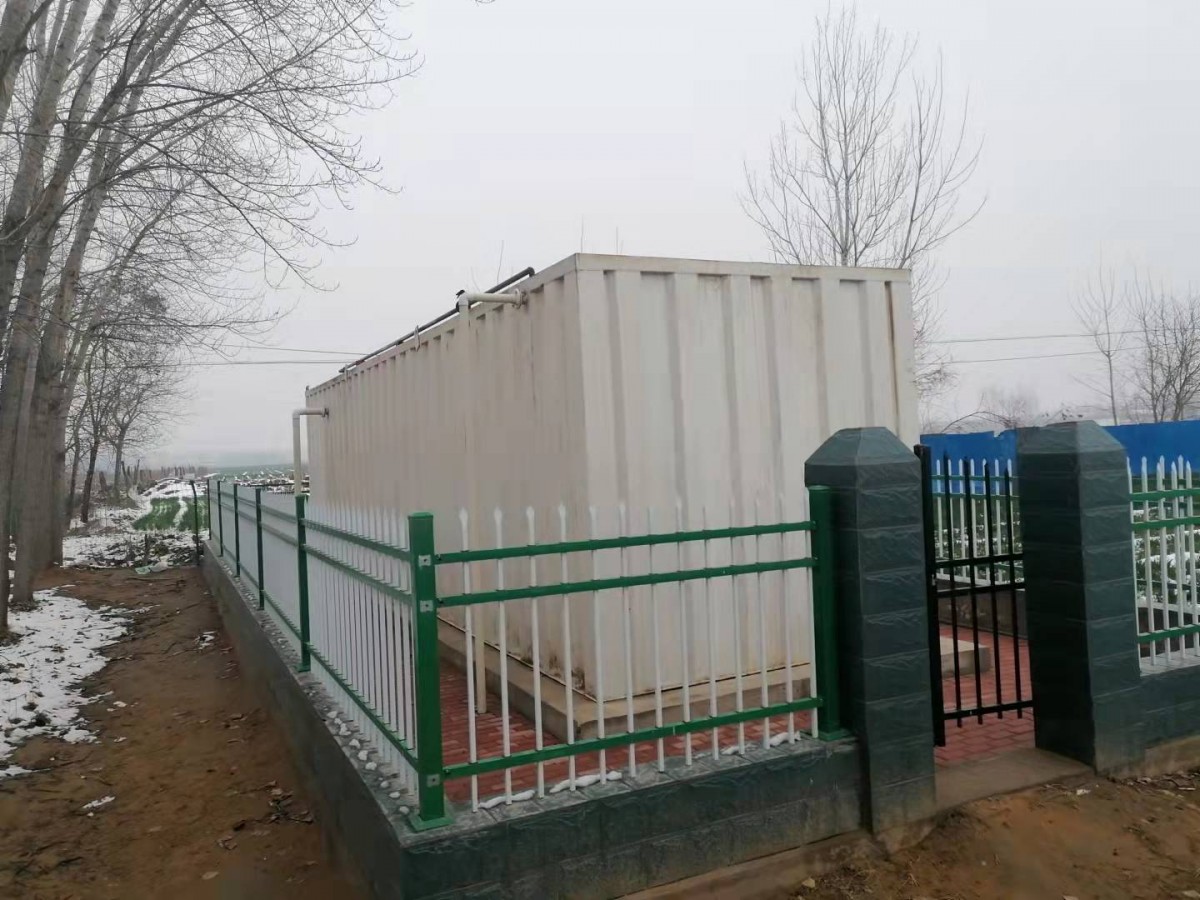

Phone Consultation
QQ Service