
 Water Level Indicator Model XW-1, Xuzhou Weisi Water Level Monitoring Instrument
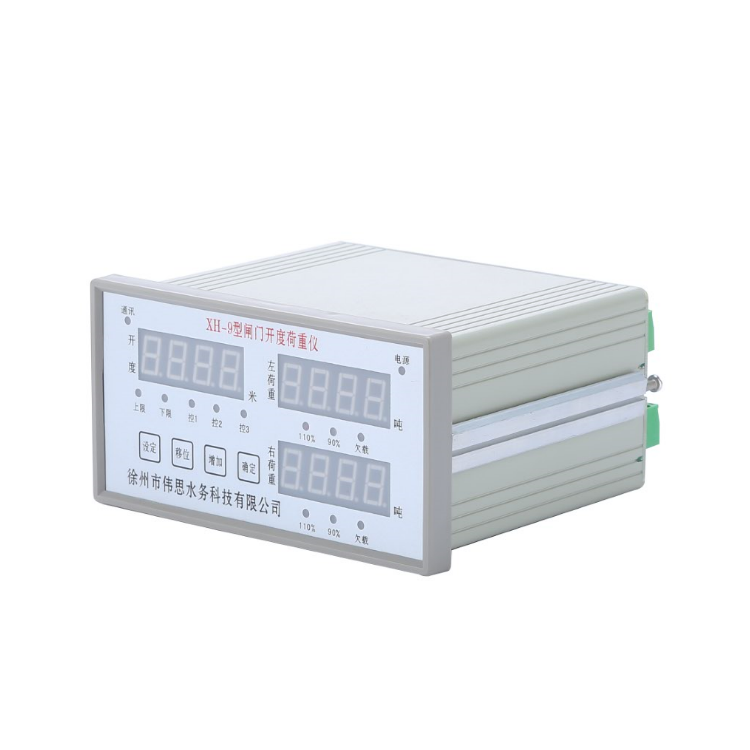 Xuzhou Weisi Gate Opener XH-9 Type Gate Opener Load Gauge -- Load Measurement and Control Instrument
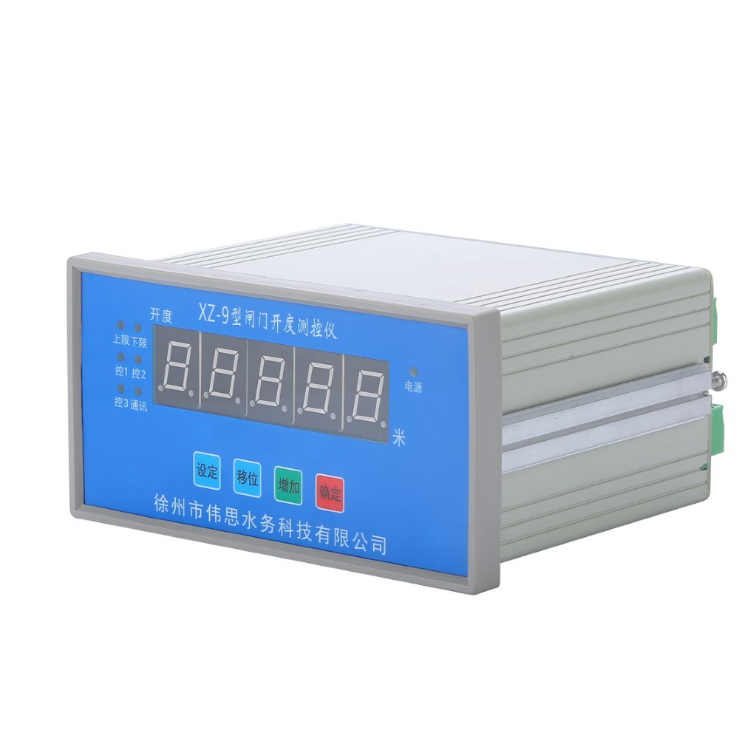 XZ-9 Type Gate Opening Gauge -- Gate Opening Measurement and Control Instrument
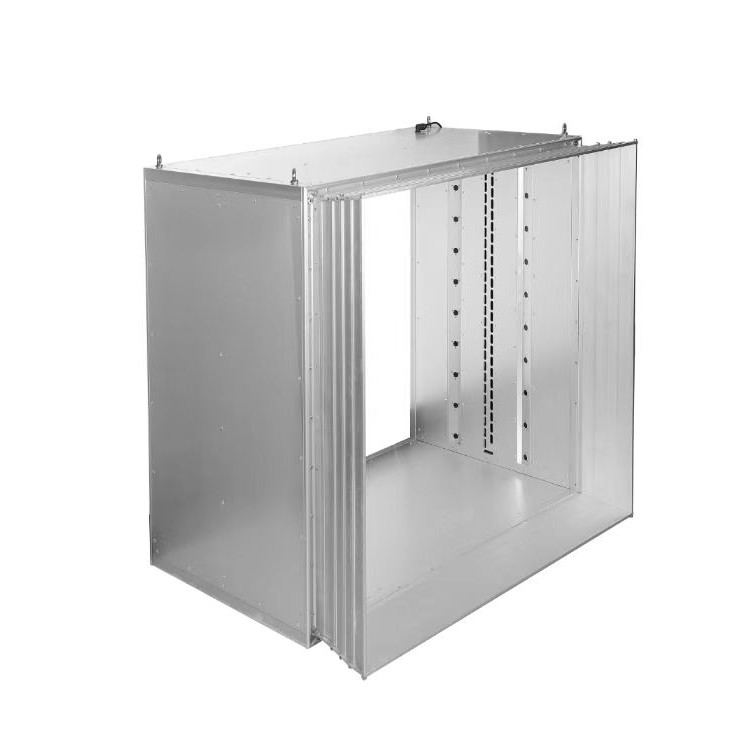 Tangent Flow Meters, LSC Series Box Type Tangent Flow Meters, Flow Meters
Product Details

Hydrological Instruments, Other Meteorological Instruments, Safety Equipment,...


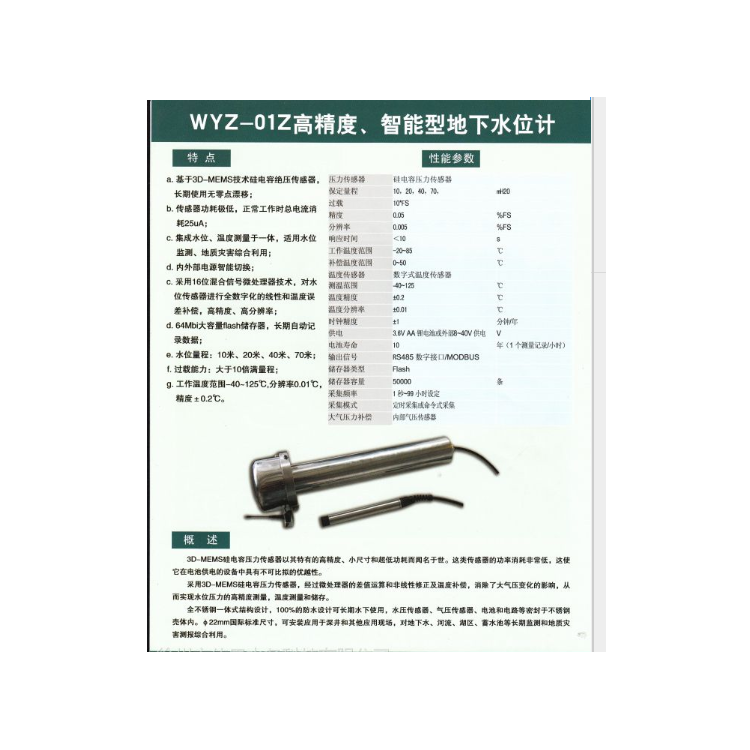
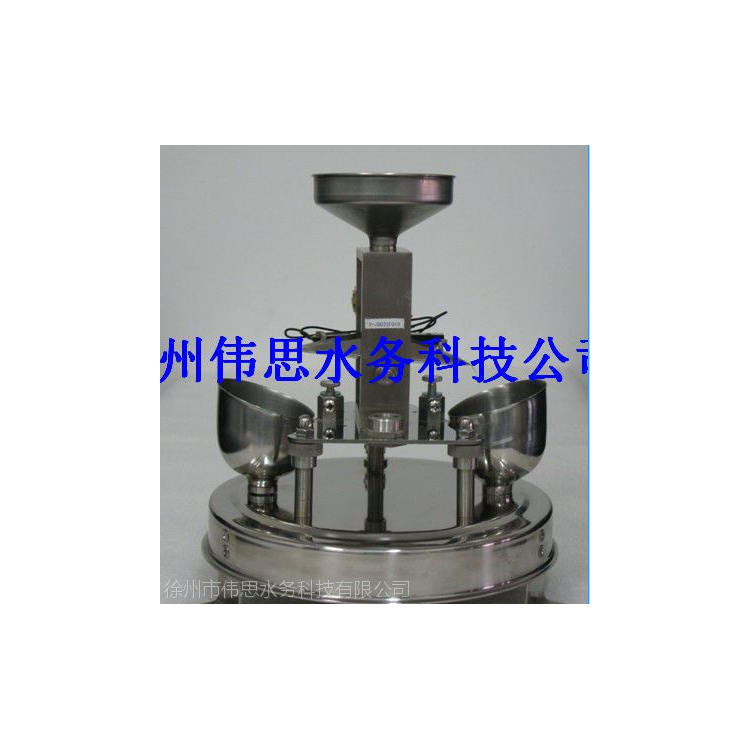
产品Price 2000.00/Tai
最小起订Quantity:1 Tai 供货总Quantity: 10000 Tai


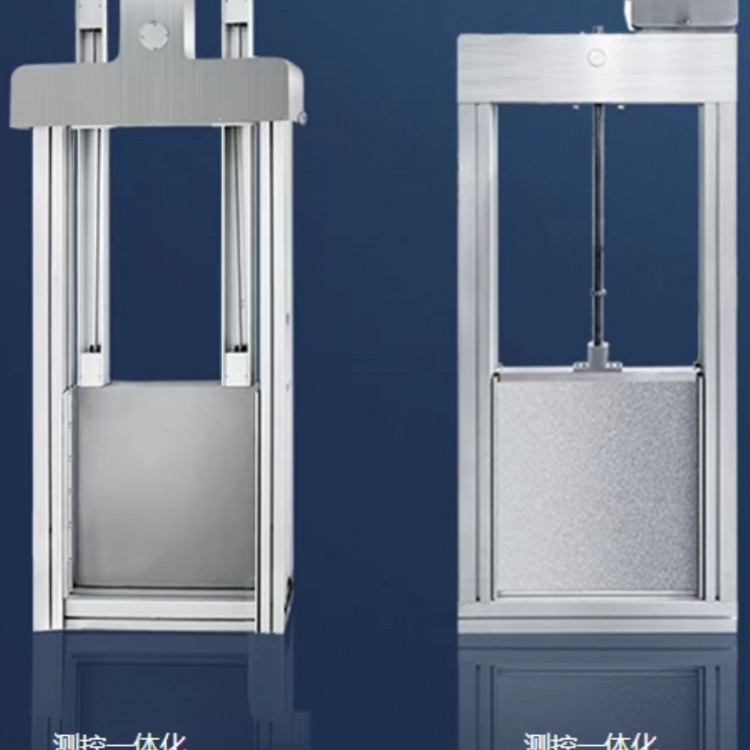 Integrated Control Gate, Wuxiu Wesi Integrated Control Gate, Integrated Control Gate Manufacturer
¥5000.00
Integrated Control Gate, Wuxiu Wesi Integrated Control Gate, Integrated Control Gate Manufacturer
¥5000.00
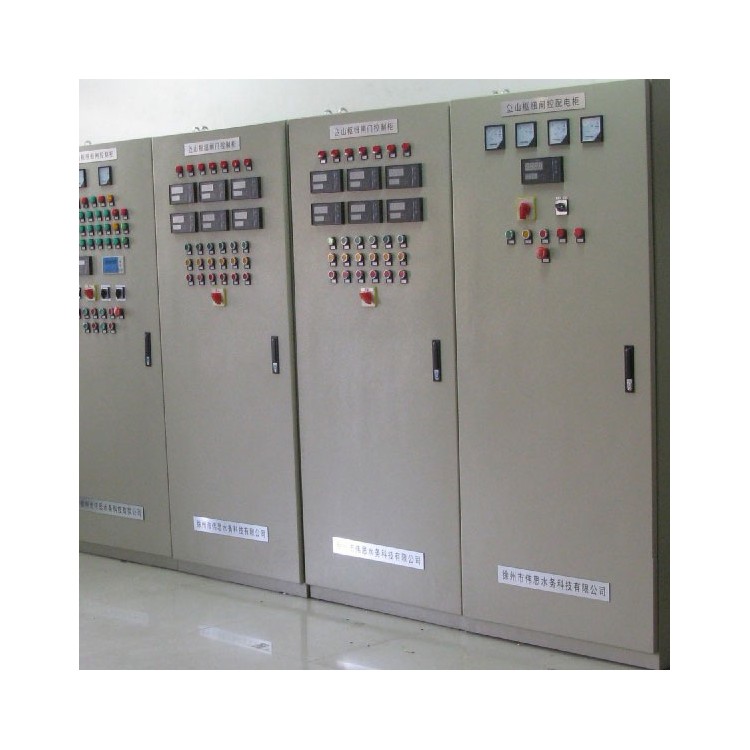 Gate Monitoring System, Xuzhou Weisi Gate Monitoring System, Gate Monitoring System Manufacturer
¥5000.00
Integrated Control Gate, Xuzhou Weisi Integrated Control Gate, Integrated Control Gate Manufacturer
¥5000.00
Gate Monitoring System, Xuzhou Weisi Gate Monitoring System, Gate Monitoring System Manufacturer
¥5000.00
Integrated Control Gate, Xuzhou Weisi Integrated Control Gate, Integrated Control Gate Manufacturer
¥5000.00
Overview - Xuzhou Weisi, Liu Dongjie 13013989526 1.1 This instrument conforms to national standards.GB/T11828.1-2002Part 10 of Hydrological Survey Instruments Buoy-type Water Level Gauge is required for design and manufacturing. The instrument maintains excellent measurement accuracy and operational stability in environments with high water level fluctuations and severe surges, particularly suitable for use in hydrological stations, reservoir stations, lock and dam stations, remote sensing stations, hydropower stations, and tidal stations. 1.2 This instrument is composed of a value-encoded water level encoder, water level wheel display, float, suspension cable, balancing weight, communication interface, and other components. It is an independent water level observation and measurement instrument that can also be connected with an electric display, gate opening gauge, and gate control system to form a computer display and control system (such as lock gates, hydropower stations, pumped storage power stations, agricultural irrigation systems, water supply and drainage systems, etc.); configurationRS485Water level gauges with communication interfaces, which can be directly connected to communication equipment and computers to form a hydrological automatic measurement and reporting system, are widely used to equip various types of water level stations. 1.3 The instrument is designed and manufactured using the national new-type surge protection patent technology, effectively preventing slippage between the measuring cable and measuring wheel in surge conditions, ensuring stable and reliable operation. It features power failure memory function, resistance to strong electromagnetic interference, and no temperature or zero-point drift. 1.4 This instrument is suitable for inner diameter≥25Fine bore wells in centimeters and general well logging applications. Working Principle 2.1 This instrument is composed of parts such as a float, suspension rope, balancing weight, water level wheel, water level encoder, display, roller pressure wheel assembly, and output socket, as shown in the figure.1As shown. Image1 Operating Principle The instrument detects water level changes with a float sensor. In operation, the float, balancing weight, and suspension cable are securely connected, with the suspension cable hanging from the water level wheel’s “VThe balance hammer tightens the suspended cable and provides balancing action. Adjusting the buoy's weight allows it to operate at the normal draft level. With the water level unchanged, the forces on both sides of the buoy and the balance hammer are balanced. As the water level rises, the buoy generates an upward buoyancy, pulling the balance hammer to rotate the water level wheel clockwise, increasing the reading on the water level encoder. Conversely, when the water level falls, the buoy sinks, pulling the suspended cable to rotate the water level wheel counterclockwise, decreasing the reading on the water level encoder. This instrument's water level wheel measures the circumference of32Centimeters, and the water level wheel is coaxially connected to the encoder. For every revolution of the water level wheel, the encoder also rotates once, outputting the corresponding data.32Group digital encoding. As the water level rises or falls, the encoder's shaft rotates a certain angle, and the encoder synchronously outputs a set of corresponding digital encoding (binary cyclic code, also known as Gray code). Instruments with different measuring ranges use suspension ropes of different lengths to output1024Please provide the Chinese content to be translated.4096Group different codes for measurement purposes.10To40Water level fluctuation. Cable lines with multiple cores connected to the instrument socket can transmit encoded signals to the electric display or computer within the observation room, for purposes of observation, recording, or data processing; equipped withRS485Digital Communication Interface (or)4-20mAThe level gauge can be directly connected to a communication unit, computer, or corresponding instrument, forming a hydrological automatic measurement and reporting system. Integrated instrumentRS485Digital communication interface (optional), featuring location and selection functions, capable of transmitting information over long distances using a two-wire system. It can drive or receive multiple water level (or gate level) sensors over a pair of twisted-pair signal lines, enabling remote measurement networking. 3 Technical Specifications 3.1 Basic Parameters Measurement Range:0-40m; Flow Rate of Water Level60cm/min Resolution:1cm Measurement Accuracy:≤±2cm(10mRange; Over10mAt that time,≤±(2cm± 0.2%F·S) Display: Decimal Mechanical Counter 3.2 Mechanical specifications Water Level Wheel Operating Circumference:32cm Measurement CableΦ1mmStainless Steel Cable Float Ball Diameter:15cm、10cmOptional 3.3 Output Format Gray Code Output:10-12Please provide the Chinese content you would like translated into American English. 3.4 Communication Interface (Optional) RS485Interface:MODBUSAgreement or other 4~20mAAnalog Signal Output 3.5 Application Environment Ambient Temperature:-25℃~85℃ Relative humidity<90%(40<>℃) Dimensions:132×132×115 Power Voltage:12~24VDC

Phone Consultation