
 Water Level Indicator Model XW-1, Xuzhou Weisi Water Level Monitoring Instrument
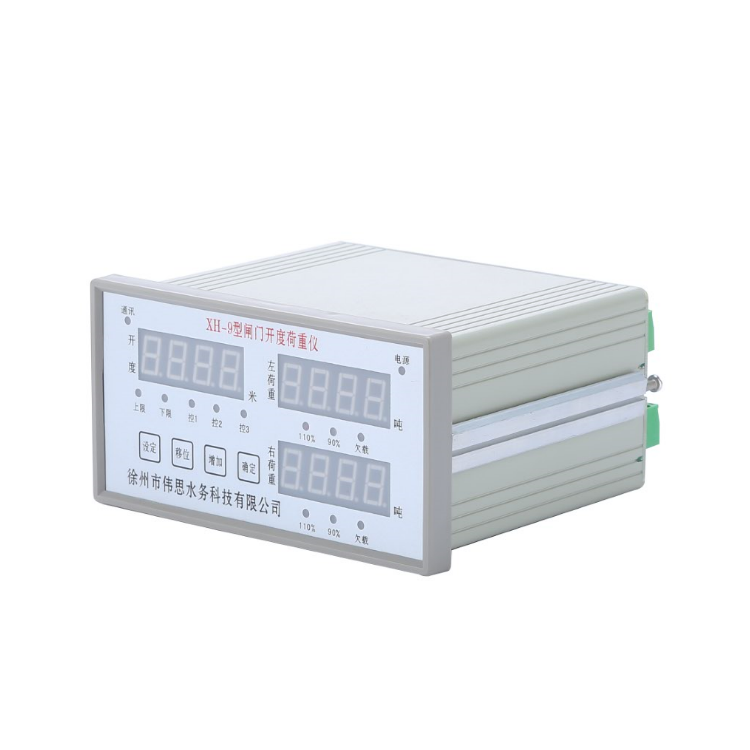 Xuzhou Weisi Gate Opener XH-9 Type Gate Opener Load Gauge -- Load Measurement and Control Instrument
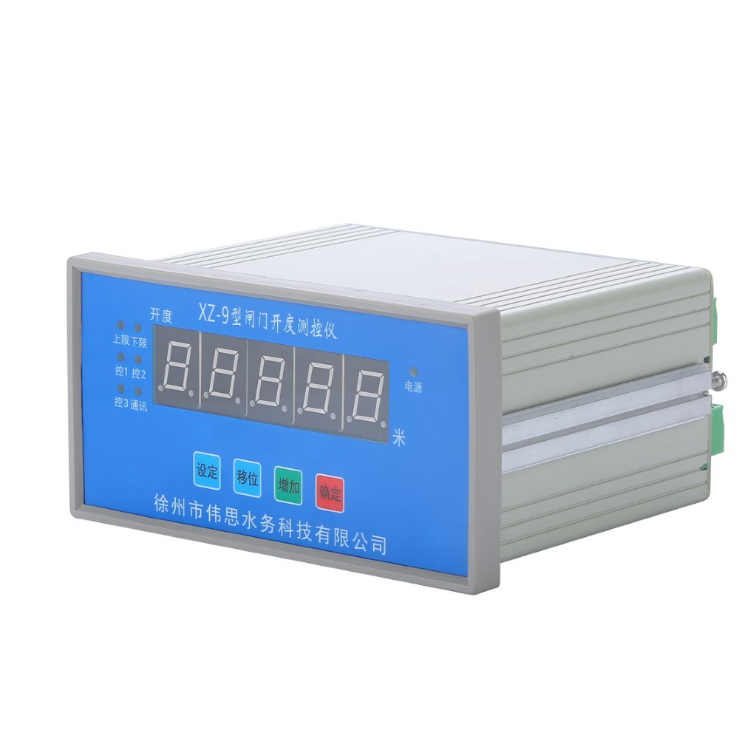 XZ-9 Type Gate Opening Gauge -- Gate Opening Measurement and Control Instrument
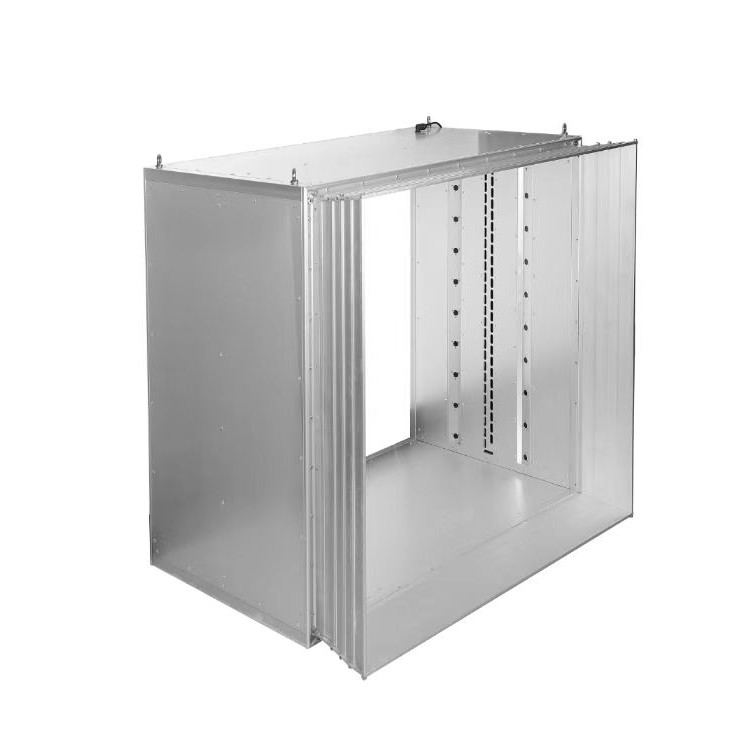 Tangent Flow Meters, LSC Series Box Type Tangent Flow Meters, Flow Meters
Product Details

Hydrological Instruments, Other Meteorological Instruments, Safety Equipment,...



产品Price 1000.00/Tai
最小起订Quantity:1 Tai 供货总Quantity: 1000 Tai


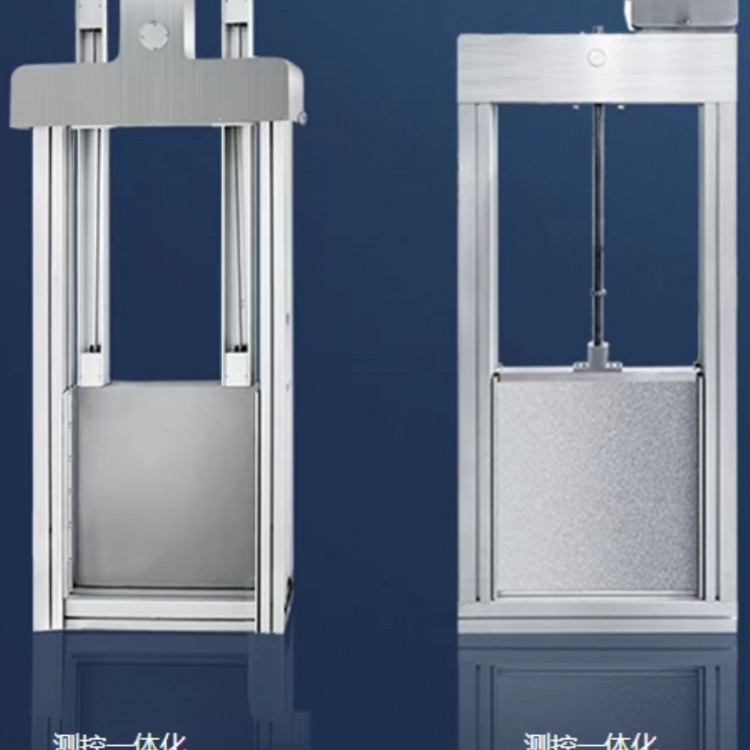 Integrated Control Gate, Wuxiu Wesi Integrated Control Gate, Integrated Control Gate Manufacturer
¥5000.00
Integrated Control Gate, Wuxiu Wesi Integrated Control Gate, Integrated Control Gate Manufacturer
¥5000.00
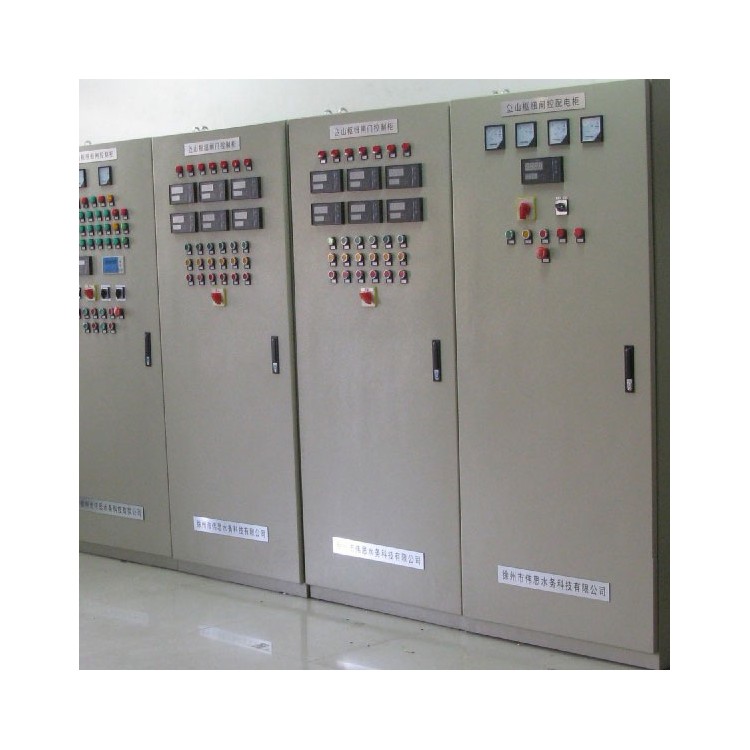 Gate Monitoring System, Xuzhou Weisi Gate Monitoring System, Gate Monitoring System Manufacturer
¥5000.00
Integrated Control Gate, Xuzhou Weisi Integrated Control Gate, Integrated Control Gate Manufacturer
¥5000.00
Gate Monitoring System, Xuzhou Weisi Gate Monitoring System, Gate Monitoring System Manufacturer
¥5000.00
Integrated Control Gate, Xuzhou Weisi Integrated Control Gate, Integrated Control Gate Manufacturer
¥5000.00
Automatic Groundwater Monitoring System (Real-time Water Resource Monitoring) Product Description: Communication Method Selection: Currently, communication methods in domestic and international groundwater automatic monitoring systems mainly include ultra-shortwave, SMS, PSTN fixed-line phones, and GPRS wireless data transmission. Each communication method has its own advantages and disadvantages. This system employs GPRS communication as the main channel and GSM SMS communication as the auxiliary channel for networking. 

The monitoring station collects water level data using a self-reporting and self-reporting-confirmation working system. Typically, the data collection terminal of the monitoring station remains in a low-power duty state, with the GPRS communication terminal and water level sensors in a power-off working state. Upon reaching the set time (1 hour), the data collection terminal of the monitoring station automatically switches to the working state and powers on the GPRS communication terminal and water level sensors. After the water level sensor stabilizes, the station collects water level data and records the data and timestamp in its memory. If the conditions for data transmission are met, the monitoring station initiates a GPRS dial-up, establishes a PPP connection, registers, and then sends the collected water level data.
System Features:
This system is an automatic collection, storage, transmission, and processing system for water level/deepness data, featuring real-time data querying, statistics, analysis, and representation of results through charts. Upon completion, the system will enable the following functions:
1) System Operation Mode: Self-report, Self-report-Confirmation, and Response Method Operation System Networking.
2) The system communicates by using GPRS dual-transmission mode to send data to the center.
4) All monitoring stations have memory greater than 256K and automatic data protection upon power failure. Self-recorded data from a single day or multiple days within the monitoring station can be read on-site using laptops or PDAs and other portable devices. The central station can remotely read self-reported or response-style self-recorded data from a single day or multiple days within the monitoring stations via the GPRS network.
6) The system center can promptly ascertain the operational status of equipment at each monitoring station (such as voltage, self-recording memory conditions, etc.).
7) The system can automatically write real-time data into the groundwater automatic monitoring system's information database. The monitoring data can be accessed via a computer wide area network for WEB browsing by relevant departments, enabling data sharing.
8) The data from the monitoring station can be set to self-report or self-report with acknowledgment mode to enable data retransmission.
9) The system center features data storage, statistics, report display and printing, as well as process analysis capabilities, such as dynamic water level/deep burial display, etc.
10) The data collection equipment must have low power consumption and data collection/sending control features to reduce equipment and operation costs. The system is equipped with a dynamic control mechanism for data collection density to maximize cost savings on communication fees and power consumption while meeting data density and accuracy requirements.

Phone Consultation