



Operating Principle:
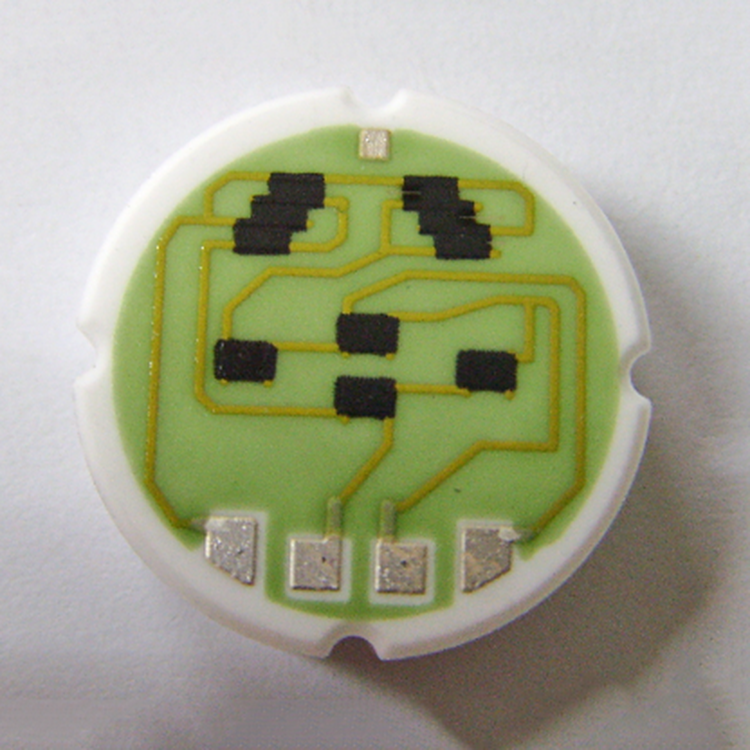
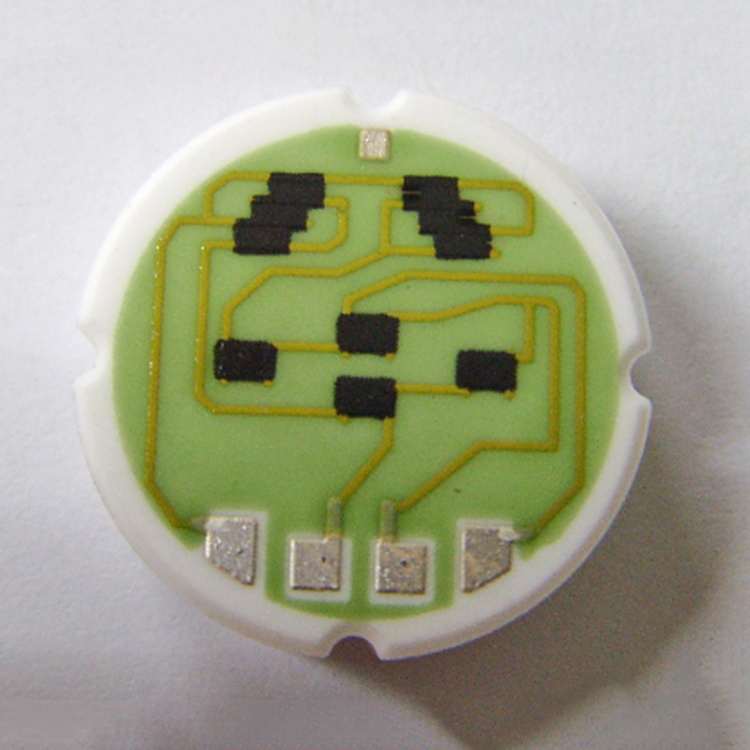
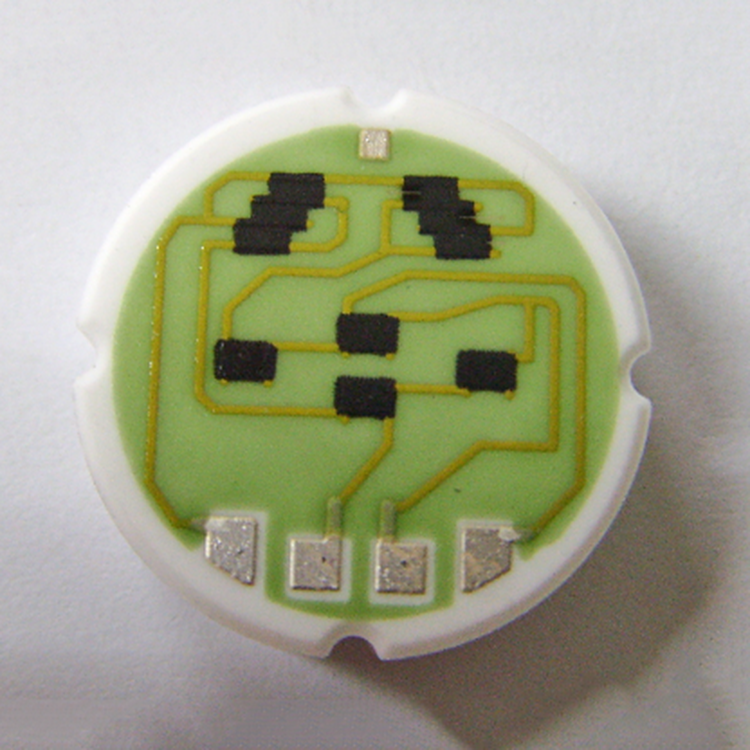
Corrosion-resistant ceramic pressure sensors feature no fluid transfer; pressure acts directly on the front surface of the ceramic diaphragm, causing minute deformation. Thick-film resistors are printed on the back of the ceramic diaphragm, forming a Wheatstone bridge (closed bridge). Due to the piezoresistive effect of the pressure-sensitive resistor, the bridge generates a voltage signal that is highly linear with pressure and proportional to the excitation voltage. Standard signals are calibrated at 2.0 / 3.0 / 3.3 mV/V depending on the pressure range and are compatible with strain gauge sensors. Laser calibration ensures high temperature and time stability. The sensor includes temperature compensation from 0 to 70°C and can be directly contacted by most media.
Basic Features:
Ceramics are a high elasticity, corrosion-resistant, wear-resistant, shock and vibration-resistant material. Their thermal stability and thick-film resistivity allow operation at temperatures ranging from -40 to 135°C, with high precision and stability in measurements. Electrical insulation is greater than 2kV, with strong output signals and excellent long-term stability. High-performance ceramics at low prices will be the direction of pressure sensor development, with a trend of completely replacing other types of sensors in Western and European countries. In China, an increasing number of users are opting for ceramic sensors over diffused silicon pressure sensors.
Performance Features:
Durable ceramic sensitive film
Zero-point and full-scale laser calibration
Excellent corrosion and wear resistance
Impact-resistant, vibration-dampening
High precision, high stability
Wide operating temperature range
Compact size, easy to package
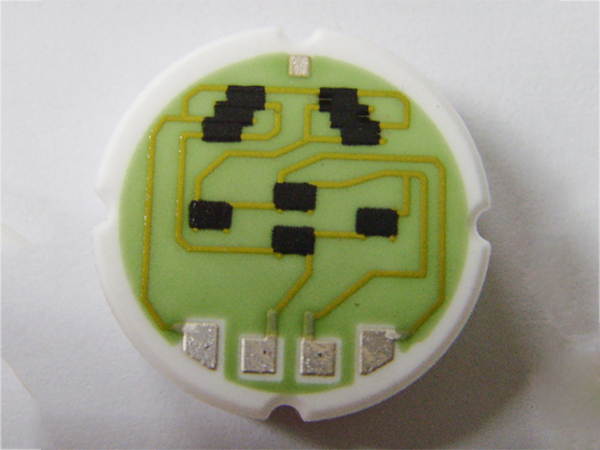
Physical Product Images:
Applicable Occasions:
Process control, environmental control, hydraulic and pneumatic equipment, servo valves and drives, chemicals and chemical industry, as well as medical instruments, and more.
Available for customization as per customer requirements.
