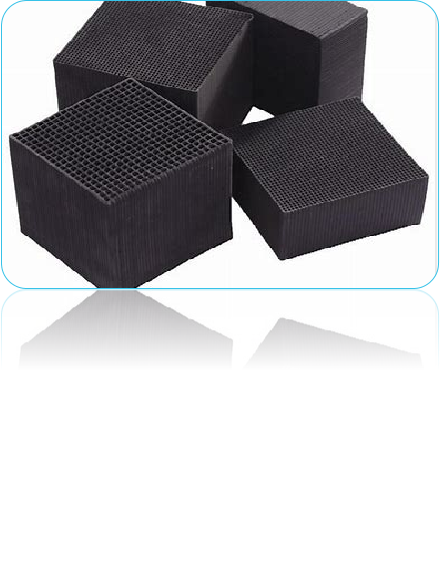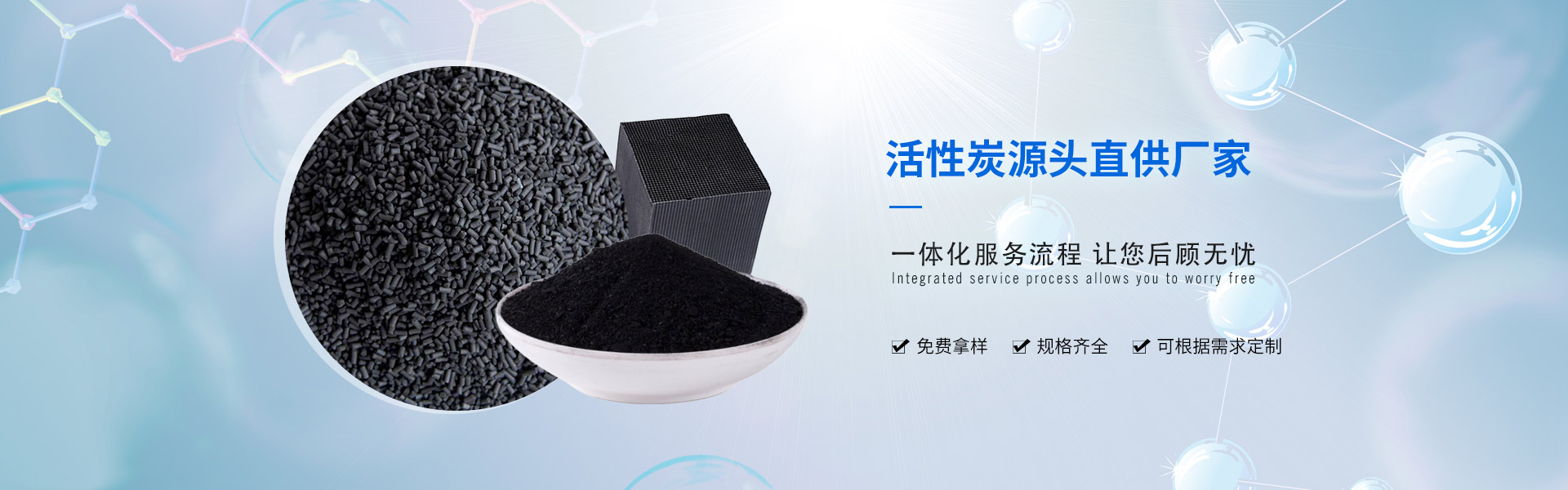


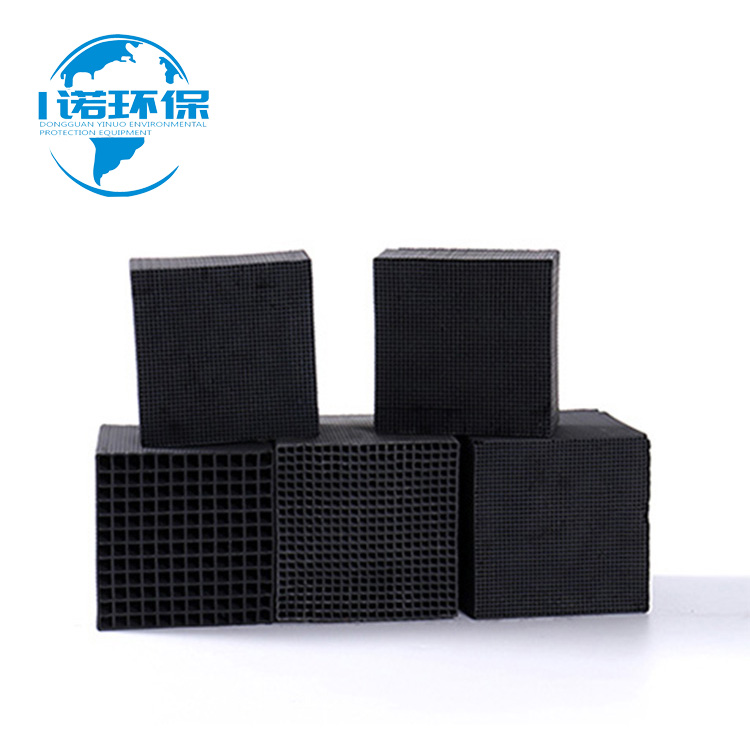
Honeycomb activated carbon is generally used for filtration and decolorization, as a reducing agent, and for absorbing gases. Depending on the specific application field, its role varies. Granular honeycomb activated carbon is often applied for adsorbing molecules, with its adsorption properties determining its suitability for applications. These properties are related to the pore size distribution of different carbon types.
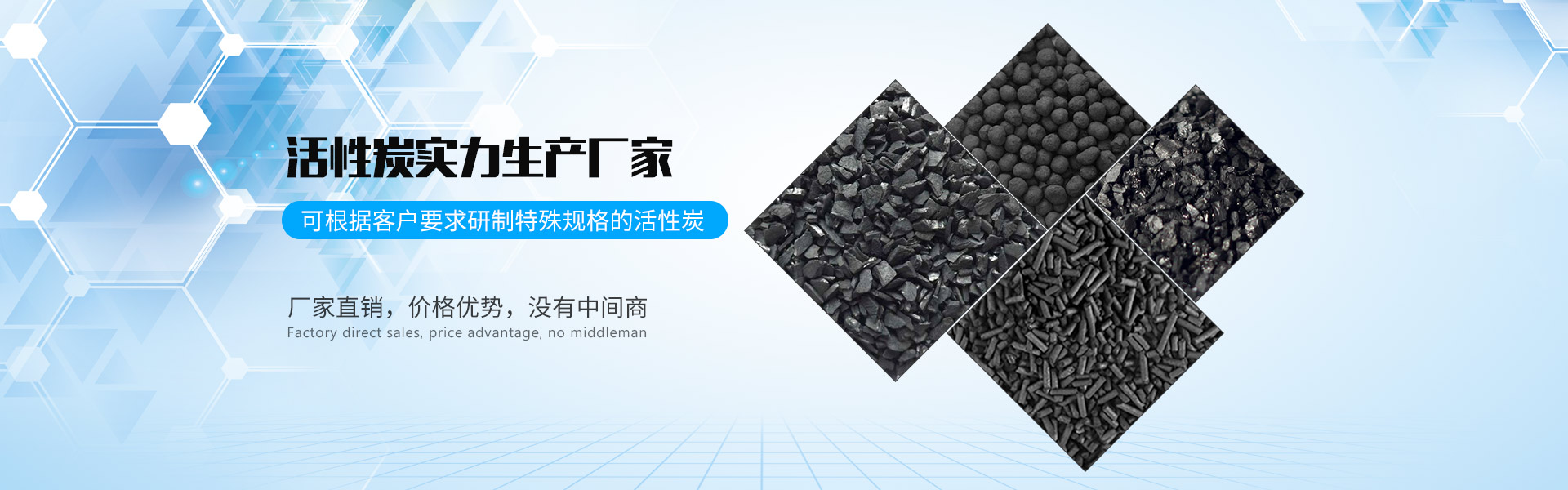
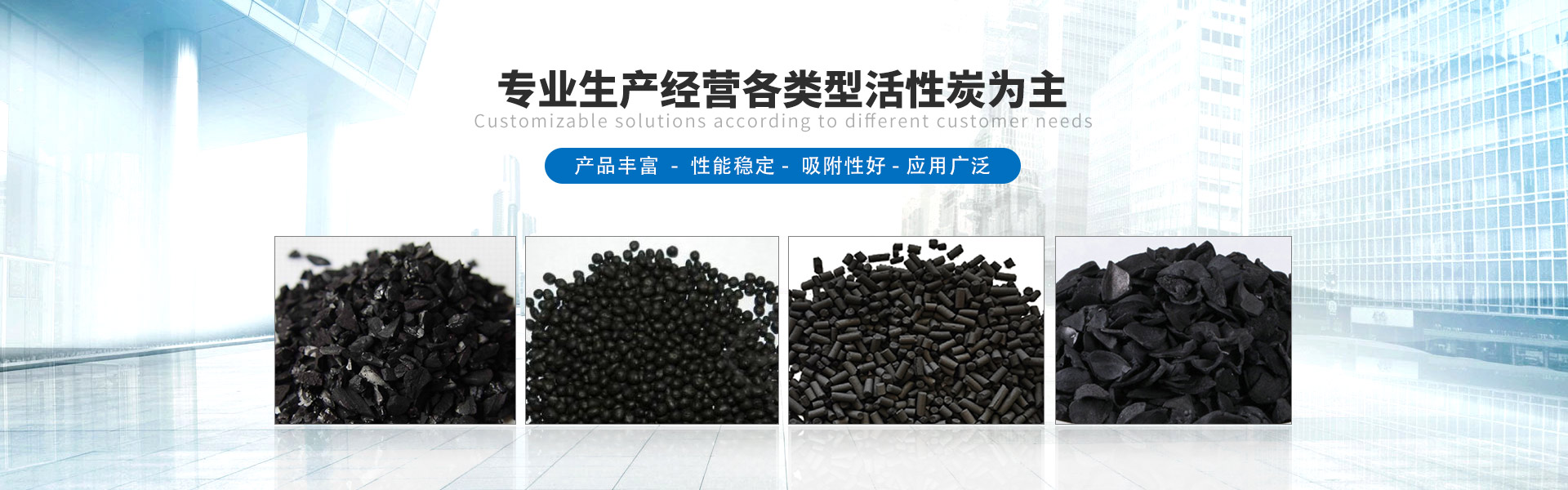
For example, steam-activated powdered honeycomb activated carbon based on peat, lignite, and coconut shell: peat-based honeycomb activated carbon features micro-pores and mesopores, while granular honeycomb activated carbon is suitable for a variety of applications; lignite-based carbon has more mesopores and also larger mesopores, offering excellent accessibility; coconut shell-based granular honeycomb activated carbon mainly contains micro-pores, suitable only for the removal of low-molecular substances.
Technical Parameters of Honeycomb Activated Carbon:
Hole Diameter: 1.5, 3, 4, 8 (mm)
Standard Specifications 50x100X100mm, 100x100X100mm
Iodine Value: 400-800 mg/g
Product Function
(1) Treatment of oily wastewater
(2) Treatment of dye wastewater
(3) Mercury-Containing Wastewater Treatment
(4) Treatment of Chromium-Containing Wastewater
(5) Catalyst and Load Catalyst
(6) Electrodes for Supercapacitors
(7) Flue Gas Treatment Equipment
(8) Other Applications