
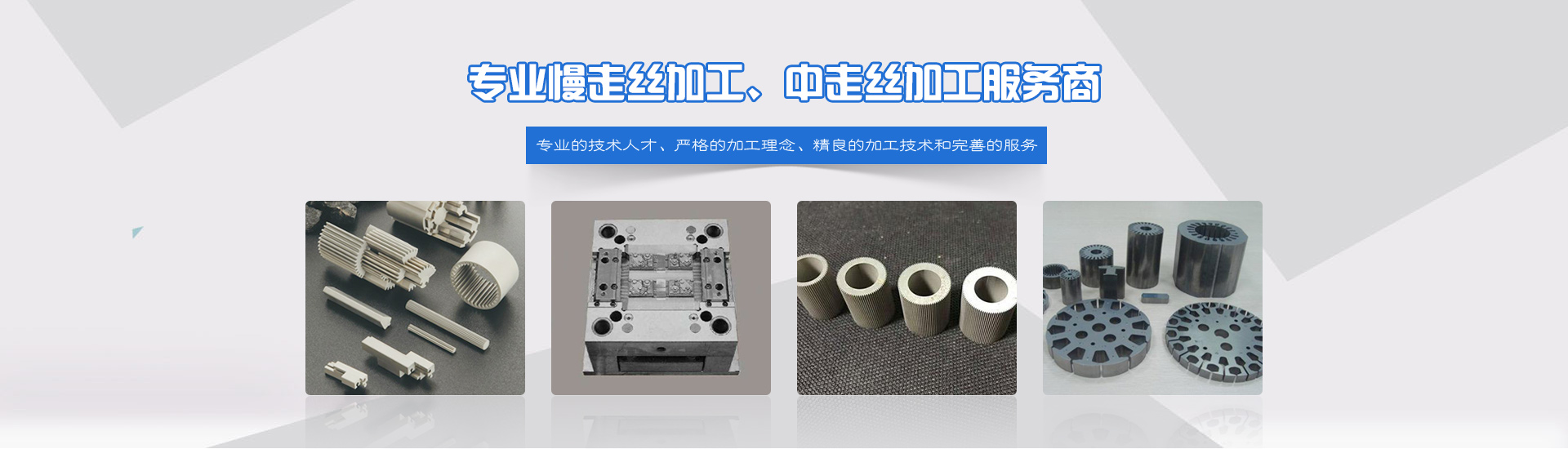
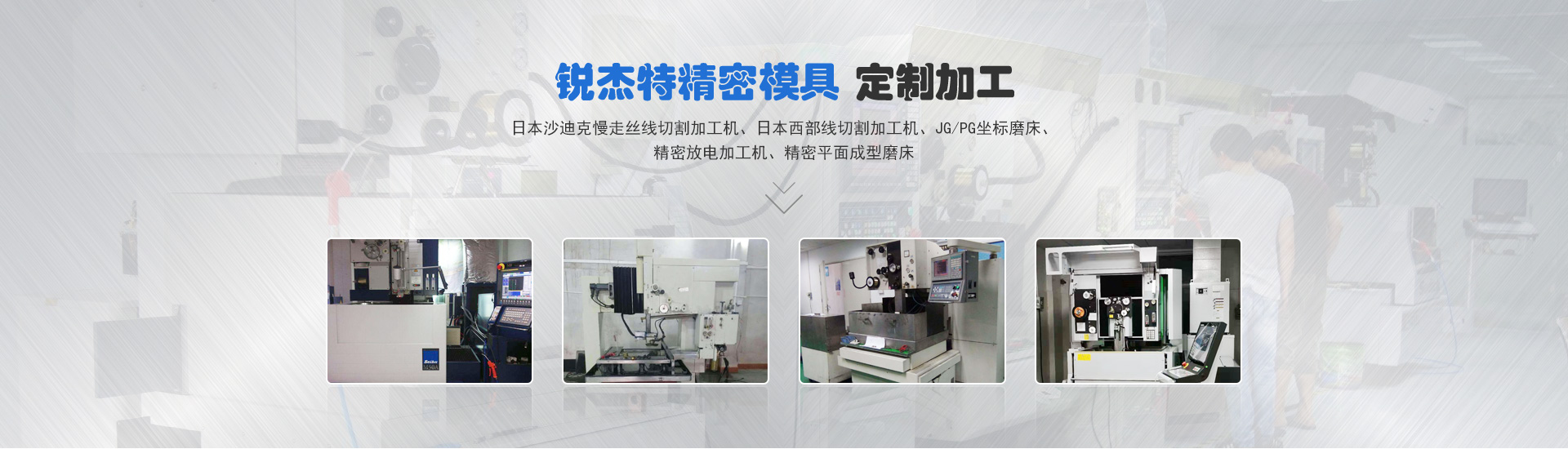

Oil-saw slow wire cutting, also known as low-speed wire cutting, is a CNC machine tool that uses a continuously moving fine metal wire called an electrode wire, typically copper wire as the electrode, to subject the workpiece to pulsed spark discharges. This process generates temperatures above 6000 degrees Celsius, eroding metal and cutting it into the desired shape. The principle of slow wire cutting technology is the development of a continuous gap between the on-line electrode and the workpiece material, utilizing the discharge to continuously remove metal.

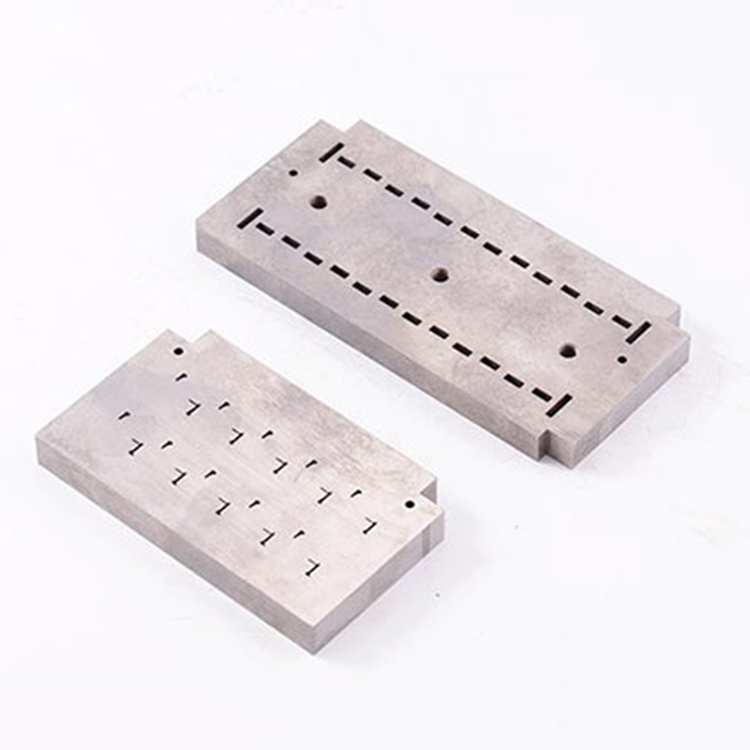
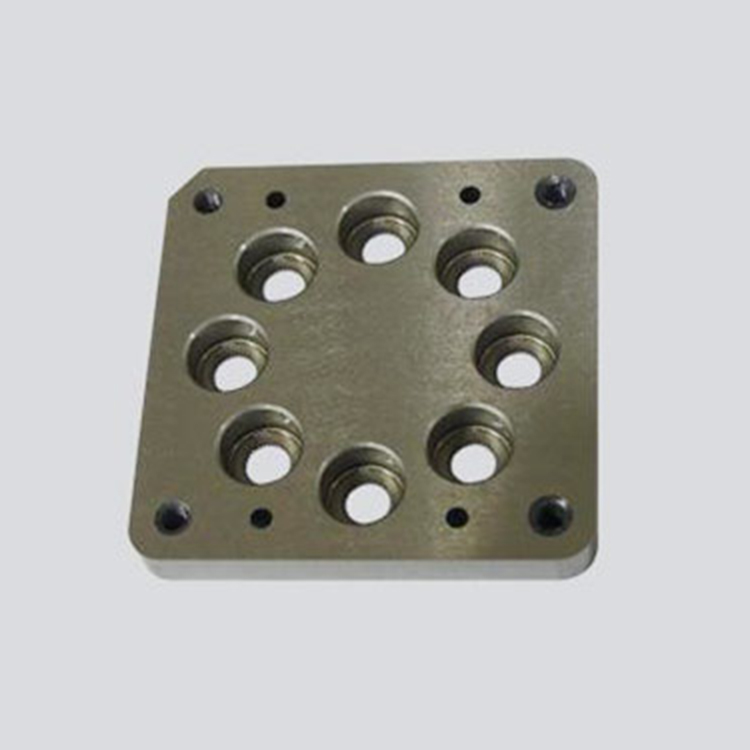
Due to the slow wire cutting process using a continuous wire electrode feeding method, the wire electrode is processed during movement. Even if the wire electrode is lost, it can be continuously replenished, thereby improving the machining accuracy of the parts. The surface roughness of the slow wire cutting process can typically reach Ra=0.8μm or higher. The roundness error, straightness error, and size error in the slow wire cutting process are significantly better than those in the fast wire cutting. Therefore, the slow wire cutting process is widely used in high-precision part production, not only in early small and medium-sized companies but also in large-scale processing factories in industries like aviation and automotive logistics.
