


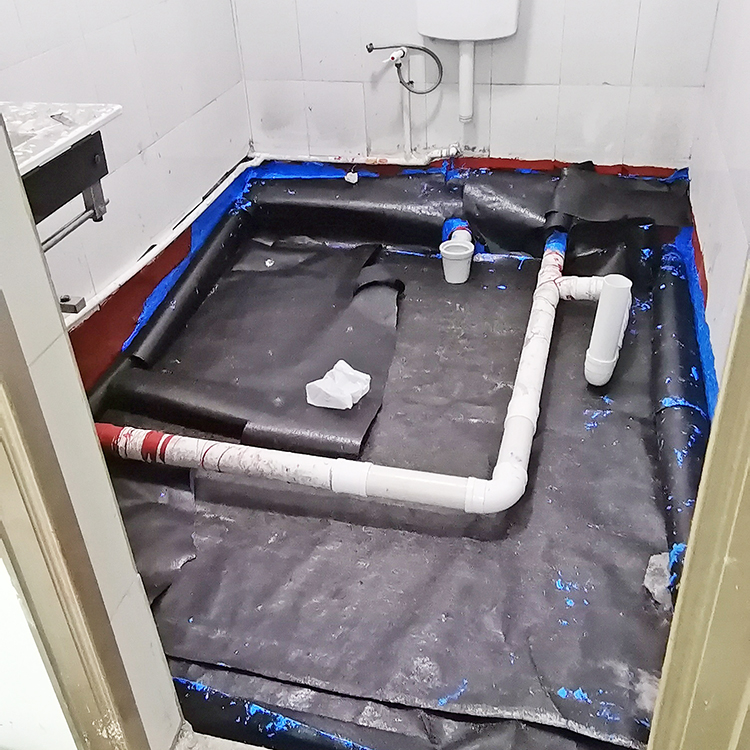
Illustration of Bathroom Leak Analysis
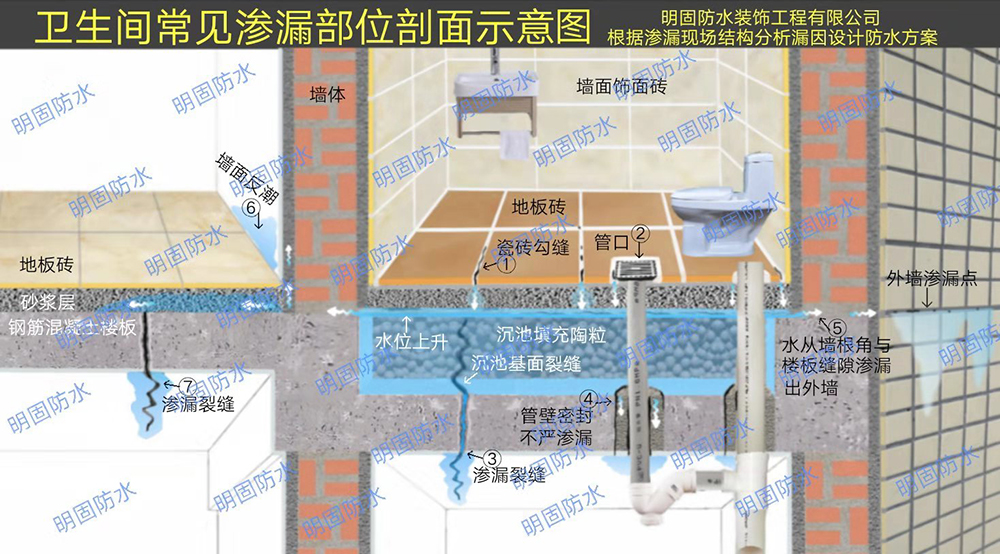
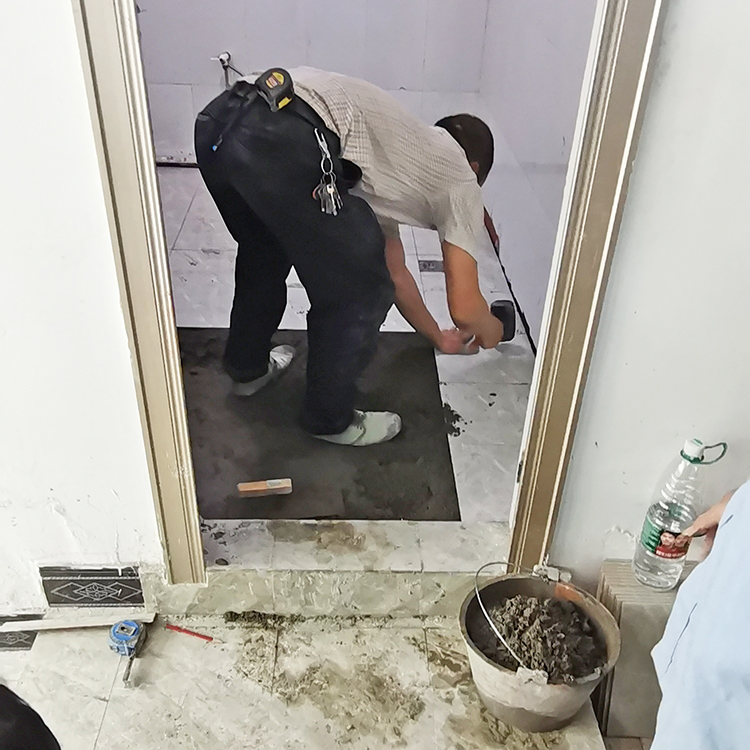
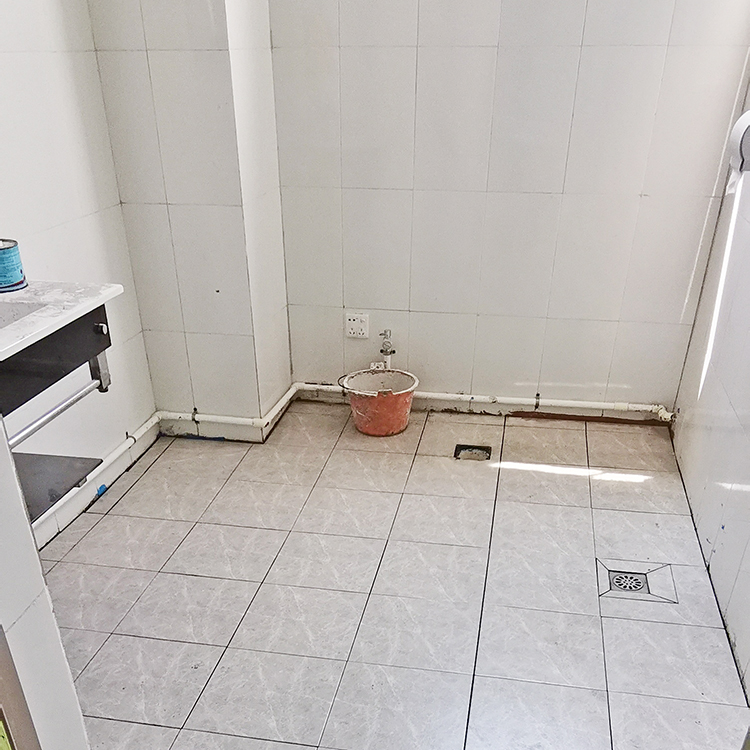
The bathroom is a place prone to leaks. Over time, with the use of the bathroom, domestic water can seep through the floor layer and internal pipes, accumulating in the sedimentation pool if not drained promptly. Once the sedimentation pool is full, water can easily leak through cracks, along the walls of the pipes, down to the floor below, and seep through the base of the walls and threshold stones into the living room. The water will then overflow through the cement mortar layer under the tiles, resulting in widespread dampness. Relying solely on the drainage of the bathroom tiles will not solve the internal leakage problem. If the waterproofing in the bathroom is not properly done and leaks occur, it will not only take time but also cost more money.
Toilet waterproof construction diagram
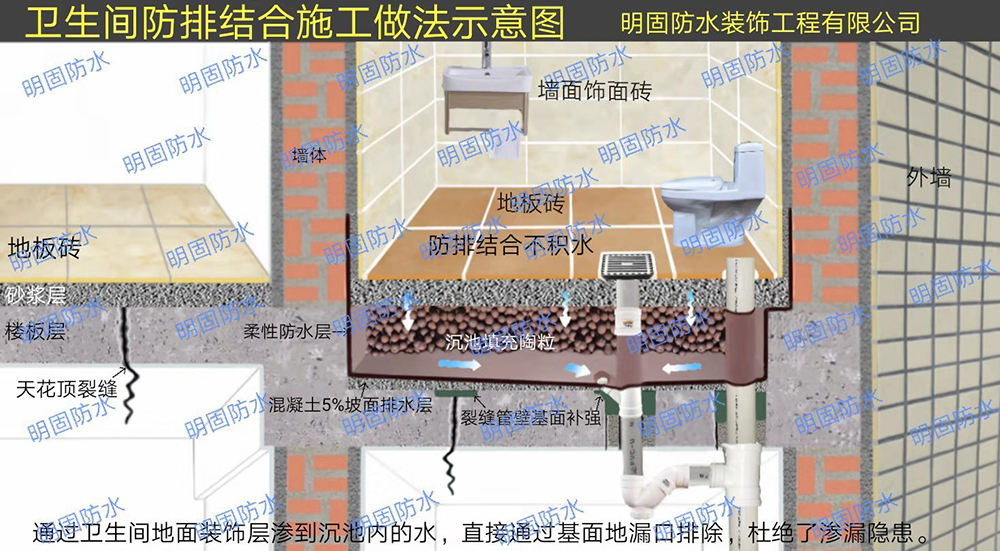
The bathroom employs a waterproofing method that combines prevention and drainage.
The toilet sump can be understood as a storage space for water within a bathroom. The bathroom is designed with a combination of waterproofing and drainage layers, allowing domestic water to seep through the bathroom's decorative layer to the sump. It is then directly drained out through the anti-drainage layer and drain outlet, ensuring a combination of prevention and drainage without any water accumulation, thereby eliminating the risk of leaks.
Features of Waterproofing for Kitchen, Bathroom, and Balcony
Moisture and dampness; water is prone to accumulate at the bottom of the sediment pond.
2. Many pipe root nodes with diverse interfaces.
3. Waterproofing treatment for special areas such as阴阳 corners, irregular bases, and blind spots is more challenging.
Material selection principles for kitchen and bathroom waterproofing, as well as balconies
1. Waterproofing in kitchens, bathrooms, and balconies is difficult to repair later on, with high costs. It requires uncovering all structural layers, redoing the waterproofing, and then restoring them, with repair costs being 5-10 times the initial investment. Waterproofing is a one-time opportunity; it demands a strong and reliable bond for the waterproofing layer and a sealing layer.
2. Flexible material, conquer cracks with suppleness.
3. Features excellent matching sealing materials, capable of effectively sealing multiple interfaces such as plastic, rebar, concrete, as well as various structures like pipe roots and inside/outside corners.
4. Construction is possible in humid conditions.
5. Waterproofing is a systematic project that requires close collaboration between engineering management and materials engineering. Neglecting any stage can lead to failure. Therefore, it's essential to coordinate the design, material selection, construction, and maintenance processes. Ensure a robust design at the source, select appropriate waterproofing materials based on fundamental principles, choose a professional waterproofing contractor, and execute meticulous construction and management.
Detailed Illustration of Sanitary Combination Construction for Drainage and Ventilation
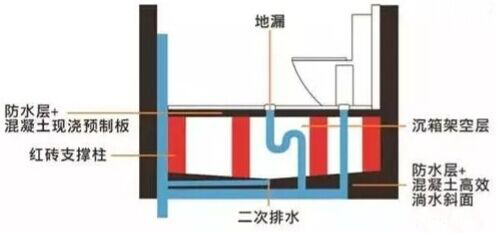
The sink-type toilet, also known as an下沉 toilet, refers to a toilet structure that is partially or fully sunken to a certain height (usually 35-40cm below the corresponding floor level) during the main construction. This allows the horizontal drainage pipes of the toilet to be embedded within it. Then, lightweight materials are backfilled or prefabricated panels are used to elevate the structure, with the sink structure only requiring waterproofing and drainage measures at the bottom. This ensures that any toilet leaks flow into the sink and are drained out, preventing water accumulation in the toilet. Waterproofing the toilet walls up to 2.4 meters is not only for防水 purposes but also to block moisture. Most households install wardrobes on the opposite side of the toilet wall, and waterproofing helps prevent moisture from渗透 into the wardrobe, thus preventing dampness, mold, and warping. Areas requiring waterproofing include not only the toilet but also the kitchen and balcony.
