
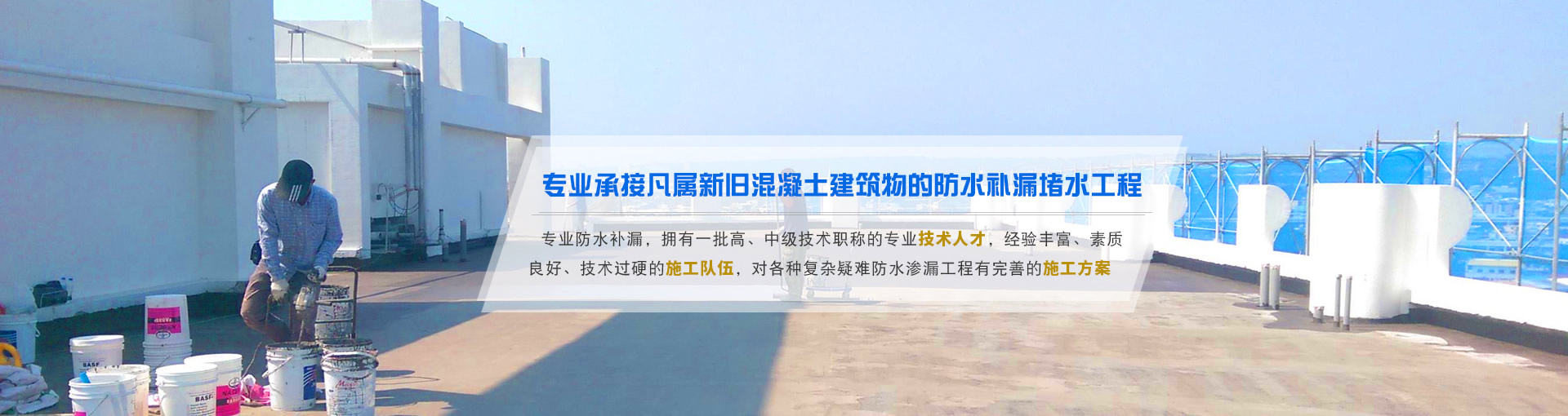



How to do roof waterproofing?
In addition to ground waterproofing, roof waterproofing is also crucial. As roofs play a vital role in protecting against the elements like lightning, wind, frost, rain, and snow, it is essential not to overlook roof waterproofing during renovations.
Proper roof waterproofing is essential for a good living environment inside the house. So, how should roof waterproofing be done? How can the quality of waterproofing be improved?
General Construction Process
The general construction process for roofing typically involves: inspecting the leveling layer → cleaning the subgrade → preparing cement adhesive → applying the additional layer → constructing the subgrade → applying the protective layer → curing.

Before laying the rolled materials and bonding, first unfold the waterproof membrane on the roof surface and align it properly. Then, roll the ends of the roof waterproof membrane together, pour the pre-mixed cement adhesive onto the base, and spread it evenly with a trowel.
After pushing the roof waterproofing membrane forward, promptly use a scraper to expel any air trapped within the membrane and scrape out any excess adhesive. The bonding rate between the roof waterproofing membrane and the leveling layer is 85%.
Second: Coiled Sheet Indirect Seam
Insulation, waterproofing, and additional layers are all joined using overlapping seams. Cement adhesive is used for bonding, with a width of 10cm, and the seams of the additional layer and the waterproofing layer are staggered by more than 5cm.
The overlap width of the roof waterproofing membrane is 8-10cm on the long side and 10-15cm on the short side. The joints between adjacent short sides must be staggered by more than 100cm, and the angle between the wall and the ground must be greater than 30cm.
Three: Waterproof Protective Layer
Once the roll materials are laid and adhered, apply a 1:2.5 cement mortar protective layer on the waterproofing layer. The thickness should be 2cm, applied in two coats with a gap between the joints of >20cm. The protective layer must be smooth and should be watered for curing.

To enhance the quality of roof waterproofing projects, it is essential to pay attention to the following three points:
One: Waterproof Materials
From an engineering perspective, technical performance requirements for various waterproofing materials must be met before they can be used in roofing waterproofing projects.
The waterproof materials used must undergo sampling verification by a testing unit before they can enter the market.
To regulate the quality of waterproof materials in the market, it is stipulated that construction units must conduct sampling and re-testing according to the new specifications for their projects. This ensures a more effective prevention of substandard waterproof materials from entering both "the market" and "the site."
Once substandard waterproofing materials are discovered, they are strictly prohibited from being used in construction waterproofing projects.

Waterproof Design
New specifications for roofing waterproof design have been introduced, stipulating "Waterproof construction design should be carried out according to the characteristics of the project and regional natural conditions, in accordance with the requirements for waterproofing grades of the roof. Detailed drawings should be provided for critical areas."
Roof drainage and thermal insulation systems also require calculations for determination. Relying on experience or simply noting "two felt and three oils" is not sufficient.
Construction Quality
Roof waterproofing construction techniques must meet specified quality standards; therefore, prior to waterproofing construction, it is essential to conduct a design review and master the detailed construction details and relevant technical requirements.
The waterproofing construction plan and technical measures must be meticulously prepared. Roof waterproofing projects must be executed by a professional waterproofing construction team or a qualified specialist. It is emphasized that inspections must be conducted in the order and layers of the construction process.
Operations for the next process can only commence upon qualification. Moreover, in the quality acceptance standards and inspection methods for waterproofing engineering, the construction quality of the roof waterproofing project must also be controlled.
Professional contractors, adhering to standard construction specifications, are a step towards achieving excellent roof waterproofing results. It is crucial to perform roof waterproofing work well, and I hope the knowledge provided above is helpful to everyone.
